





 Portuguese
  English
  Spanish
  2 min of reading


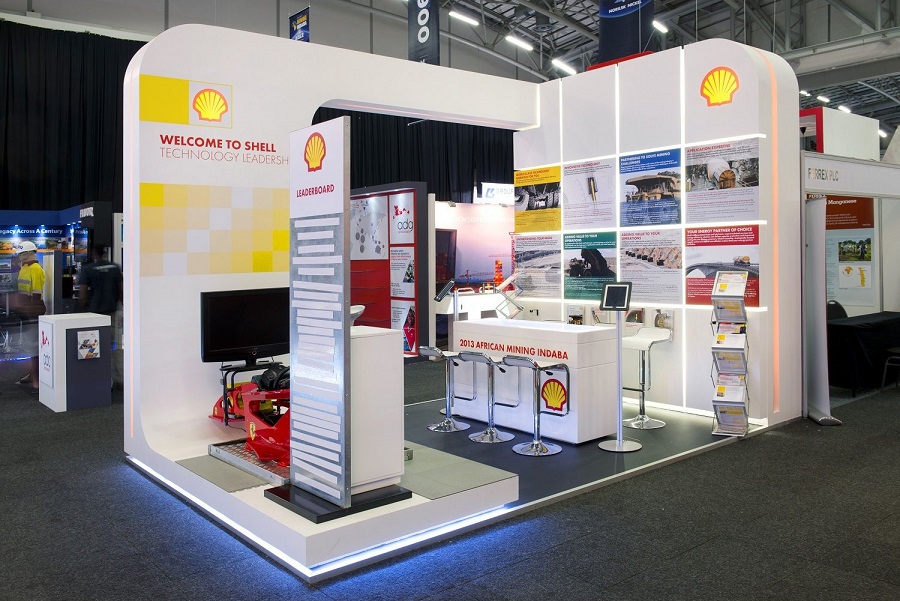
Shell Sees Its Operations and Industrial Business Areas in Brazil Extending Even Beyond the Deep Waters Era
The predominance of renewables in Brazil’s current energy consumption mix also means that Shell, the hydrocarbon giant, has a role to play in helping the oil and gas industry meet the two-degree Celsius target set in the Paris Agreement. “It’s not just about surviving the energy transition; it’s about thriving in the energy transition,” said Shell’s director, Andy Brown, on Monday at Rio Oil & Gas in Rio de Janeiro. Like Shell, many other multinationals want to operate in Brazil, bringing technology and innovations, especially for the Oil & Gas sector.
The European Giant and Its Relationship with Brazil
The European giant is an important player in Brazil’s deep water sector, currently holding stakes in 13 floating production, storage, and offloading units and eight pre-salt licenses. Shell’s current global deep water production is approaching 900,000 barrels of oil equivalent per day, and the director of Shell stated that the company is committed to the Brazilian offshore; he can see opportunities beyond the pre-salt. “Shell and Brazil have been working together for 105 years. Deep waters have become a very important part of Shell globally, but I believe the relationship between Shell and Brazil will continue for many, many decades, even beyond the deep waters era,” he said.
-
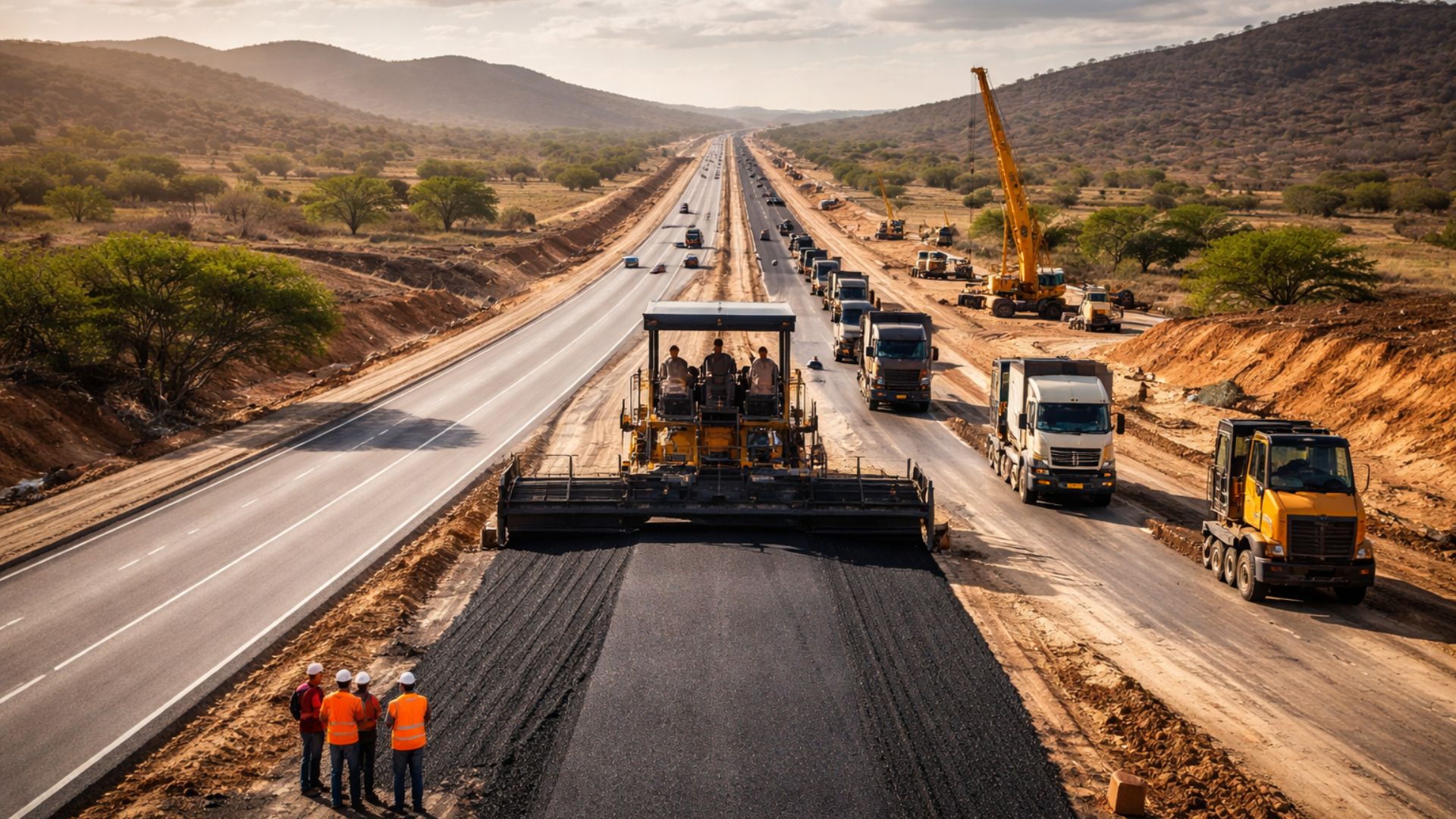
Government unlocks R$ 554 million for a highway that has been requested for decades and accelerates the duplication of BR.
-
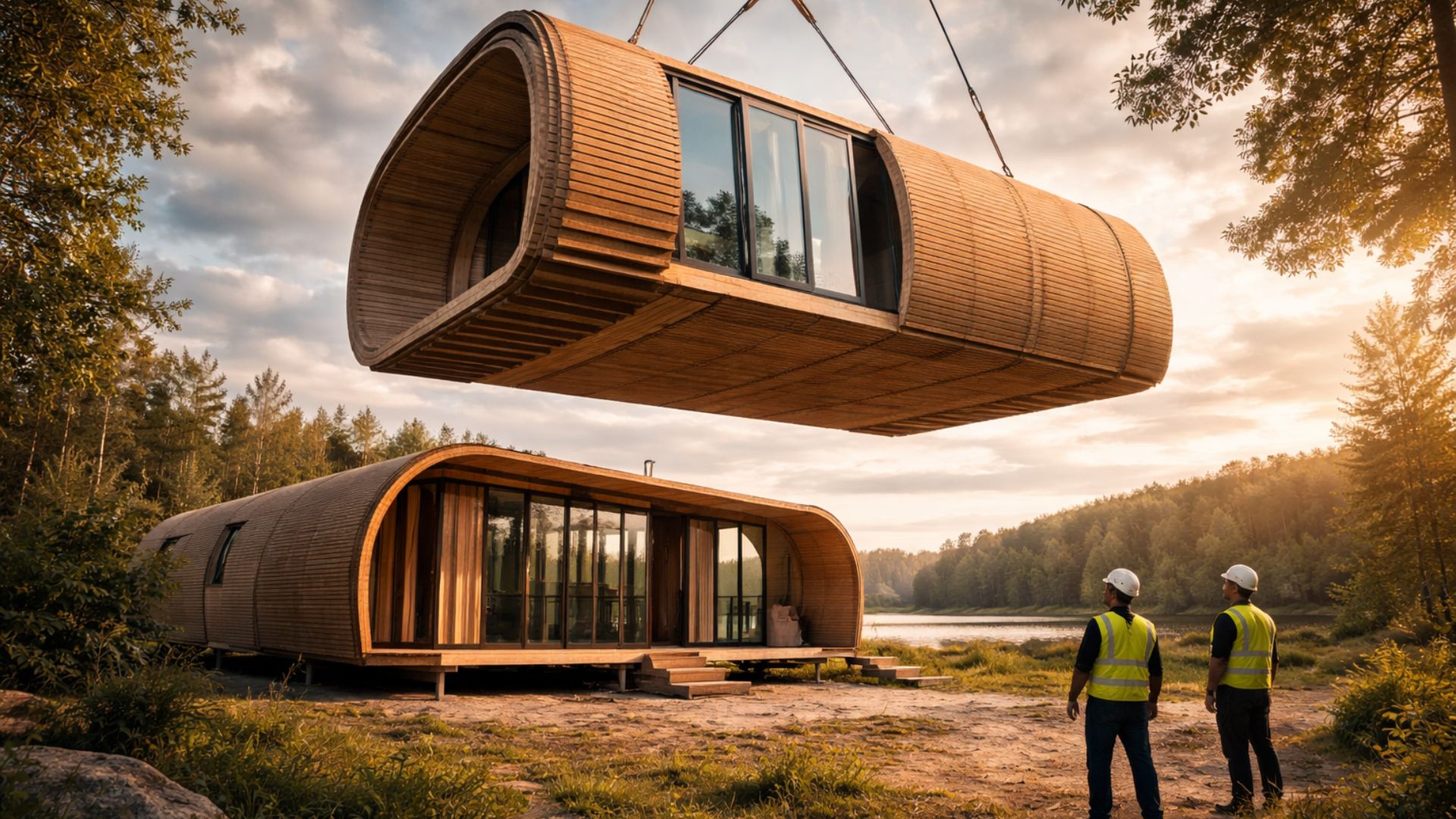
Without bricks, without cement, and without endless construction: the cardboard house that is assembled in modules and can be moved.
-
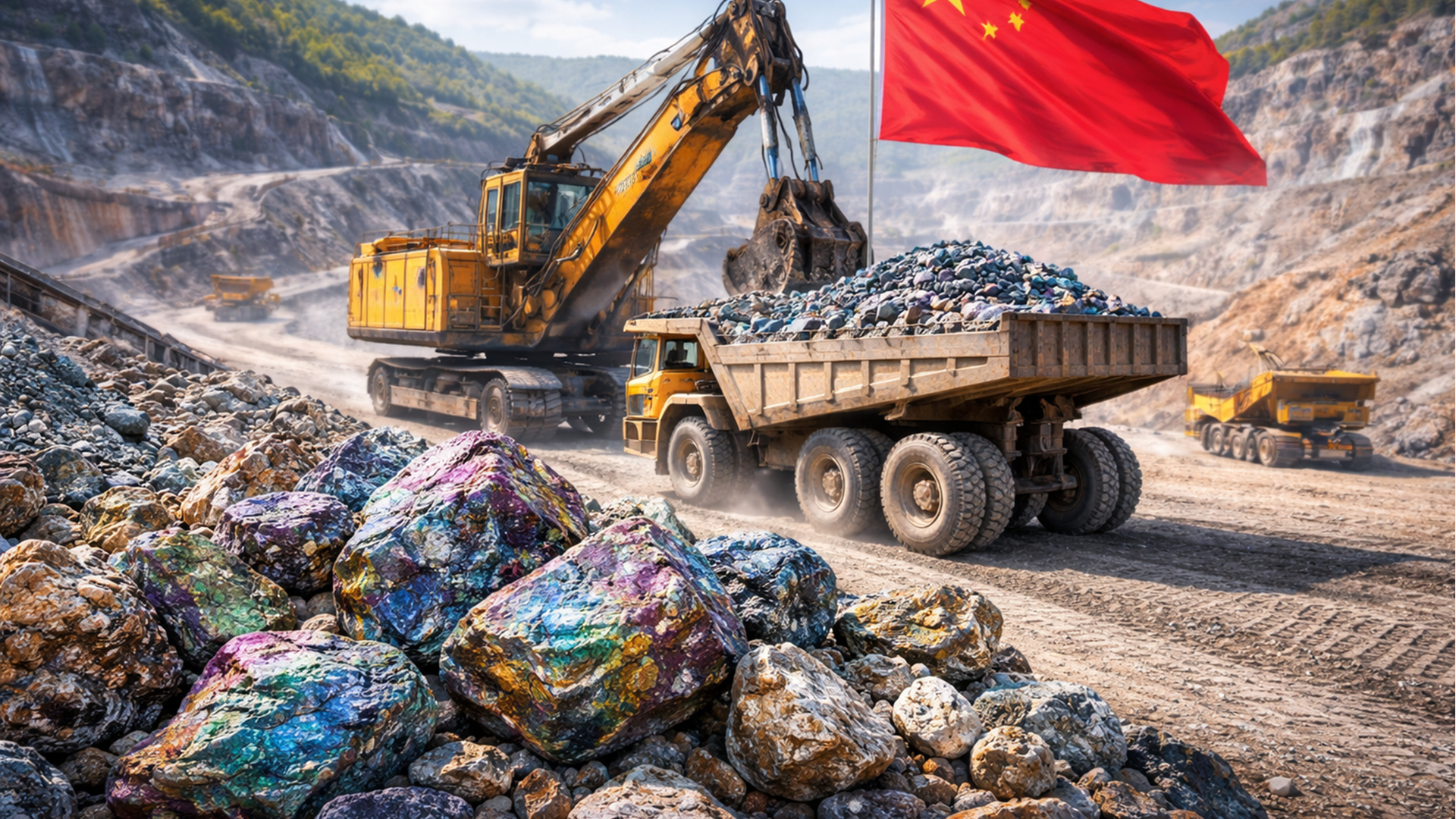
Billions of barrels on the equatorial margin could lead Amapá to double its oil production in Brazil — the state aims to enter the route of companies in the Campos Basin, attract investments, and boost jobs and businesses in the oil and gas sector.
-
Without bricks, without cement, and without endless construction: the cardboard house that is assembled in modules and can be moved.

The Future of Shell in Brazil
“We will shift towards more natural gas over time”, Brown said about the energy change in Shell’s portfolio in the future. “We see an emerging gas business in Brazil,” he said, adding that the fact that 45% of Brazil’s primary energy comes from renewable sources also leaves room for an increase in ethanol production in the country. Brown also stated that the oil industry “will have to unlock the potential” of carbon capture and storage (CCS), warning: “There will be no 2-degree scenario without CCS”. The Shell executive also urged industry participants gathered at the biennial event in Brazil’s oil capital to keep a check on costs, as the industry continues to recover from an extended downturn following the oil price crash in 2014. The executive concluded by saying, “Resilience is so important for us, not just to seize the upside and be able to endure the downside, but also because we are entering a world where there will be an energy transition.”









Seja o primeiro a reagir!