





 Portuguese
  English
  Spanish
  5 min of reading
  1 comment


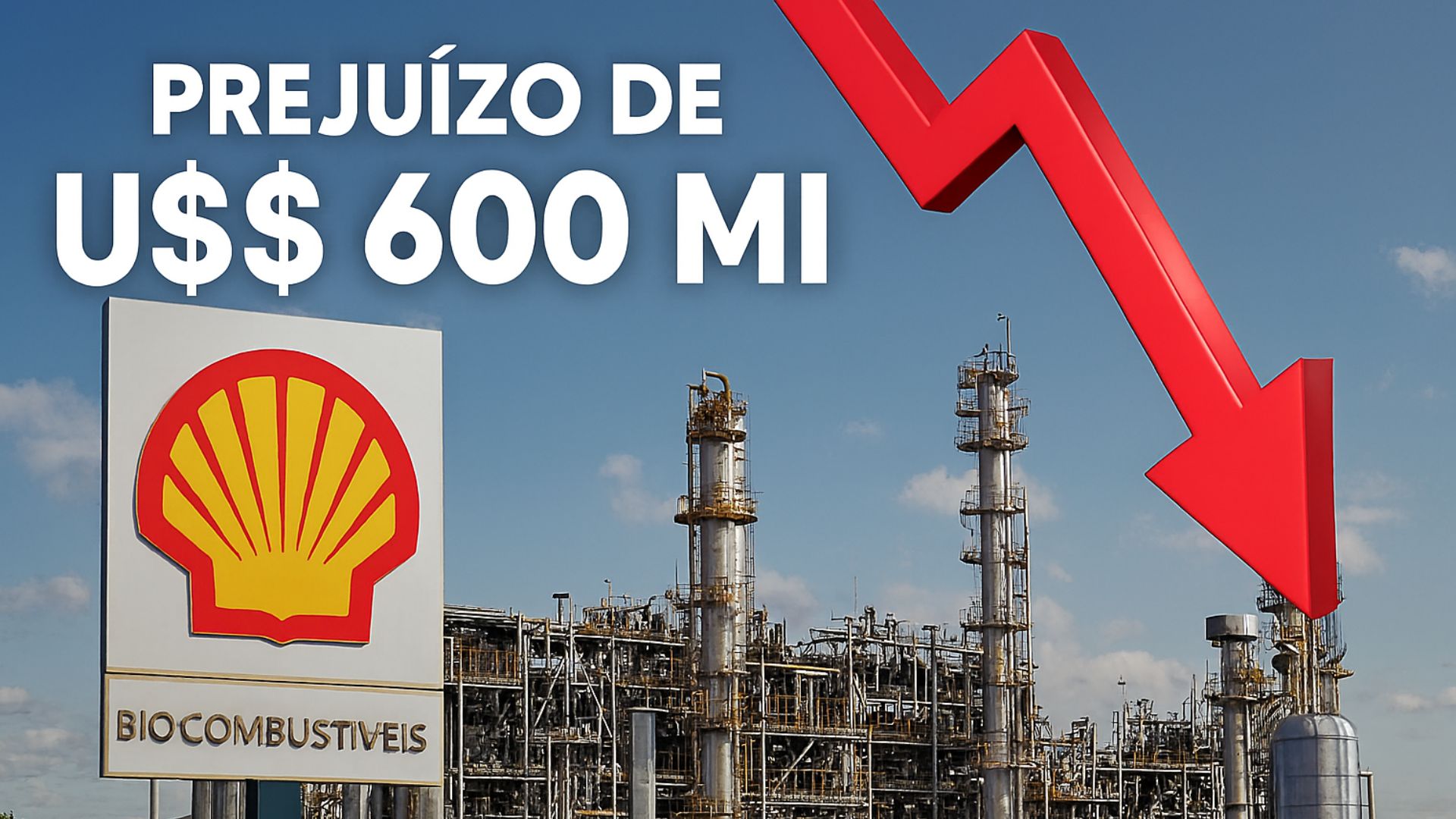

Shell Ends Its Biofuels Project in Rotterdam After Facing a Million-Dollar Loss. The Decision Affects Sustainable Strategies and Signals Changes in the Global Energy Market
On October 7, 2025, Shell officially announced the abandonment of its ambitious biofuels project in Rotterdam, in the Netherlands. The decision, disclosed by Portal Terra, resulted in a million-dollar loss of US$ 600 million, raising the total losses and provisions related to the venture to US$ 1.4 billion.
The cancellation represents a significant milestone in the company’s trajectory and raises questions about the direction of the energy transition in the global energy market.
Details of the Biofuels Project Canceled by Shell
According to Shell’s statement, the decision was made after a technical and commercial reassessment of the project, which did not demonstrate sufficient economic viability to meet the demands for low-carbon fuels at competitive prices. The news resonated intensely among analysts, investors, and environmentalists, generating debates about the future of renewable energies.
-
The Economist states that Brazil has a “secret weapon” against expensive oil and highlights how the country can reduce economic impacts even in international scenarios of high volatility.

-
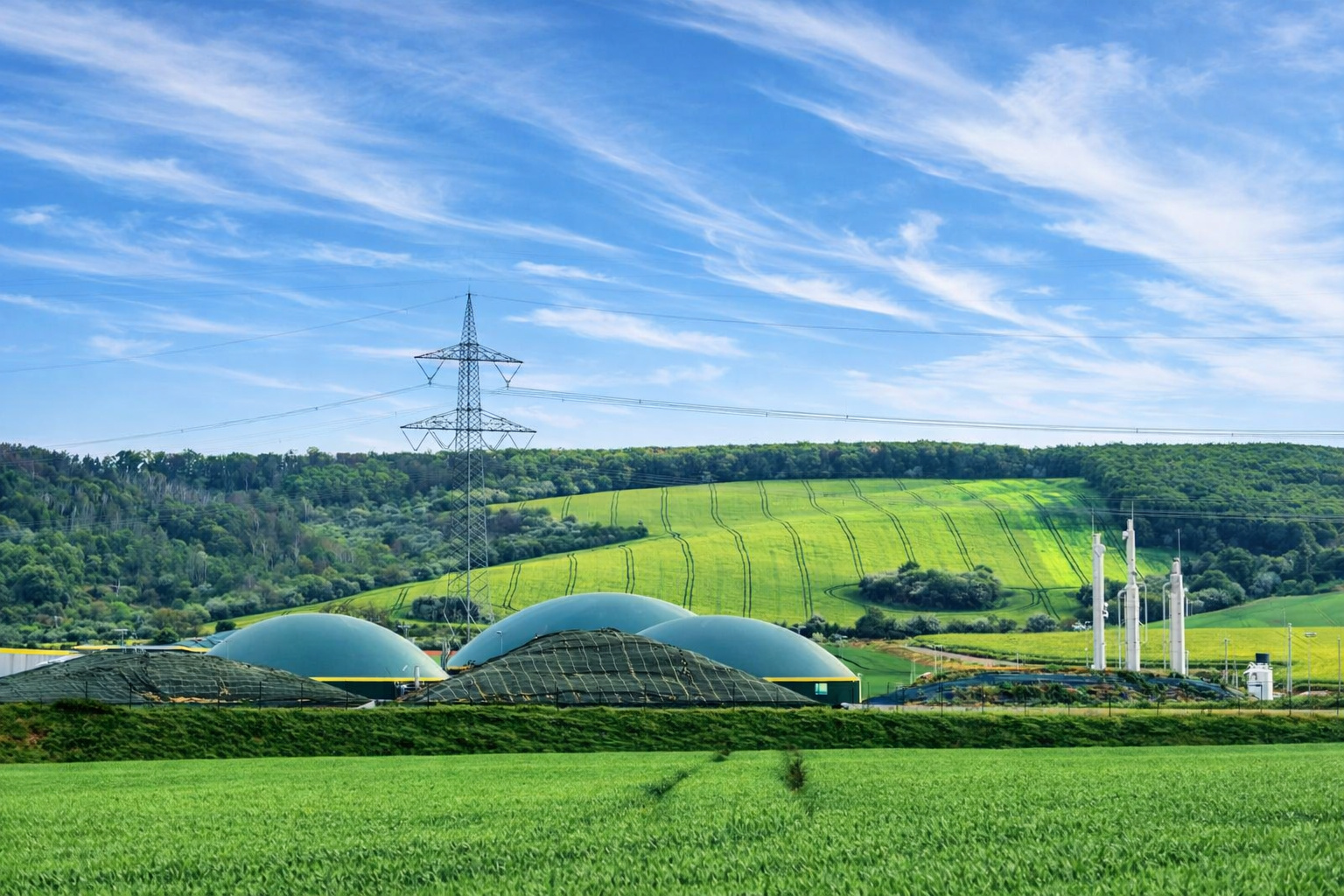
Brazil accelerates decarbonization in the South: International forum in Foz do Iguaçu gathers leaders to discuss the advancement of biomethane in the energy matrix and the potential of “caipira pre-salt.”
-
As diesel prices soar due to conflicts in the Middle East, a Brazilian city decides to test a little-known biofuel that promises to completely replace fossil fuel without adaptation and could change the future of energy in the country.

-
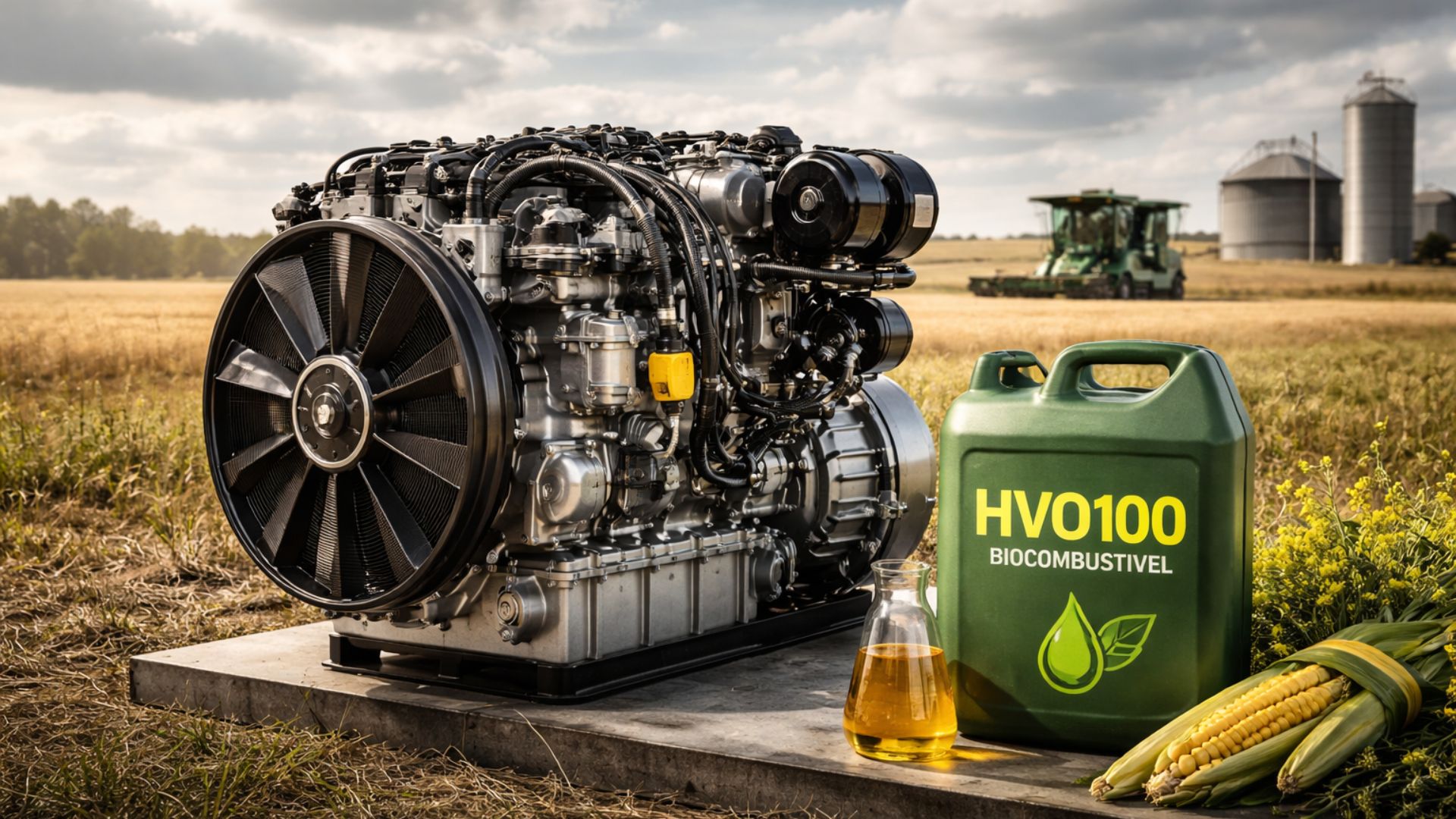
Innovation with biofuel engines transforms agribusiness by replacing diesel without the need for major adaptations, ensuring energy efficiency and helping to reduce dependence on oil.

Shell’s project in Rotterdam planned the construction of a plant with the capacity to produce 820,000 tons per year of sustainable fuels, such as Sustainable Aviation Fuel (SAF). The facility would have been part of the Shell Energy and Chemicals Park, focused on low-carbon solutions.
The expectation was that the project would significantly contribute to reducing emissions in the transportation sector, especially in aviation. However, after an in-depth analysis, Shell concluded that the venture would not be competitive enough. Machteld de Haan, president of Downstream, Renewables and Energy Solutions at Shell, stated that the project would not meet customer needs for affordable low-carbon products.
Million-Dollar Loss and Financial Impacts for Shell
The cancellation of the project generated significant financial impacts. In addition to the direct loss of US$ 600 million, Shell accounted for additional provisions totaling US$ 1.4 billion. The company also indicated that its chemicals division would have to report losses in the quarter, and that there would be an impact of US$ 200 to US$ 400 million due to reduced participation in the Tupi fields in Brazil.
Despite the losses, Shell signaled strengthening in other areas, such as liquefied natural gas (LNG). Production projections for the third quarter were raised to between 7 million and 7.4 million tons, exceeding the 6.7 million from the previous quarter. This strategy demonstrates a shift in the company’s focus, prioritizing segments with higher returns and stability.
Rotterdam as a Strategic Energy Hub
The city of Rotterdam is considered one of the main energy hubs in Europe, housing refineries, port terminals, and innovation centers. Shell’s biofuels project was seen as an opportunity to consolidate the region as a reference in clean and sustainable energy.
With the cancellation, opportunities for job creation, technological innovation, and emissions reduction are lost. Moreover, the local impact may affect investor and partner confidence in future sustainable projects in the region. Shell’s decision also raises doubts about the commitment of large companies to environmental goals.
Energy Transition Under Pressure
Shell’s withdrawal comes at a delicate moment for the energy sector. Several companies have reevaluated their investments in renewable sources, given economic, regulatory, and geopolitical challenges. In February 2025, BP announced drastic cuts in its clean energy investments, while Equinor also reduced its ambitions in this segment.
This movement raises questions about the commitment of major oil companies to the energy transition. Although Shell has invested US$ 8 billion between 2023 and 2024 in low-carbon solutions, such as hydrogen, carbon capture, and renewable energies, the cancellation of the project in Rotterdam indicates a shift in priorities.
Experts point out that while investments in clean energy are essential, it is necessary to ensure that projects are economically viable and scalable. The pressure for immediate financial results has led companies to prioritize initiatives with quicker returns, such as LNG and oil exploration in already established areas.
Reflections on the Global Energy Market
Shell’s abandonment of the project directly impacts the global energy market, especially in the biofuels segment. The decision may slow down the development of clean technologies, increase dependence on fossil fuels, and hinder the fulfillment of international climate goals.
On the other hand, this movement may stimulate greater rigor in the economic viability assessment of renewable projects, avoiding investments in initiatives with low competitiveness. The search for more efficient and scalable solutions may gain momentum, focusing on green hydrogen, carbon capture, and the electrification of industrial sectors.
Additionally, the episode reinforces the need for more robust public policies that encourage innovation and provide legal security for investors. Without consistent governmental support, large-scale projects face high risks, even when aligned with global climate goals.
Shell and Its Investments in Clean Energy
Despite the setback in Rotterdam, Shell remains one of the global leaders in energy.
The company also maintains robust investments in the Netherlands, with €6.5 billion allocated to energy transition projects, such as the Porthos CCS and Holland Hydrogen 1.
These projects reinforce Shell’s commitment to decarbonization, even amid strategic adjustments.
Furthermore, Shell has expanded its operations in emerging markets, seeking partnerships to develop clean energy infrastructure.
The company is betting on integrated solutions, combining production, distribution, and marketing of sustainable fuels.

What This Episode Reveals About the Future of Energy
The million-dollar loss from Shell abandoning the biofuels project in Rotterdam represents a turning point in the trajectory of the energy transition. The decision, although difficult, reflects the challenges faced by large companies in balancing sustainability, competitiveness, and financial returns.
The impact on the global energy market is significant, demanding greater attention from governments, investors, and civil society to ensure that the transition to clean sources continues to advance. Shell, despite the setback, continues to invest in low-carbon solutions, demonstrating that the path to a sustainable energy future is still being built.
This episode also highlights the importance of well-founded strategic decisions based on real data and market analysis. The future of energy depends on responsible choices, technological innovation, and collaboration between the public and private sectors.









I must say this article is extremely well written, insightful, and packed with valuable knowledge that shows the author’s deep expertise on the subject, and I truly appreciate the time and effort that has gone into creating such high-quality content because it is not only helpful but also inspiring for readers like me who are always looking for trustworthy resources online. Keep up the good work and write more. i am a follower.