





 English
  Francês
  Alemão
  Italiano
  Japonês
  Norueguês
  Portuguese
  Spanish
  3 min of reading


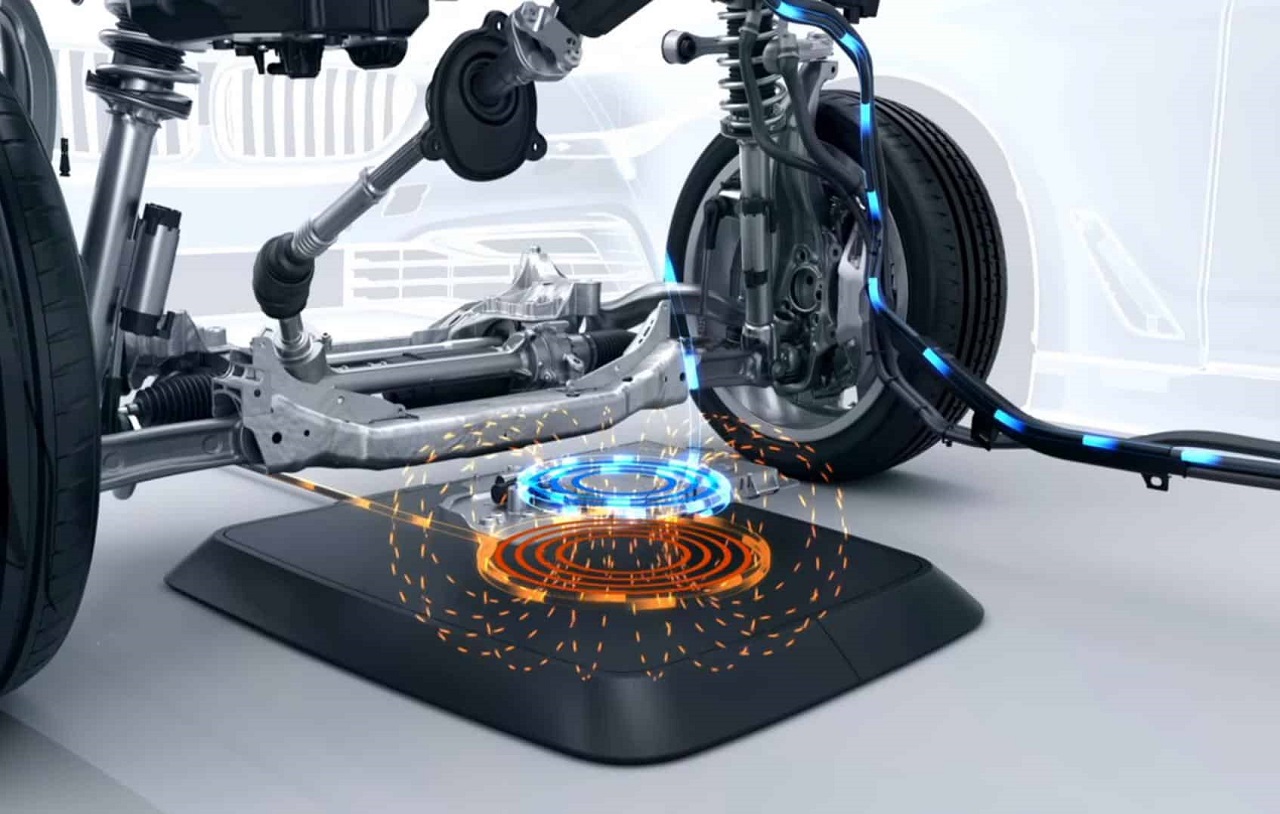
Siemens and Mahle Join Forces to Manufacture a Wireless Charger for Electric Cars. The Technology Could Make Electrified Vehicles Even More Popular.
The wireless charging will be an essential factor in making electric cars increasingly popular in the market. Thus, Siemens and Mahle have reached an agreement to develop new projects. The efforts of the two technology giants are focused on developing a single standard to make the wireless charger for electric cars less complex and more accessible.
Global Electric Vehicle Sector Interested in Wireless Charger


In practice, Siemens and Mahle aim to develop hardware and charging infrastructure that allows both parties to operate standardized across the vehicle industry. According to Siemens, the wireless charger is the market of the future and will make life easier for future drivers.
The technical development behind the systems of this type of technology will be coordinated with automotive brands and infrastructure partners to boost operations and develop technologies at a global level. Overall, the wireless charger is of great interest to companies throughout the automotive sector.
-
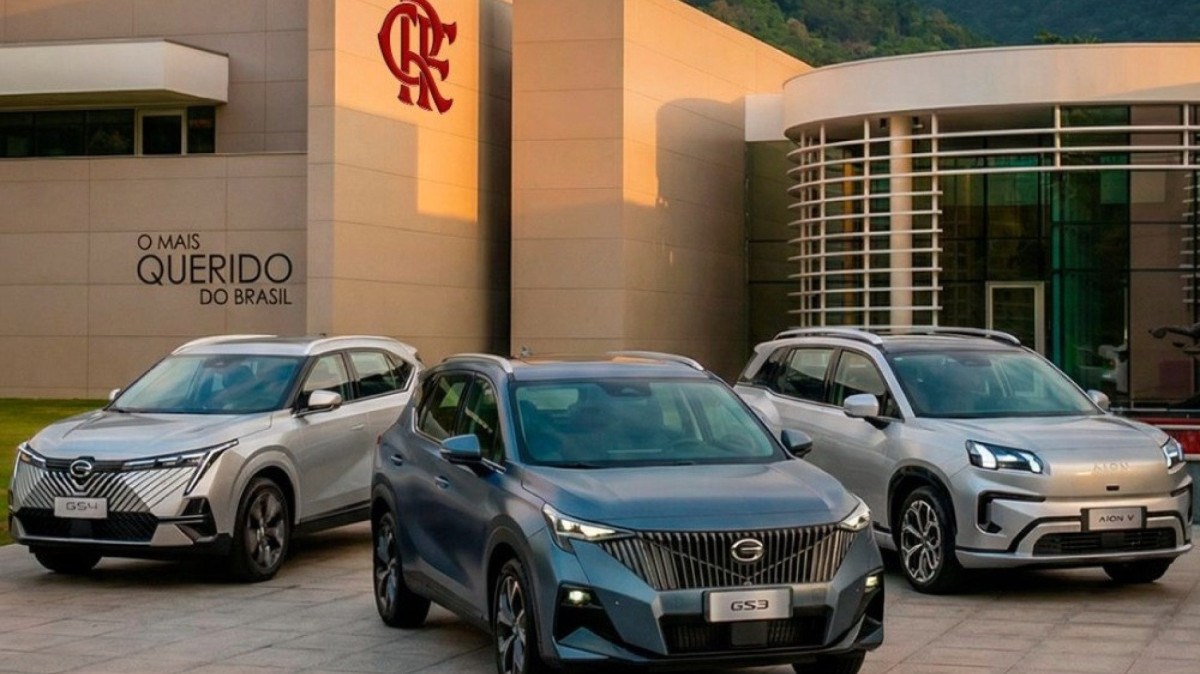
After launching the new GS3 with a 1.5 turbo engine producing 170 hp, GAC partners with Flamengo, enters the field with the largest fan base in Brazil, and accelerates an ambitious offensive to gain scale and confidence in the national market.
-
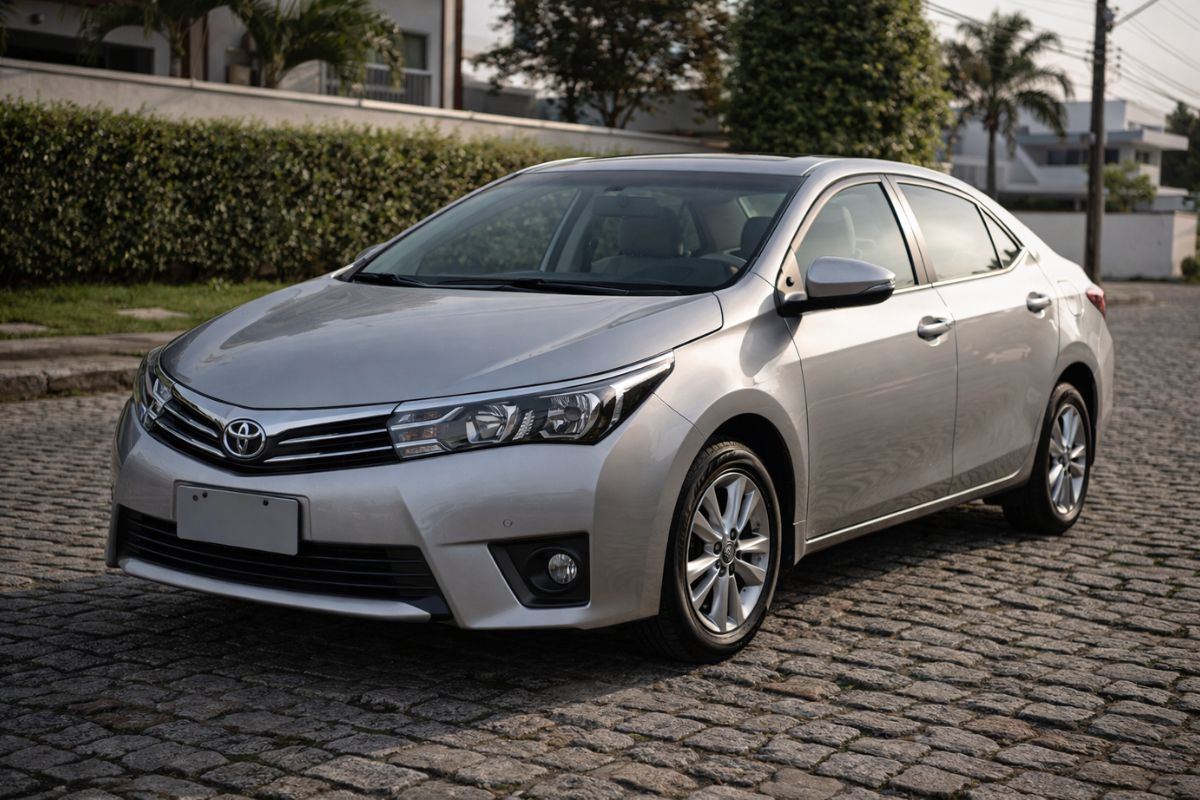
The Corolla from 2015 to 2019 depreciates so little that a 10-year-old model is still worth over 76 thousand reais, and owners treat this sedan as a safe investment thanks to its reputation for durability that no competitor has been able to match.
-
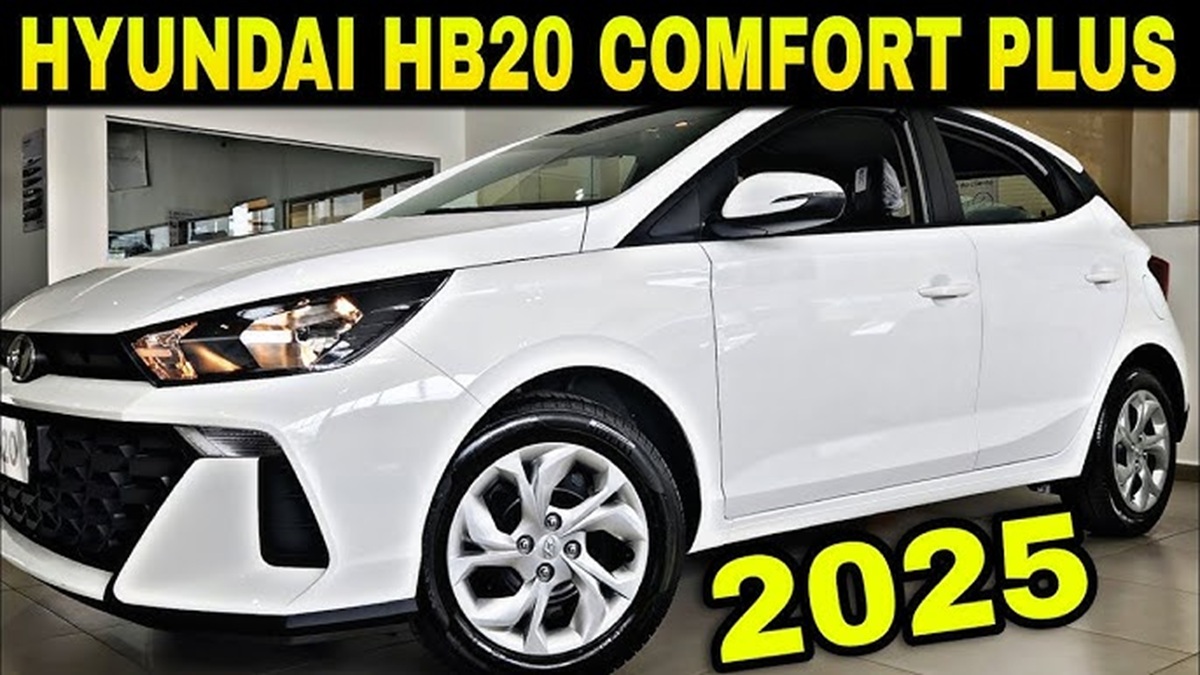
Is it worth considering a financed 2025 HB20 Comfort? A simulation with R$ 50,000 in the bank shows installments ranging from R$ 5,687 to R$ 2,365.
-
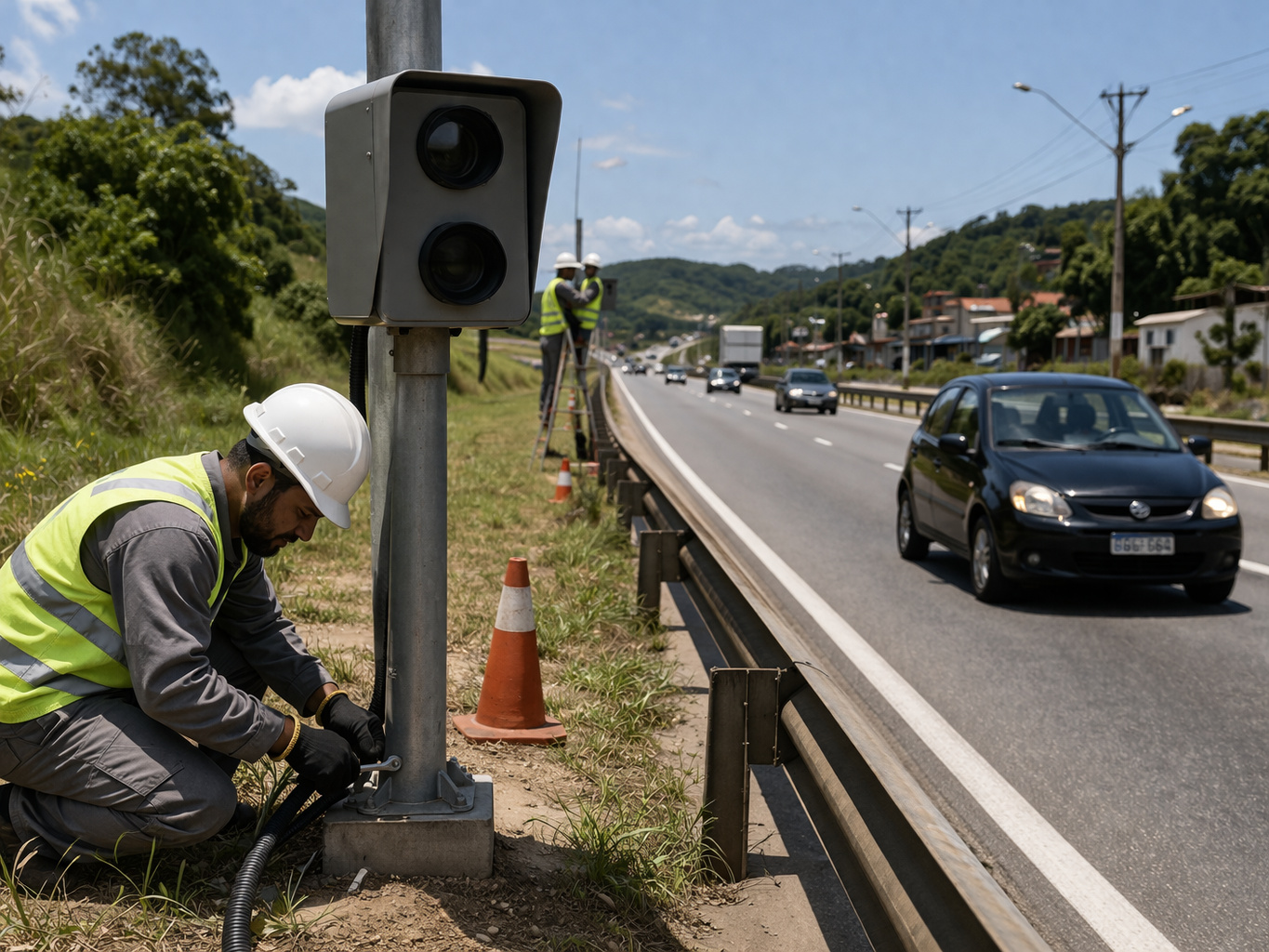
Road surveillance in Rio de Janeiro enters a new phase with the installation of more than 140 speed cameras on highways RJ-106 and RJ-104, and DER-RJ expands speed control in high-traffic areas.

Several projects have already been developed, including the WiTriCity project, which sees Siemens and Mahle as licensees and began tests in South Korea due to a partnership with Hyundai.
Wave, on the other hand, has started a project for a wireless charger for electric buses, while Israeli ElectReon, in collaboration with various partners, developed the Arena of the Future on the A35 Brebemi highway to enable cars to recharge while in motion.
Regarding electric cars, the IM L7 from China’s Alibaba is the first, and so far the only, electric car with native wireless charging. The vehicle has 540 hp of power, promises 1,000 km of range on a single charge, and is only available in China.
Companies Begin Testing for Wireless Charging
At the beginning of this year, Volvo tested a charging solution in Sweden that could enable parking an electric car and driving away with a fully charged battery without any wires.
Volvo is far from being the first company to test wireless electric vehicle charging systems. In addition to Siemens, Mahle, and Volvo, a company called Genesis has an SUV model that can be wirelessly charged, and BMW has been testing the technology for several years.
Volvo announced tests of the wireless charging stations in Sweden, with the testing program scheduled to last three years. The wireless chargers will be responsible for providing 40 kW of power, which is nearly the same as what most wired fast chargers provide.
New Ways to Extend Range
Focusing on extending the range of electric cars, the American company Laser Power System has started developing a propulsion system that uses thorium, an element similar to uranium, to generate energy to power the vehicle.
According to the company’s CEO, Charles Stevens, just one gram of the element can generate energy equivalent to 28,000 liters of gasoline.
The executive states that 8 grams would be enough for electric cars to have infinite range, and the small pieces of thorium were used for nuclear generation and positioned to create a thorium laser.









Seja o primeiro a reagir!