





 Português
  Inglês
  Espanhol
 2 min de leitura
  0 comentários


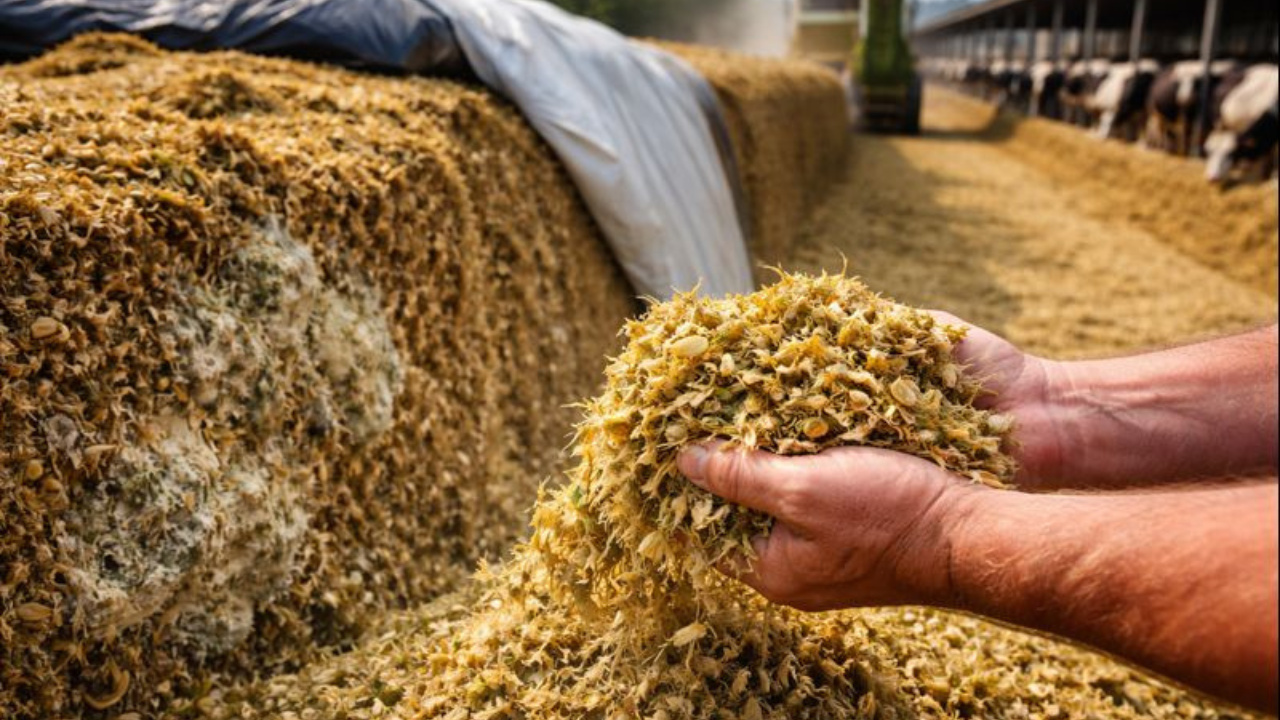
Ufla Study Shows That Bacterial Inoculants Reduce Fungi in Silage and Protect Animal Nutrition Against Mycotoxins.
A study conducted by scientists from the Federal University of Lavras (Ufla) revealed that the use of specific bacterial inoculants can reduce silage losses caused by fungi by up to 50%.
The study, led by Zootecnia professor Carla Ávila, has been ongoing since 2011 in southern Minas Gerais and seeks practical solutions to improve animal nutrition, reduce economic losses in the field, and decrease the risks associated with mycotoxins in the food chain.
The research addresses a recurring problem in Brazilian livestock: the growth of fungi in silage, which compromises the quality of the food provided to animals.
-
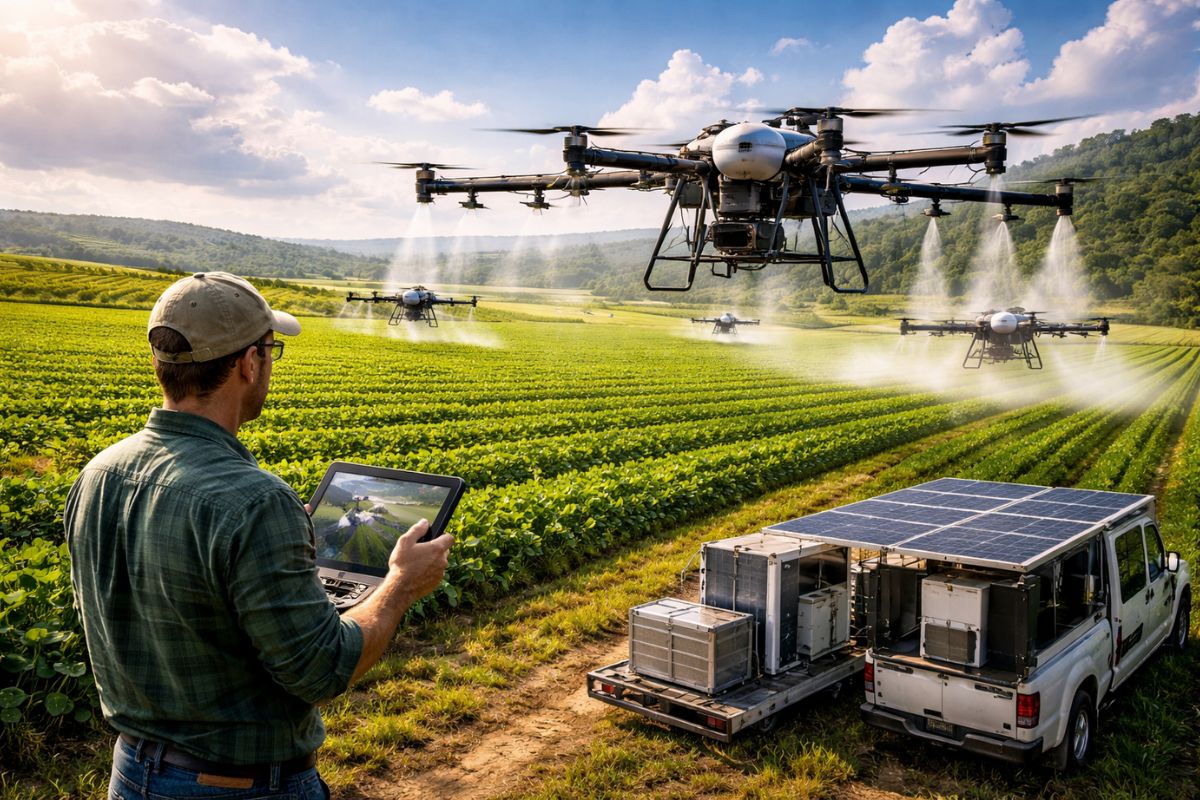
Alone, the producer applies 7,400 hectares with the T100 drone in an optimized structure, replaces the generator with a silent battery, and demonstrates how technology reduces costs, increases productivity, and even challenges the uniport in the field.
-
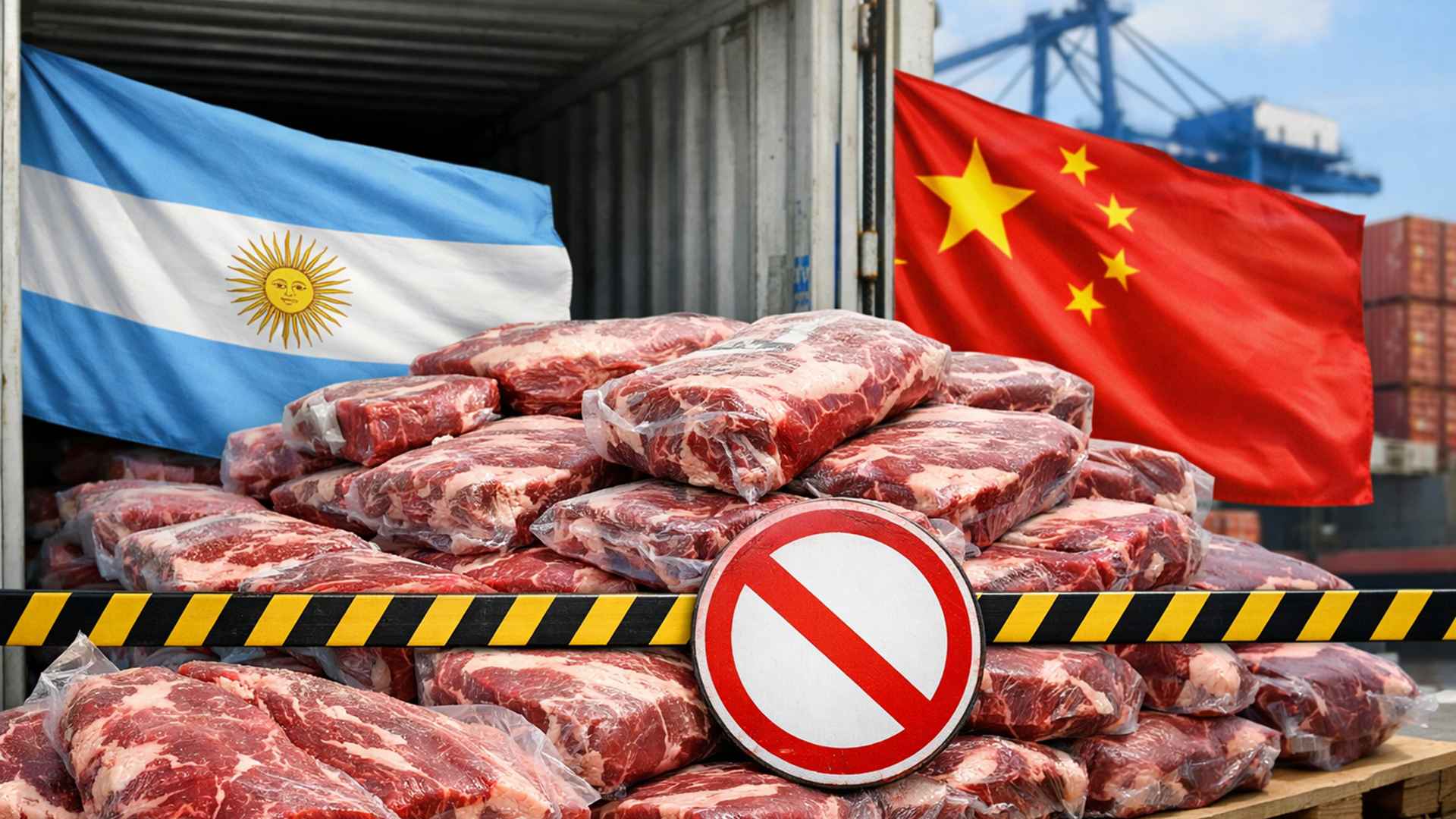
China banned the export of 22 tons of meat from Argentina.
-
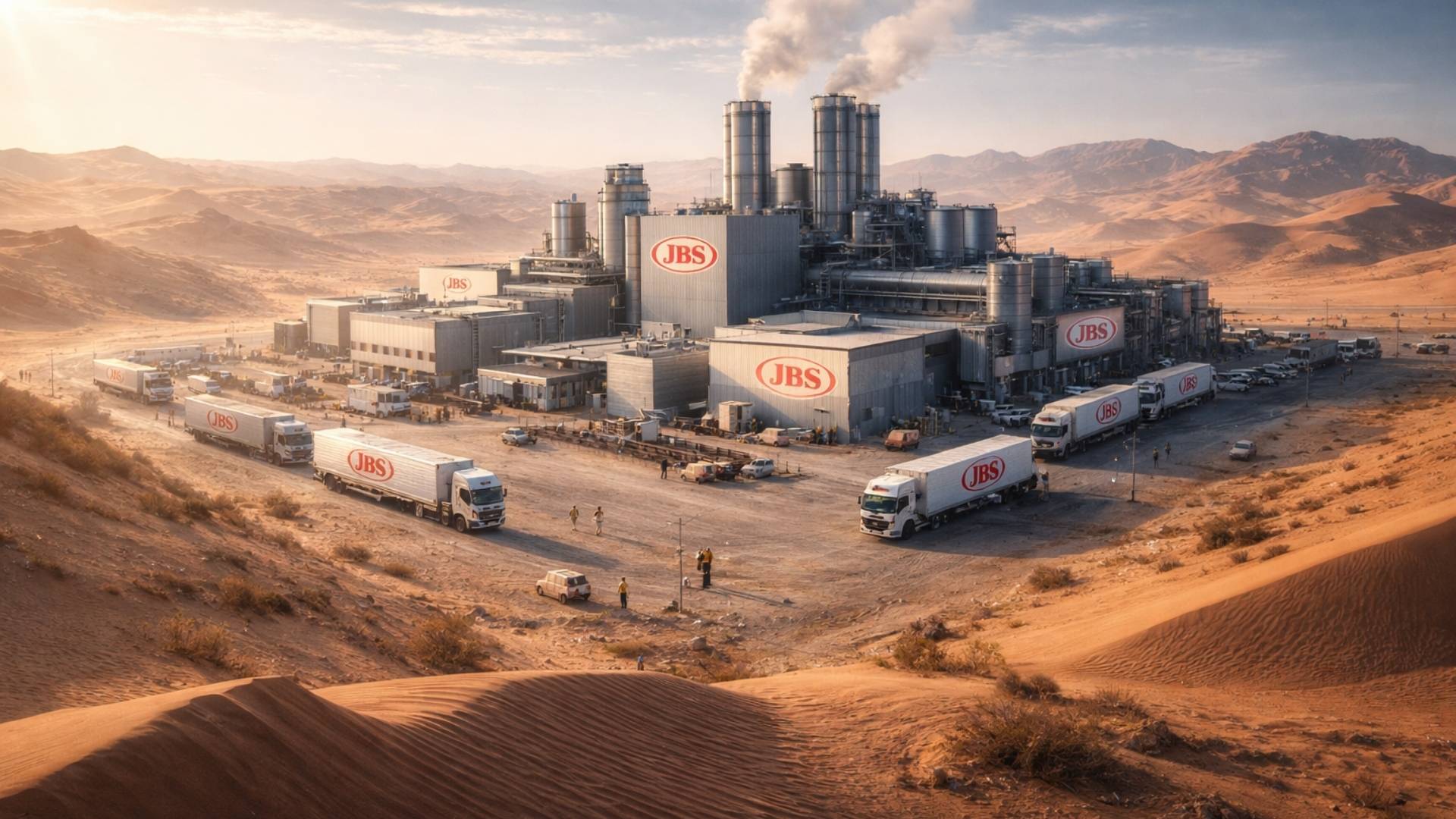
JBS, founded by the Batista brothers, continues to conquer the world: entrepreneurs built a ‘factory in the desert’ creating 3,000 jobs.
-
With only 1% of Brazil’s territory, Santa Catarina has built one of the most competitive industrial parks in the country, with 64,000 companies, nearly 1 million jobs, and a growth rate of 5.3% while the national industry is practically stagnant.


According to the researchers, the correct application of bacterial inoculants directly affects the fermentation process, limiting the development of unwanted microorganisms and preserving dry matter.
Fungi in Silage Generate Economic Losses and Health Risks
Silage is a fermented feed widely used in cattle feeding, especially in intensive systems. However, when the process does not occur properly, significant losses occur.
“The less loss in silage, the better.
If you have 100 tons of a feed, for example, if the fermentation is poor, it produces a lot of CO2, fungi grow, and when you take it out, you lose 10%, so you end up with 90 tons.
There is an average loss of 8% to 10%, and the use of inoculants can reduce losses by up to 50%,” stated the study leader and professor of Zootecnia, Carla Ávila.
These losses affect not only the available volume. The presence of fungi in silage compromises nutritional quality and can generate toxic substances.
Bacterial Inoculants and Fungi Control
Throughout the study, the Ufla team evaluated different bacterial inoculants. Among them, one strain showed promising results in controlling fungi in silage.
According to the researcher, these bacteria act in a dual manner.
In addition to producing lactic acid, essential for proper fermentation, they also generate acetic acid, known for its antifungal action.
This compound inhibits the growth of filamentous fungi, such as molds and blights, common in poorly preserved silages.
Thus, the use of bacterial inoculants improves feed stability, reduces dry matter losses, and contributes to better silage.










-

-

3 pessoas reagiram a isso.