





 English
  Francês
  Alemão
  Italiano
  Japonês
  Norueguês
  Portuguese
  Spanish
  3 min of reading
  0 comments


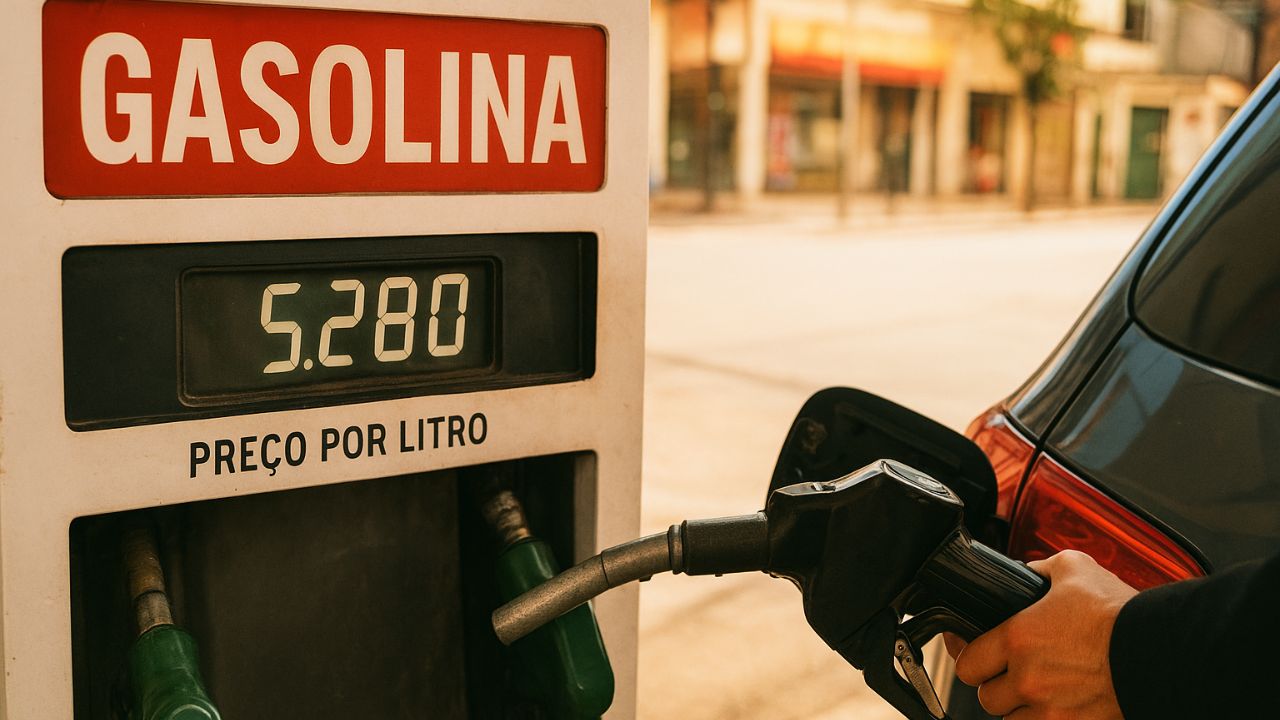
Petrobras Gasoline Is Up to 10% Above International Parity, While Diesel Remains Cheaper. Market Analyzes Cross-Subsidy.
The Petrobras is facing new questioning from the market regarding its fuel pricing policy. In recent weeks, the state-owned company has priced gasoline up to 10% above international parity, while diesel appears cheaper, raising suspicions of a possible cross-subsidy.
The discussion gained momentum after the recent drop in Brent crude oil prices, which remain close to US$ 60 per barrel, a scenario that usually favors reductions at the pumps.
According to the Brazilian Association of Fuel Importers (Abicom), the price of gasoline at Petrobras refineries is disconnected from the external market.
-
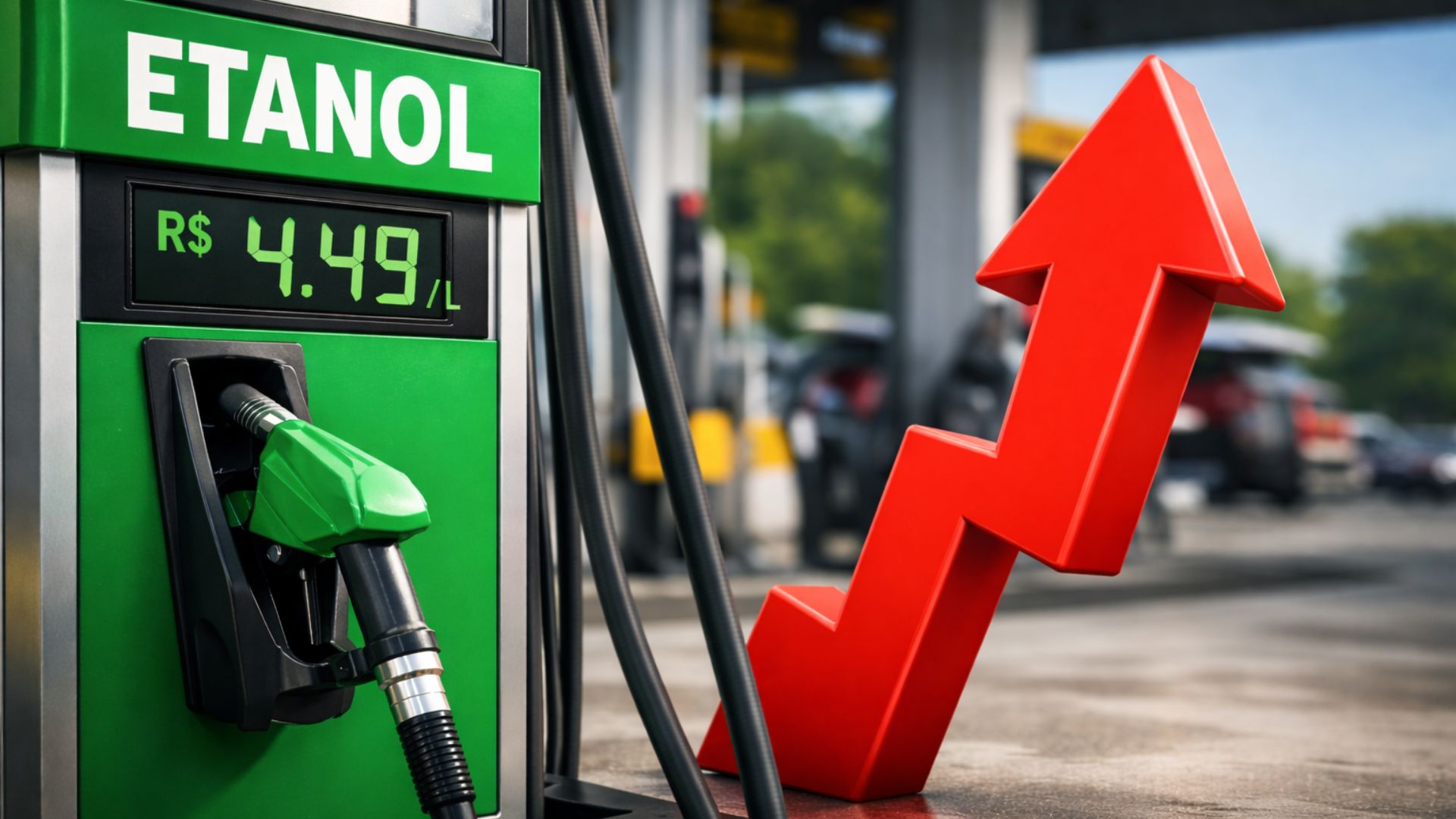
Ethanol Price Rises in 15 States and Remains Competitive in Only One: See Where Ethanol Beats Gasoline, ANP Data, and Impacts on the Brazilian Fuel Sector
-
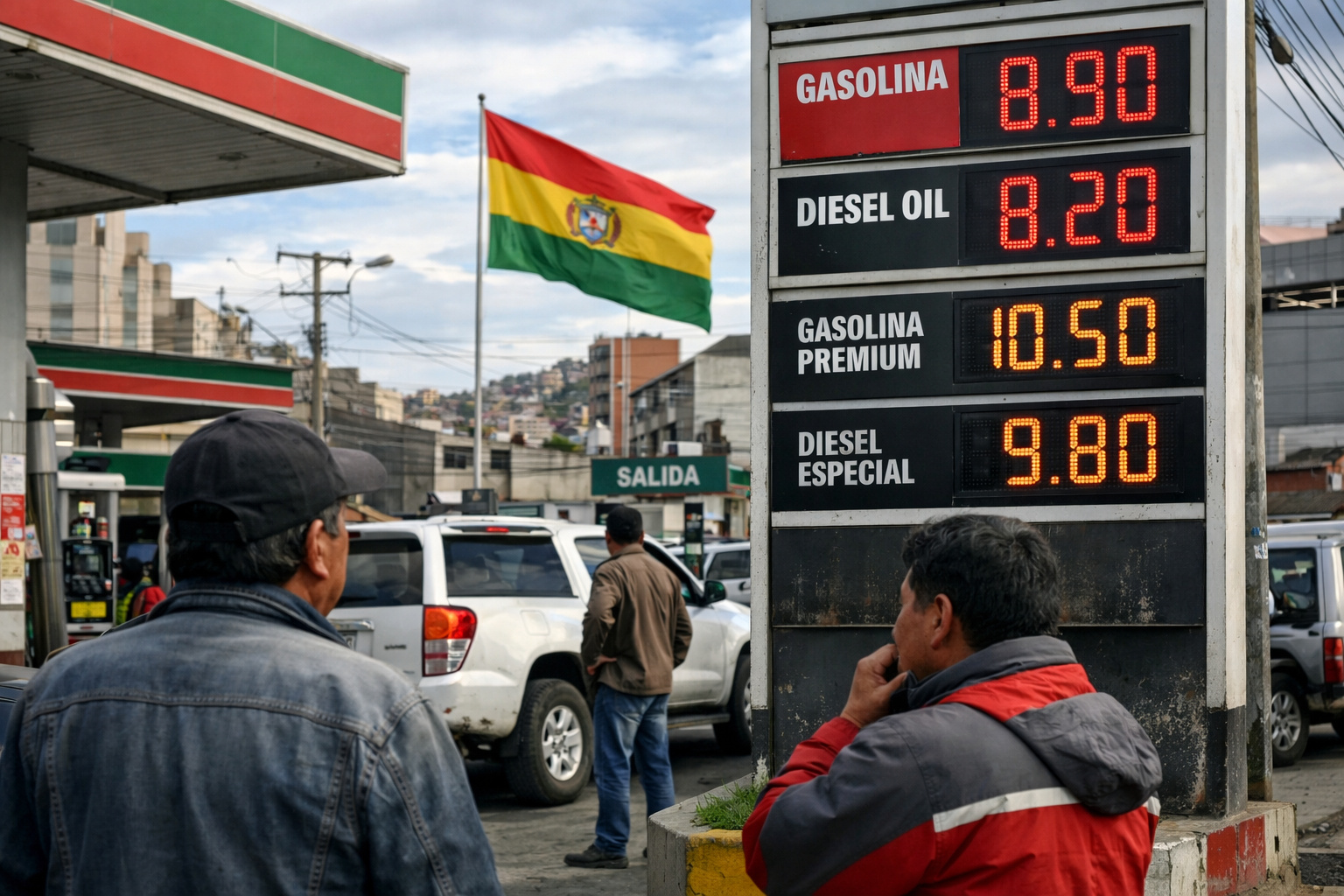
Bolivia Declares National Emergency, Ends Fuel Subsidies, and Prepares Up to 100% Increase in Gasoline and Diesel Prices
-
Brazilian Fuel Market Drives EPE’s New Projections for 2025 and Advances in Diesel, Ethanol, and Aviation
-
ANP Fuel Supply Oversight: Strategic Partnership with Ipem-SP Aims to Enhance Safety, Georeferencing, and Control in the Fuel Market

The Brazilian Center for Infrastructure (CBIE) estimates that diesel is being sold up to 1.43% below parity, while other analyses indicate discounts that can reach 7%.
Petrobras Pricing Strategy Raises Doubts
The disparity between the prices of the two fuels has generated interpretations of a possible internal compensation.
According to Abicom’s president, Sérgio Araújo, Petrobras is allegedly practicing cross-subsidy, meaning it is using gasoline profits to cover losses with diesel.
He emphasized that any reduction in gasoline prices could force the state-owned company to raise diesel prices.
“We do not know exactly the criteria for pricing. There seems to be a cross-subsidy since diesel prices are below parity. It is difficult to answer whether the company will or will not reduce gasoline prices, as a reduction in gasoline might indicate a need to raise diesel prices,” Araújo stated this week.
Petrobras’ last adjustments occurred months ago: in May, diesel decreased by R$ 0.16 per liter, and in June, gasoline saw a reduction of R$ 0.17.
Since then, there have been no new signals of adjustments, which has fueled speculation about future changes.
Reaction from Petrobras CEO and Market Stance
Petrobras’ president, Magda Chambriard, commented on the situation on her social media without detailing the pricing policy.
She posted a graph showing the decline in oil barrel prices and the phrase: “A picture is worth a thousand words”.
The message was interpreted as an indirect response to criticisms regarding the lag in gasoline and diesel prices.
Meanwhile, the market remains vigilant. BTG Pactual stated in a report that it considers Petrobras’ pricing policy disciplined and consistent, prioritizing long-term averages over daily variations in international parity.
Possible Adjustments on the Horizon?
If Brent stabilizes around US$ 62 per barrel, BTG estimates that Petrobras could reduce gasoline prices by 5% to 10%, assuming the scenario remains consistent.
As for diesel, the forecast is for a adjustment between 0% and 5%, approaching average import values.
The Bank of America also analyzed the recent behavior of prices and concluded that, since the end of June, Petrobras has operated with gasoline above parity and diesel below.
Year-to-date, the bank estimates that the average gasoline premium is 4.1%, while the diesel discount stands at 2.1%.
Petrobras Pricing Policy Remains Under Observation
Despite the discrepancies in estimates, experts agree that Petrobras seeks to achieve balance between profitability and market stability.
However, the strategy poses challenges for the fuel sector, which is cautiously observing the impact of this policy on importers and the end consumer.
As gasoline and diesel remain at different levels, analysts assert that any adjustments will depend on the behavior of international oil prices and the hedging strategy adopted by the state-owned company.
For now, the market continues to await the next move from the company.










Seja o primeiro a reagir!