





 Portuguese
  English
  Spanish
  4 min of reading
  0 comments


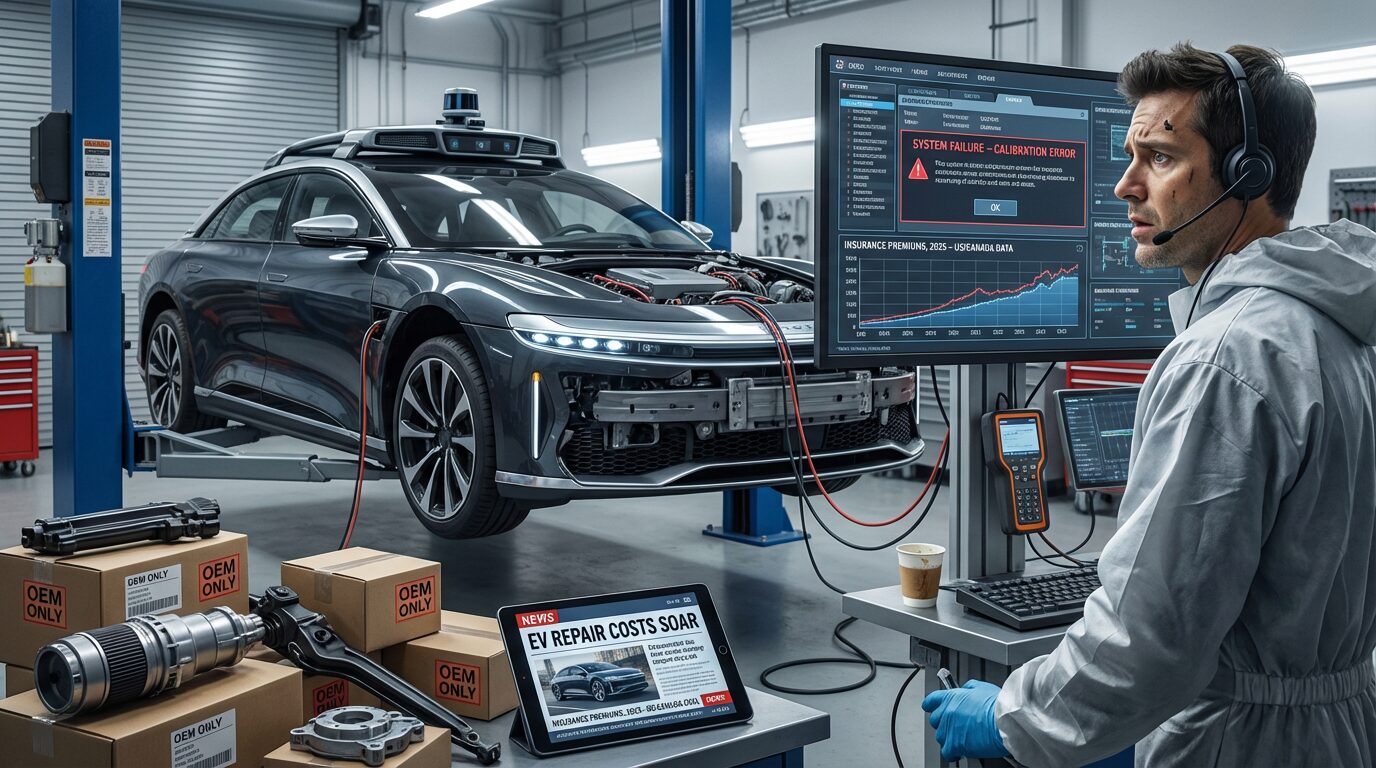
Repair Requests For EVs Rise 14% In The US And 24% In Canada In 2025, More Calibrations And OEM Parts Put Pressure On Premiums, Says Mitchell.
The claims involving electric cars grew strongly in 2025 and raised the alarm for insurers. According to Mitchell, collision repair requests with EVs grew 14% in the United States and 24% in Canada, putting pressure on costs and deadlines across the repair chain.
The movement occurs at the exact moment when the EV market is slowing down. Estimates from Cox Automotive indicate a decline of about 2% in the sales of new electric vehicles in the US, while S&P Global Mobility recorded a drop of 0.4% in new registrations, in a scenario of an end to incentives and a migration of some consumers to hybrids.
According to Ryan Mandell, an executive at Mitchell, denser electric architectures, software-driven systems, and designs filled with sensors require diagnostics and additional calibrations, raising complexity and repair time. In 2025, EVs had, on average, 1.70 calibrations per estimate, compared to 1.63 for hybrids and 1.54 for combustion vehicles.
-
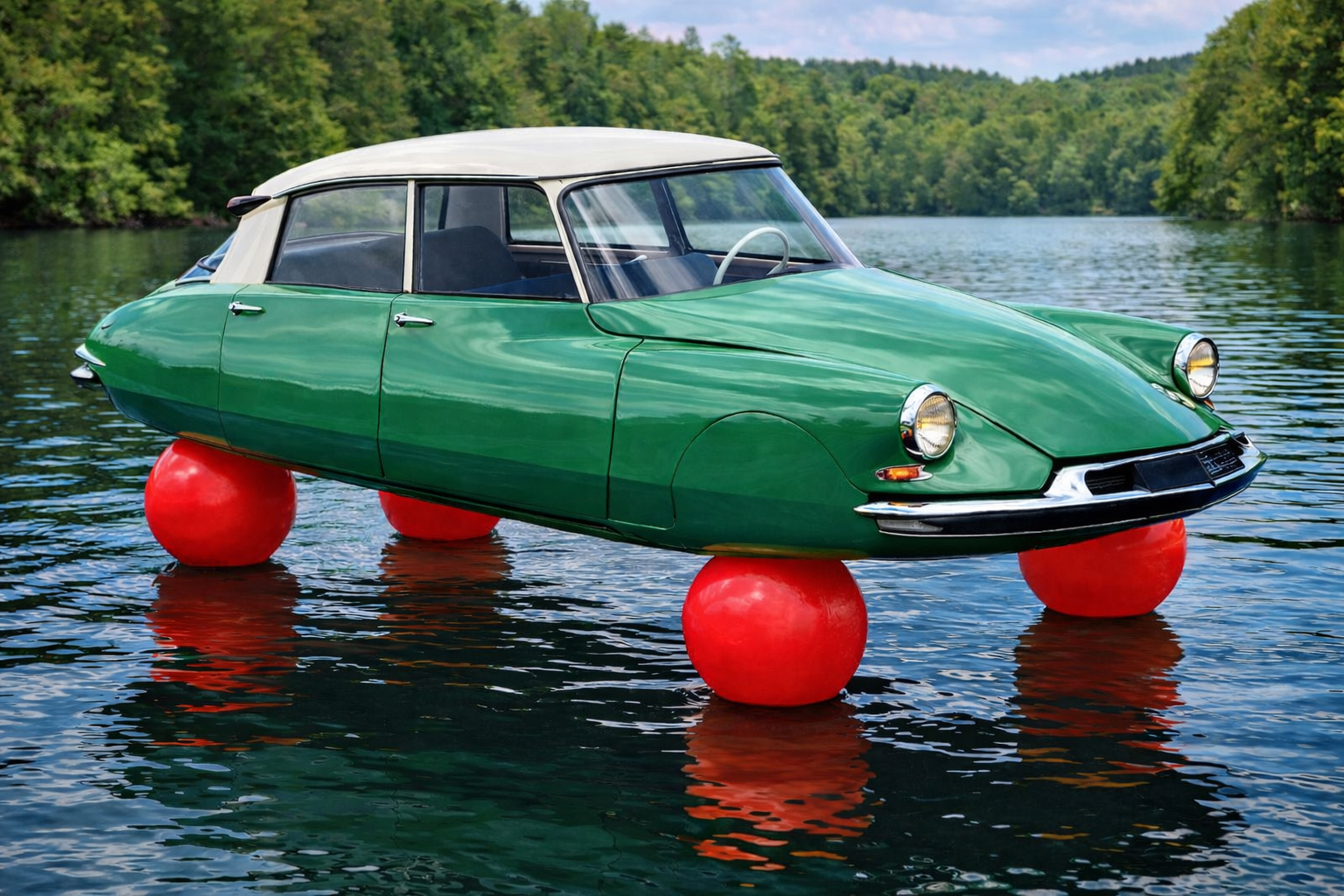
A French brand placed a car on four huge red balloons to prove that its suspension made the vehicle “float,” and the surreal scene became one of the most iconic and unusual images in automotive history.
-
Jeep Avenger begins production in Brazil, debuting as the brand’s new entry-level SUV and inaugurating an unprecedented phase by becoming the first national Jeep manufactured outside of Goiana, as part of a R$ 3 billion plan.
-
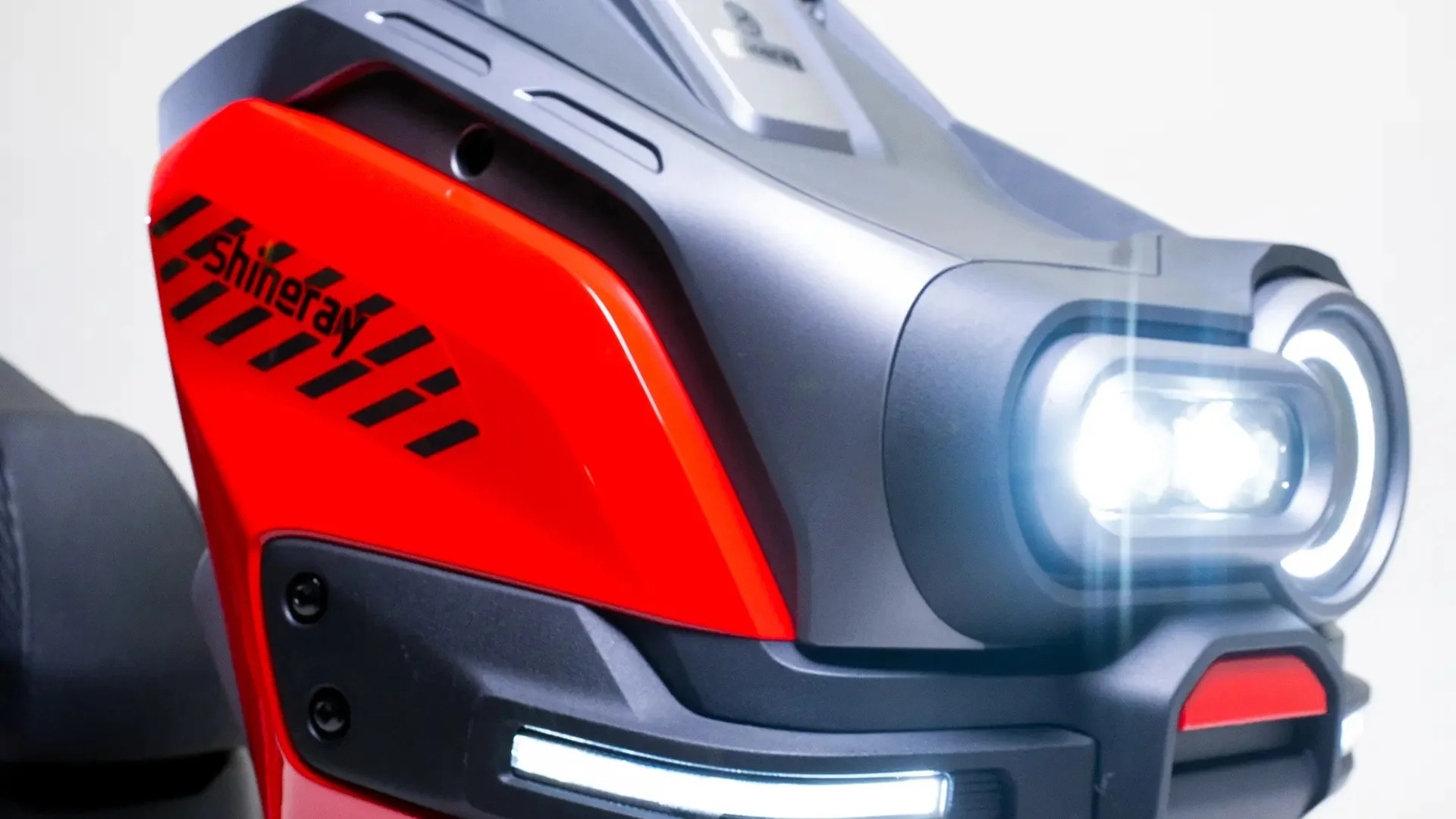
Costing R$ 12,490, the new Shineray Urban Lite 150 “cheap one” arrives in Brazil with a CVT transmission, digital dashboard, and LED lights, making it more affordable than the Biz and targeting those who want to abandon the bus.
-
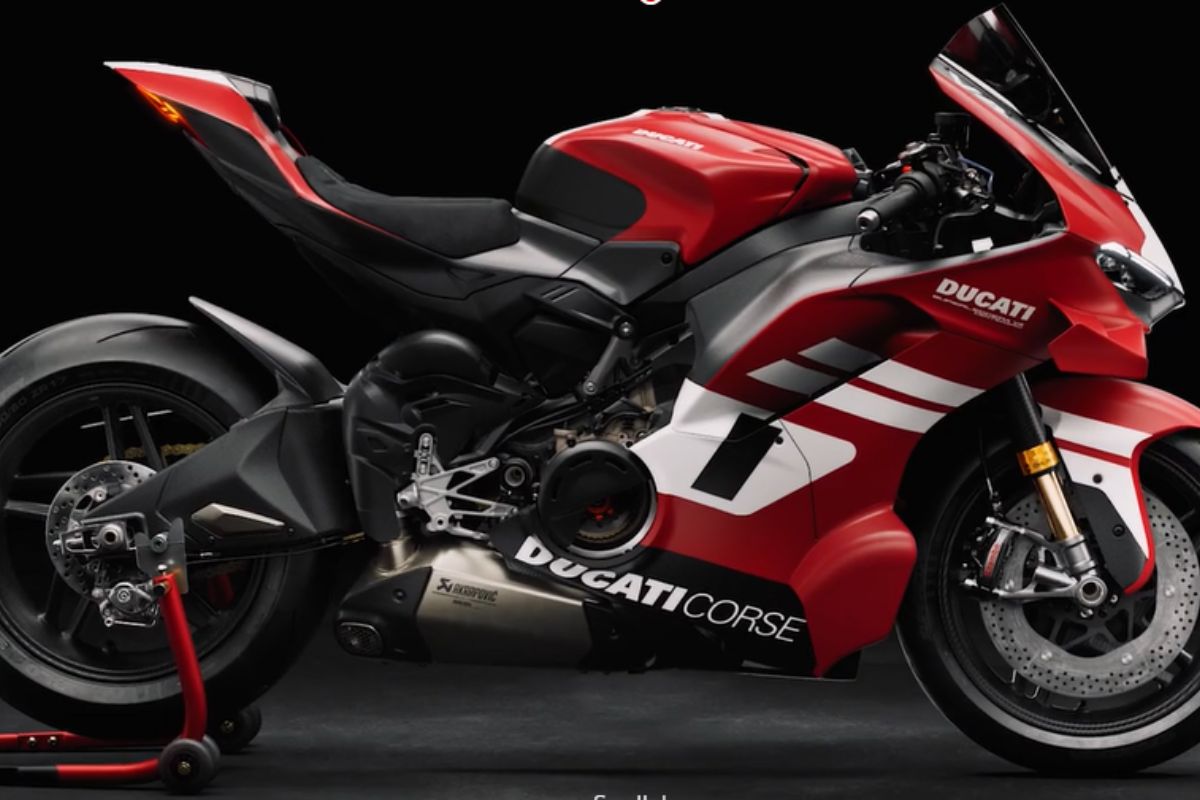
Ducati brings to Brazil the Superleggera V4 Centenario: 228 hp that become 247 with a track kit, carbon fiber and carbon-ceramic brakes, estimated price between R$ 1.5 and 2 million, deliveries only in 2027.

Calibration, in this context, is the process of readjusting and testing sensors and electronic systems of the vehicle after a repair. This extra step helps ensure the safety and proper functioning of driving assistants but adds labor, equipment, and bureaucracy in the workshop.
Repair Cost, OEM Parts, And Effect On Workshop
There is limited relief amid the pressure. In the US, the average cost of repairing EVs fell 5% in 2025, from about R$ 35,000 to approximately R$ 33,500, according to Mitchell. In Canada, the reduction was 2%, while combustion vehicles and plug-in hybrids remained virtually stable in the US, and light hybrids rose to around R$ 26,500.
Another cost driver is found in the parts. For electric vehicles, 86% of the spending on components goes to original factory items, and only 13% are considered repairable. In combustion cars, the ratio is more favorable, with 62% of original parts and 15% considered repairable, according to Mitchell’s Plugged-In, EV Collision Insights report.
In practice, more original parts mean higher prices, lower availability, and longer timelines. Add to that the need for proprietary software, specific equipment, and trained technicians, and the cost of the claim tends to increase significantly.
Claims By Type Of Powertrain And Where They Happen
Repairable claims also grew among electrified vehicles beyond pure electric ones. Plug-in hybrids increased 6% in the US and 26% in Canada, while light hybrids rose 20% and 29%, respectively. In the case of light hybrids, the jump is partially explained by a 28% increase in sales in the US, enlarging the base exposed to collisions.
Geographically, the highest concentration of EV repairs in North America appears in British Columbia, with 8.48% share, followed by Quebec, with 8.21%, and California, with 6.58%, according to Mitchell. These regions combine a larger electrified fleet and intensive use, which drives demand for specialized workshops.
Tesla Loses Ground And The Most Involved Models
Even Tesla was not spared from the market mood shift. The brand’s share in the US shrank from 48.7% to 46.2% in 2025, as rivals gained ground with new launches and more aggressive pricing.
Among the models, Tesla still dominates the volume of repairable collisions of electric vehicles in the United States. The Model Y accounts for 30.32% of EV claims, reflecting its role as the sales leader in the category.
Close behind, the Model 3 concentrates 27.01% of occurrences in the American market. The high presence of the two models in the fleet explains part of the statistical weight.
In Canada, the pattern shifts slightly. The Model 3 leads with 26.03% of repairable claims, closely followed by the Model Y, with 25.91%, according to Mitchell data for 2025.
For insurers, the concentration in a few models simplifies pricing by experience but increases the risk of severity in case of rising parts costs, logistical bottlenecks, or software updates requiring new calibrations.
Total Loss And Resale Price Declining
When the claim becomes a total loss, the impact falls on market value. In the US, the average price of EVs declared total loss dropped 6%, from about R$ 157,700 to approximately R$ 147,500 in 2025, according to Mitchell.
Combustion vehicles experienced softer declines, with averages close to R$ 72,700 in the US and R$ 62,800 in Canada, while hybrids gained value in the US but lost ground in Canada. Analysts attribute the sharper declines of EVs to accelerated depreciation, the arrival of cheaper new models, and changes in consumer sentiment regarding mass electrification.
The combination of lower residual value and higher repair complexity may increase the frequency of total losses in moderate collisions. This directly affects actuarial costs, with repercussions on deductibles, premiums, and acceptance policies.
For the secondary market and salvage auctions, lower prices may attract buyers, but the need for original parts and post-repair calibrations limits the margin for reconditioning.
Electric Car Insurance, Pressure On Premiums, And Next Steps
With the frequency of claims rising and severity driven by more calibrations and original parts, insurers tend to revise prices and coverages for EVs. According to Mitchell, consolidated data from 2025 indicate a relevant and persistent pressure on insurance costs, an effect that may spread globally as the electrified fleet grows.
Reducing risk involves enhancing repairability, stimulating supply chains with certified alternative parts, and training labor for diagnostics and calibrations. In the short term, however, the learning curve and availability of components suggest that premiums will remain pressured, while Cox Automotive and S&P Global Mobility point to a market in more cautious transition.
Will EV insurance become more expensive, or will automakers and workshops be able to quickly cut costs? Leave your comment and say who should absorb this cost during the transition, whether insurers, automakers, or consumers. The debate over parts pricing, repairability, and depreciation promises to shake up the market in 2025.










-

Uma pessoa reagiu a isso.