





 English
  Francês
  Alemão
  Italiano
  Japonês
  Norueguês
  Portuguese
  Spanish
  3 min of reading
  0 comments


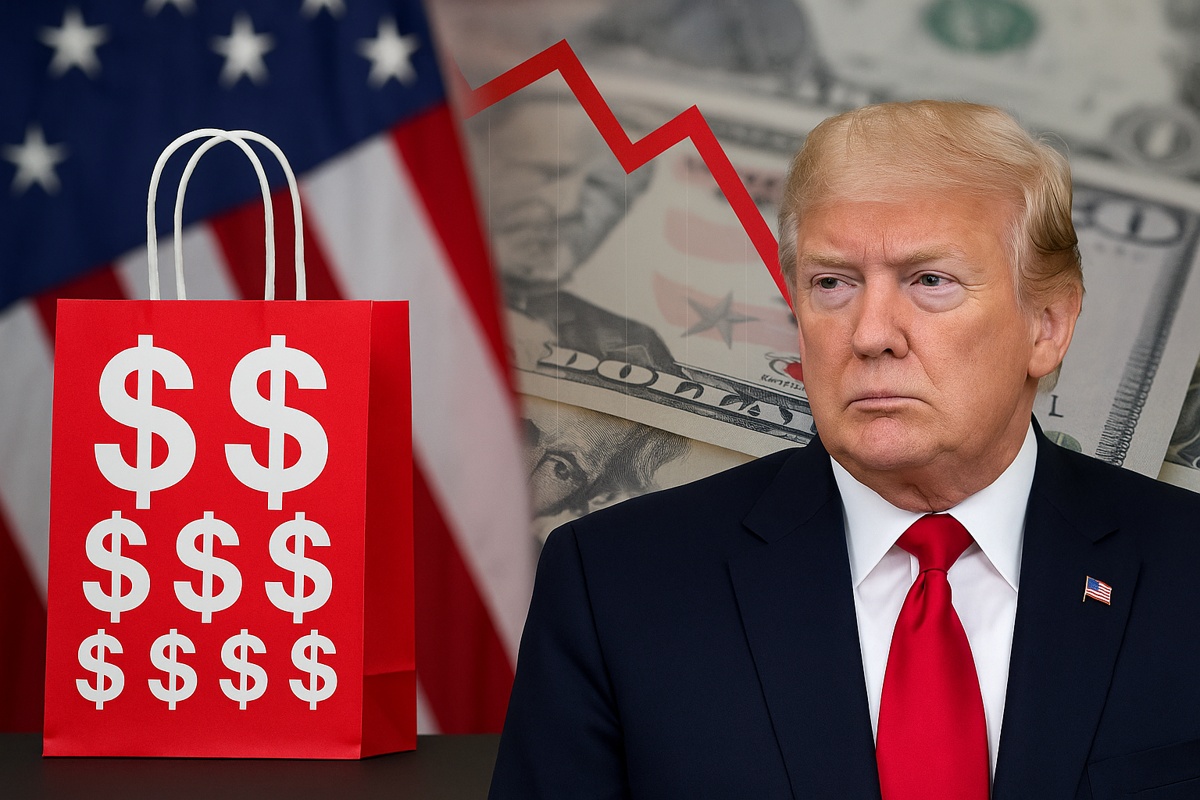
The Impact of Trump’s Tariffs and How They Affect the American Economy
Since February 2025, when Donald Trump initiated his new round of tariffs, the effects of the tariffs have begun to spread throughout the U.S. economy.
Small businesses, consumers, tax revenues, and even the U.S. dollar are already feeling direct impacts. The official data is from the U.S. Chamber of Commerce.
The analyses were updated on September 3, 2025, by columnist Diogo Schelp from Veja, reinforcing the dimension of the economic effects. See below the impacts the U.S. has been facing:
-
Unemployment rises again to 5.8% at the beginning of 2026, raising alarms about the end of temporary positions and its impact on the Brazilian job market.

-
Document organization can cut invisible costs in small businesses, a simple step that prevents waste, rework, and losses in daily operations.

-
Chinese giant worth nearly R$ 4 billion that manufactures cables for electric cars, solar energy, and robotics wants to open a factory in SC.

-
Many employers do not know, but the law guarantees domestic workers a 25% increase in salary during trips, 50% for overtime, 20% for night shifts, and 17 additional benefits that can lead to labor lawsuits if not paid.


Small Businesses Suffer Losses and Investments Decline
Since April, about 240,000 American businesses that rely on imports have already recorded average losses of US$ 90,000. The figures are from the U.S. Chamber of Commerce.
The estimate is that, by December, the average impact will reach US$ 856,000 per company. The increase directly reflects the financial fragility of these businesses.
Moreover, revenue dropped 13% in June, while private investment contracted 13.8% in the second quarter. The decline has affected the confidence of the production sector.
As a result, hiring has been delayed and the labor market has lost dynamism. The scenario generates caution and compromises future economic growth.
Trade Deficit Grows Instead of Receding
Despite Trump hoping to reduce the deficit, the result was the opposite. In July, the U.S. trade deficit rose 22.1% compared to the previous year.
The 7.1% increase in imports fueled this advance, while exports fell only 0.1% in the same analyzed period.
To avoid greater losses, companies anticipated purchases before the tariffs went into effect in April. Additionally, many redirected suppliers to other countries.
Imports of Chinese goods, for example, fell 48% in June 2025 compared to the same month of the previous year, according to surveys.
Cost of Living Rises with More Expensive Cars, Meat, and Toys
American consumers are also feeling the effects on their wallets. The average price of cars manufactured in the U.S. is expected to rise 14% by the end of 2025.
The increase is compounded by higher financing interest rates, which have gone from 6.6% to 7%. The average increase will be US$ 400 per vehicle.
Furthermore, the price of ground beef rose 12.8% in July compared to January. The reason is the smaller herd, strong demand, and tariffs.
The tariffs were 10% on imports from countries like Brazil and Australia. This directly raised the cost of the product for Americans.
Moreover, toys became 3.7% more expensive in just four months. The increase resulted from the tariffs on Chinese products, imposed in April.
Revenue Grows, but Does Not Cover Tax Cuts
The tariffs added US$ 65 billion to revenue between April and June, so the growth immediately shows the effect of the measure on public accounts.
If this pace continues, the extra revenue could reach US$ 189 billion by the end of the year; however, this amount is still insufficient.
In addition, Trump’s fiscal plan includes cuts that will cost US$ 590 billion annually, as the figure is much higher than the gain obtained from tariff surcharges.
Dollar Loses Strength and Confidence in the Economy Declines
From the beginning of 2025 until September, the dollar fell nearly 10% against a basket of foreign currencies. Thus, the currency lost competitiveness rapidly.
At the same time, the decline was accompanied by strong volatility in long-term government bonds. Additionally, the instability caused a significant capital outflow.
As a result, this movement signals growing distrust in the American government’s fiscal management.
Thus, the perception affects both domestic and foreign investors.










-

-

-

-

-

10 pessoas reagiram a isso.