





 Portuguese
  English
  Spanish
  2 min of reading
  0 comments


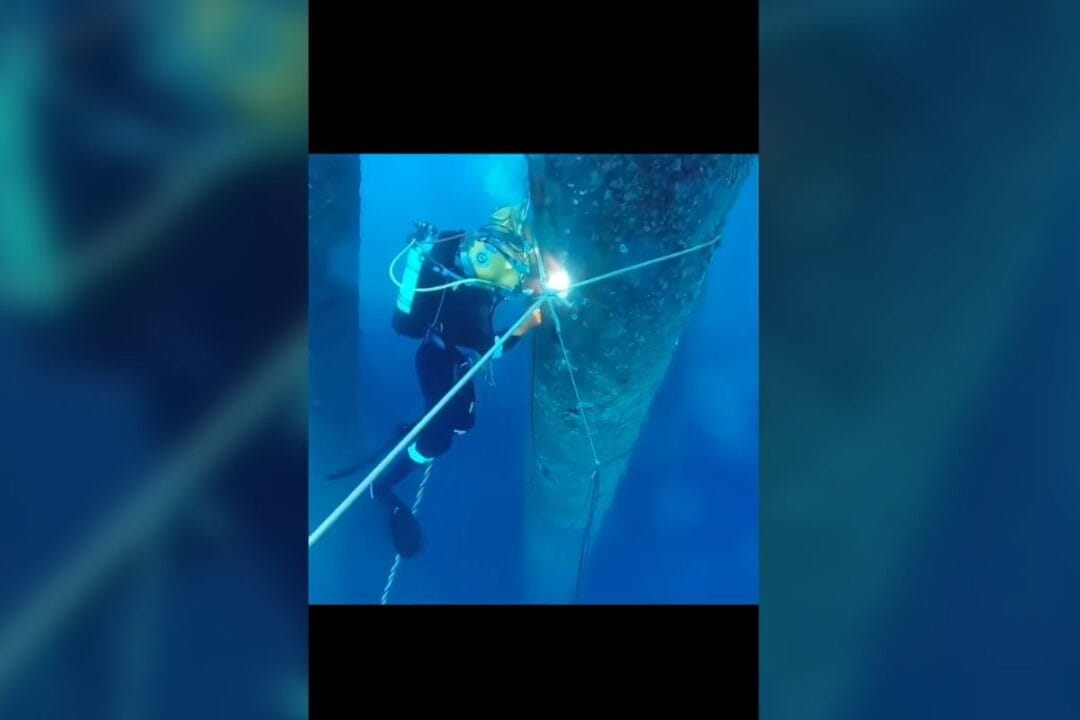
Underwater Welding Professionals Use Special Electrodes in Extreme Environments, Such as Oil Platforms. Understand Risks, Salaries, and Required Training.
Underwater welding is one of the most dangerous and lucrative professions in the offshore sector. In Brazil, qualified professionals earn up to R$ 30,000 per month to repair pipelines and platforms at depths of 300 meters. This technique, vital for the oil and gas industry, requires mastery of coated electrodes and resistance to temperatures below 5°C.
Dry vs. Wet Welding: Technical Differences and Applications of Underwater Welding
Dry underwater welding, known as hyperbaric welding, is performed in pressurized chambers. These environments isolate the water, allowing welds with quality equivalent to those made on land. It is the preferred option for depths over 300 meters, such as in pre-salt gas pipelines.
On the other hand, wet welding, performed directly in the water, uses special electrodes that maintain a stable electric arc even underwater. This version is faster but limited to 40 meters of depth and carries a risk of failures due to porosity.
-
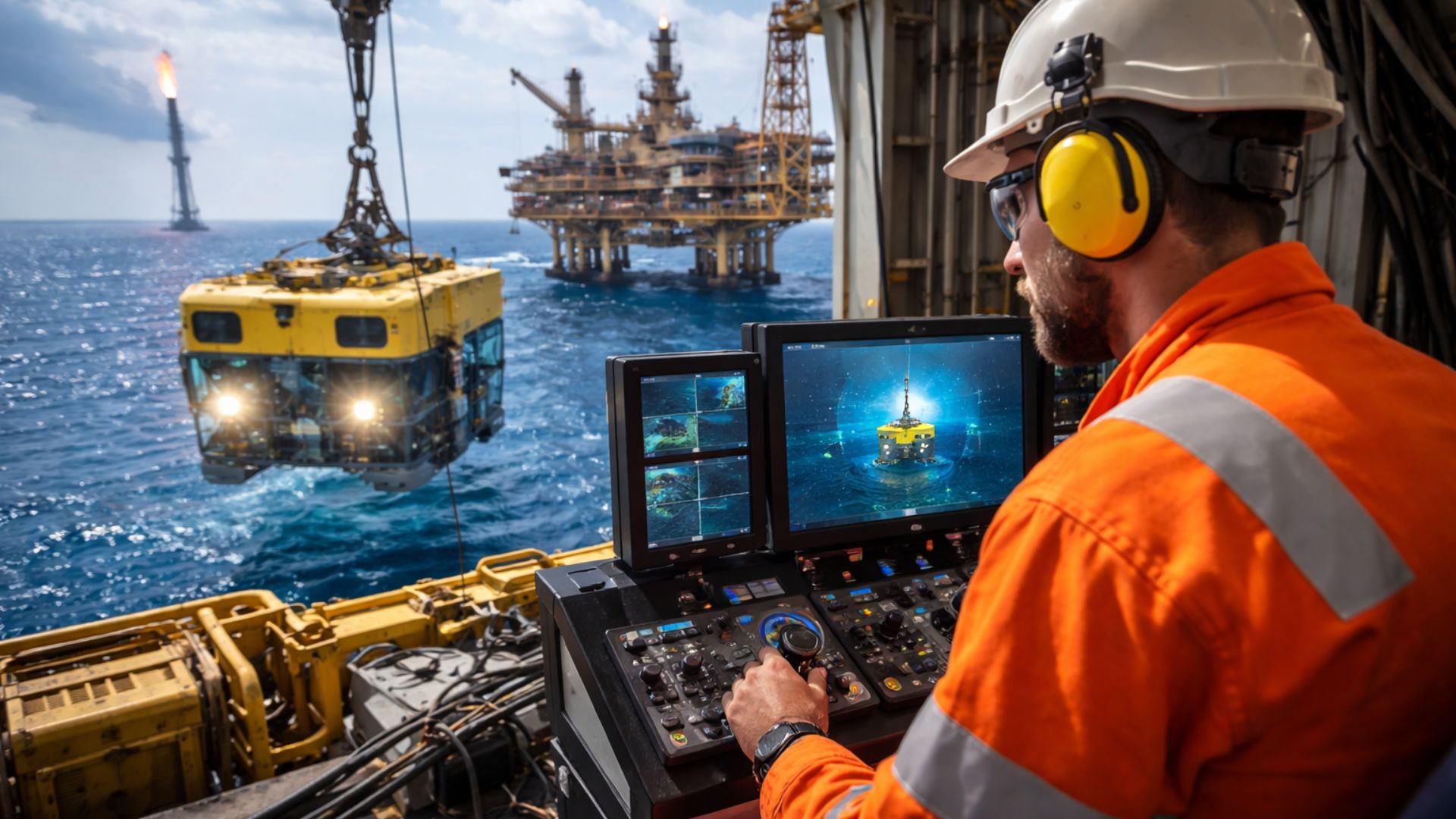
With Announcement for ROV Course in Partnership with Zen, Rio das Ostras Aims to Transform Technical Qualification into Real Jobs in the Competitive Offshore Market
-
Free Offshore Steward Course in São Gonçalo Emerges as a Strategic Opportunity for Those Seeking Qualified Work at Sea

-
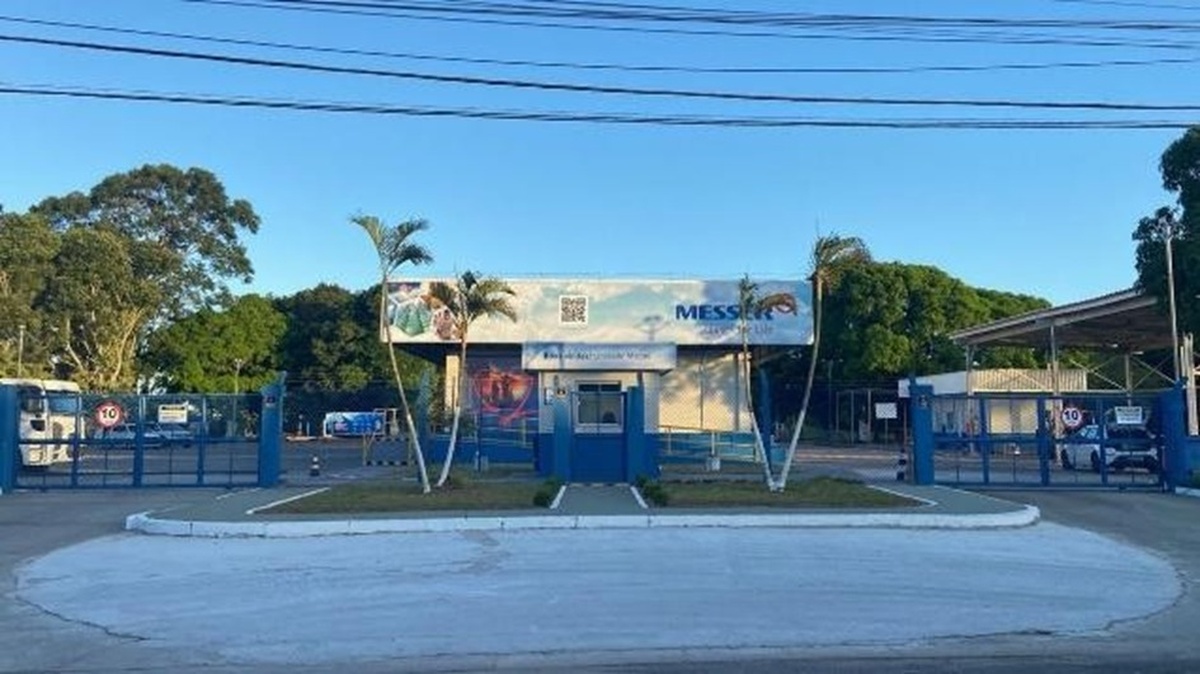
Messer Gases Reopens Branch in Macaé to Serve Offshore Oil and Gas Market in Northern Fluminense with Supply of Oxygen, Argon, and CO₂
-
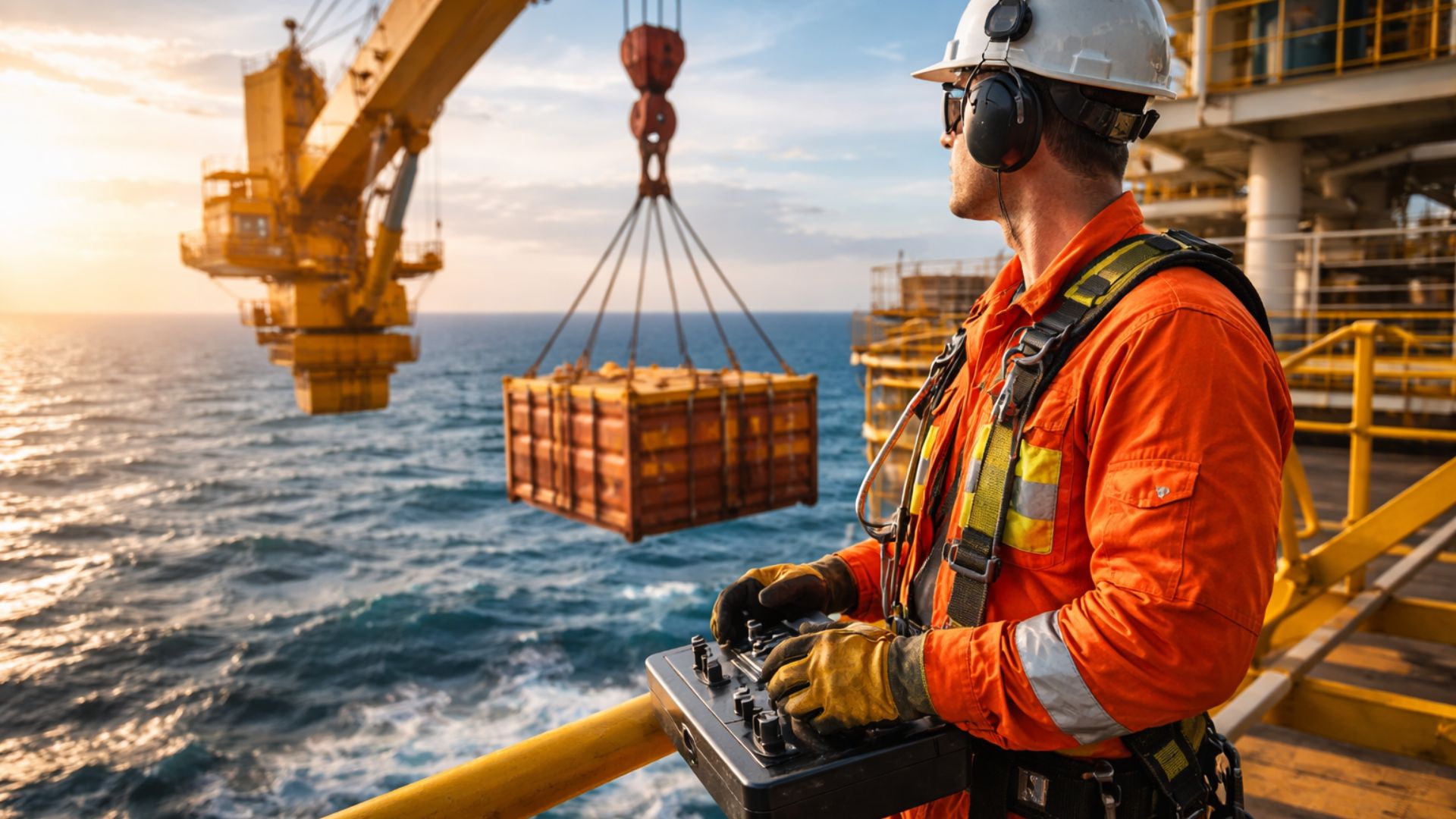
Offshore Profession Simplified: Comprehensive Guide Reveals How to Trade Common Routine for High Salaries and Long Breaks in Life Aboard in the Oil Sector

Extreme Risks: From Electric Shock to Underwater Pressure
Underwater welders face dangers such as electric shocks from equipment insulation failures. The build-up of hydrogen and oxygen during the process can generate explosions with sparks. At depths of 300 meters, the pressure reaches 30 times that of the Earth’s atmosphere, and near-zero visibility in murky waters increases the risk of accidents.
Required Training: 500 Hours and International Certification
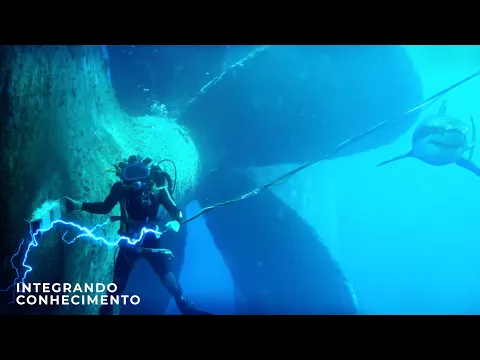

To work in underwater welding, certification AWS D3.6M, the international standard of the American Welding Society, or DNV, from Norway, is mandatory. Commercial diving courses total 500 practical hours, including training in submerged TIG and MIG welding. In Brazil, institutions like SENAI offer specialized training.
Expanding Market: Petrobras Hires 200 Professionals Per Year
The demand for underwater welding is growing with the exploration of pre-salt. Petrobras hires about 200 welders per year for platform maintenance. In Norway, annual salaries exceed US$ 100,000 due to projects in the North Sea. In the private sector, offshore wind energy companies are also seeking these professionals.
Underwater welding is essential for global maritime infrastructures, but requires technical precision and physical preparation. With the expansion of wind farms and gas pipelines, the profession is expected to grow by 15% by 2030, according to the Global Underwater Hub.









Seja o primeiro a reagir!