





 Português
  Inglês
  Espanhol
  3 min de leitura
  0 comentários


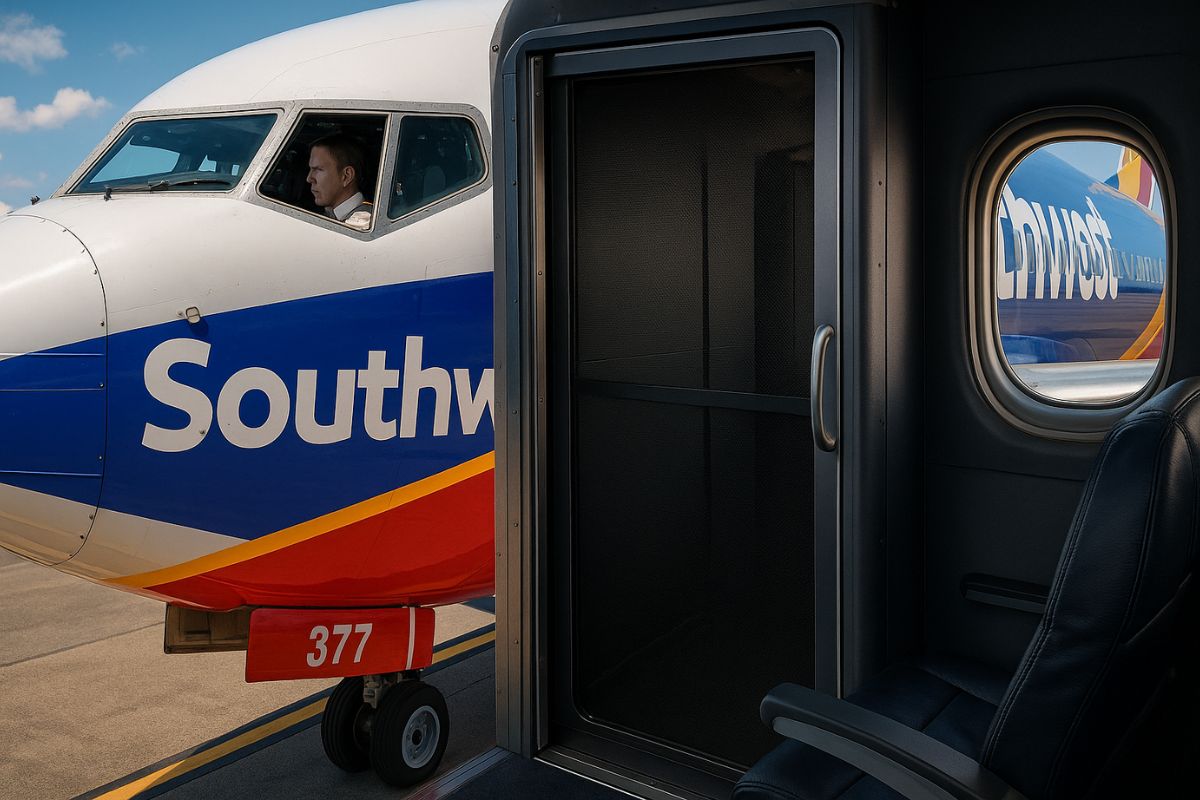
The Extra Barrier In The Cockpit, Thought Of After September 11, Only Began To Be Installed 24 Years After The Attacks, And Will Only Be Mandatory On All New Aircraft Starting July 2026.
Southwest Airlines has become the first airline in the United States to install the first mobile cockpit barrier, a security reinforcement promised since the September 11, 2001 attacks. The new feature was implemented on a newly received Boeing 737 Max 8, but the requirement for the entire fleet will only take effect starting July 2026, according to the FAA (Federal Aviation Administration).
According to the portal istoédinheiro, it is a mobile door that folds sideways, equipped with locks and small openings that allow visibility into the cabin. The aim is to prevent cockpit invasions during moments of vulnerability, such as when the main door is opened for crew entry or exit.
A Measure Expected For More Than 20 Years
The installation of the mobile barrier began to be discussed shortly after the September 11 attacks, when terrorists breached pilot cabins and used aircraft as weapons. Despite studies and pressures from aviation entities, the measure was only approved by law in 2023.
-
A bright yellow mushroom imported from Asia escaped from a cultivation farm in the United States in 2010 and is now aggressively spreading across 25 states, destroying entire communities of native fungi in American forests.

-
Buried under China, a colossal machine weighing 20,000 tons began operating as the largest neutrino detector on the planet and, in just 59 days, surpassed results that science took half a century to achieve.

-
Iran enters the center of a climate alert after the war emitted 5.6 million tons of CO2 in two weeks, surpassing the annual pollution of entire countries.

-
Lunar exploration may change after a Chinese probe finds a “cavity” of radiation that reduces the impact on astronauts by up to 20% at certain times on the Moon.
Nevertheless, the implementation has been delayed. The initial deadline, which began in August 2025, was extended to July 2026, allowing more time for airlines to adapt. Southwest, however, decided to get ahead to show that it can meet the requirement before the deadline.
How The Extra Barrier Works
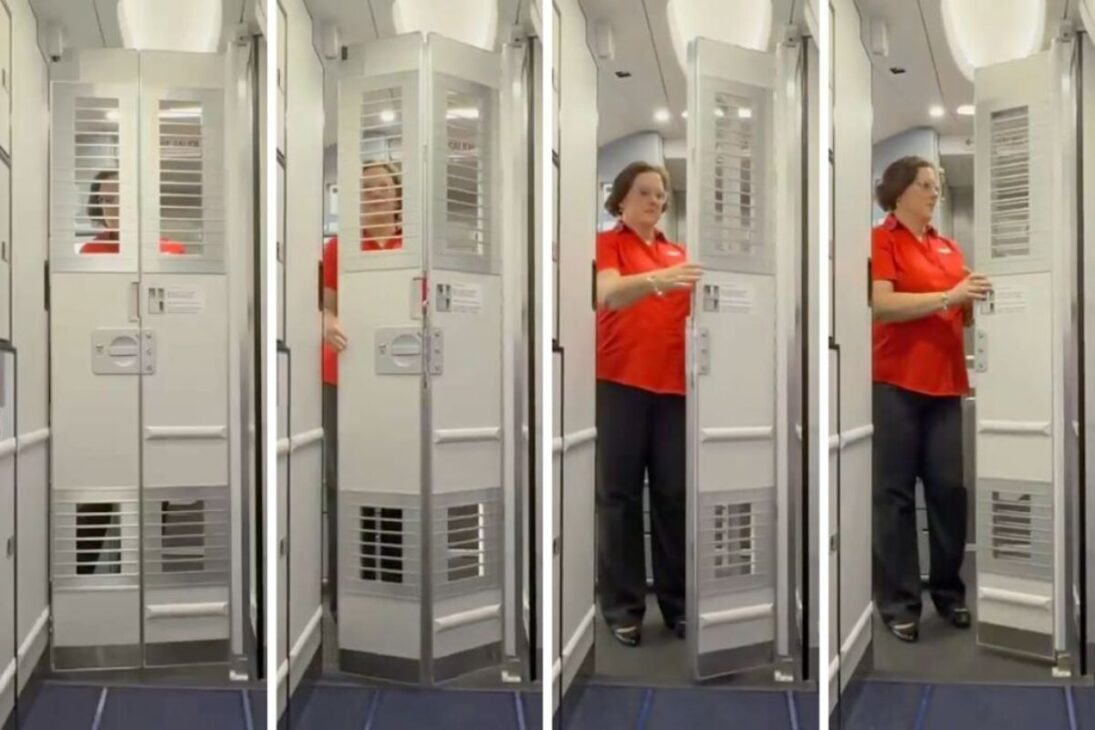
The new device works as a second line of defense. It is only used when the main cockpit door needs to be opened, creating an additional barrier against unauthorized access. Additionally, the structure is lightweight, foldable, and easy to operate, which avoids impacts on the aircraft’s operation.
According to the company, the investment is part of a continuous package of security reinforcements. Airbus has also confirmed that it will integrate the barrier into its new models starting in 2026, following the same FAA directive.
Impact On Passengers And Airlines
For passengers, the measure does not change the flying experience but adds a layer of extra security. For airlines, the adaptation involves installation costs and crew training. Despite this, experts assess that the financial impact is small compared to the importance of protection.
Behind the scenes, there are criticisms that the extended deadline set by the FAA delayed a safety enhancement that should have been in place many years ago. Nevertheless, Southwest’s decision to expedite the installation is seen as a positive gesture within the industry.
The installation of the first mobile cockpit barrier in the US marks a symbolic step in the long list of security measures implemented after September 11. It Will Still Take Time Until The Rule Becomes Standard On All New Aircraft, but the initiative by Southwest shows that companies can get ahead of legislation.
And you, what do you think of this measure? Do you believe it should have been implemented earlier, or do you consider that air safety was already sufficient? Leave your opinion in the comments — we want to hear from those who live aviation daily.







Seja o primeiro a reagir!