





 Portuguese
  English
  Spanish
 4 min of reading
  34 comments


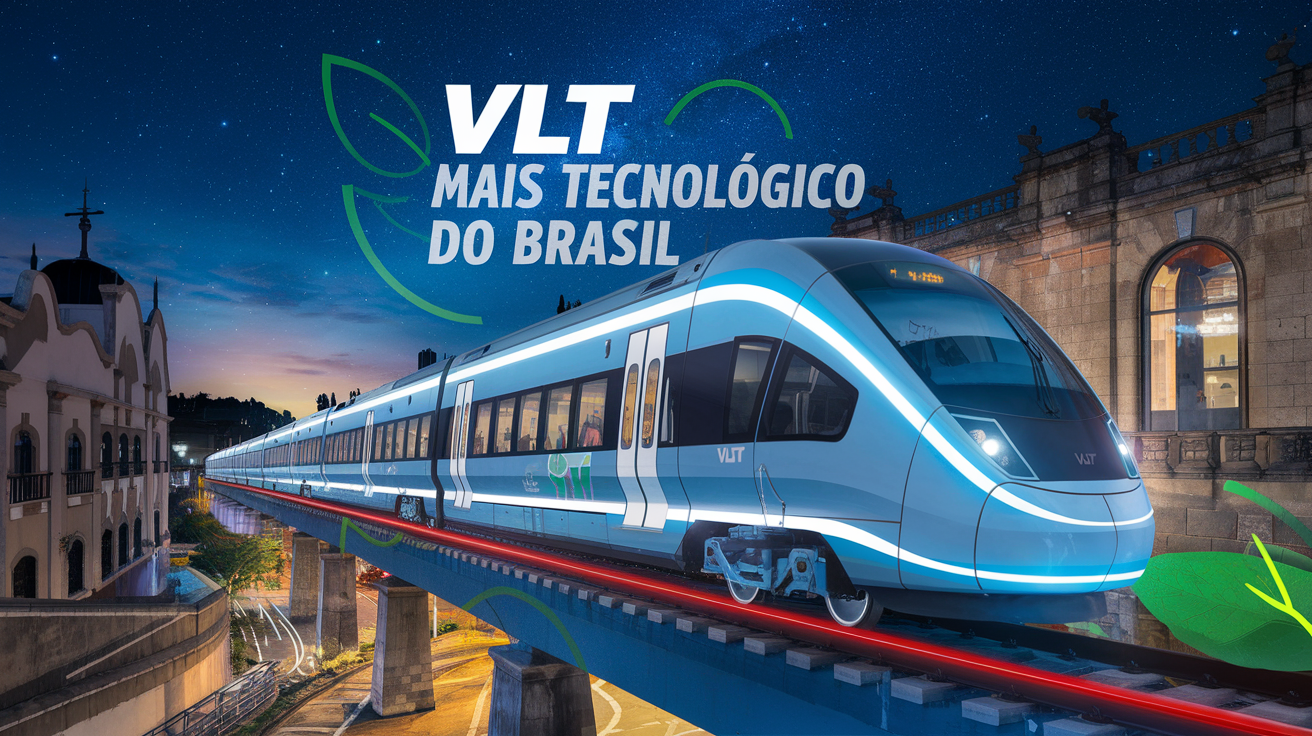


Capital Takes a Leap Into the Future with Brazil’s Most Modern VLT. With an Expected Inauguration in 2027, the Project Will Bring 36.4 km of Tracks, 34 Stops, and Sustainable Technologies. After Years of Challenges, the Bahia Capital Prepares to Revolutionize Urban Mobility, Integrating Peripheries and Preserving Historical Landmarks. Find Out Everything About This Transformation!
Although major centers like São Paulo and Rio de Janeiro attract attention when it comes to public transportation innovation, it is in the Northeast that a surprising project is underway, promising to revolutionize urban mobility.
Salvador, the Bahia capital, is advancing with a venture that blends cutting-edge technology and sustainability, establishing a new benchmark in Brazil.
But what makes this project so extraordinary? Discover how the “land of axé” is about to become a national reference in high-efficiency public transportation.
-
Unemployment rises again to 5.8% at the beginning of 2026, raising alarms about the end of temporary positions and its impact on the Brazilian job market.

-
Document organization can cut invisible costs in small businesses, a simple step that prevents waste, rework, and losses in daily operations.

-
Chinese giant worth nearly R$ 4 billion that manufactures cables for electric cars, solar energy, and robotics wants to open a factory in SC.
-
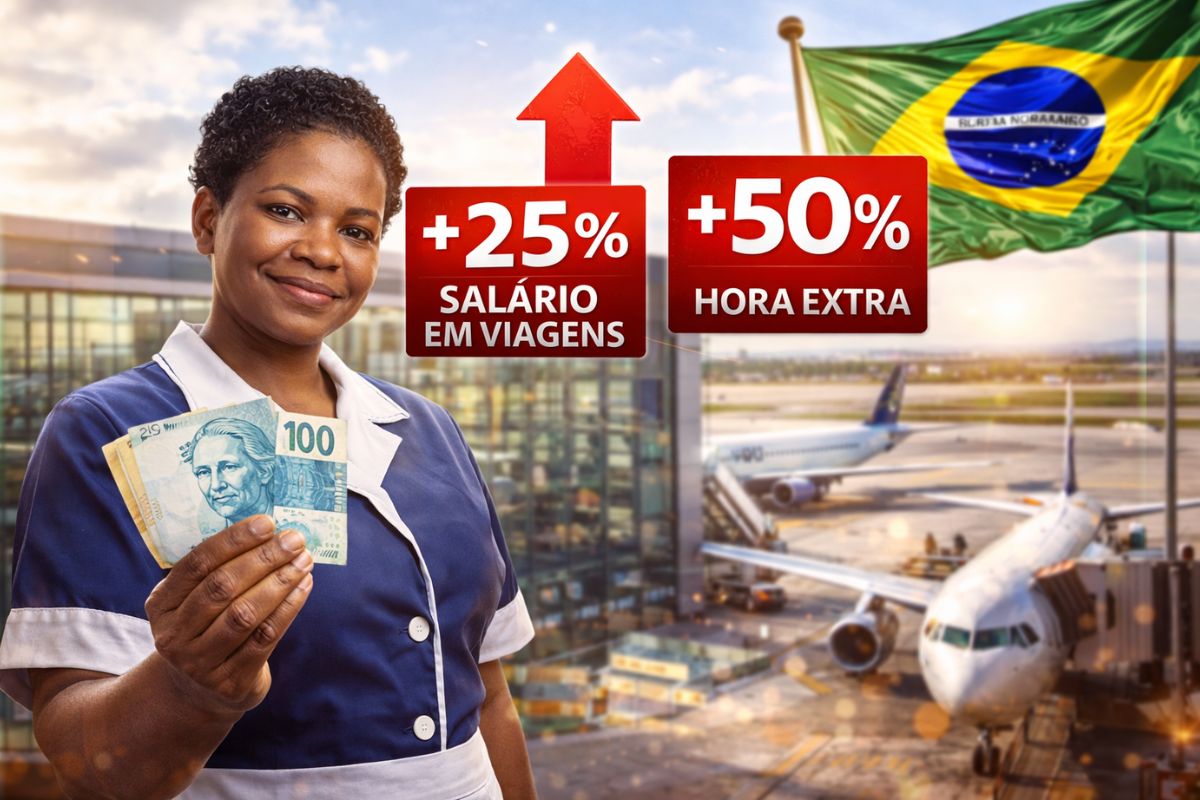
Many employers do not know, but the law guarantees domestic workers a 25% increase in salary during trips, 50% for overtime, 20% for night shifts, and 17 additional benefits that can lead to labor lawsuits if not paid.

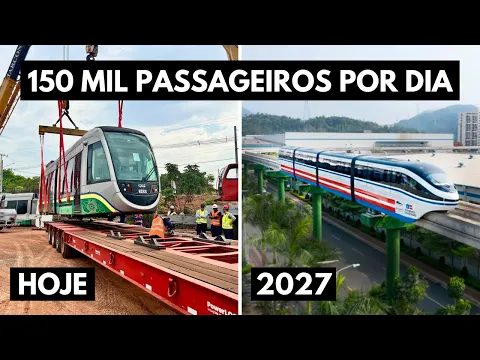
According to reported information, the Light Rail Vehicle (VLT) of Salvador is under construction and is expected to be inaugurated in October 2027.
With a route of 36.4 km distributed across three lines and 34 stops, the mode will replace the old suburban train and can serve up to 116 thousand passengers per day.
This impressive number will be possible thanks to modern design and innovative systems that prioritize energy efficiency and reduced environmental impact.
History and Challenges of the Project
According to the Urbana channel, the idea of modernizing the rail transport of Salvador emerged in the early 2000s.
However, the old suburban train, which operated with inadequate infrastructure, received only sporadic investments in the 1940s, 1960s, and 1980s, which were not sufficient to prevent its deterioration.
In 2015, an initial VLT project was presented, covering a length of 18.5 km. However, issues with bidding prevented progress.
It was only in 2021 that construction began, but soon faced interruptions due to legal disputes and financial difficulties.
After years of setbacks, work resumed in June 2024, with a revised cost of R$ 5.2 billion, under the management of the Bahia Government and divided into three phases.
Characteristics of the VLT in Salvador
According to information from the Bahia government, the VLT in Salvador will be one of the most technologically advanced in Brazil.
Among its highlights are modern automation systems, regenerative braking, and accessibility solutions.
The stations will feature natural lighting, contemporary design, and technologies that reduce environmental impact.
The lines were strategically planned to connect crucial points of the city:
- Line 1: From Ilha de São João to Estação da Calçada, with 16.66 km and 18 stops.
- Line 2: From São Luís to Águas Claras, with 9.2 km and eight stops, integrating with the Salvador metro.
- Line 3: From Águas Claras to Piatã, with 10.52 km and nine stops, connecting peripheral areas to the city’s waterfront.
Additionally, the proposal includes the duplication of roads, such as Estrada do Derba, and the revitalization of historical landmarks, such as the São João bridge and the Plataforma railway tunnel.
An open ticketing system, inspired by European models, will allow voluntary ticket validation directly on the trains at 29 of the 34 stops.

Progress of the Works
The works already show significant progress. On Avenida 29 de Março, the foundations for the elevated section over BR-324 are moving quickly, with pile driving and ramp construction.
Near the Hospital do Subúrbio, the duplication of Estrada do Derba is ongoing, with earthworks and deforestation preparing the ground.
In the section connecting Águas Claras to the Piatã waterfront, teams are focused on assembling walkways and topographical adjustments.
Between Paripe and Águas Claras, soil surveys and adjustments for integration with the metro are underway.
Additionally, the historic Estação da Calçada is undergoing revitalization to become a modern hub, maintaining its cultural relevance.
The first tracks and equipment, sourced from Mato Grosso, have already arrived at the construction sites. Timely delivery reinforces the government’s commitment to executing the project.
The Impact of the VLT for Salvador
More than a means of transportation, the VLT in Salvador represents a leap in the quality of life for residents. It will integrate peripheral regions into the urban center and increase the value of previously neglected areas.
The modernization of public transport in the Bahia capital will have a direct impact on the local economy, reducing pollutant emissions and preserving historical heritage.
With tests scheduled for 2026, Salvador is preparing to enter a new era of urban mobility, solidifying its position as a national reference.
As reported, periodic updates on the project are available on the official channels of the Bahia Government, reaffirming the commitment to transparency.
The transformation Salvador is about to experience is an example of how technology and planning can reverse decades of inadequacy in public infrastructure.
With a project that unites past and future, the VLT of Salvador serves as an inspiration for other Brazilian capitals.
And you, what do you think of the initiative? Will Salvador finally be remembered as a national reference in urban mobility? Leave your opinion in the comments!









Será um alívio ,conforto, rapidez, integração dos bairros periféricos a orla, , qualidade de vida e acesso ao povo trabalhador sei bem o que pegar ônibus em Salvador no centro i do para Piraja , parabéns.
O VLT de São Paulo estava previsto para 2014. Mas está enferrujando em algum lugar até hoje
Vai ser ótimo graças a Deus, até que enfim vai melhorar 100,por cento a vida dos baianos.