





 Portuguese
  English
  Spanish
  4 min of reading
  0 comments


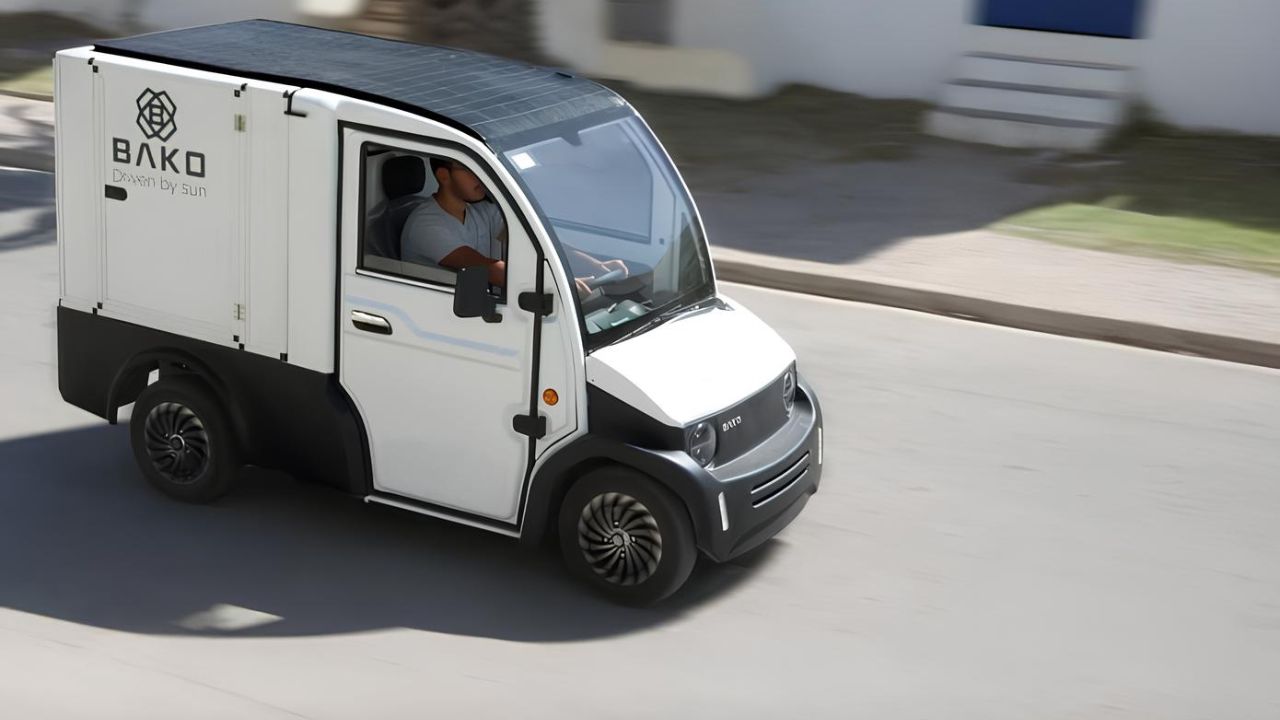
Bako Motors, Tunisian Startup, Unveils Solar-Powered Electric Vehicles Promising to Transform Sustainable Mobility in Africa by Driving Clean and Accessible Innovation
On October 29, 2025, the portal Olhar Digital reported that Tunisian startup Bako Motors is leading a transformation by developing solar-powered electric vehicles, focusing on accessibility and autonomy. This initiative not only redefines transportation on the continent but also positions Tunisia as a hub for innovation in sustainable mobility.
Solar-Powered Electric Vehicles: Innovation with Immediate Impact
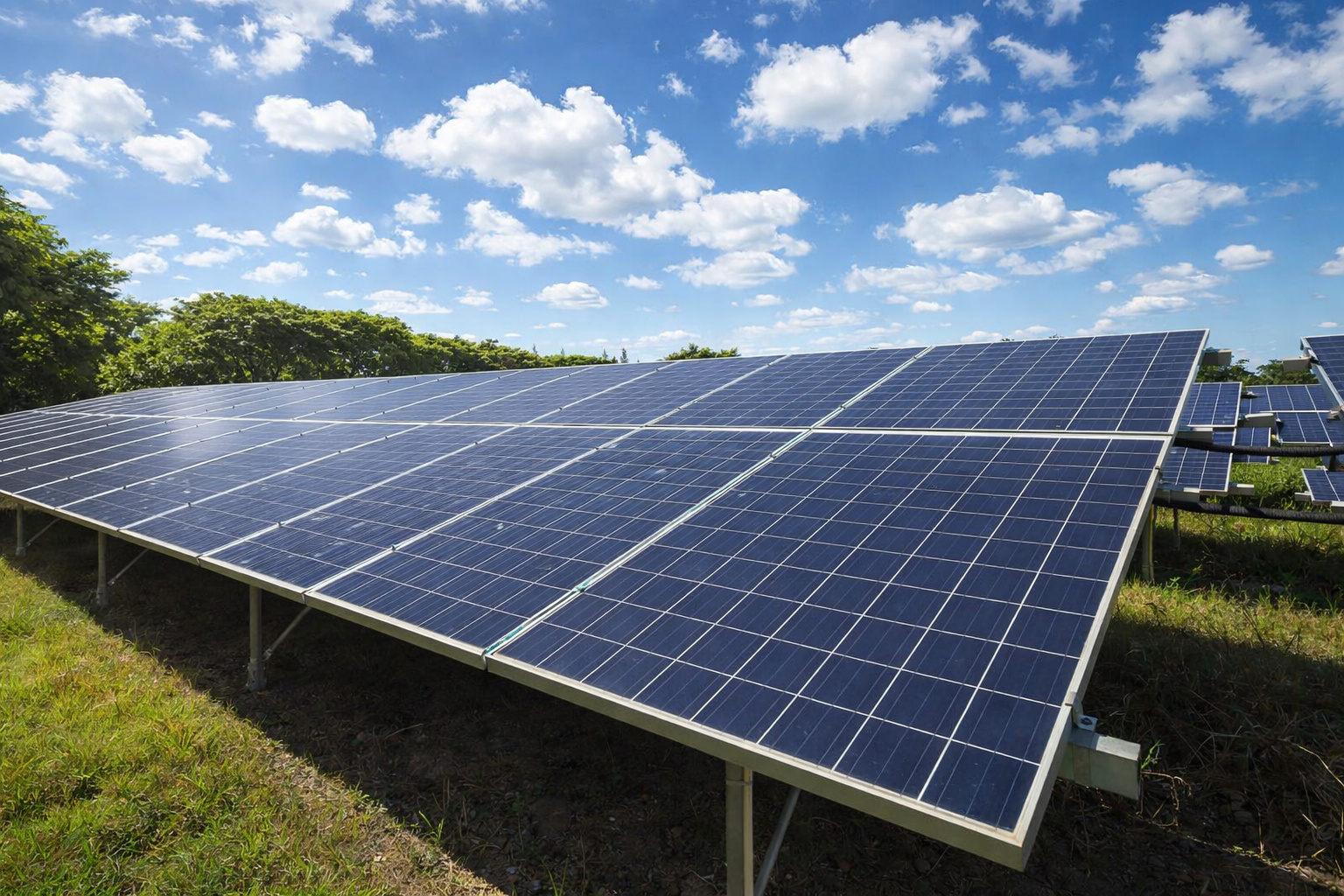
Bako Motors introduced a line of cars and cargo vans to the African market equipped with solar panels on the roof and lithium batteries. This combination allows the vehicles to be charged with free energy, significantly increasing their range and reducing operational costs.
According to the startup, this technology is ideal for regions with limited electrical infrastructure, such as many rural areas in Africa. Free solar energy and extended range: a solution designed for the African continent.
-
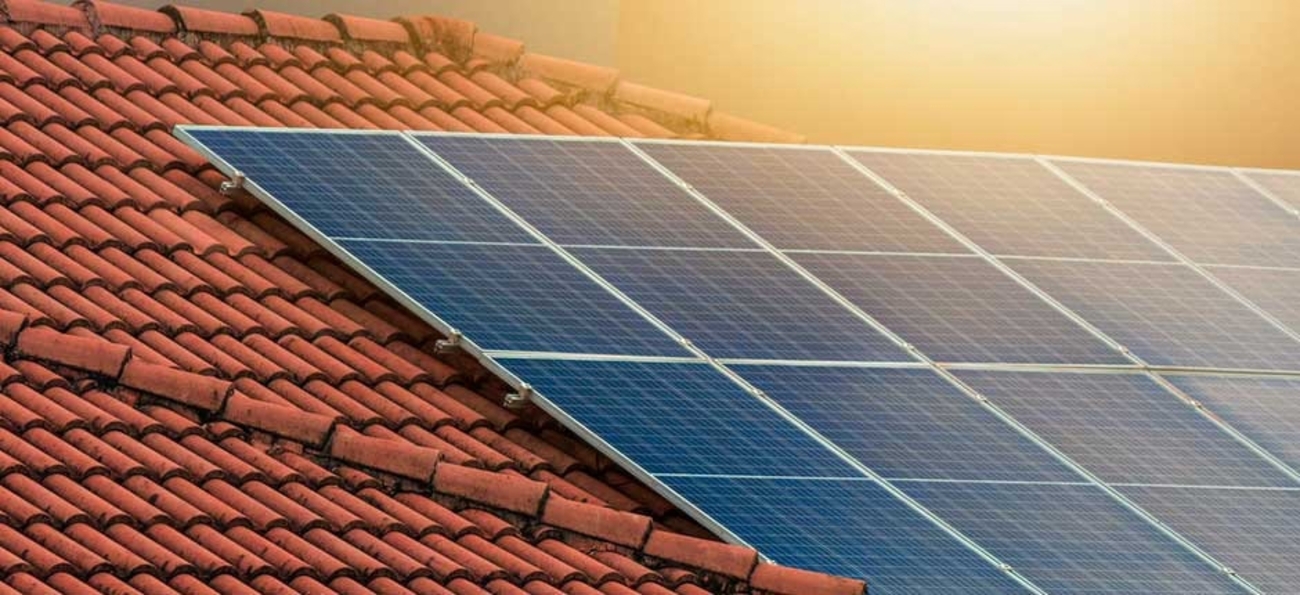
Roraima bets on the sun to escape high tariffs: Amid the energy crisis and price hikes, solar energy is growing in Roraima and transforming consumption in the North region.
-
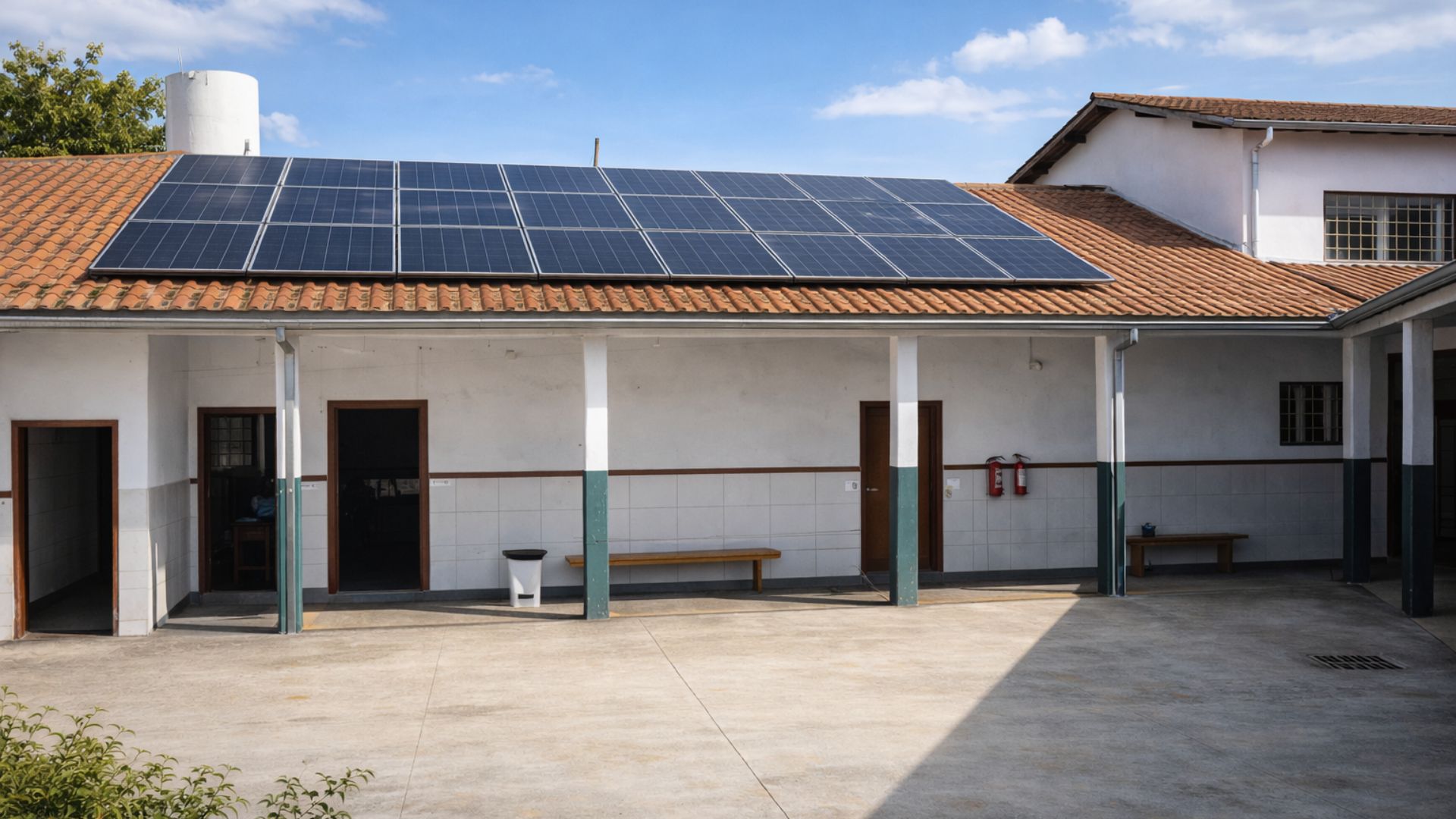
Copel boosts solar energy in Paraná and brings innovation to public schools, promoting savings on electricity bills, energy efficiency, and a direct impact on the quality of education.
-
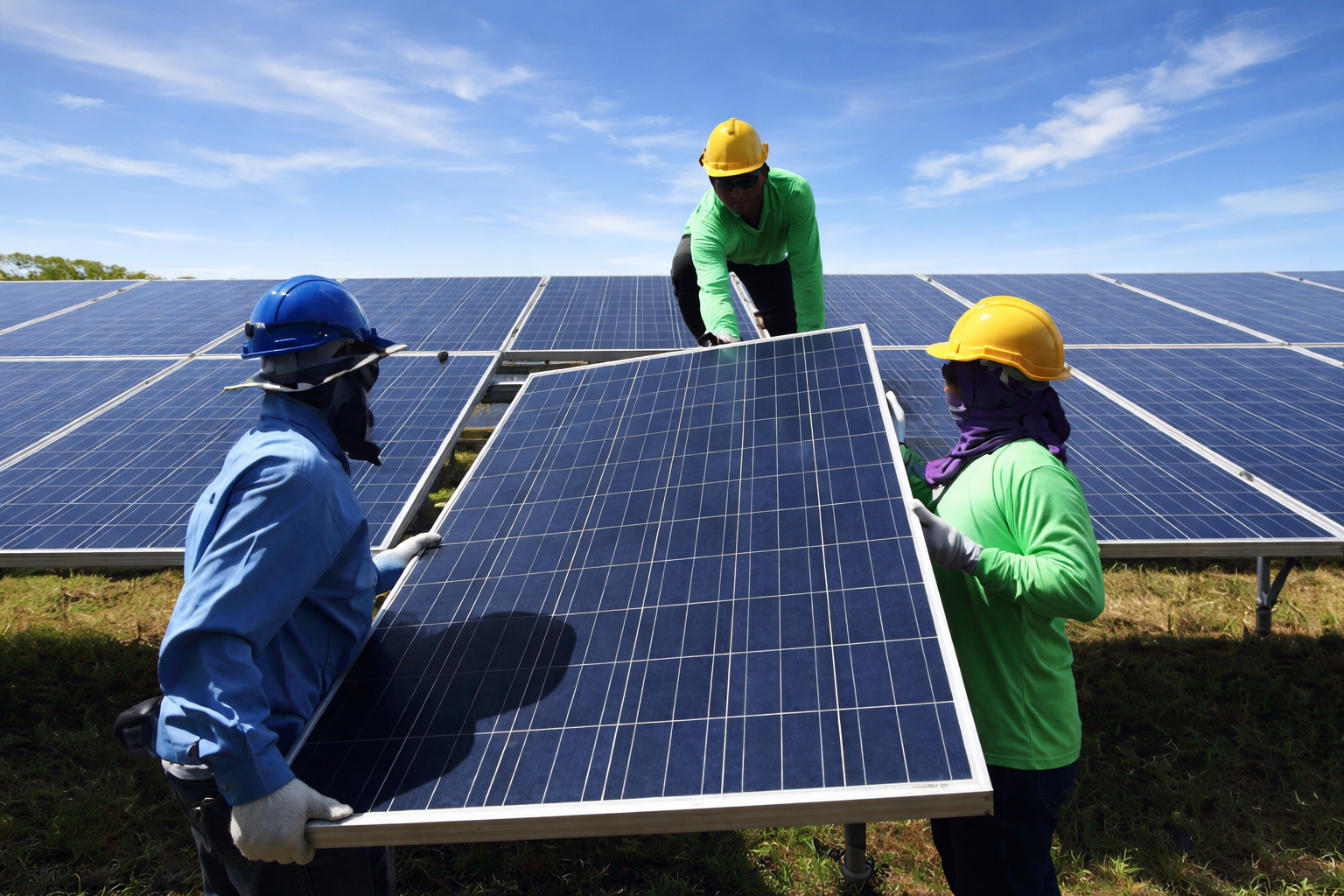
Brazil reaches historic milestone in solar energy: Sector surpasses 2 million accumulated green jobs and generates billions in the national economy even under market pressure.
-
Minas Gerais takes the lead in renewable energy: State surpasses historic mark of 14 GW in solar energy generation in MG and consolidates dominance in the Brazilian electric sector.

Bako Motors Bets on Accessible and Sustainable Technology
The Tunisian startup proposal goes beyond technological innovation. Bako Motors aims to democratize access to electric mobility. Its models are designed to be financially accessible, with simplified maintenance and adapted to the climatic and geographical conditions of the continent.
Affordable sustainable mobility for everyone: this is Bako Motors’ purpose. The company is also investing in partnerships with local governments and NGOs to promote the use of electric vehicles in social programs, public transport, and urban logistics.
Main Electric Vehicles from Bako Motors
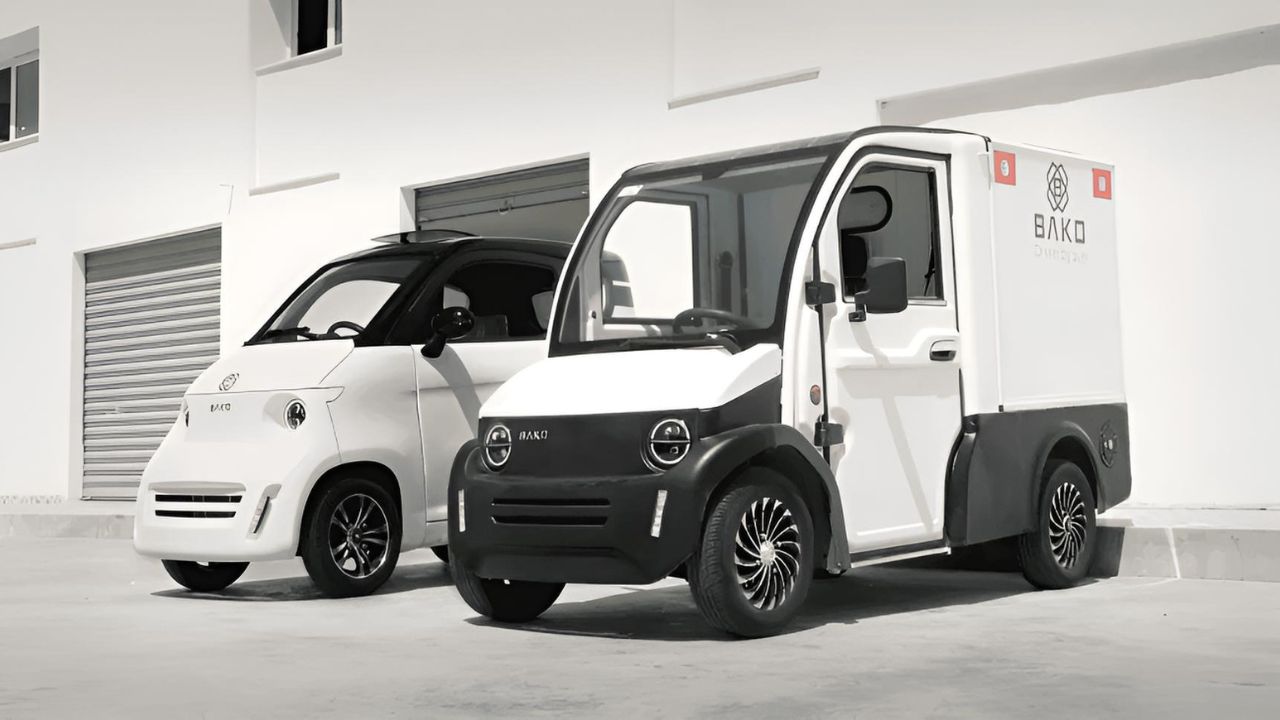
Bako Motors started its operations with three-wheeled vehicles and is currently manufacturing four-wheeled models aimed at different purposes. One of the main ones is the B-Van, designed for urban deliveries, with a load capacity of up to 400 kilograms and a range varying between 100 and 300 kilometers per charge.
The company’s vehicles feature integrated solar panels, responsible for about 50% of the energy used, allowing them to travel up to 17,000 kilometers per year exclusively on solar electricity, as highlighted by CEO Boubaker Siala.
Another model in production is the Bee, a compact two-seater car aimed at urban use. It offers a range between 70 and 120 kilometers and reaches a top speed of 45 km/h, with a starting price of US$ 6,200.
The company is also developing the X-Van, a vehicle with an expanded cargo space, aimed at more robust logistical demands. Currently, over 40% of the components used in the vehicles are manufactured locally, contributing to job creation and strengthening industry in Tunisia.
Solar Energy as a Competitive Differentiator in Electric Vehicles
The abundance of sun in Africa makes solar energy a strategic resource for sustainable development. Bako Motors leverages this natural resource to offer vehicles that can be charged even in locations without an electrical grid, using only sunlight.
This approach addresses one of the main challenges of electrification in Africa: the lack of infrastructure. With integrated solar panels, Bako Motors’ vehicles can operate in remote areas, contributing to social and economic inclusion.
Challenges for Expanding Sustainable Mobility in Africa
Despite advancements, the expansion of electric vehicles in Africa still faces obstacles. The lack of charging infrastructure, inconsistent public policies, and the initial cost of vehicles are barriers that need to be overcome. However, initiatives like that of Tunisian startup Bako Motors demonstrate that it is possible to innovate with a focus on the African reality.
Bako Motors plans to expand its production capacity with the opening of a second factory in 2026. The new unit will be able to produce up to 8,000 vehicles per year, focusing on markets in Africa, the Middle East, and Europe.
According to CEO Boubaker Siala, the next five to ten years will be decisive for consolidating electric mobility on the African continent. Bako Motors’ strategy is to offer affordable vehicles aligned with local needs, utilizing domestic production as a tool to stimulate the economy and create jobs.
Sustainable Mobility as a Vector for Social Inclusion
Electric mobility is not just an environmental issue. It also represents an opportunity for social and economic inclusion. With affordable vehicles adapted to local needs, Bako Motors contributes to the development of communities that were previously isolated due to a lack of adequate transportation.
Additionally, job creation in the production chain — from manufacturing to vehicle maintenance — strengthens the local economy and promotes technical training.
Bako Motors has sought partnerships with governments, universities, and international organizations to accelerate its expansion. The company has already begun negotiations with other countries for the establishment of manufacturing units and distribution centers.
These partnerships are essential to ensure logistical support, tax incentives, and access to financing. With this, the Tunisian startup aims to consolidate its presence throughout Sub-Saharan Africa in the next five years.
The Role of the Startup as a Hub for Solar Energy Innovation
With public policies focused on renewable energies and support for startups, Africa offers a favorable environment for initiatives like Bako Motors.
Bako Motors’ operations represent a turning point for the future of sustainable mobility in Africa. By combining solar energy, accessible technology, and a social vision, the Tunisian startup provides a real solution to transportation challenges on the continent.
With the market expanding and support from public policies, electric vehicles are expected to become increasingly common on African streets. In this scenario, Tunisia establishes itself as an example of how innovation and sustainability can go hand in hand.








Seja o primeiro a reagir!