





 English
  Francês
  Alemão
  Italiano
  Japonês
  Norueguês
  Portuguese
  Spanish
  3 min of reading


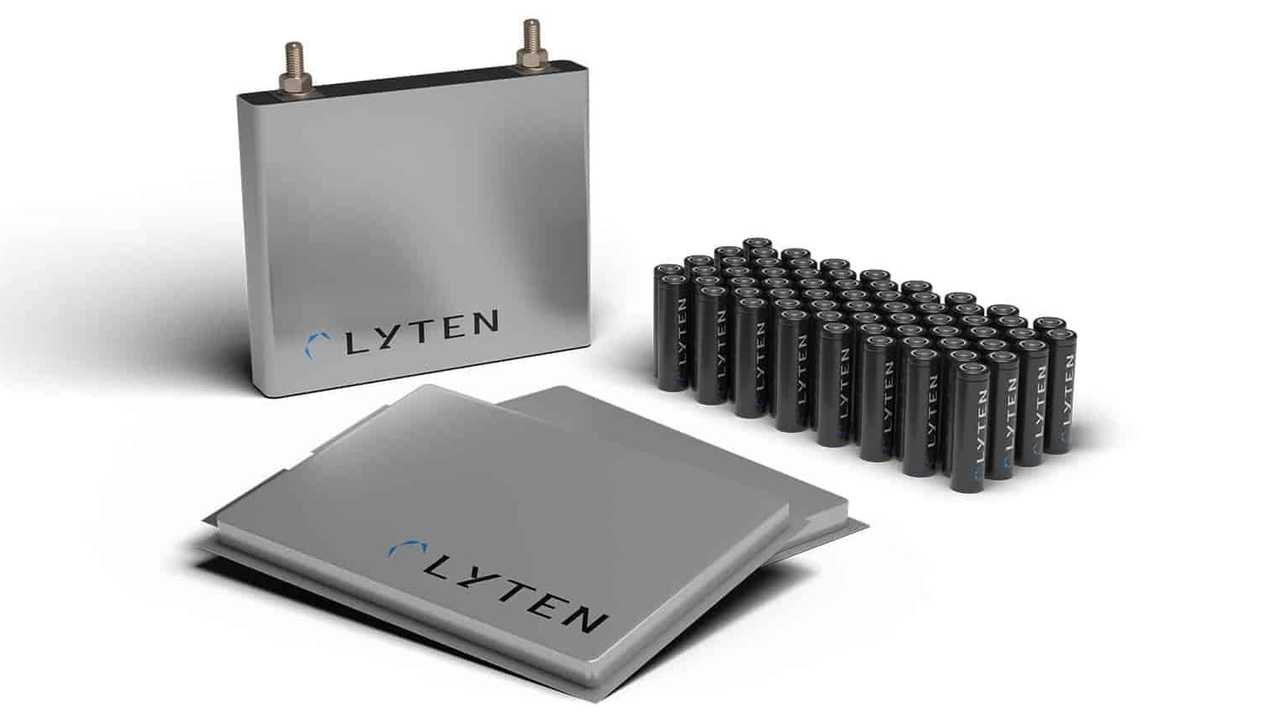
Lyten Startup Is Working on New Lithium-Sulfur Battery Technology with 3D Graphene Technology That Could Alleviate Supply Shortages and Reduce U.S. Dependence on China to Power Electric Vehicles.
Mikolajczak, a veteran of Tesla and Panasonic, will become the chief technology officer of Lyten, a battery materials company based in San Jose, California. Lyten has developed its own form of 3D graphene that can be used to enhance lithium-sulfur batteries. Most lithium-ion batteries in today’s electric vehicle market operate with nickel-based chemistry.
High Demand for Electric Cars Drives up Nickel and Other Mineral Prices
The growing demand for electric cars has triggered a race to acquire cobalt, nickel, and other essential metals for electric vehicle batteries. Automakers are also investing billions to build facilities to manufacture nickel-based cells.
As a result, raw material prices are rising, and increasing costs are beginning to ripple through the supply chain: the price of an electric car battery is expected to rise for the first time in more than a decade this year.
-
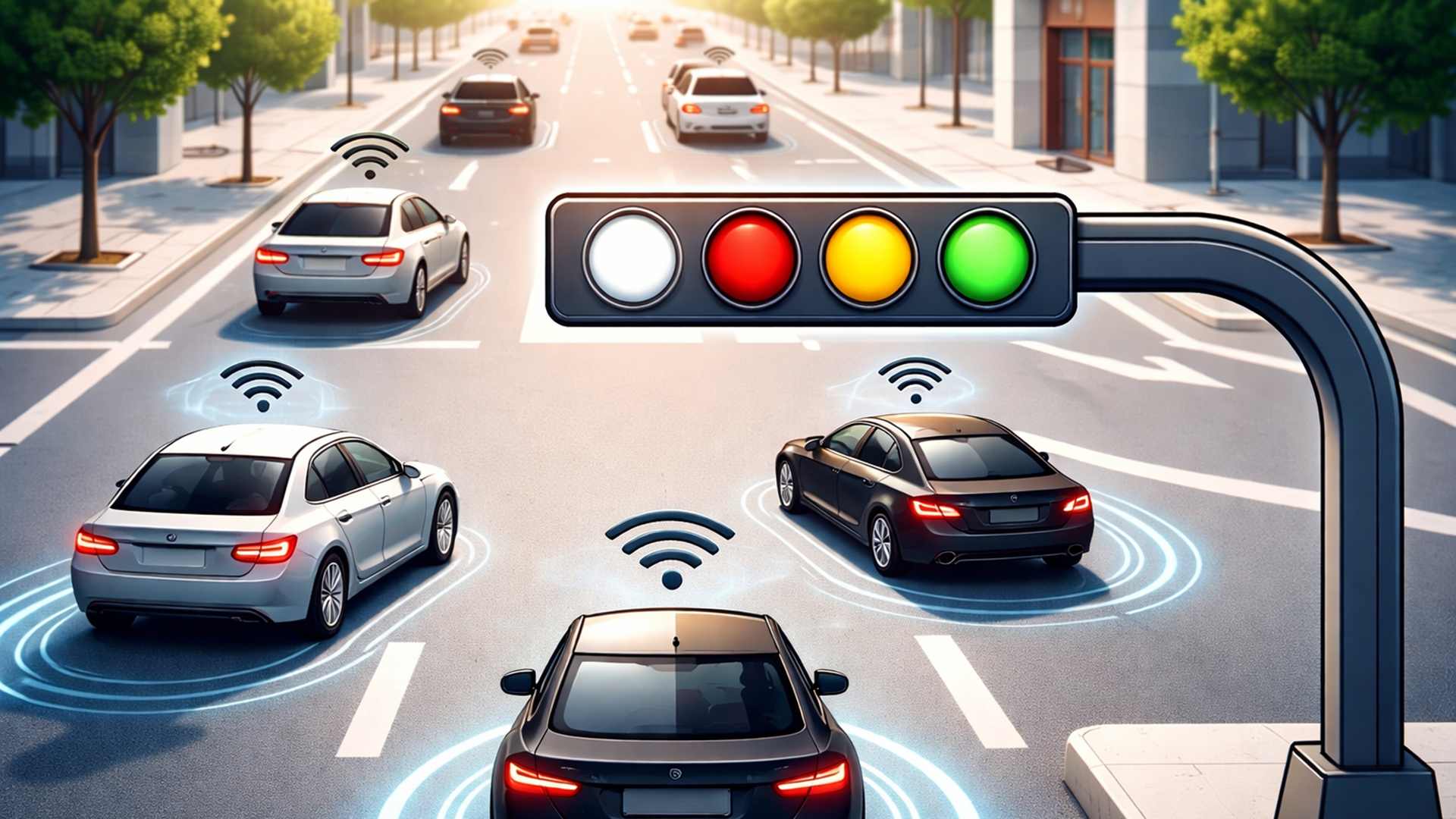
Engineers propose a fourth traffic light for intersections – the change promises to affect crossings, queues, and waiting times.
-
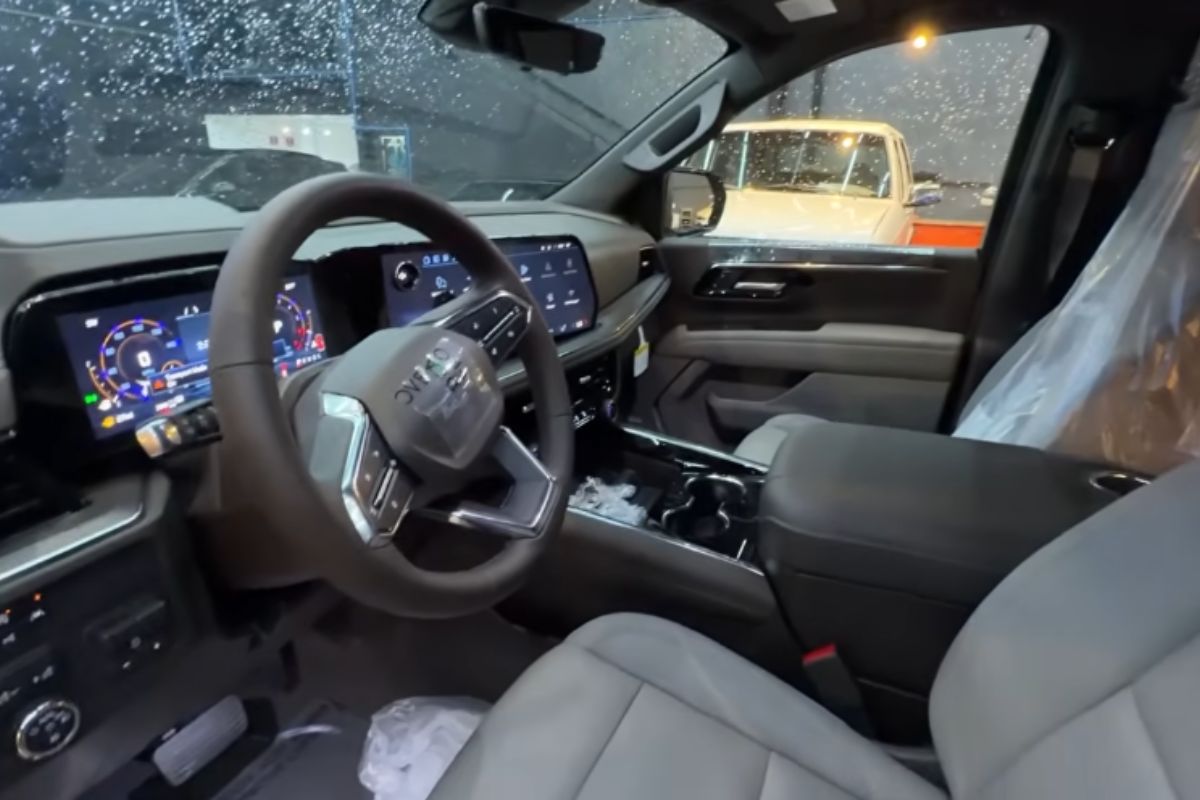
Chevrolet Suburban Z71 lands in Brazil with a V8 engine, off-road design, air suspension, seven seats, and colossal size, a rare version imported for around R$ 1.3 million with luxury and exclusivity.
-
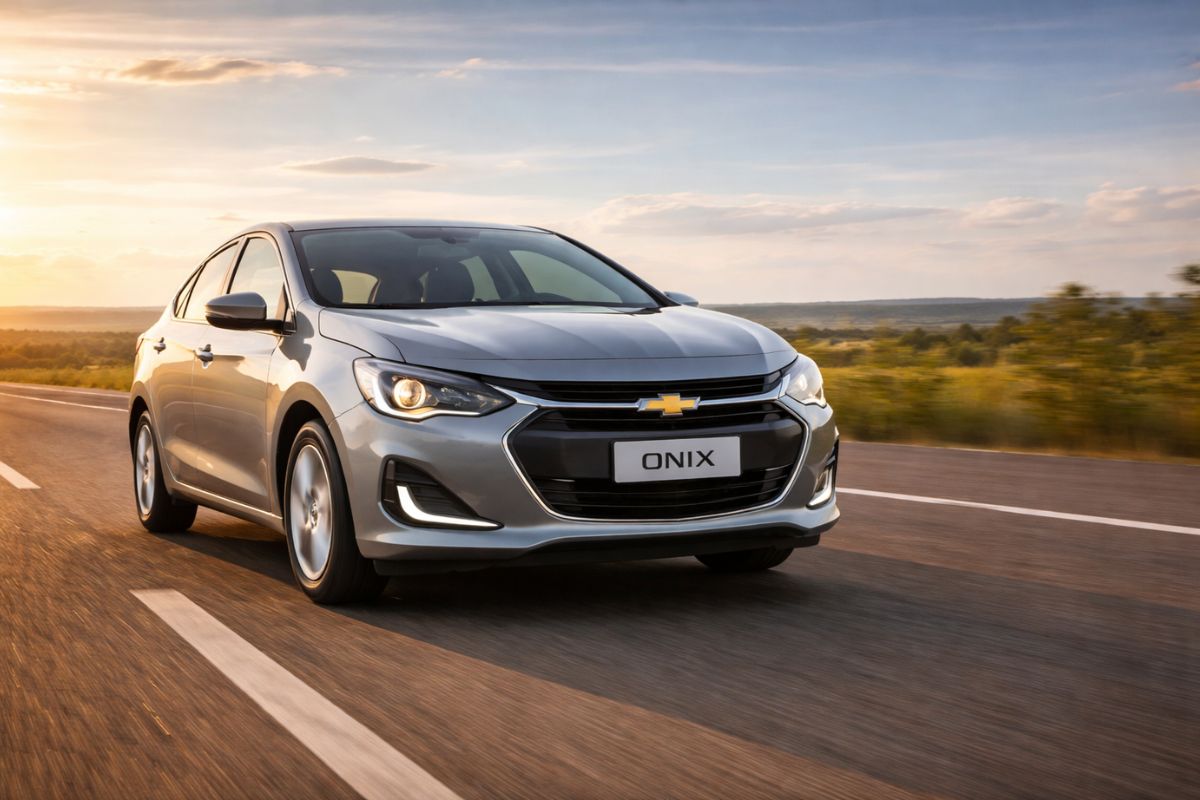
The Chevrolet Onix 1.0 turbo achieves 17.7 km per liter on the highway and ranks among the three most economical cars in Brazil in 2026, alongside two more expensive Toyota hybrids available at dealerships.
-
Little sister of the Hilux: Toyota launches Land Cruiser FJ with 4 radical versions, 2.7 engine with 166 hp and 4×4 traction with locking.

“With nickel supply, there will be many people competing for quite limited resources,” said Mikolajczak, who developed batteries and scaled production at the Tesla gigafactory in Nevada, in an interview.
Understanding Lithium-Sulfur Battery with 3D Graphene Technology
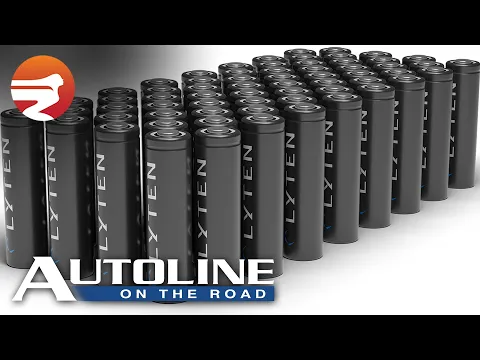

The chemistry of lithium-sulfur batteries is typically used only in academic laboratories. However, by using nanotechnology to manipulate carbon atoms, Lyten found a way to make it competitive with nickel-based batteries, preferred in the U.S., and to surpass lithium iron phosphate (LFP) batteries, favored in China.
Sulfur, a byproduct of the oil and gas industry, is cheap and abundant. This has helped attract interest from the U.S. Department of Defense for use in satellites or battlefield electronics, as well as electric cars, according to Lyten’s CEO.
Founded in 2014, Lyten has raised over US$ 210 million from private investors. It has been garnering more resources and seeking strategic partnerships with automakers.
New High-Energy-Density Lithium-Sulfur Battery Operates in Extreme Temperatures
The team succeeded with an electrolyte that formed weaker bonds with lithium ions, allowing for a more even distribution of them during charging. This weak-bond electrolyte was integrated into an experimental lithium battery with a high-density metal anode and a sulfur-based cathode that was able to operate at sub-zero temperatures while retaining much of its capacity.
Continuing to experiment with its electrolyte recipe, scientists developed a version that also operates at the other end of the spectrum. The new electrolyte features lithium salt and dibutyl ether, a chemical compound with a boiling point of 141 °C (286 °F), allowing the electrolyte to remain liquid at high temperatures. In proof-of-concept experiments with this electrolyte, the batteries were able to retain 87.5% of their capacity at -40 °C (-40 °F) and 115.9% of their capacity at 50 °C (122 °F).
They also demonstrated high Coulombic efficiency, above 98% at these temperatures, which is related to their ability to handle more charge cycles before end-of-life. A battery capable of operating at low temperatures could result in electric vehicles with greater range in cold climates.
On the other hand, a battery that can safely operate at higher temperatures could eliminate the need for cooling systems to prevent overheating, along with other advantages.









Seja o primeiro a reagir!