





 English
  Francês
  Alemão
  Italiano
  Japonês
  Norueguês
  Portuguese
  Spanish
  4 min of reading
  0 comments


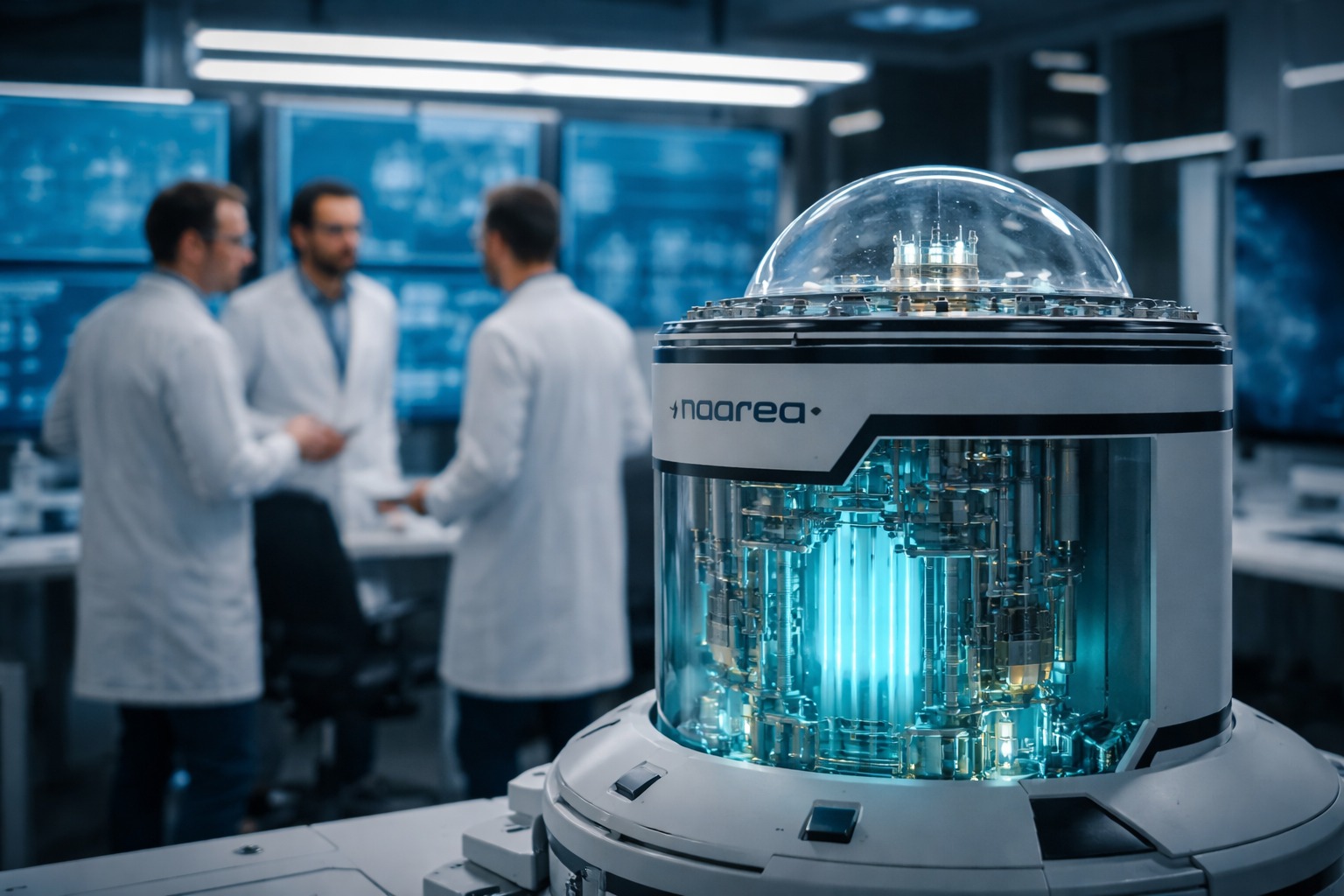
French Nuclear Small Reactor Startup Naarea, Which Received 10 Million Euros in Subsidies and Raised 90 Million in the Market, Enters Judicial Recovery After Estimating Need for 2 Billion to Complete Small Modular Reactor Project
The French startup Naarea, focused on small modular reactors, entered judicial recovery in September 2025 after raising 90 million euros and estimating a total need of 2 billion, amid technical uncertainties, delays in state support, and difficulties securing plutonium supply.
The crisis marks a turnaround for the company created six years ago, which had promised to deploy its reactors by the early next decade.
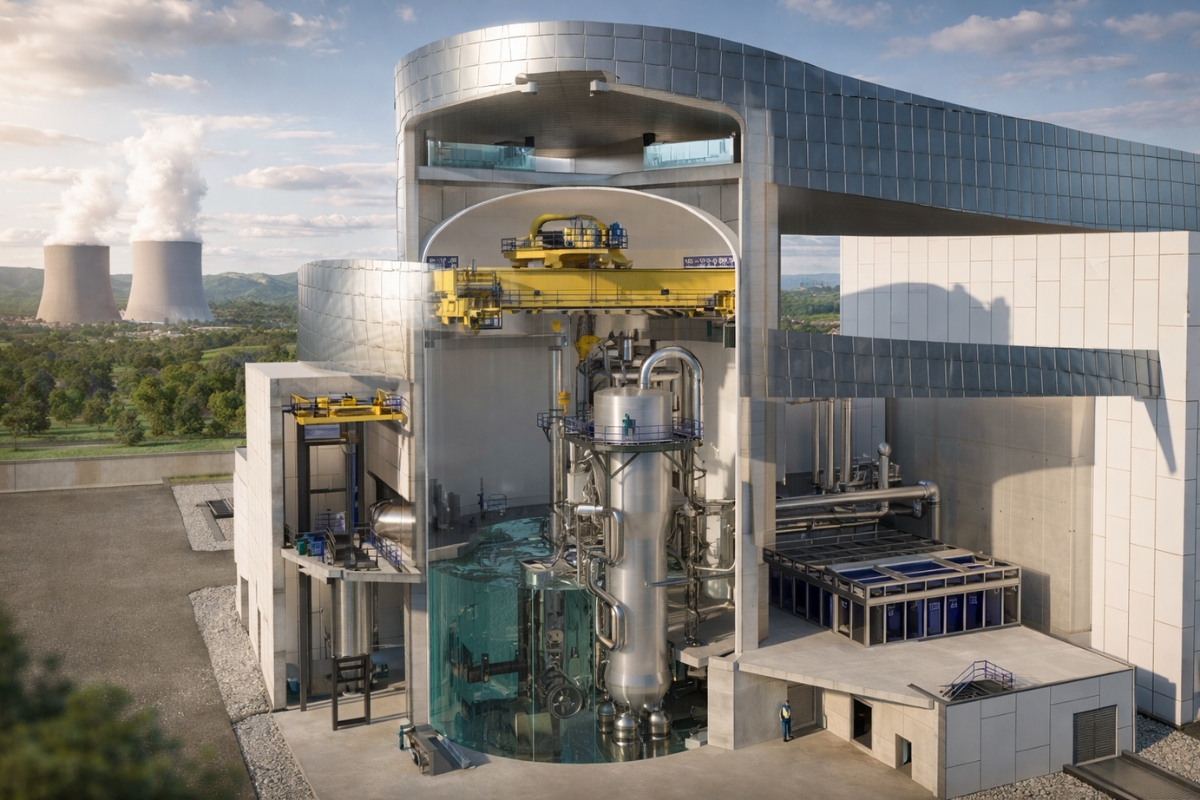
In December 2023, founder Jean-Luc Alexandre brought together employees and investors in Paris to present a large model of the small reactor he intended to launch into the market.
-
Fukushima Marks A Turning Point In Japan’s Energy Policy: After The Disaster, The Country Shut Down Its 54 Nuclear Reactors And, 15 Years Later, Only A Small Portion Have Returned To Operation
-
How Japan Overcame The Nuclear Bomb And Now Houses Millions In Hiroshima, While Ukraine Lost Chernobyl?

-
Bill Gates Receives Historic Approval to Build Giant 345 MW Nuclear Plant in the U.S. and Promises to Generate Up to 500 MW of Energy with Innovative Technology
-
India Opens Nuclear Energy to Private Capital to Accelerate Projects and Attract Billions, While Brazil Remains Stalled at Angra 3 and Discusses Who Will Foot the Bill for Completion

The celebration came after Naarea secured 10 million euros in public subsidies. The event symbolized a year of expansion and optimism, according to people who attended the dinner and know the executive.
Months later, however, the company faced a financial crunch deemed brutal. The project, centered on small modular reactors, began encountering technical, regulatory, and financial obstacles that pushed the company to the brink of judicial liquidation.
Global Expansion of Small Modular Reactors and Increasing Challenges
The fall of Naarea occurs as more than a hundred nuclear ventures worldwide seek to develop small modular reactors.
These projects aim to manufacture replicable units, roughly the size of a large bus, to supply factories and data centers.
Experts point out that the technical challenges and the high volume of funding required before revenue generation are becoming more evident.
Nicolas Goldberg of Colombus Consulting stated that startups often sell an ambitious vision, which he considers normal at this stage.
He noted that developing a new nuclear reactor is not a common process and reminded that the industry has spent decades using few validated projects. According to him, there are historical reasons for this technological concentration.
Financial Structure and Dependence on Government Support
Alexandre, former executive of Alstom and Suez, stated that the French government was slow to increase support after the initial funding granted in 2023.
For him, this delay made it difficult to secure new private funding, as investors sought clear proof of government engagement.
The company raised 90 million euros from family offices and business contacts, primarily in its early years. Nevertheless, it estimated needing 2 billion to complete the small modular reactor project.
By 2023, Naarea had around 300 employees and occupied three floors of a commercial building in the outskirts of Paris.
It had fulfilled its promise to create a digital model of the reactor, but was in preliminary stages of discussions with the French nuclear regulator.
The following year, the government, which had allocated 1 billion euros to the SMR sector, remained silent on new disbursements.
In June, President Emmanuel Macron called for an early legislative election, resulting in the loss of his bloc, triggering a prolonged political crisis.
Technical Questions About Fuel and Timeline
Former employees, investors, and officials raised questions about the fuel recycling process on which Naarea intended to base its operations. There were doubts about the speed of technology development.
The company planned to use liquid salt-based fuel and salt as a coolant, in contrast to water-cooled reactors.
The technology presents potential advantages but requires extensive research, including regarding corrosive effects.
Doubts also arose concerning the availability of plutonium. Only a few centers worldwide provide it, including facilities in Russia and La Hague, France.
In La Hague, about 12 tons are separated each year, mostly already committed to EDF.
According to people close to the company, Naarea might need that amount for just one reactor. This issue raised additional concerns about the viability of scaling small modular reactors.
Behind the scenes, a French public agency evaluated 12 startups in the sector. The unpublished report allegedly identified multiple obstacles faced by companies, including Naarea.
Attempted Sale and Judicial Outcome
After failing to secure new funding, the company filed for judicial recovery in September 2025. In December, Eneris, a waste-to-energy treatment group supported by Artur Dela, submitted an offer of 500,000 euros to acquire the company.
In January, Eneris withdrew the proposal a day before a hearing intended to formalize the agreement. As the court forced the acquisition to proceed, the company requested the liquidation of Naarea.
In a statement, Eneris claimed to have identified legal, labor, and technological problems that had been concealed, concluding that Naarea was at a technological impasse.
Alexandre contested the criticisms and stated that auditors had reviewed the technology during the judicial process. He also said he was seeking access to nuclear waste outside France to obtain plutonium, without specifying locations.
The executive stated that the initial hires were necessary due to the thousands of hours of engineering required by the project. In 2024, he cut the workforce and reduced costs to limit losses.
“My mistake was trusting too much in the French state“, he said.
The French Ministry of Finance did not respond to a request for comment. For Goldberg, the challenges faced by Naarea reflect a broader picture: few small modular reactor projects are globally validated, representing the biggest obstacle in the sector.
Thus, the company’s trajectory exposes the technical, regulatory, and financial difficulties surrounding the development of a new generation of nuclear reactors, in a market still seeking to consolidate proven and sustainable technological foundations.
With information from Folha de São Paulo.




Seja o primeiro a reagir!