





 English
  Francês
  Alemão
  Italiano
  Japonês
  Norueguês
  Portuguese
  Spanish
  3 min of reading
  69 comments


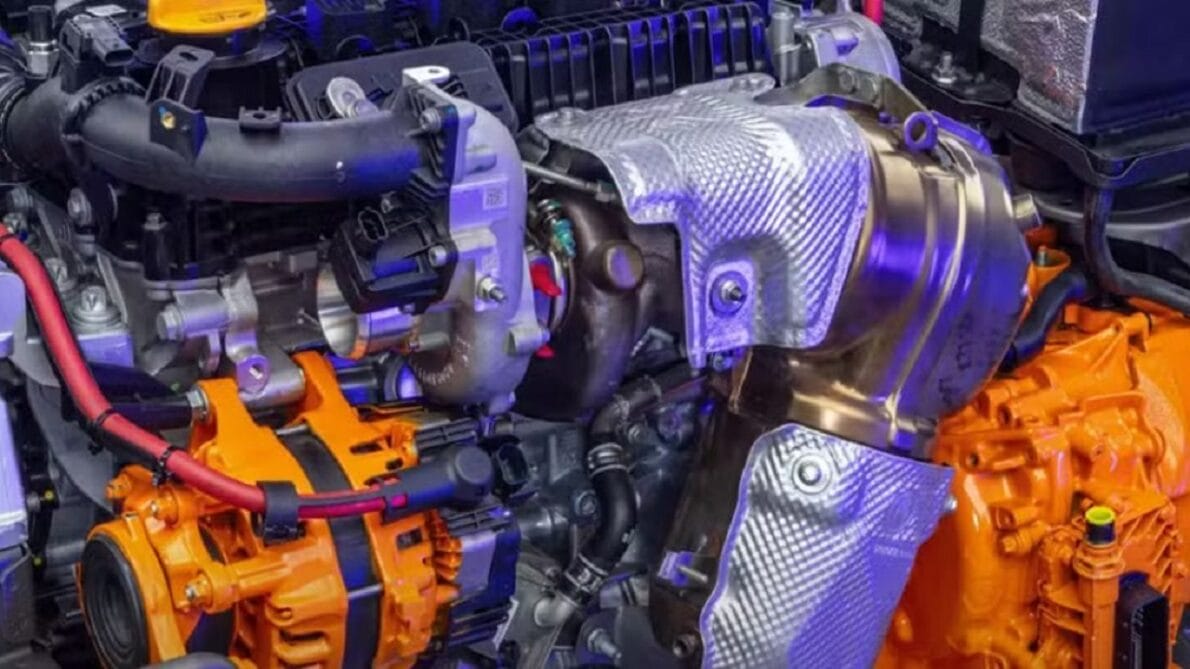


Stellantis Plans to Develop Car with Alcohol Engine by 2025, with Fiat and Jeep Brands Leading the Project.
100% Alcohol Car? It’s no secret that sustainability has gained prominence in various areas of society, including the automotive industry. In this context, the Stellantis Group, which manages 13 brands, announced that it is developing a car powered by alcohol or in a hybrid version, which will combine ethanol with electricity. This initiative highlights the group’s commitment to cleaner and more efficient energy alternatives with the arrival of a new alcohol engine.
When Does Stellantis’ 100% Alcohol Car Hit the Market?
The idea is that cars with the new alcohol engine will already be in the market in the second half of next year. Stellantis’ strategic plan, named Bio-Hybrid, is expected to feature a new alcohol-powered car with Fiat and Jeep as the pioneers of the group.
It is worth mentioning that the first brand to start producing the ethanol car in Brazil was Fiat, back in the 1970s. At that time, the model showcasing this innovative technology was the now-defunct Fiat 147.
-
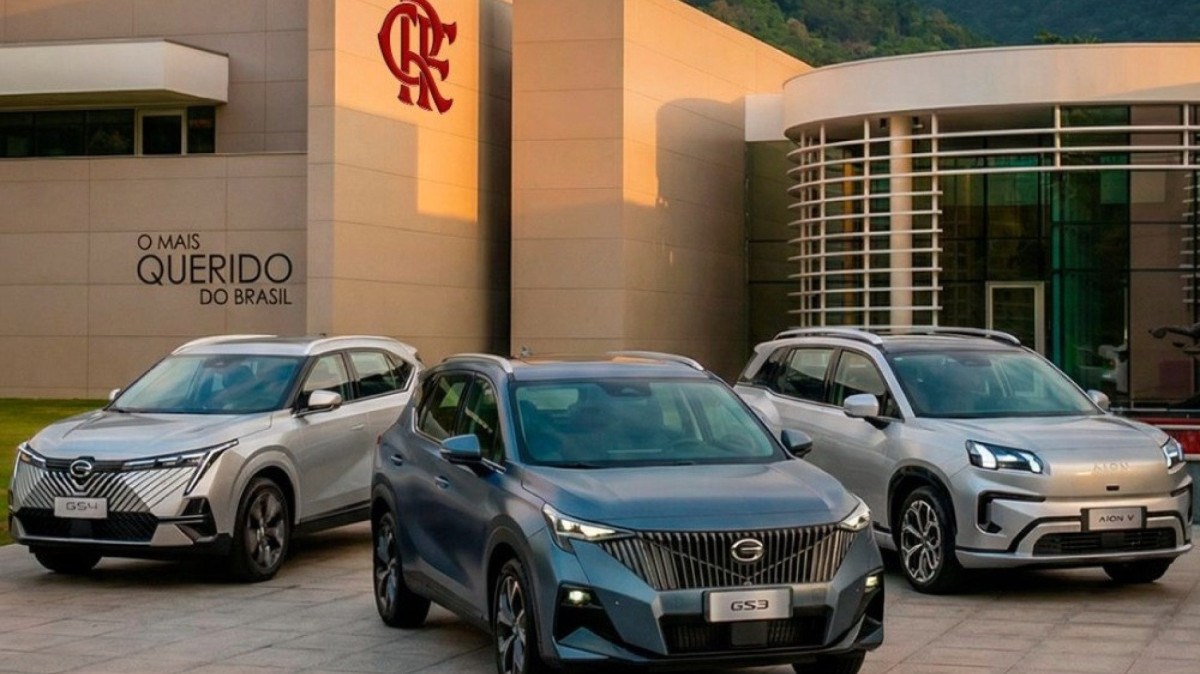
After launching the new GS3 with a 1.5 turbo engine producing 170 hp, GAC partners with Flamengo, enters the field with the largest fan base in Brazil, and accelerates an ambitious offensive to gain scale and confidence in the national market.
-
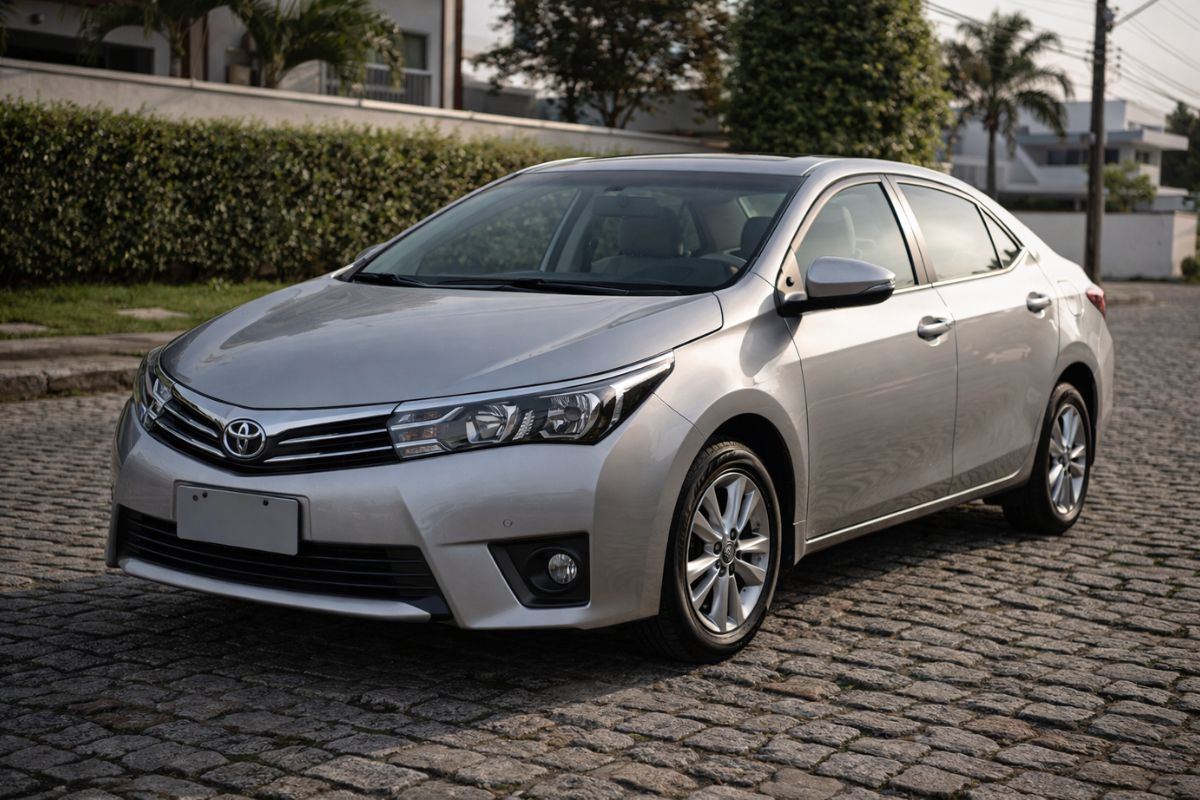
The Corolla from 2015 to 2019 depreciates so little that a 10-year-old model is still worth over 76 thousand reais, and owners treat this sedan as a safe investment thanks to its reputation for durability that no competitor has been able to match.
-
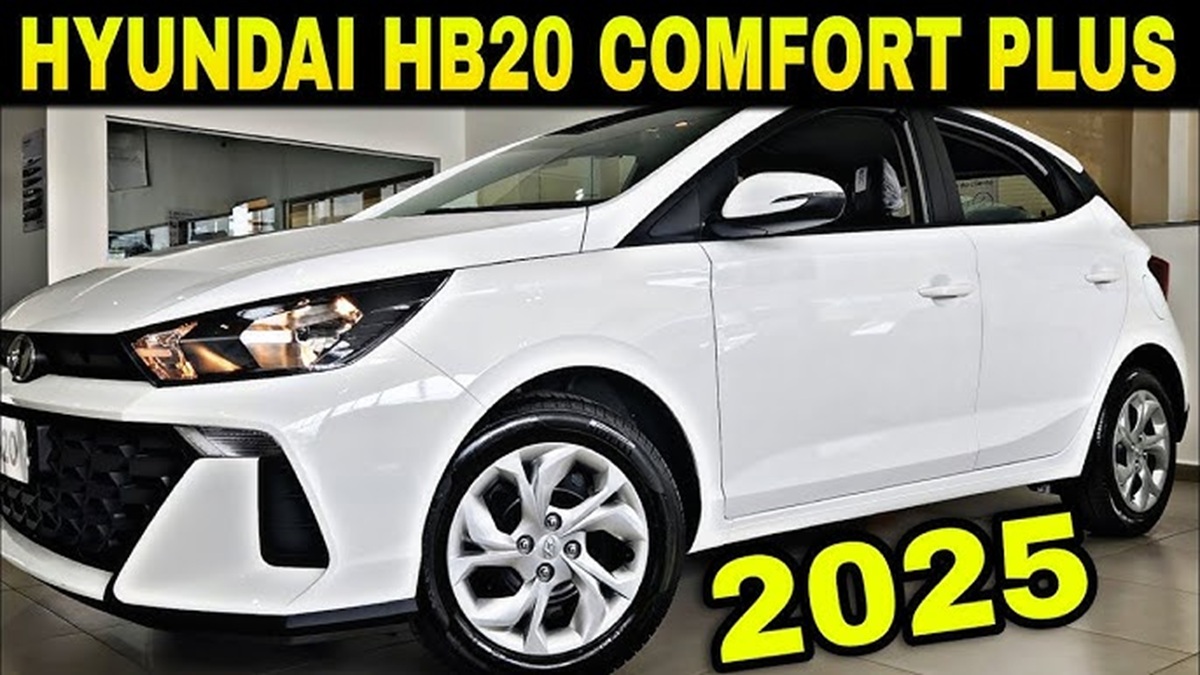
Is it worth considering a financed 2025 HB20 Comfort? A simulation with R$ 50,000 in the bank shows installments ranging from R$ 5,687 to R$ 2,365.
-
Road surveillance in Rio de Janeiro enters a new phase with the installation of more than 140 speed cameras on highways RJ-106 and RJ-104, and DER-RJ expands speed control in high-traffic areas.

The group’s idea is to introduce a new 1.3 turbo alcohol engine to the market, which already exists in the Flex option. However, the 100% alcohol car is expected to have similar autonomy, with a lower cost and fewer pollutant emissions.
The expectation is that this will be a long-term plan from the Stellantis group. However, the country’s lack of infrastructure still generates fear about how consumers would accept this alcohol-powered car. Nevertheless, in the past year, the idea was revisited when the Federal Government and the National Association of Motor Vehicle Manufacturers (Anfavea) progressed on the plan to revive the popular car segment.
Drivers May Embrace Stellantis’ Idea
Initially, the goal was to manufacture a “green car,” which would be powered by a new alcohol engine. As a result, the plan ultimately only included flex cars, which had prices above expectations. Therefore, it was agreed to incentivize the use of ethanol instead of fossil fuels.
A study conducted by the consultancy Datagro pointed out that, in Brazil, only 30% of drivers choose ethanol when refueling their vehicles. Thus, the Brazilian government plans to increase this percentage and has started to encourage a greater offer of renewable fuels.
Still, there are people who are not very excited about the idea of returning to a 100% alcohol car. In an interview with the newspaper Folha de S.Paulo, José Maurício Andreta Jr., president of the National Federation of Motor Vehicle Distribution (Fenabrave), states that perhaps the most interesting path for dealers is hybrid vehicles instead of this new alcohol engine.
Understand Fenabrave’s View on Alcohol-Powered Cars
In Andreta Jr.’s view, the path is the flex hybrid, not a car powered by pure alcohol, which would require the development of a new propulsor, with new calibrations, among other items.
The president’s statement confirms the realities far from the main capitals of the country, such as cities located in the interior of the Northeast and North regions, where price differences between gasoline and ethanol are minimal, making it difficult to justify the development of this new 100% alcohol car.
It is also important to highlight that the average price of ethanol increased by 6.42% at fuel stations across the country in the last two months. Therefore, gasoline is more advantageous in 18 states for refueling flex vehicles, while alcohol is more worthwhile in 8 states of the country and in the Federal District.









Motores flex são uma mentira da ANFAVEA para lula em 2002, pois prometiam elevadas exportaçoes destes e de seus veículos. Os flex pesam 20% mais do que os a etanol puro e so aproveitam 26% do poder calorifico total da gasolina jogando 74% fora. Veículos a etanol puro pesam 20% menos que os flex e aproveitam ate 32% do potencial calorifico do etanol. ASSIM, TIRANDO A ZERO POLUIÇÃO DO ETANOL, A CONTA DO MENOR CONSUMO, MAIOR EFICIÊNCIA E MENOR PRECO FICA MUITO FACIL E RAPIDA
Tenho um BYD Song Pro hibirdo plugin. No dia a dia uso somente elétrico carregado pelos meus painéis solares, ao viajar entra a gasolina que é usada praticamente só pra carregar a bateria. O mundo ideal para o Brasil seria um carro hibrido plugin que faça 100km somente na bateria 3 use um pequeno motor somente à Etanol para carregar a bateria. O potencial de uma tecnologia dessa é enorme. Pensem nisso.
O Brasil é uma país HIPÓCRITA mesmo!
Nesse ano vamos ter gasolina com 35% de etanol🤡😡, quase 50%!😬, nossa gasolina nunca foi de boa qualidade e agora vai piorar💩, como tudo no Brasil, que apenas anda para trás.
Carros muito caros para o brasileiro médio devido a altas exigências ambientais e impostos altíssimos, não temos redes de esgotos eficientes pq não há interesse político nisso(é para o povo), e qdo as redes de esgotos existem são péssimas, qdo chove vazam com tanta força que viram cascatas de esgoto a céu aberto, pelo menos aqui em Fortaleza é assim no dia na cidade que se intitula DUBAI em obras de edifícios de luxo, como na Índia onde há prédios de luxo e povo comendo lixo nas ruas.
HIPOCRITAS!