





 Português
  Inglês
  Espanhol
  3 min de leitura
  0 comentários


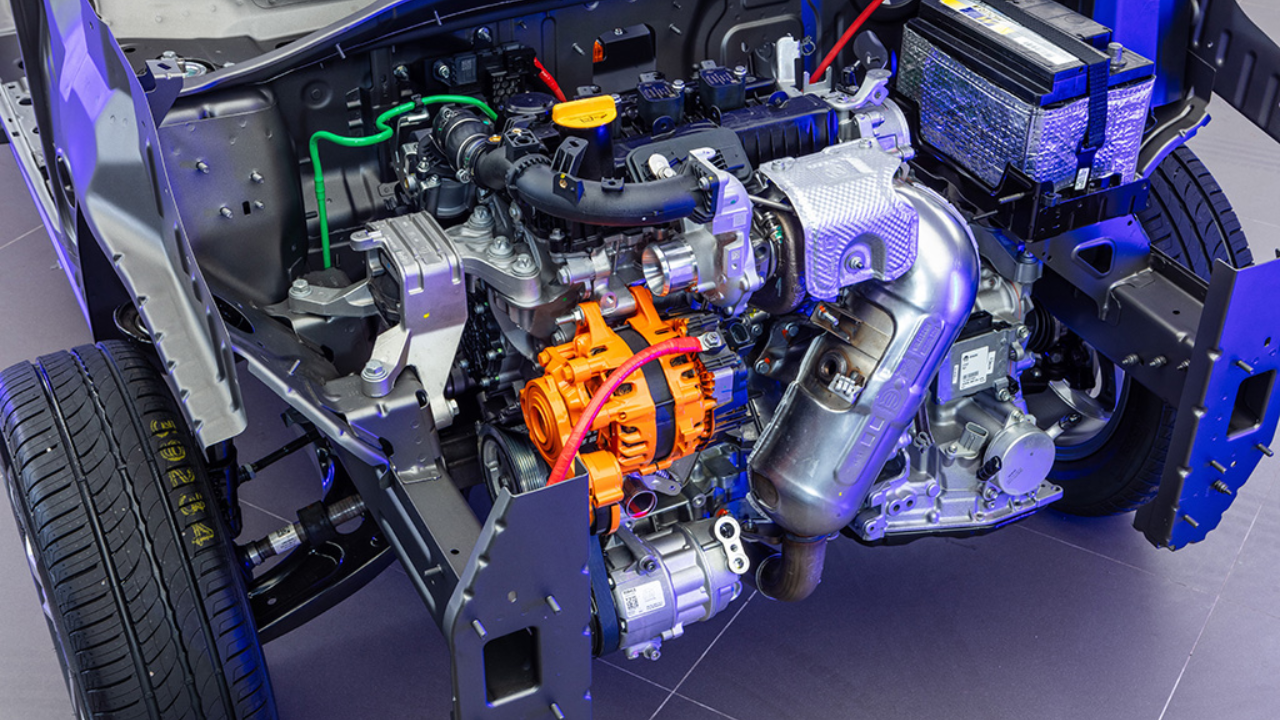
Company Invests R$ 30 Billion in the Development of Engines That Combine Ethanol and Electric Propulsion!
Stellantis, one of the largest automakers in the world, has just announced an investment of R$ 30 billion in the development of a new generation of hybrid engines that combine ethanol and electric propulsion.
This innovative technology, called “Bio-Hybrid,” promises to outperform electric vehicles and transform the landscape of global mobility.
Billion-Dollar Investment in South America
The strategy of Stellantis is to concentrate this billion-dollar investment in South America, with a special focus on the Brazilian market.
-
OMODA & JAECOO grows in Europe in 2026 with an integrated strategy of sales, innovation, local production, and technological advancement in the United Kingdom, Italy, and Spain.

-
OMODA & JAECOO expands after-sales service in Brazil with competitive maintenance, a 7-year warranty, and high availability of parts for technological SUVs.

-
OMODA & JAECOO appoints Alessandra Souza as executive marketing director in Brazil and accelerates brand expansion with a focus on innovation, networking, and hybrid portfolio.

-
Jaecoo 7 with super hybrid SHS system exceeds 1,200 km of combined range with a 1.5 turbo engine, high-density battery, and intelligent energy management.


The idea is to leverage the abundance and sustainable potential of ethanol produced from crops such as sugarcane and corn, creating a competitive alternative to fully electric vehicles.
Bio-Hybrid Technology: Efficiency and Versatility
The Bio-Hybrid technology from Stellantis combines flex engines that use a mixture of gasoline and ethanol, with the ability to switch between the two fuels, and advanced electric systems.
This combination includes options with plug-in charging and a dual-clutch electric transmission, promising better energy performance compared to conventional engines.
Advantages of Ethanol Over Fossil Fuels
According to Stellantis, the new hybrid engines will be developed to extract maximum performance from ethanol, a renewable fuel with lower carbon emissions when burned compared to gasoline.
This strategy aims to take advantage of Brazil’s infrastructure and experience in using ethanol as a clean and competitive fuel in the global market.
Stellantis’ Response to Electric Vehicle and Hydrogen Competition
The investment by Stellantis in Bio-Hybrid technology is seen as a direct response to the growing global competition in the electric vehicle sector and the advancement of the hydrogen industry, led by countries such as Japan and China.
The bet on ethanol combined with electrification opens a new front in the race for cleaner and more efficient transportation solutions.
Expected Impact on the Automotive Market
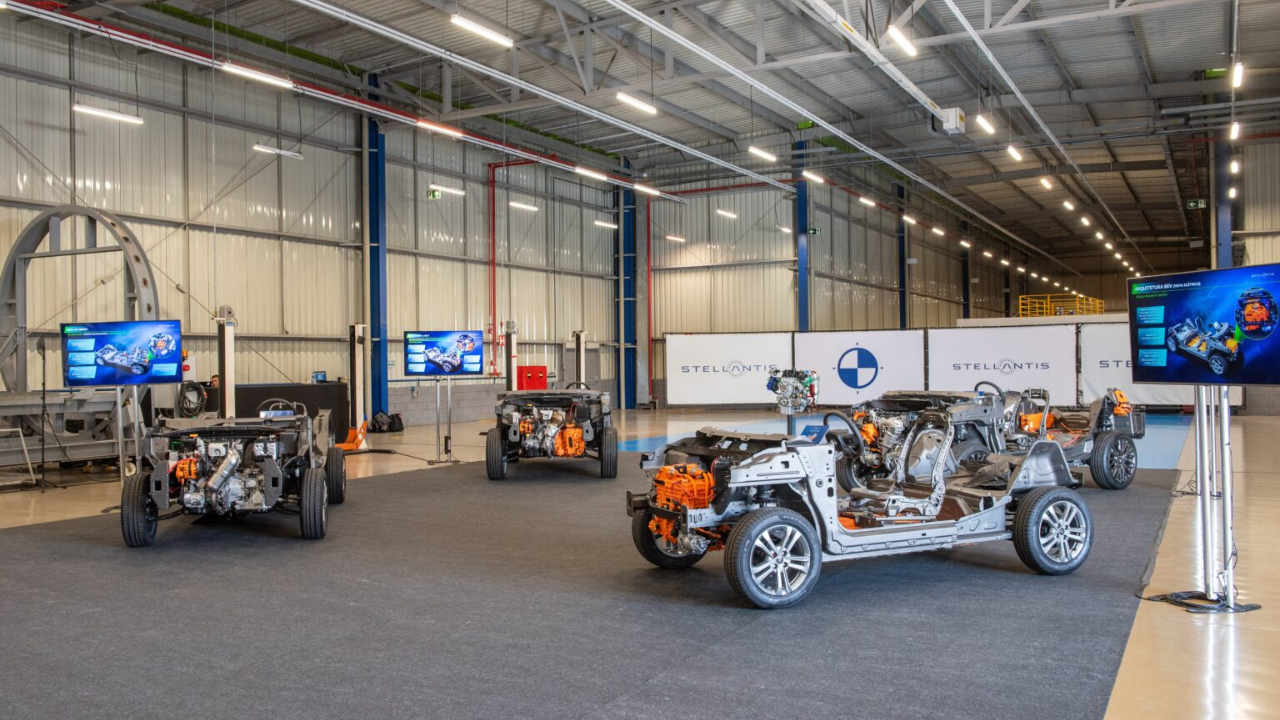
Variations of the Bio-Hybrid technology from Stellantis include the standard model with an internal combustion engine and electric propulsion, the Bio-Hybrid eDCT, with a dual-clutch electric system, and the Bio-Hybrid Plug-In, with external charging capacity and use of the electrical grid to increase range.
This diversity of options is expected to position Stellantis as a leader in the energy transition for automotive mobility.
Launch Expected in the Coming Years
According to the information released, the new line of hybrid engines from Stellantis, integrating ethanol and electric propulsion, is expected to be launched in the coming years.
This billion-dollar investment represents a strategic step for the company to stand out in the global market for sustainable vehicles, consolidating its position as a reference in the use of ethanol as a clean and competitive fuel.
SOURCE: SOCIEDADEMILITAR









Seja o primeiro a reagir!