





 Portuguese
  English
  Spanish
 6 min of reading
  0 comments


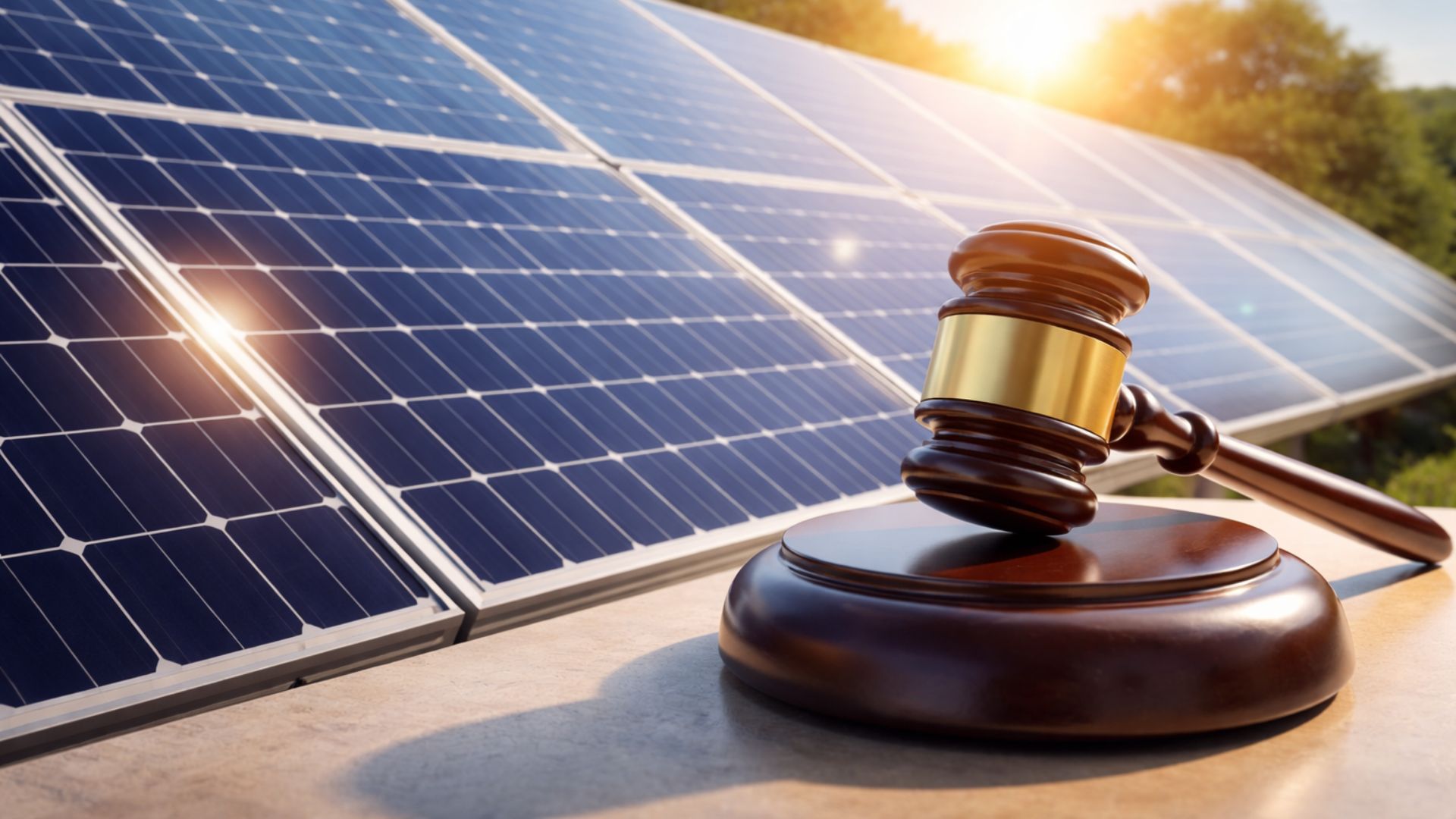
STF Decision Authorizes ICMS Charge on Excess Solar Energy in Piauí, with Alexandre de Moraes’ Vote, Impacting Photovoltaic Credits and Residential Microgeneration
The Federal Supreme Court has reinstated the tax charge on the excess of photovoltaic generation in the northeastern state. The decision was made unilaterally by Minister Alexandre de Moraes, the acting president of the Court at the time, and suspended a previous injunction granted by the State Court of Justice. According to a report published by G1 this Thursday (5), the STF suspended an injunction that prevented the ICMS charge on excess solar energy in Piauí, reigniting debates on taxation, sustainability, and legal security for consumers and companies using distributed micro and mini-generation.
STF Reinstates ICMS on Solar Energy in Piauí and Alters Regulatory Scenario
It is essential to understand the point that generated the most public confusion: there is no ICMS charge on direct solar energy generation for self-consumption. The tax applies to services and costs related to using the electric grid when there is injection of excess energy into the Electric Energy Compensation System. Nonetheless, the economic and regulatory impact of the decision caused a strong reaction throughout the Brazilian electricity sector.
The STF decision had an immediate effect by reinstating the ICMS charge on the excess solar energy in Piauí, reversing the provisional understanding that had been in place since the injunction granted by the local Court of Justice. In practice, what changed was the state’s ability to tax costs related to the use of the distribution network when the consumer injects unused energy into the electrical system.
-
Roraima bets on the sun to escape high tariffs: Amid the energy crisis and price hikes, solar energy is growing in Roraima and transforming consumption in the North region.
-
Copel boosts solar energy in Paraná and brings innovation to public schools, promoting savings on electricity bills, energy efficiency, and a direct impact on the quality of education.
-
Brazil reaches historic milestone in solar energy: Sector surpasses 2 million accumulated green jobs and generates billions in the national economy even under market pressure.
-
Minas Gerais takes the lead in renewable energy: State surpasses historic mark of 14 GW in solar energy generation in MG and consolidates dominance in the Brazilian electric sector.
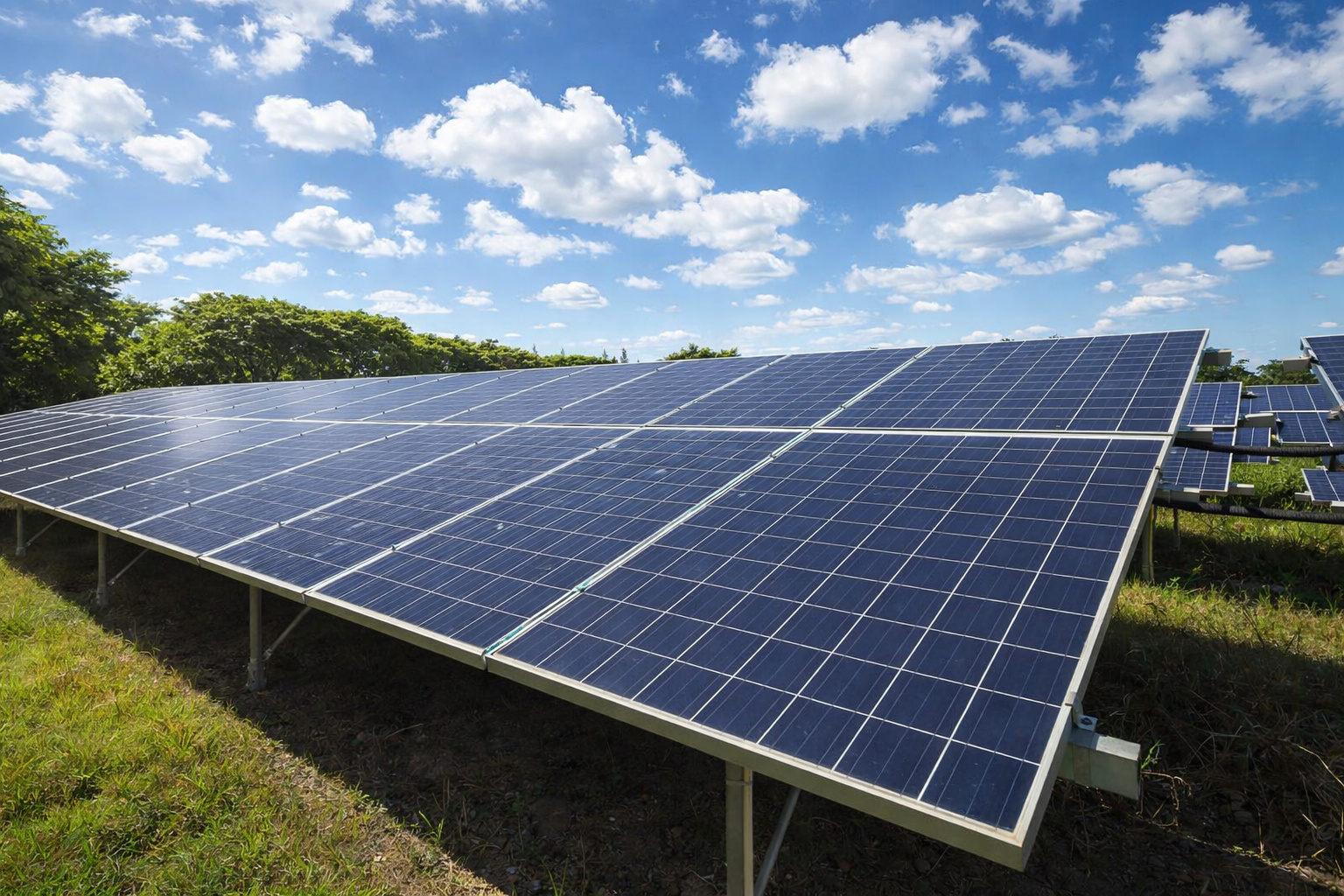

The central point is not the generation of energy, but the use of public infrastructure. This technical distinction was emphasized by Minister Alexandre de Moraes, who considered the financial impact argument presented by the state government to be legitimate. According to the process, the previous suspension could lead to significant revenue losses, affecting the ability to maintain public services.
Furthermore, the decision does not end the legal debate. The case may still be analyzed by the STF’s collegiate if an appeal is filed, keeping the issue in the spotlight and reinforcing the need for constant monitoring by consumers, lawyers, and companies in the photovoltaic sector.
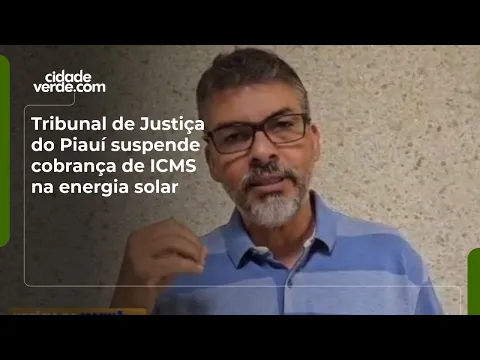

How the Solar Energy Compensation System Works and Why ICMS Entered the Discussion?
The Electric Energy Compensation System allows consumers with solar panels to generate their own electricity and use credits when production exceeds immediate consumption. This excess is sent to the electric grid and converted into a balance for deduction in future bills. It is precisely at this moment that the tax controversy arises.
The debate centers around whether sending excess energy characterizes the circulation of goods, an essential element for the ICMS charge. While previous decisions understood that there would not be a generating fact, the recent position of the STF deemed the charge legitimate when there are structural costs involved in maintaining the network. In other words, solar energy is not taxed at the source but can incur indirect charges for the infrastructure used.
This understanding seeks to balance incentives for sustainability and fiscal responsibility, avoiding situations where concessionaires assume operational costs in full without financial compensation. At the same time, experts warn that the measure requires clear communication to avoid discouraging new investments in distributed generation.
Note from the Department of Finance Clarifies Limits of the Charge in Piauí
After the decision, the State Department of Finance issued an official note emphasizing that there is no ICMS charge on the generation of solar energy by residential or business consumers. The text highlighted that the tax applies exclusively to costs and services related to the use of the electric grid, such as transmission and distribution.
This statement was considered strategic to contain misinformation and insecurity among consumers. Many owners of photovoltaic systems believed that they would start paying tax for domestic production, which does not correspond to the reality described by the public administration itself. The official communication aimed to preserve confidence in the market and reinforce that the model follows parameters applied in other Brazilian states.
Even with the clarification, the debate remained intense among specialists in tax and energy law, who analyze the practical effects of the decision and the possibility of new judicial interpretations in higher courts.
Alexandre de Moraes, Financial Impact and Economic Arguments Presented to the STF
The Minister Alexandre de Moraes based his decision on data presented by the Piauí government, which indicated estimated losses in the tens of millions of reais in just one fiscal year. The main argument was the risk of compromising public services due to revenue losses.
In the magistrate’s understanding, the suspension of the charge could impact the state’s economic order, since the tax in question did not apply to the production of solar energy, but to services associated with maintaining the electric grid. This distinction was deemed essential for validating the government’s request.
Additionally, the decision’s text highlighted that the amount involved was significant enough to justify intervention from the Supreme Court. The debate shifted from being purely technical to involving fiscal sustainability, demonstrating how judicial decisions can influence public policy and budget planning.
Solar Energy, Sustainability, and Legal Security Under Debate in Piauí
The expansion of solar energy in Brazil is often associated with reducing carbon emissions, energy independence, and stimulating the green economy. In Piauí, a state with high solar incidence, the growth of distributed microgeneration has occurred consistently in recent years, driving residential and business investments.
However, decisions involving ICMS reveal that technological advancement must go hand in hand with clear regulations. Legal security is a decisive factor for new investments, especially in a sector that requires medium- and long-term financial returns. Sudden changes in understanding can create apprehension among consumers and companies planning to install photovoltaic systems.
Experts argue that public incentive policies should coexist with transparent and predictable fiscal rules. The balance between revenue generation and sustainability is seen as a key element for national energy development.
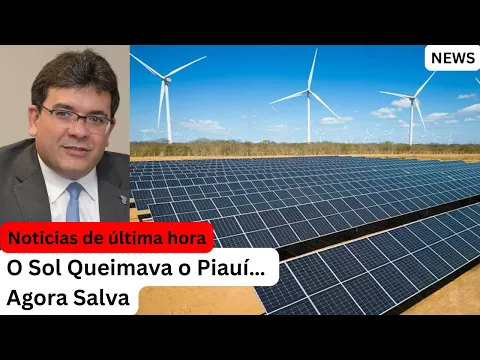
What Consumers and Companies Need to Observe in Light of the STF Decision
For residential consumers and business owners, the main point of attention is to understand that the direct production of solar energy is not subject to taxation. The impact only occurs when there is intensive use of the electric grid for offsetting excess credits. Therefore, consumption and generation planning become even more relevant.
It is advisable to monitor possible legal appeals and regulatory changes, as the topic may still be reviewed by collegiate bodies. Analyzing contracts with concessionaires and calculating updated investment returns are prudent measures. Correct information mitigates financial risks and prevents decisions based on misunderstandings.
Specialized consultancies also advise consumers to evaluate the sizing of the photovoltaic system, avoiding production significantly exceeding actual consumption, which could increase indirect costs related to electrical infrastructure.
A New Chapter in the Relationship Between Taxation and Renewable Energy in the State
The STF decision redefined the debate on ICMS and solar energy in Piauí, highlighting that the discussion goes beyond technical issues and involves economic planning, sustainability, and legal security. The understanding presented by Alexandre de Moraes reinforced the distinction between producing electricity and using public networks, an essential point for correctly interpreting tax incidence.
The topic remains in evolution, as it may still be analyzed in collegiate bodies and influence other Brazilian states. Consumers and businesses are staying alert, seeking a balance between financial economy and regulatory compliance. At the same time, the growth of renewable energy continues as an irreversible trend in the country.
The combination of verified information, legal monitoring, and strategic planning becomes essential for those investing in photovoltaic systems. The debate shows that sustainability and fiscal responsibility must go hand in hand, ensuring technological advancement without compromising economic stability.








Seja o primeiro a reagir!