





 Portuguese
  English
  Spanish
  3 min of reading
  0 comments


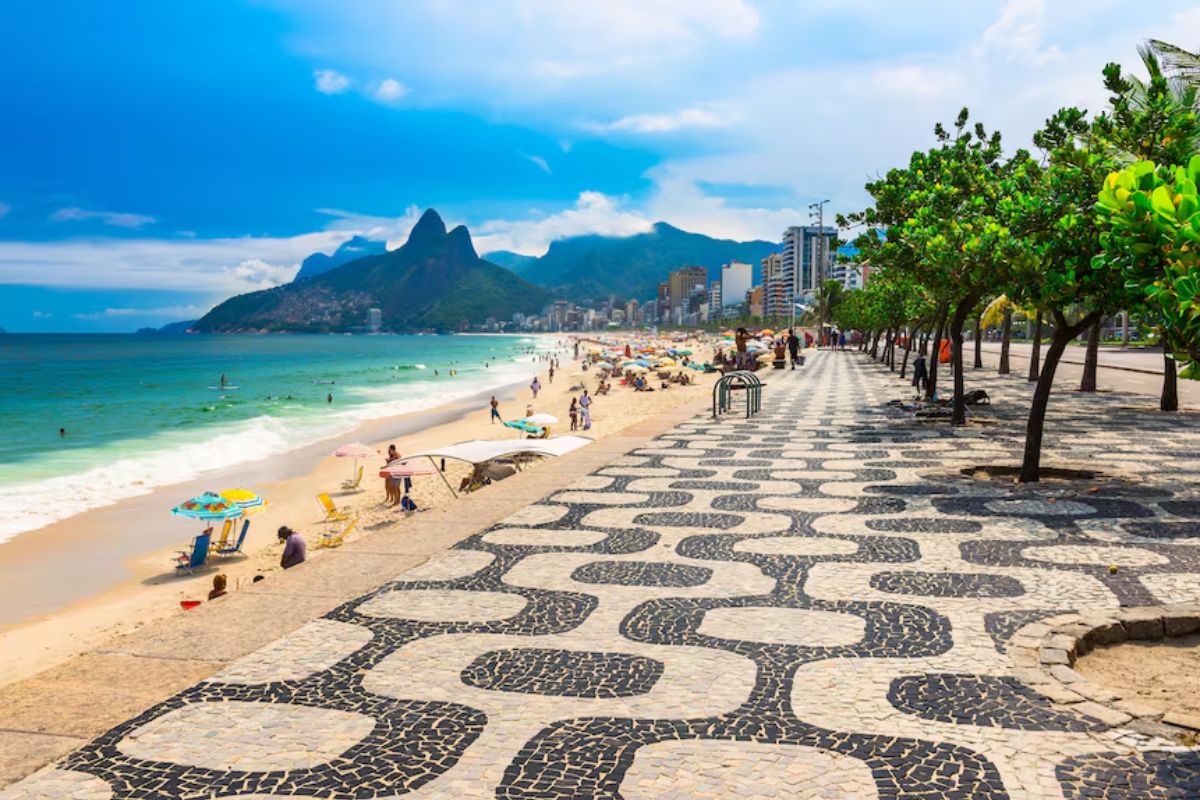
A Scientific Study Projects That The Sea Could Advance Up To 100 Meters Over The Sand Of The Famous Beaches Of Rio, A Risk For The Waterfront And The Infrastructure Of Ipanema And Copacabana.
The beaches of Ipanema And Copacabana, two of the biggest postcards of Brazil and the world, are at risk of having their landscape drastically altered in the coming decades. A study conducted by a group of scientists warns that sea level rise could cause water to advance up to 100 meters over the sandy beach by the year 2100.
According to an article published by the InfoMoney portal, which released the study’s data, the phenomenon is a direct consequence of global warming. The projection serves as a warning for the impacts of climate change in one of the most iconic and valued areas of the planet.
What Does The Study Say? An Advance Of 100 Meters Over The Waterfront
It is essential to understand what the study projects. It is not about a 100 meter rise in sea level, but rather a horizontal advance of up to 100 meters over the sandy beach.
-
Friends have been building a small “town” for 30 years to grow old together, with compact houses, a common area, nature surrounding it, and a collective life project designed for friendship, coexistence, and simplicity.

-
This small town in Germany created its own currency 24 years ago, today it circulates millions per year, is accepted in over 300 stores, and the German government allowed all of this to happen under one condition.

-
Curitiba is shrinking and is expected to lose 97,000 residents by 2050, while inland cities in Paraná such as Sarandi, Araucária, and Toledo are experiencing accelerated growth that is changing the entire state’s map.

-
Tourists were poisoned on Everest in a million-dollar fraud scheme involving helicopters that diverted over $19 million and shocked international authorities.


This means that, in the worst-case scenario projected for 2100, a large part of the famous sandy beach of Ipanema And Copacabana could disappear, with sea water coming much closer to the promenade and the avenues.
The Cause Of The Problem: Global Warming And The Melting Of Glaciers
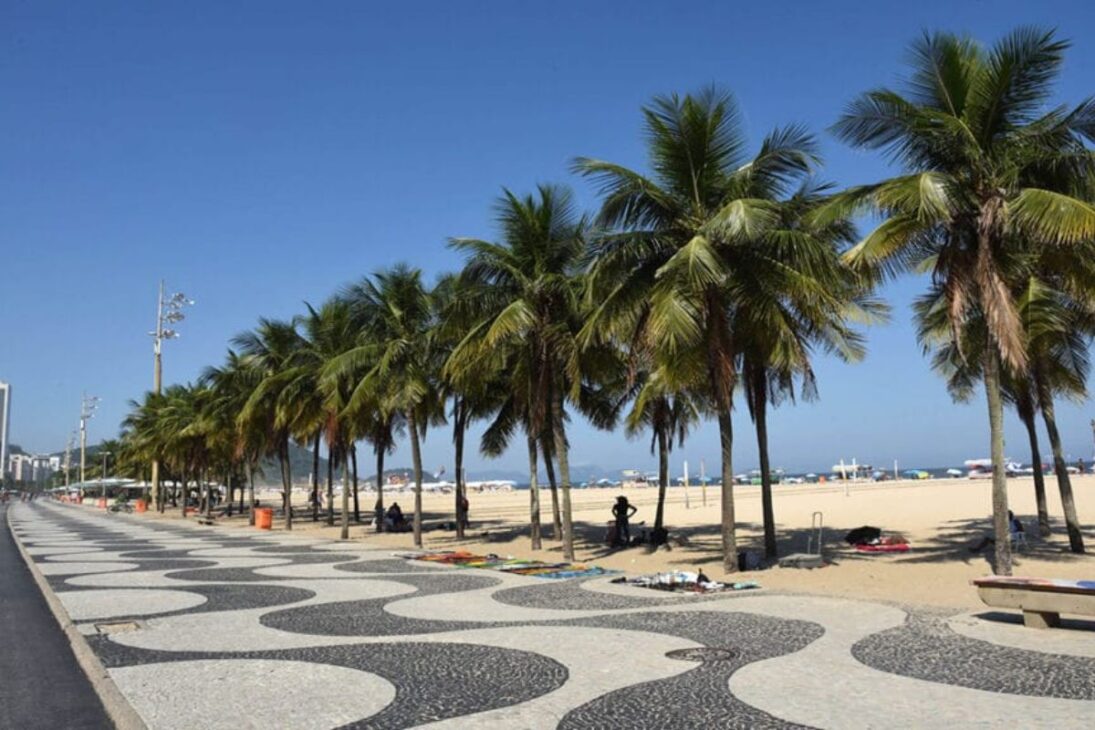
The cause of this alarming projection is global warming. The increase in the planet’s temperature accelerates the melting of polar ice caps and glaciers, which, in turn, raises the average sea level worldwide.
Coastal cities, especially those at low altitude, are the most vulnerable to this phenomenon.
The Impact For Rio De Janeiro
The consequences of such a sea advance would be severe for Ipanema And Copacabana. The impact would not just affect the landscape.
Infrastructure: The promenade, coastal avenues (such as Av. Atlântica and Av. Vieira Souto), kiosks, and even the first buildings along the waterfront would be at risk of being hit by water during high tide and storm surges.
Economy: Tourism and the real estate market, two pillars of the economy in Rio’s South Zone, would be profoundly affected. The loss of the beach, the main attraction of the region, could devalue one of the most expensive areas in Brazil.
Why Are Ipanema And Copacabana So Vulnerable?
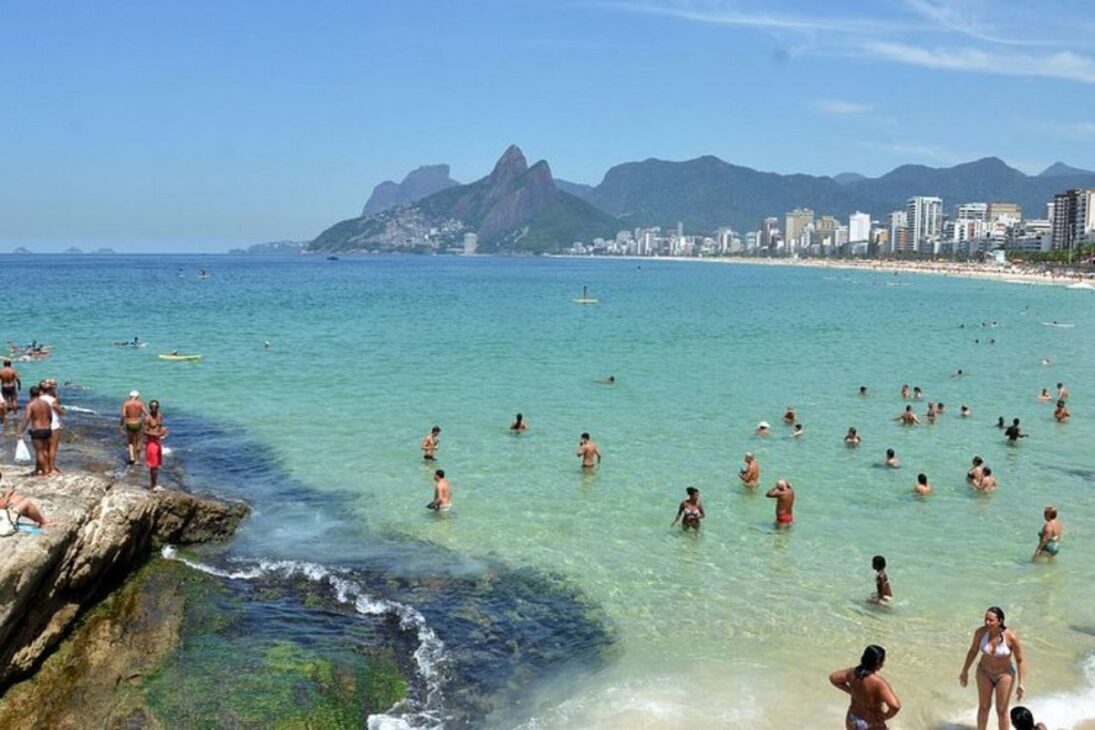
The geography of Ipanema And Copacabana makes them particularly susceptible to sea advance. Both are beaches located in flat, low-lying areas, which offer little natural barrier against the rising sea level.
Unlike areas with cliffs or higher topography, the flat coastline of the two beaches facilitates the advance of water over the sandy beach.
The Need For Planning
The study about the future of Ipanema And Copacabana serves as an important warning. It highlights the need for long-term urban planning that takes into account the effects of climate change.
Adaptation measures, such as building protective barriers, replenishing the sandy beach, and reviewing construction rules along the waterfront, could become increasingly urgent discussions to ensure the preservation of two of Brazil’s greatest natural and cultural treasures.










Seja o primeiro a reagir!