





 Português
  Inglês
  Espanhol
  4 min de leitura


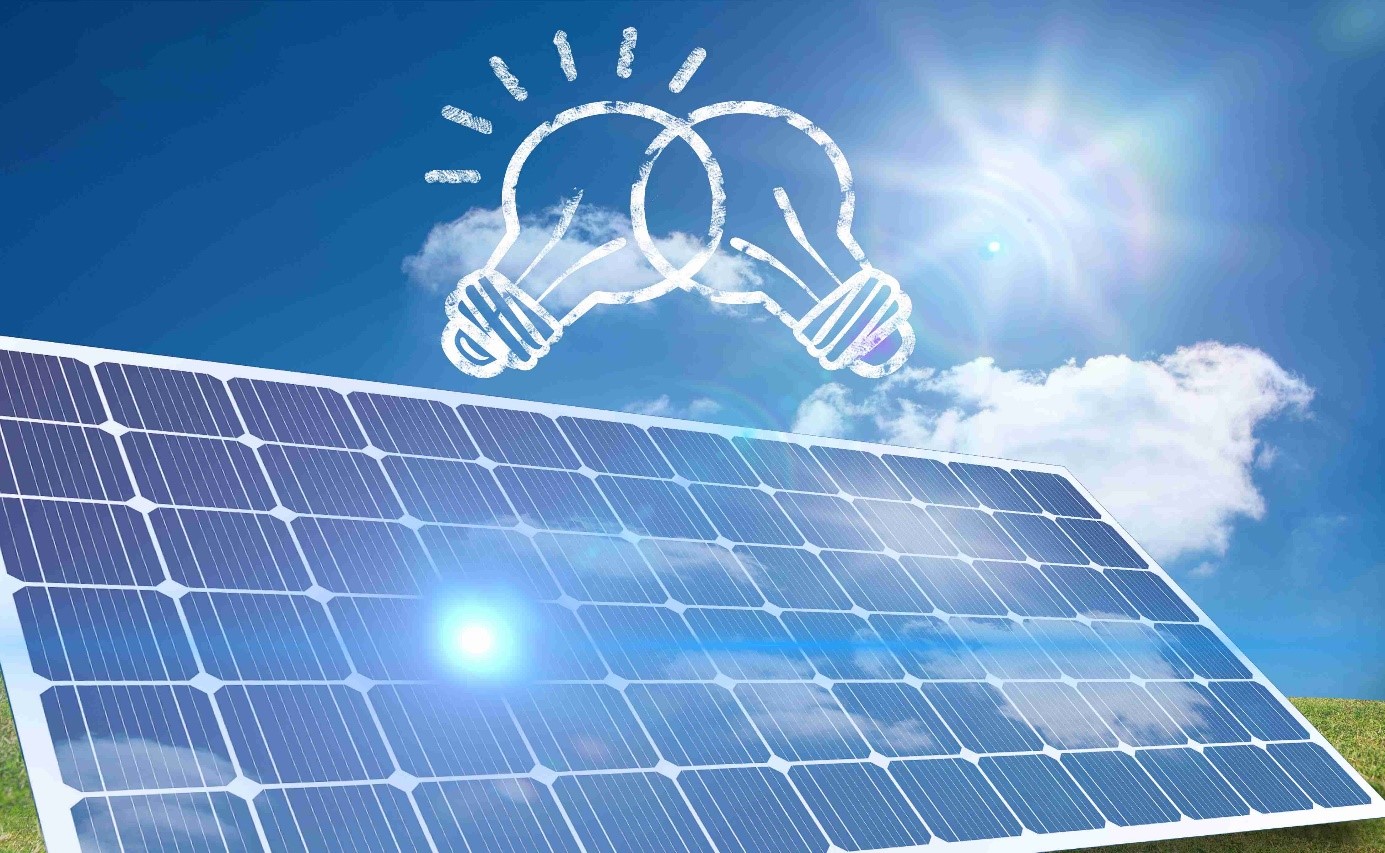
Solar Energy, A Renewable Source, Is A Great Solution For Those Who Want To Save On Their Electricity Bill, Considering The High Cost Of Electric Energy
For those looking for innovation and good cost-effectiveness to replace electric energy, solar energy is a strong alternative. Check out the following advantages, costs, and workings of the residential system of this renewable source.
Also Check:
- Gerdau Graphene Signs Contract With Embrapii/SENAI-SP To Explore The Great Potential Of Graphene In Polymer Resins
- Voith Hydro Will Upgrade And Extend The Lifespan Of The Turbines At The Paulo Afonso Hydroelectric Plant
- Fuel Station Network Saves By Creating Its Own Solar Energy Network
Positive Points Of Solar Energy
The immense solar energy potential of Brazil is underutilized because many people do not know how it works and what is needed to use this renewable source at home, rather than relying on electric energy.
“Residential solar energy, known as distributed generation, is good for the consumer’s wallet. But it is also good for Brazil as a developing country that will need a lot of energy to grow; and for the world, because it protects the environment, as it does not emit greenhouse gases,” highlights Rafael Shayani, professor of the Electrical Engineering Department at the University of Brasília (UnB).
-
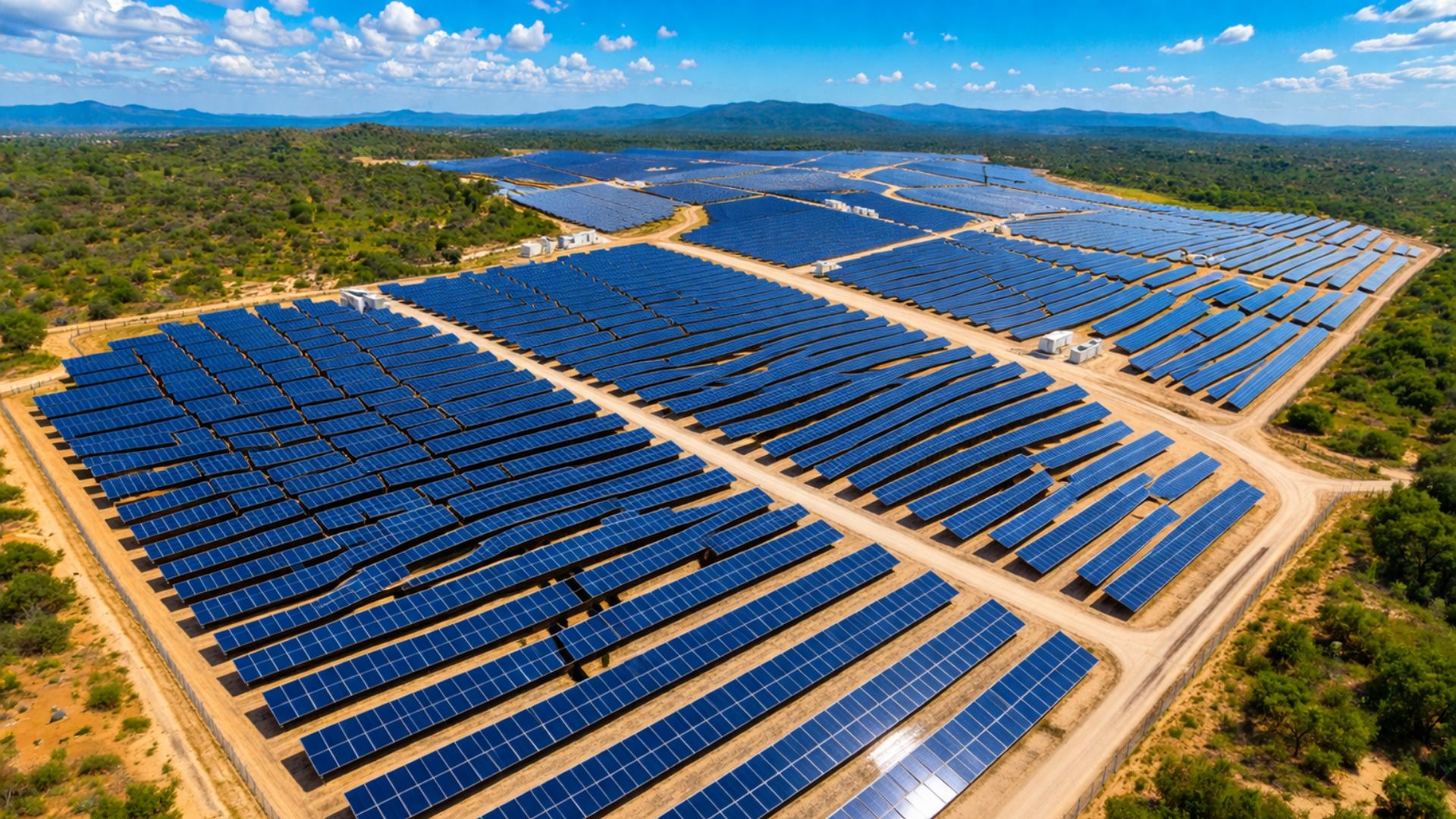
The Sol do Agreste Photovoltaic Complex begins operations in Pernambuco and accelerates the expansion of solar energy in Brazil, directly impacting the reduction of emissions and strengthening the sustainable energy matrix.
-
The Sol do Agreste Photovoltaic Complex begins operations in Pernambuco and accelerates the expansion of solar energy in Brazil, directly impacting the reduction of emissions and strengthening the sustainable energy matrix.
-
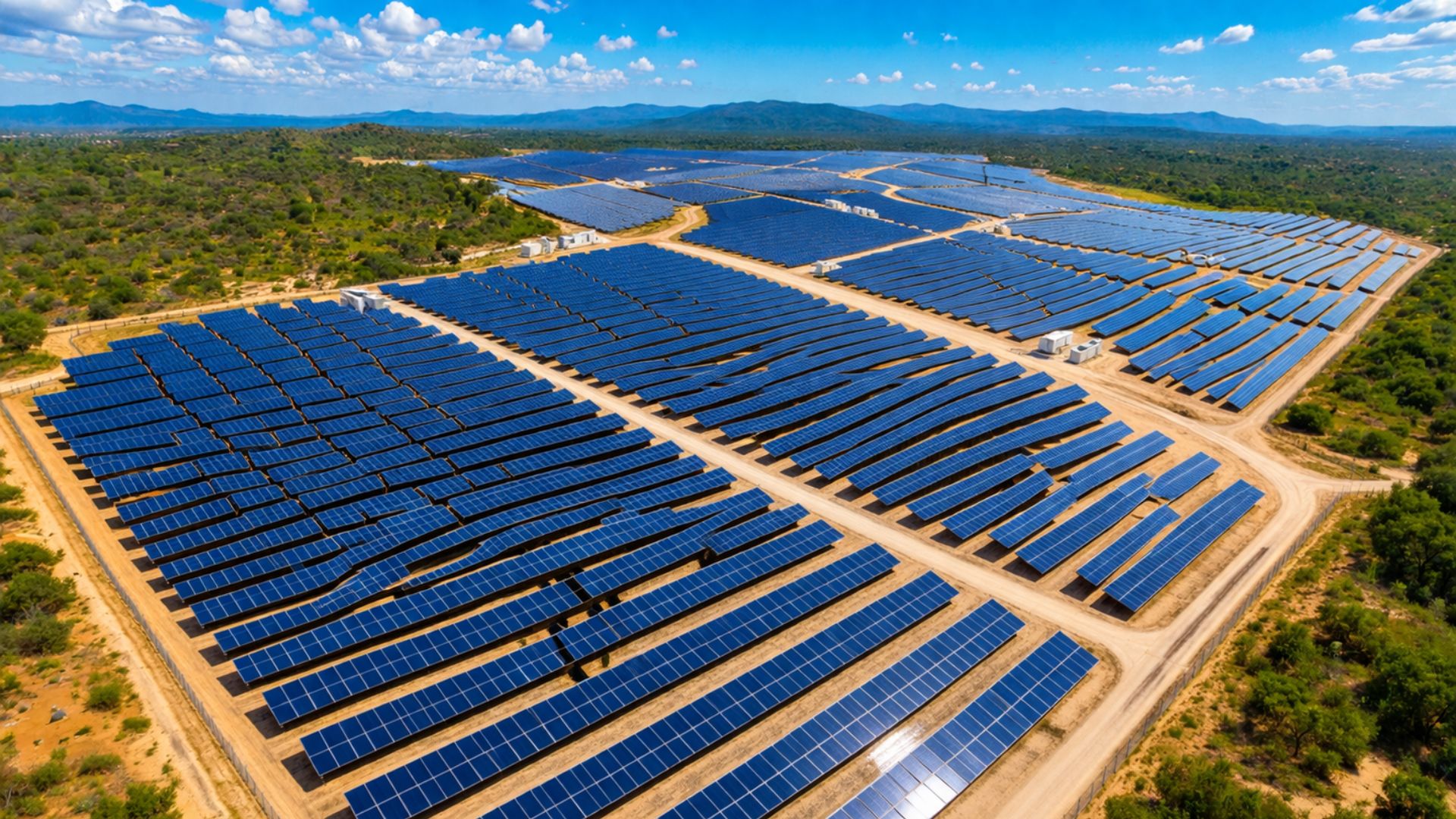
Renewable energy advances over protected areas in Brazil, and a survey by the Energy Transition Observatory reveals silent impacts that challenge environmental conservation and pressure sensitive traditional territories.

-
Rio Grande do Sul accelerates energy transition: State invests in renewable technologies and consolidates decarbonization strategies and pathways to attract billions in new industrial investments.


- Good For The Wallet
According to Shayani, an investment of R$ 12,000 to R$ 15,000 in solar energy can reduce the electricity bill by 90%. The capital is recovered in approximately 5 years and the system lasts between 20 and 25 years.
- Good For The Country
As a growth in energy demand is expected due to the increase in industries projected for the coming years, solar energy is a renewable and cleaner source, which contributes positively for Brazil.
- Good For The Planet
Unlike the burning of natural gas and the need for hydropower plants, solar energy does not flood forests or release greenhouse gases. Thus, this renewable source is beneficial for the Earth, serving as a way to protect the environment. “The more people adopt it, the more energy the country will produce, and less fossil fuel will need to be used,” adds Shayani.
What Happens If There Is No Sun?
Connecting the panels to the electric power distribution grid is an option to ensure there is no lack of power in situations without sunlight. “It’s as if the energy meter runs backwards when it’s daytime and consumption is lower. At night, then, when there’s no sun, you will draw that energy back, using energy from Brazilian hydropower plants.” Thus, the Energy Compensation System occurs: the meter registers the relationship between electric energy and solar energy as zero.
How Does Solar Energy Work?
The distinguishing factor of solar energy is that, unlike electric energy, for example, its system is electronic, and the solar panels are made from a silicon stone. Like hydropower and wind energy, it is also a renewable source. “When sunlight hits it, an electron gets excited, generating energy. This electric current leaves the roof and enters the equipment, powering the house,” explains the expert.
Allowed Modalities Of This Renewable Source
Four modalities of distributed solar energy generation are legalized. The first is the production at the consumer unit itself; the second, called remote self-consumption, involves two residences in the same state; the third is the mode of multiple consumer units, such as in condominiums; while the fourth is shared generation, which encompasses a larger plant.
Cost Of Equipment
The system’s value is linked to two factors: the average amount of electric energy used and the incidence of solar energy at the location. “Normally, we have five hours of strong sunlight per day. Considering this average as a reference, we then need a solar energy system of approximately 2 kW installed on the roof of the house,” explains the professor.
In addition, the cost varies following the dollar, which is around R$ 5.50. “Currently, this equipment should cost between R$ 12,000 and R$ 15,000, but with it installed, the electricity bill can drop to the minimum amount charged by the utility.”
Attention: installation must be done by a specialized company, as registration with the Security Council is required.









Seja o primeiro a reagir!