





 Português
  Inglês
  Espanhol
  4 min de leitura
  0 comentários


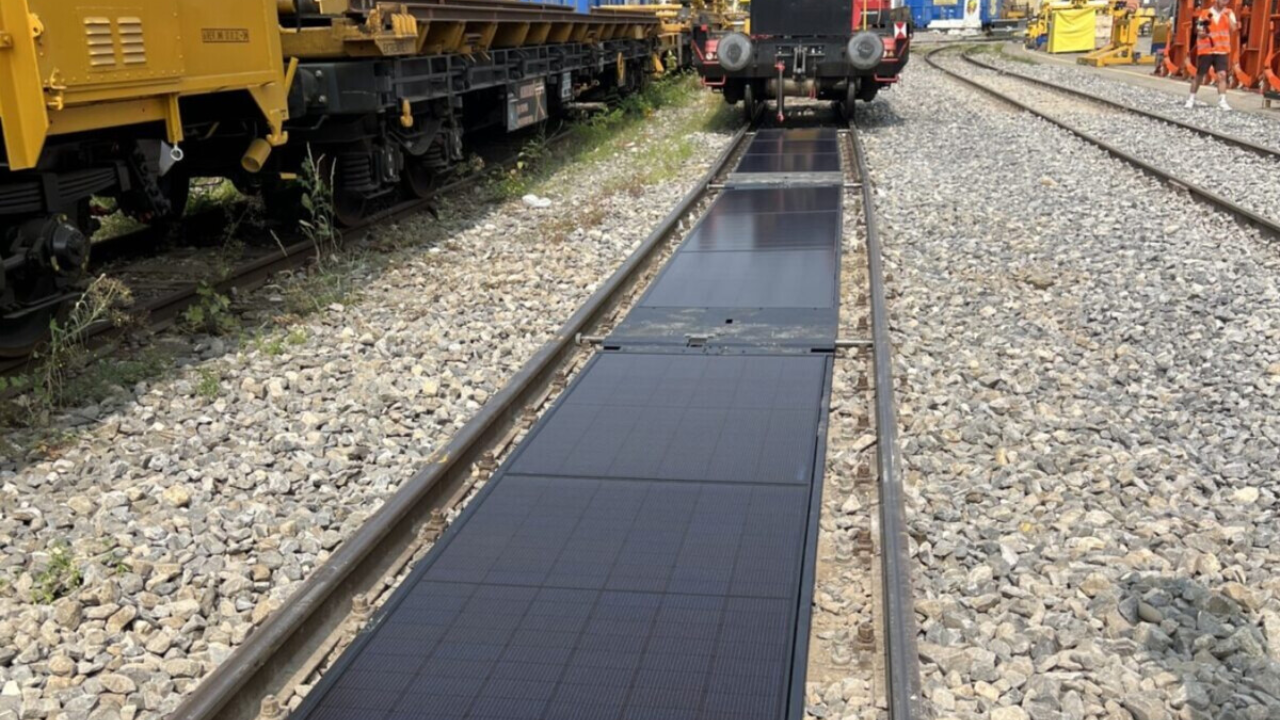
The Initiative Aims to Generate Clean Electricity Without Compromising the Beauty of Natural Landscapes, Leveraging Existing Rail Infrastructure
The Switzerland is recognized for its natural beauty and charming landscapes, but it also seeks sustainable alternatives for energy generation alongside its railways.
In an effort to harmoniously integrate solar energy, the startup Sun-Ways has developed an innovative project: the installation of solar panels on train tracks.
This approach aims to minimize the visual impact of renewable energy while utilizing existing infrastructure.
-
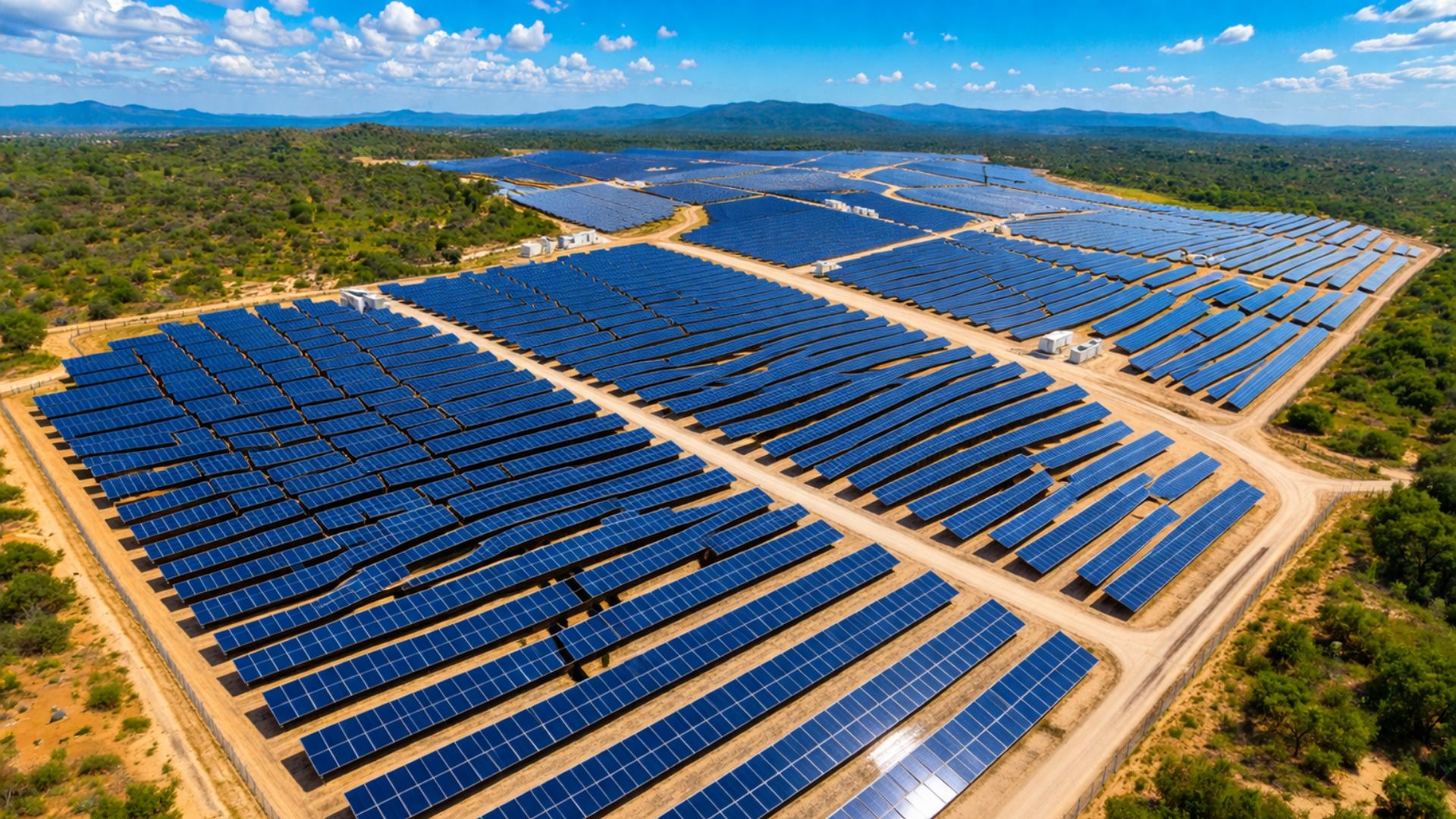
The Sol do Agreste Photovoltaic Complex begins operations in Pernambuco and accelerates the expansion of solar energy in Brazil, directly impacting the reduction of emissions and strengthening the sustainable energy matrix.
-
The Sol do Agreste Photovoltaic Complex begins operations in Pernambuco and accelerates the expansion of solar energy in Brazil, directly impacting the reduction of emissions and strengthening the sustainable energy matrix.
-
Renewable energy advances over protected areas in Brazil, and a survey by the Energy Transition Observatory reveals silent impacts that challenge environmental conservation and pressure sensitive traditional territories.

-
Rio Grande do Sul accelerates energy transition: State invests in renewable technologies and consolidates decarbonization strategies and pathways to attract billions in new industrial investments.


Pioneering Project in the Swiss Railway
The pilot program, which is scheduled to be implemented in 2025, has been approved by the Federal Department of Transport of Switzerland.
The project will allow the installation of solar panels on a stretch of 100 meters of line 221 of transN, a company dedicated to public transportation.
This stretch will feature 48 panels of 380 W each, with the capacity to generate enough electricity to supply the entire local network, with an estimated annual production of 16,000 kWh.
The initial budget for the project implementation is 585,000 Swiss francs, which is equivalent to approximately R$ 3.83 million.
Collaboration with the local electricity supplier Viteos and the railway electrical installation company DG-Rail is crucial for the success of this initiative.
Ease of Installation and Maintenance
One of the most interesting features of this project is the flexibility in installing the solar panels.
They can be placed manually or using a railway machine specifically designed for this task, allowing the installation of up to 1,000 square meters of panels per day.
In addition to the efficiency in installation, the ability to disassemble the panels facilitates maintenance activities, ensuring that the railway continues to operate without interruptions.
Challenges in Project Approval
Although the project has received approval, the path to this point has not been simple.
The Federal Office of Transport initially rejected the request as a precaution.
However, with the support of experts, including two professors from Haute École d’Ingénierie et de Gestion du Canton de Vaud (HEIG-VD) and an engineer from Geste Engineering, new evaluations were carried out.
These assessments ensured that the solar panels met all technical and safety requirements.
The solar panels developed by Sun-Ways feature advanced technical characteristics, such as greater resistance to microcracks and an anti-reflective filter that minimizes glare for railway machine operators.
These innovations are crucial to ensuring the safety of workers and the efficiency of the system.
Other Renewable Energy Initiatives
The project in Switzerland is not the first of its kind but stands out for its innovation.
In countries like Germany, Austria, and Japan, similar initiatives have already been implemented.
In Germany and Austria, solar panels have been installed on highways, while in Japan, transparent solar module options are being used as windows.
Additionally, photovoltaic tiles are an alternative that promotes self-consumption of solar energy.
These initiatives demonstrate a growing trend of integrating solar energy into different infrastructures.
The use of solar panels on highways and railways not only generates electricity but also offers a practical solution for the lack of available space in urban areas where land use is limited.
The Importance of Aesthetic Integration in Railways
The ability to integrate solar panels into various infrastructures, such as the railway, not only contributes to environmental preservation but also helps to maintain the aesthetics of the landscapes in the areas where they are implemented. This innovative approach from Switzerland can serve as inspiration for other nations seeking sustainable solutions without compromising the natural beauty of their regions.
The Role of Technology in Solar Energy
The advancement of technology has been fundamental for the viability of projects like the one from Sun-Ways.
The evolution of solar panels, which are now more efficient and less intrusive, allows them to be used in unusual locations, such as train tracks.
Continuous research into new technologies, such as flexible solar panels and energy storage systems, promises even more opportunities to integrate solar energy into existing infrastructures.
Moreover, digitization and automation are enabling companies like Sun-Ways to better manage the installation and maintenance of solar energy systems, reducing costs and increasing efficiency.
With this, Switzerland not only positions itself as a leader in innovation but also contributes to a more sustainable future.
The Future of Solar Energy in Switzerland and the World of Trains
The initiative from Switzerland to install solar panels on railway tracks represents a significant step towards a more sustainable future, where solar energy and environmental preservation go hand in hand.
As more countries seek creative solutions to meet their energy needs, the Swiss example can inspire a new era of innovation in renewable energy.
The engagement of civil society and awareness of the importance of renewable energies also play a crucial role in the acceptance and implementation of projects like this.
As the demand for clean energy rises, Switzerland and other nations are striving to find ways to balance economic growth with environmental protection, ensuring a sustainable future for the coming generations.
SOURCE: XATAKA









Seja o primeiro a reagir!