





 Portuguese
  English
  Spanish
  2 min of reading


The Evolution Of Super Batteries Promises To Revolutionize The Mining Sector By Drastically Reducing Carbon Emissions
As the need for decarbonization increases, two major heavy equipment manufacturers are at the forefront of testing batteries for mining trucks with a capacity greater than 200 tons. These advancements pave the way for the first fully electric vehicles of this size.
According to the Electric Mine report, the American giant Caterpillar is already testing a battery for a 265-ton truck. Simultaneously, the German company Liebherr is analyzing a high-density battery for one of its models, with a capacity of 240 tons.
Super Batteries: The Solution For Large Green Trucks
So far, the battery models created could only move trucks weighing less than 200 tons. Therefore, these new super batteries are a crucial step in enabling a new generation of green trucks, surpassing hybrid diesel-electric models and hydrogen trucks.
-
Oncorp wins auction and enables biodiesel and gas thermal plants in Brazil, with strategic projects in Suape and Xavantes Aruanã.

-
Raízen Recovery: Shell Cosan May Reduce Control After R$ 65 Billion Debt

-
Outback Montes Claros: Chain Confirms First Unit in Northern Minas in 2026

-
Inpasa Creates Advisory Council and Brings José Olympio to Strengthen Corporate Governance


The prospect of eliminating direct emissions from vehicles responsible for most of the world’s ore transportation is a significant advancement in the sector. These vehicles account for half of the mining sector’s carbon footprint. Therefore, super batteries offer a substantial advancement toward achieving the goal of neutralizing emissions by 2050, as desired by the mining companies of the ICMM council.
However, despite the progress represented by super batteries, the report from Mining Magazine and Australia’s Mining Monthly emphasizes that total decarbonization of the sector still depends on further research.
The Challenges Of Charging Super Batteries
Embedded battery recharging systems, crucial for extending vehicle range, still do not present adequate solutions. The lack of universal chargers and the need to improve existing stationary chargers to reduce recharging time are also obstacles to be overcome.
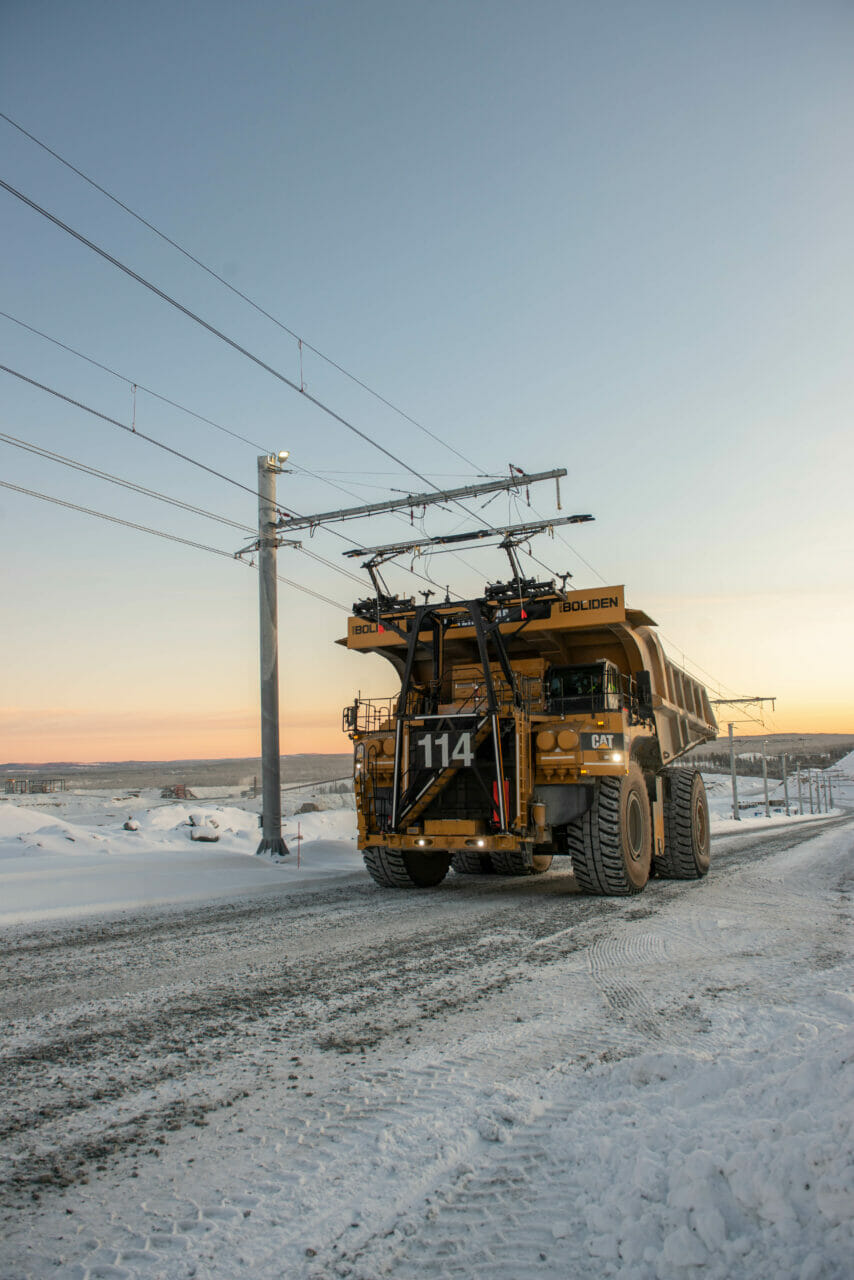
The electrical systems manufacturer ABB believes it has an alternative solution. The company is exploring the use of overhead electrical lines, similar to urban trolleys and hybrid trucks in mines, to charge batteries of heavy models. In this system, the battery is charged continuously while the truck is in motion.
Currently, ABB operates two trolley systems in copper mines in Sweden and Canada. These systems have proven capable of moving heavy hybrids with up to 90% less CO2 emissions and double the average speed of diesel equivalents. However, the company has not yet revealed plans to test fully electric trucks on these networks.
The evolution of super batteries and the challenges surrounding the efficient charging of these devices remain prominent topics in the research and development field of the mining industry. The possibility of making the sector more sustainable with the use of these technologies points to a promising future, where mining and the environment can coexist harmoniously.
Credits: Daniel Medeiros










Seja o primeiro a reagir!