





 Português
  Inglês
  Espanhol
  3 min de leitura
  3 comentários


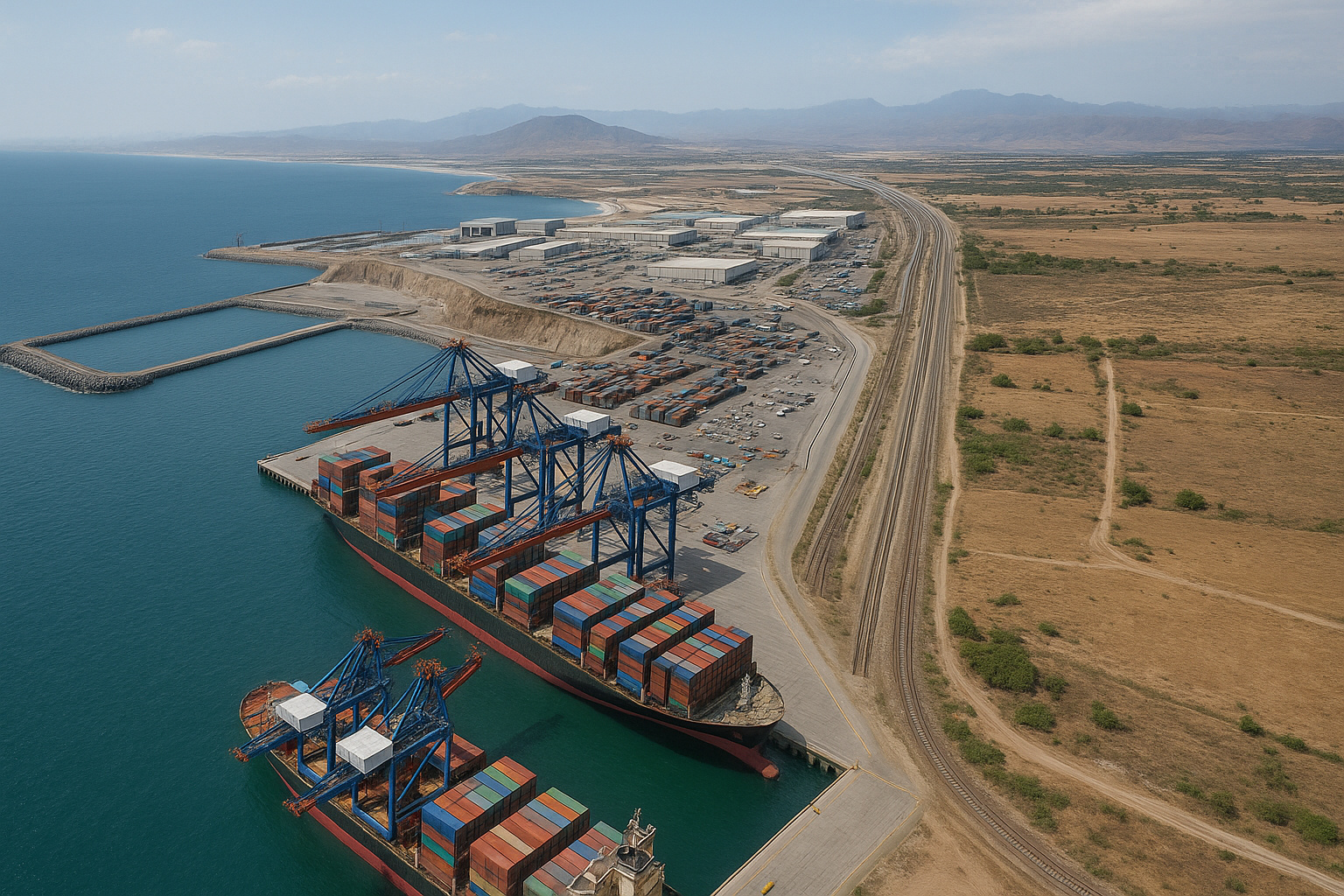


New Axis Connecting Chancay and Bioceanic Railway Redefines South American Logistics
China is intensifying its strategic presence in South America by integrating the port of Chancay and the bioceanic railway. This combination creates a corridor that redefines trade routes and reduces costs. At the same time, it shortens routes that previously relied on the traditional Panama Canal.
The initiative draws global attention, because it combines commercial interests and geopolitical objectives. Thus, the continent occupies a new space in the international logistics dispute.
Structural Investigation Reveals Growing Geopolitical Ambition
According to international analyses, the Chinese plan is not limited to transport efficiency. The proposal advances to expand economic and political influence in the region.
According to a report by Horizon Advisory, the strategy diversifies export and import routes, and expands pathways under Chinese influence.
Technical evaluations indicate that the set of megaprojects shapes a new commercial axis and transforms the logistical role of South America. Thus, the continent enters the center of a global transportation restructuring.
Chancay Port Redefines Peru’s Strategic Position
The inauguration of Chancay port integrates Peru into the New Silk Road and marks the centerpiece of the Chinese strategy. The terminal received US$ 3.5 billion in investments.
With a fully automated structure, the port accommodates large vessels and also offers dedicated logistical areas. These factors reorganize the flow between Asia, the Andes, and the Southern Cone.
As a result, Peru transforms into a regional hub. The route reduces dependence on the Panama Canal, and shortens maritime journeys, which increases transportation efficiency.
-
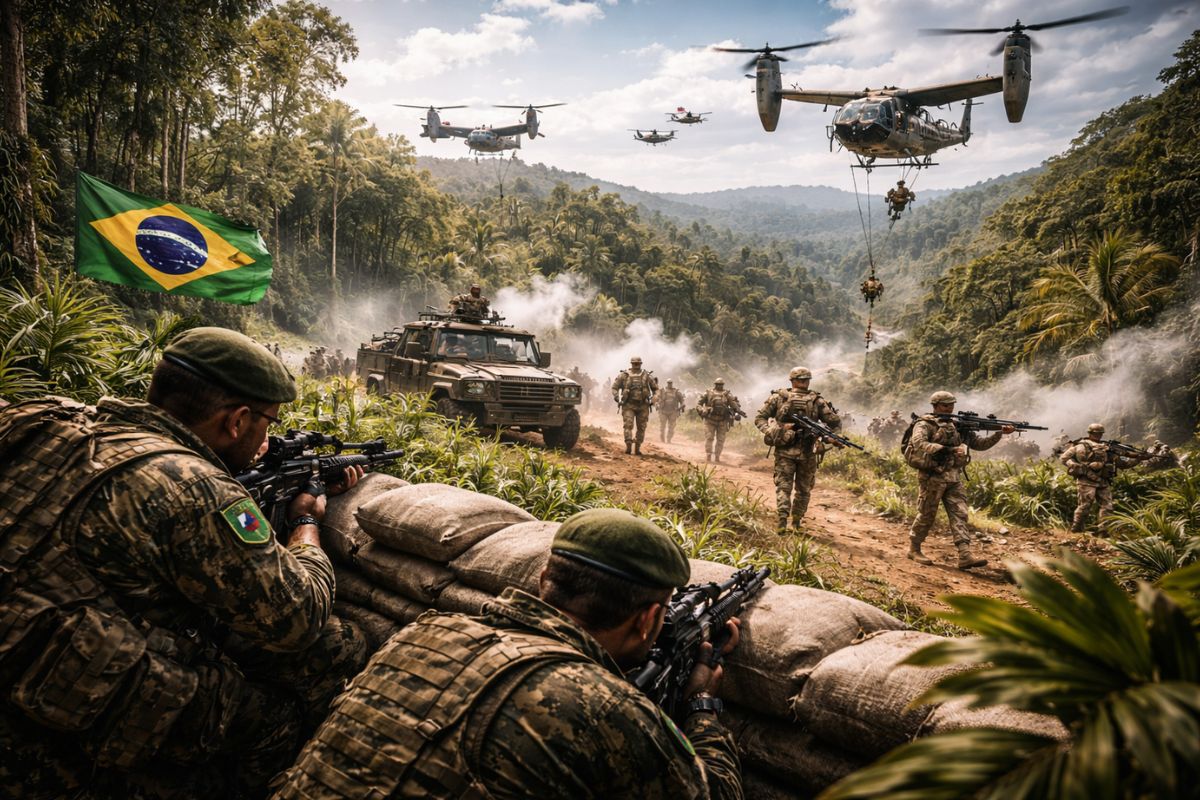
If the USA were to go to war with Brazil, Washington’s greatest fear would not be the attack itself, but facing a vast territory, prolonged resistance, and a costly, chaotic, and unpredictable occupation.
-
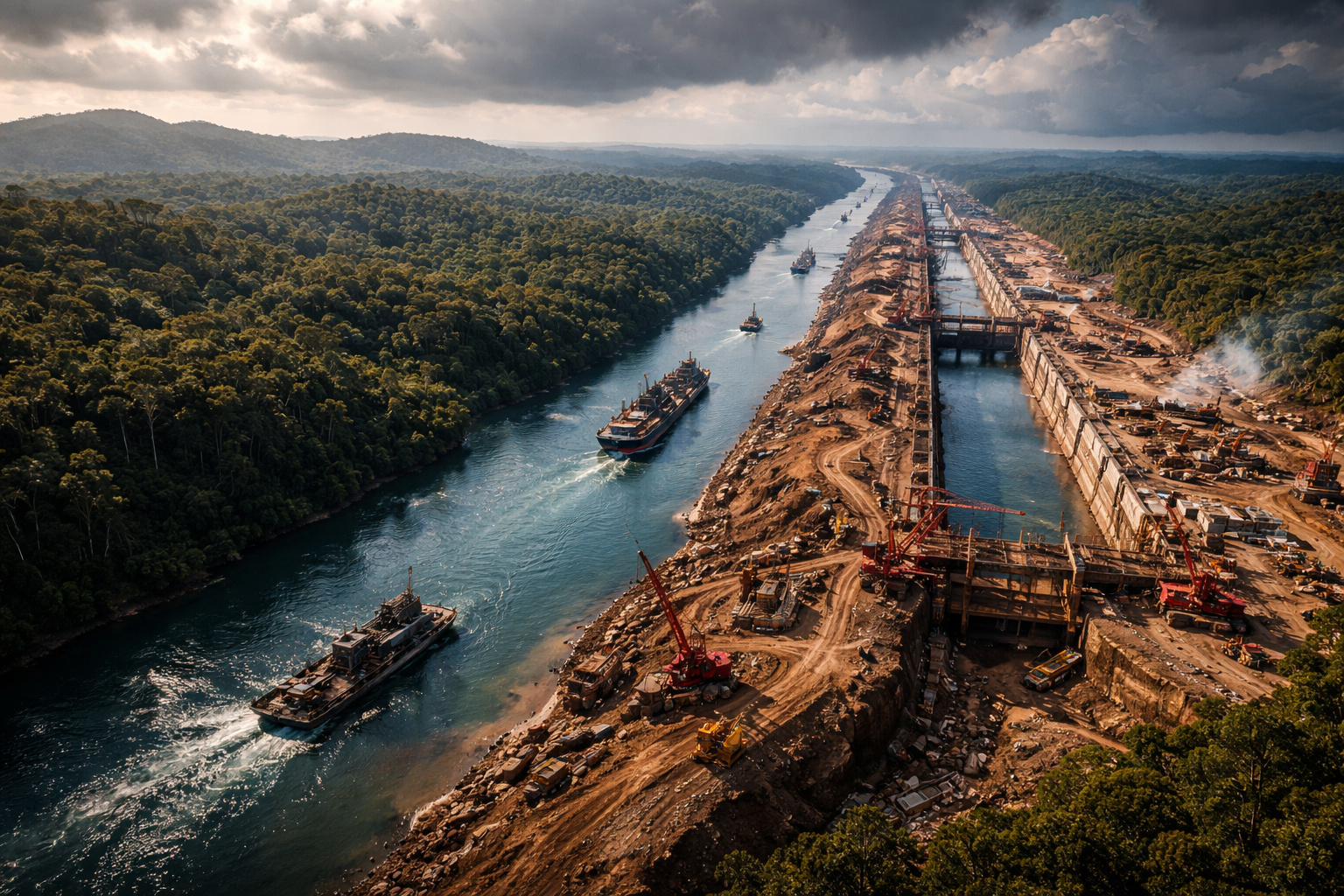
In 2013, Nicaragua sold the concession for a canal to rival Panama to a Chinese billionaire who lost 85% of his fortune, disappeared, and was declared bankrupt. Now the project resurfaces with a new route, a new Chinese partner, and a cost of $64.5 billion.
-
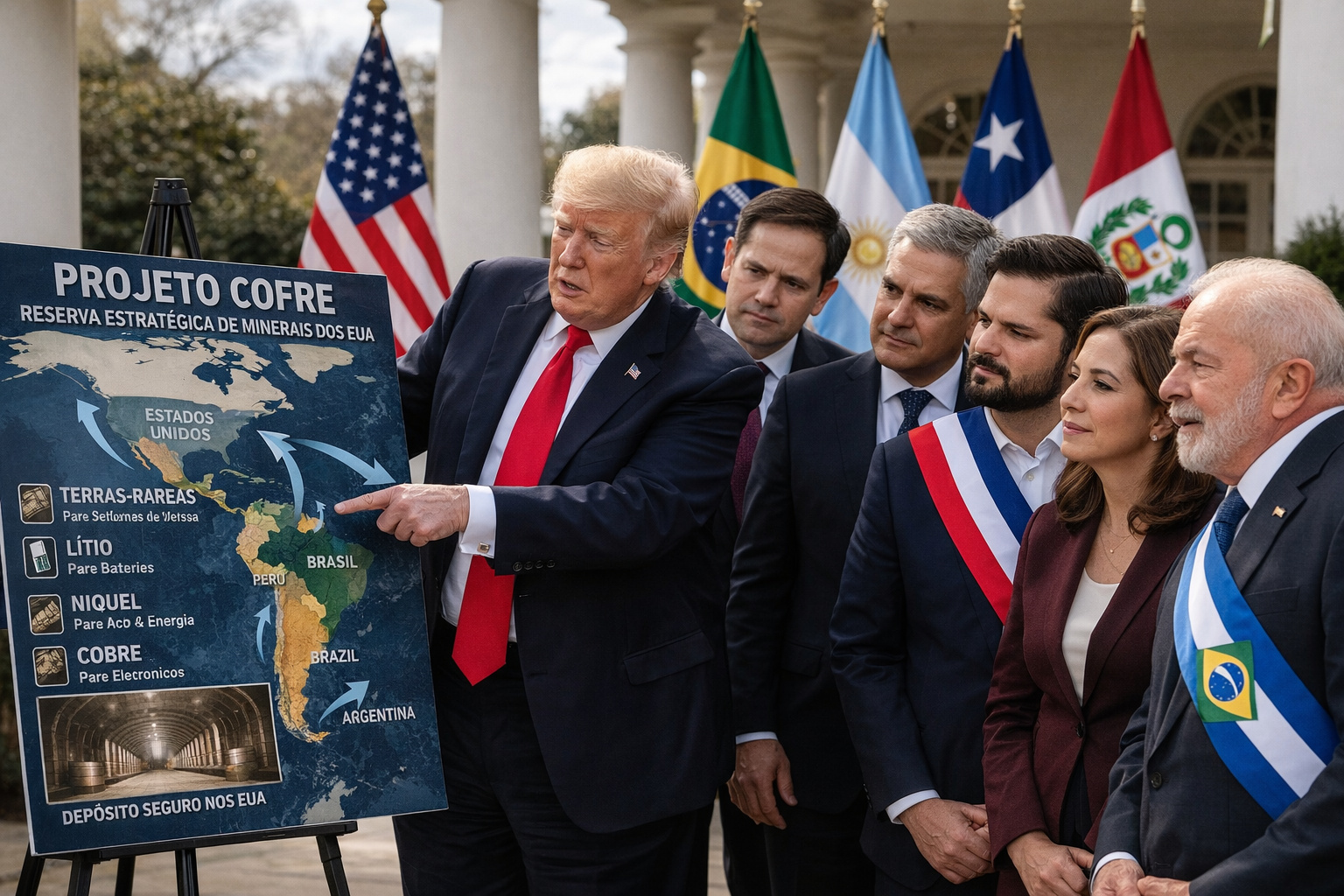
The USA announces a mysterious billion-dollar vault project to store critical minerals, but what intrigues experts is not just the plan itself, but why Latin America, including Brazil, has entered the center of this global dispute against China.
-
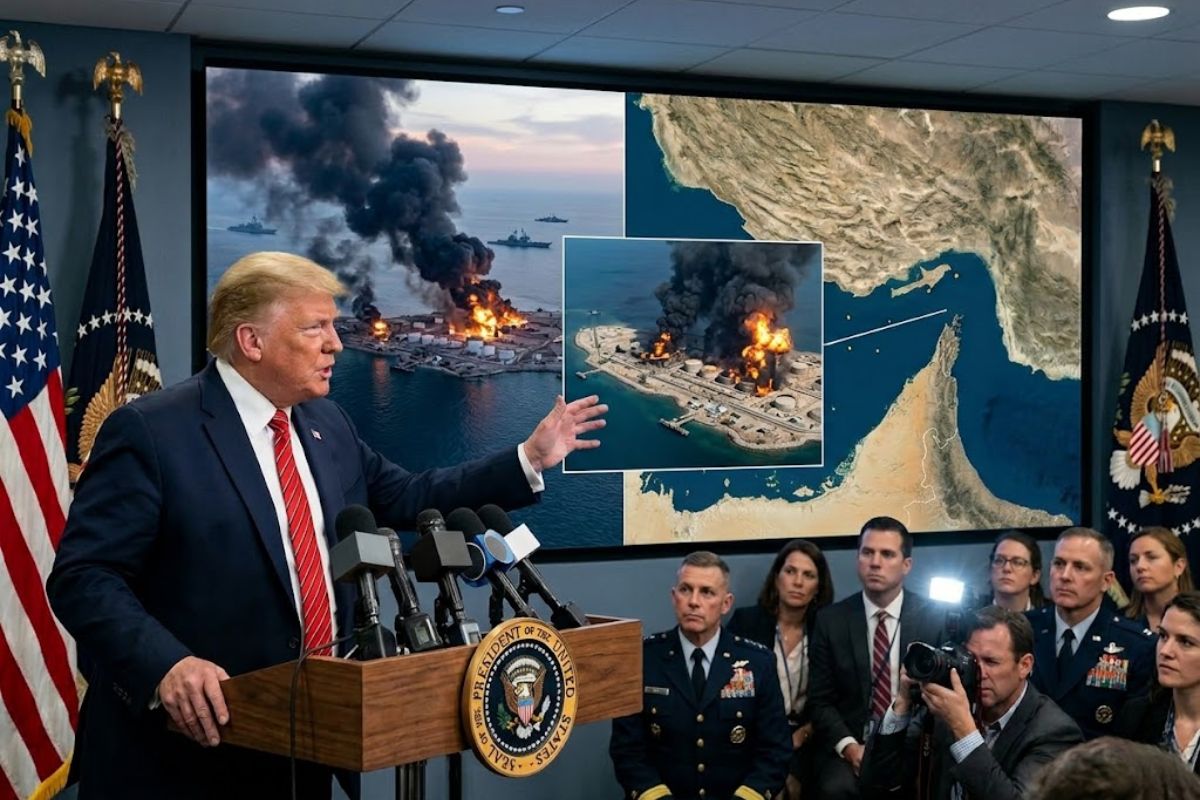
Trump Announces Bombing of U.S. Military Targets on Iranian Island Responsible for About 90% of Iran’s Oil Exports, Warns of Further Attacks if Navigation in Strategic Strait of Hormuz Is Threatened
Bioceanic Railway Projects Brazil Within the New Corridor
The bioceanic railway is part of the complementary stage of the corridor and links Brazilian inland regions to Atlantic ports.
Thus, the railway system integrates Brazil into the logistics axis, and enables cargo to cross the continent to the Atlantic or Pacific.
This integration reduces bottlenecks and offers alternatives to traditional routes pressured by costs and structural limitations.
As a consequence, Brazil assumes a central position in the corridor, and participates in a flow that will expand commercial reach between the two coasts of the continent.
Alternative to the Panama Canal Provokes International Repositioning
As the Panama Canal faces dry periods and congestion, the Chinese alternative gains momentum.
The proposal presents more resilient paths, reduces operational costs, and enhances global efficiency.
Despite this, as Horizon Advisory warns, Chinese control over financing and operation may generate structural dependencies. This scenario requires alignment with Beijing’s interests, and imposes caution on exporters.
For this reason, countries in the region reassess risks and advantages of the new corridor, especially as international logistics dynamics transform.
U.S. Reaction Intensifies Geopolitical Dispute
The Chinese advance raises concerns in Washington.
Representatives of the State Department state that Latin American countries must preserve sovereignty over critical infrastructure.
Complementarily, authorities warn of risks of commitments that could cause long-term economic harm.
The United States emphasizes that it will support informed decisions regarding Chinese partnerships in the Western Hemisphere and highlights the importance of transparency in strategic negotiations.
Does the New Corridor Change South America’s Logistical Logic?
With the integration between Chancay and the bioceanic railway, South America enters a new logistical chapter.
The region positions itself as a crucial route between the Pacific and the Atlantic and gains relevance in the geopolitical dispute among great powers.
In this context, there is growing pressure for efficient governance, transparent infrastructure, and stricter sustainability criteria.
What do you consider more decisive for the region’s future: rapidly consolidating the new logistics corridor or prioritizing more cautious assessments of its geopolitical influence?









Enquanto os EUA nunca colocou os países da América Latina c/prioridade p/o desenvolvimento da região, apesar da falácia: a América p/os americanos, gastando trilhões de dólares em guerras, os latinos americanos, a cada dia + pobres e atrasados.
Se a China tá querendo garantir produtos p/garantir seu imenso mercado, tanto p/exportar, quanto p/importar, o Brasil tem q fazer a concessão d/ e de outras ferrovias p/China dentro das normas legais.
A China colocará capital e tecnologia a serviço do desenvolvimento do Brasil.
Com certeza, os EUA, dificilmente vai ofercer o que a China vai ofertar para investimentos nos países da América Latina. Agora vamos ver quem oferecerá as nelhores alternativas.
Claro está que o resultado econômico é imensamente positivo, para as transações comerciais com os asiáticos. O Estado chinês si impõe nesse front. Vai influenciar muito mais, que hoje, as estruturas políticas da América Latina.
Se houver interesse mútuo que se consolide em prol do desenvolvimento