





 Portuguese
  English
  Spanish
  3 min of reading
  1 comment


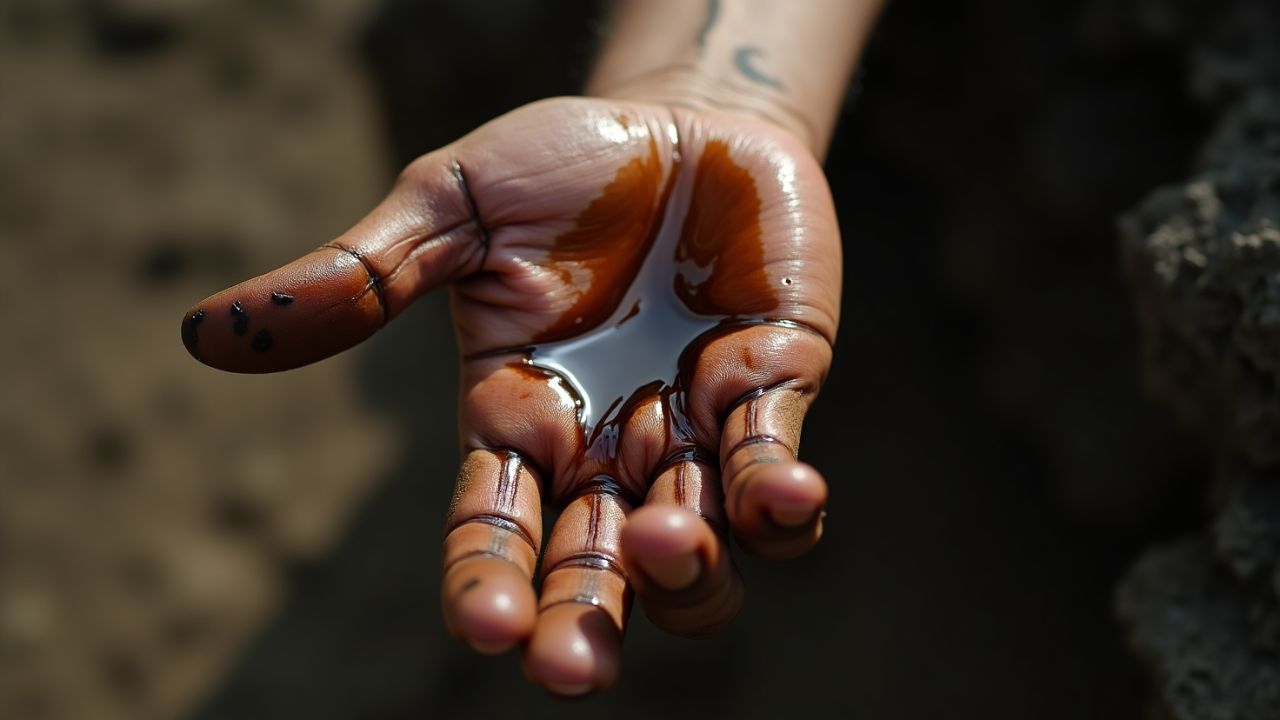


In Recent Years, Suriname Has Gained Spotlight in the Oil and Gas Sector, Accumulating Significant Discoveries in Its Equatorial Margin. With a Favorable Regulatory Environment and a Great Exploration Potential, the Country Has Attracted the Interest of Industry Giants, Consolidating Itself as a New Global Energy Hub and Capturing Billions of Barrels of Oil.
The Guiana-Suriname Basin Has Been One of the Most Promising Regions for Oil Exploration in the Last Decade. Guyana Has Already Discovered Over 13 Billion Barrels of Oil, and Now Suriname is Following the Same Path, with Increasing Investments in Offshore Well Drilling.
Starting in 2024, the Country is Set to Receive Robust Investments for the Drilling of at Least 10 Offshore Wells. This Move is Driven by Interest from Large Oil Companies and the Need to Expand Oil Barrel Production, Making Suriname a Strategic Destination for New Projects.
Increase in Investments and New Offshore Projects
Suriname’s Oil and Gas Sector Has Been Growing Rapidly. Between 2020 and 2023, Investments in the Upstream Segment Rose from US$ 348 Million to US$ 514 Million, Reflecting the Increase in Exploratory Activity. According to Consulting Firm Rystad Energy, Capital Investments in the Country Are Expected to Reach US$ 9.5 Billion Between 2024 and 2027.
-
Offshore industrial demand in Macaé skyrockets with the recovery of oil and gas and could grow by up to 396% by 2026 in the Campos Basin.
-
Offshore industrial demand in Macaé surges with the recovery of oil and gas and could grow by up to 396% by 2026 in the Campos Basin.
-
Brazilian giant expands borders in the Southeast: Petrobras confirms new oil discovery in ultra-deep waters in the pre-salt of the Campos Basin.

-
Alert in the global energy market: Severe tropical cyclone hits the coast and disrupts gas production at major plants in Australia, threatening global supply.


One of the Most Important Projects in This Context is GranMorgu, Operated by TotalEnergies. Focusing on the Exploration of the Sapakara South and Krabdagu Fields, This Project Aims to Recover Approximately 700 Million Barrels of Oil Equivalent and is Set to Start Operations in 2028.
Major Blocks and the Participation of Major Oil Companies
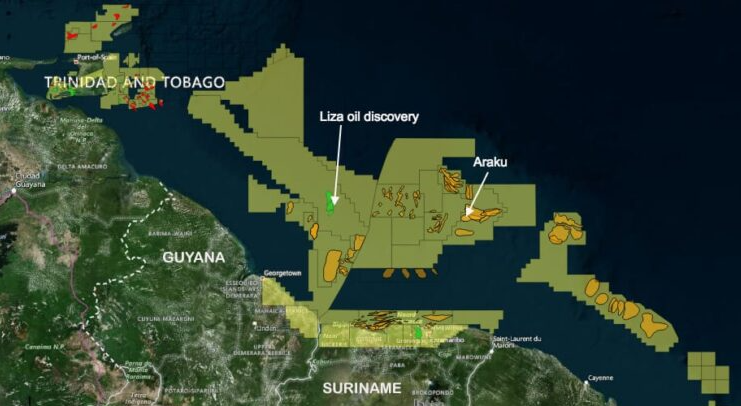
Suriname Has Attracted the Attention of Major Industry Players, Such as Shell, TotalEnergies, and Chevron. One of the Most Promising Blocks is Block 58, Which Exhibits Geological Characteristics Similar to Those of Guyana, Increasing the Chances of Success in Exploration.
Another Highlight is the Araku Deep-1 Project, Marking Shell’s First Drilling in the Region. This Discovery May Open Paths for the Exploration of Deeper Layers, Making Suriname Even More Attractive for New Investments. The State-Owned Staatsolie Also Holds a 20% Stake in This Project, Ensuring an Active Role in Expanding Offshore Exploration.
Infrastructure for So Many Barrels of Oil and Technology for Offshore Exploration
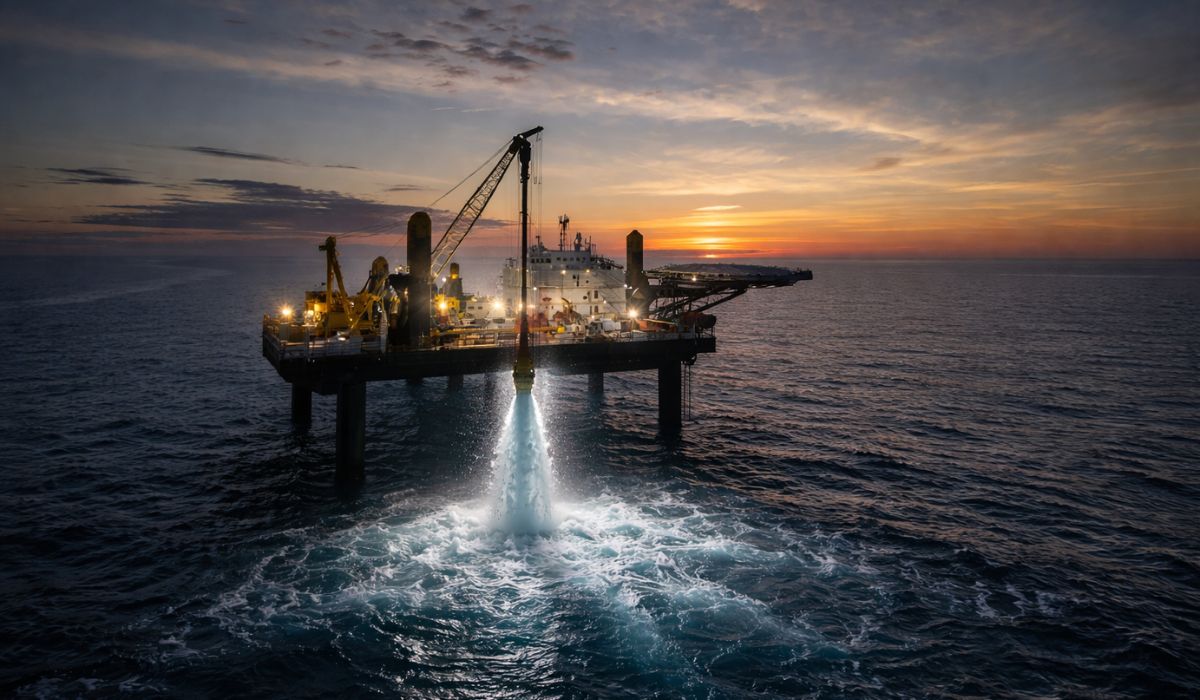
To Enable Offshore Production, Suriname is Betting on Floating Production, Storage, and Offloading Units (FPSO). The FPSO of the GranMorgu Project Will Have the Capacity to Produce 220,000 Barrels of Oil Per Day, Store 2 Million Barrels, and Process Up to 500 Million Cubic Feet of Gas Per Day.
In Addition to Production Capacity, the Technology Embedded in the FPSO Will Help Reduce the Environmental Impact of Exploration by Eliminating Routine Gas Flaring and Ensuring a More Sustainable Process.
The Time for Project Development Has Also Been Optimized. In the Guiana-Suriname Basin, the Average Time from Discovery to Production Has Decreased from Six Years to About Four Years, Increasing Operational Efficiency for Oil Companies.







E por aqui o ministério da Marina proibindo esta exploração, por muito menos o Lulinha demitiu o presidente da Petrobrás, tá faltando pulso, cullhão e dispensar a Marina que não funciona, vejam os incêndios na amazônia, nada faz, fraquinha, fraquíssima.