





 Portuguese
  English
  Spanish
  2 min of reading
  0 comments



Electric Vehicles Optimize Time Spent on Public Transport and Are Up to 90% More Economical Compared to Some Traditional Vehicles
It is well known that public transport is among the largest emitters of polluting gases in the world, but since the discussions around the greenhouse effect and global warming began, sustainable alternatives in transportation have gained ground on the streets through electric bikes and scooters. With lithium batteries capable of covering distances of up to 120 km, electric motors offer more than just sustainable savings for the environment and consumers’ wallets; they also provide a new lifestyle.
They are healthy, practical for optimizing time spent on public transport, and up to 90% more economical compared to some traditional vehicles, becoming an ally to the “Blue Economy” or “Ocean Economy,” as explained by the specialist on the subject, Igor Bastos.
“There is currently a project involving marine macroalgae of the species kappaphycus alvarezii, which are one of the main sources of carbon neutralization. After capturing this carbon, the algae are repurposed for the production of cosmetics, feed, and others, in a completely sustainable and smart way, even for agriculture, which subsequently receives biomass for repurposing,” commented Igor.
-
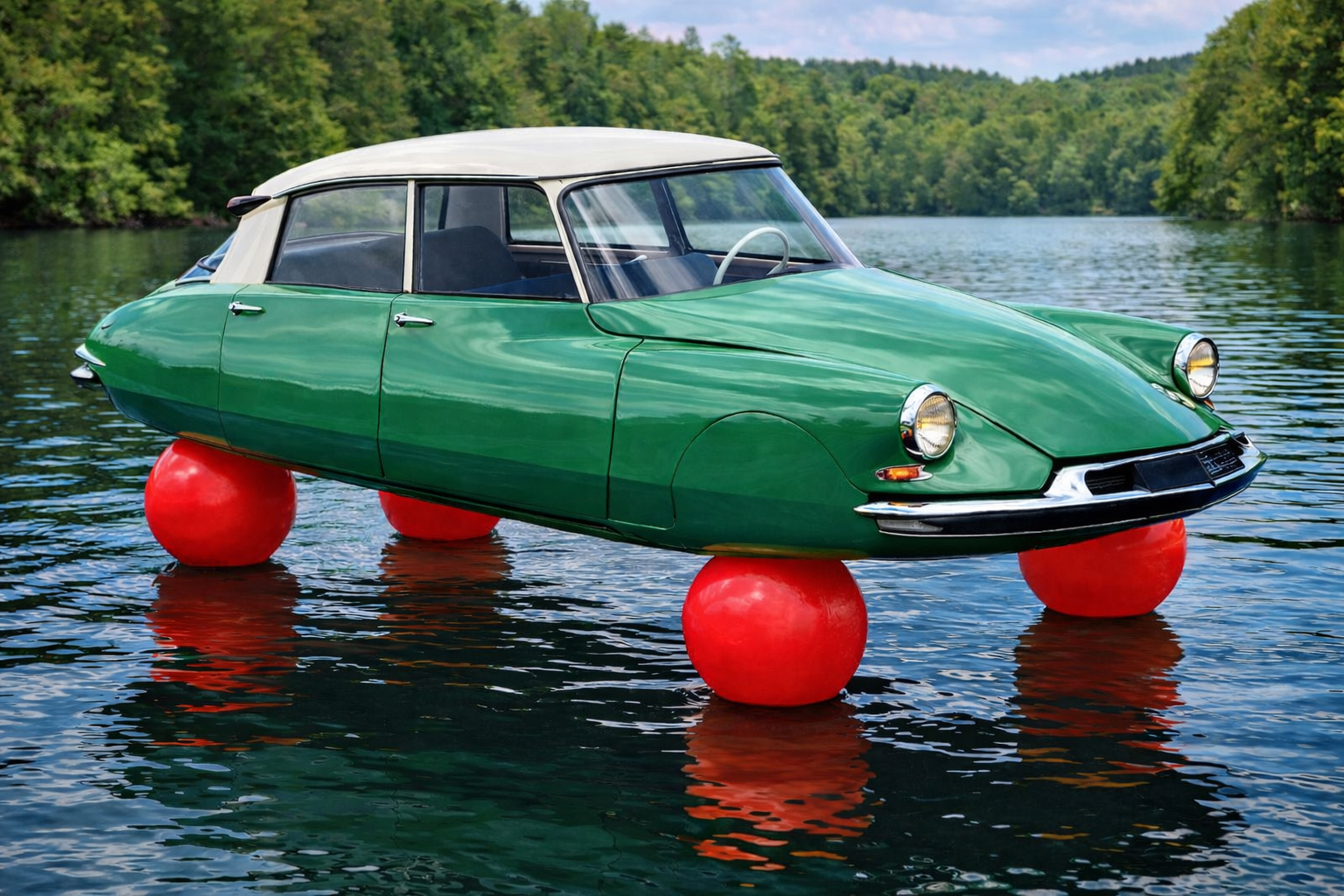
A French brand placed a car on four huge red balloons to prove that its suspension made the vehicle “float,” and the surreal scene became one of the most iconic and unusual images in automotive history.
-
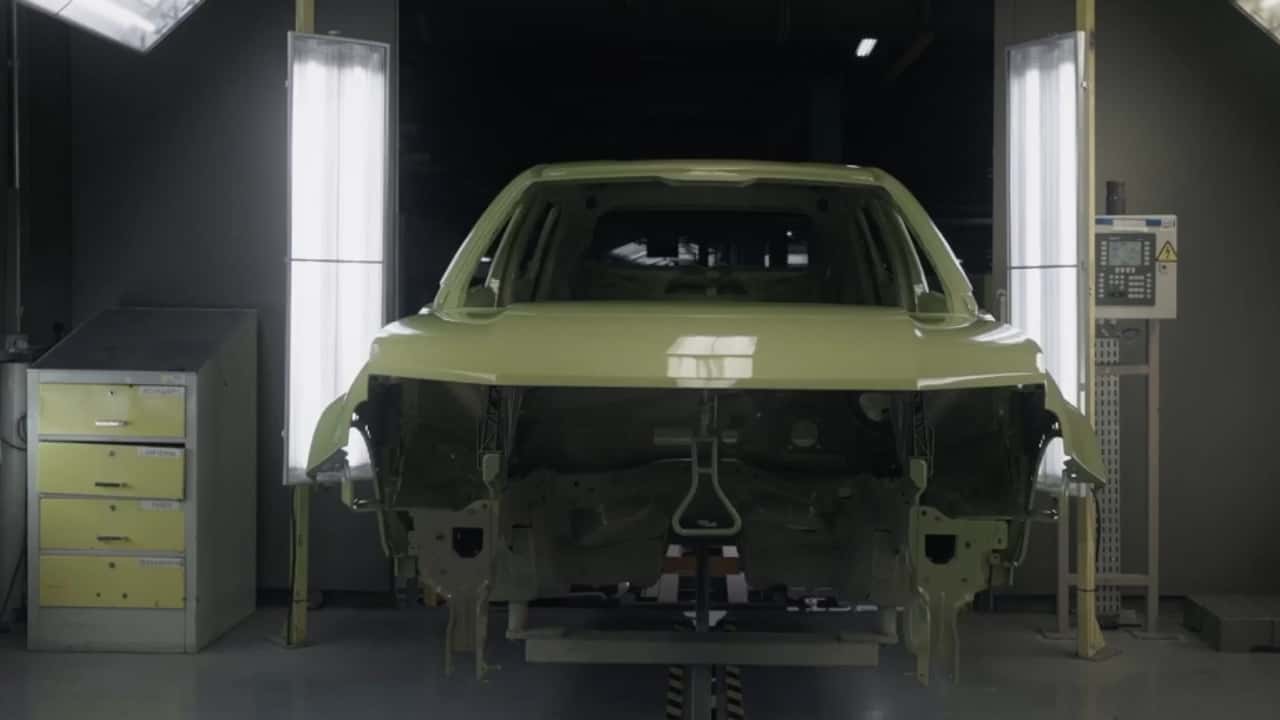
Jeep Avenger begins production in Brazil, debuting as the brand’s new entry-level SUV and inaugurating an unprecedented phase by becoming the first national Jeep manufactured outside of Goiana, as part of a R$ 3 billion plan.
-
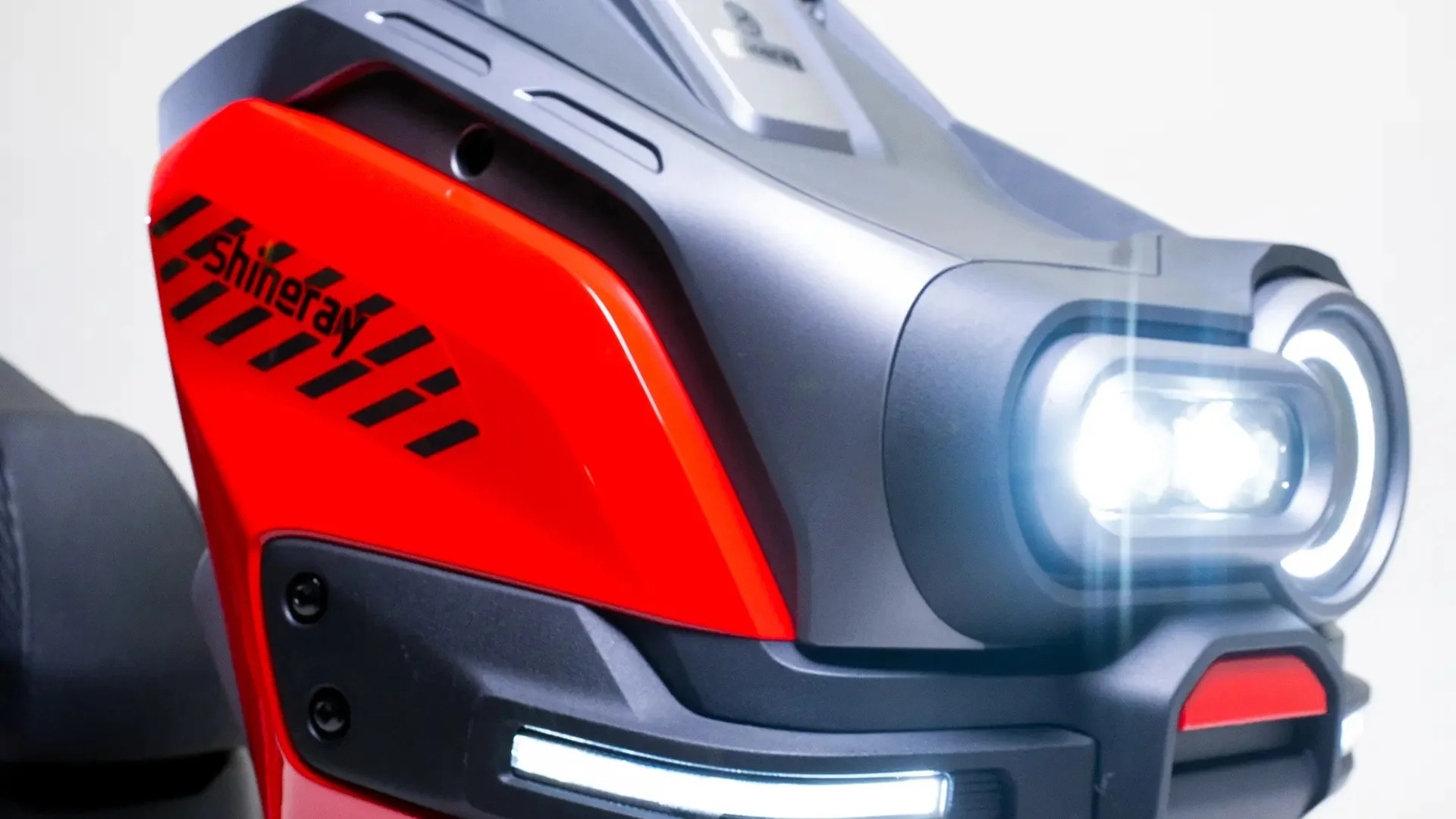
Costing R$ 12,490, the new Shineray Urban Lite 150 “cheap one” arrives in Brazil with a CVT transmission, digital dashboard, and LED lights, making it more affordable than the Biz and targeting those who want to abandon the bus.
-
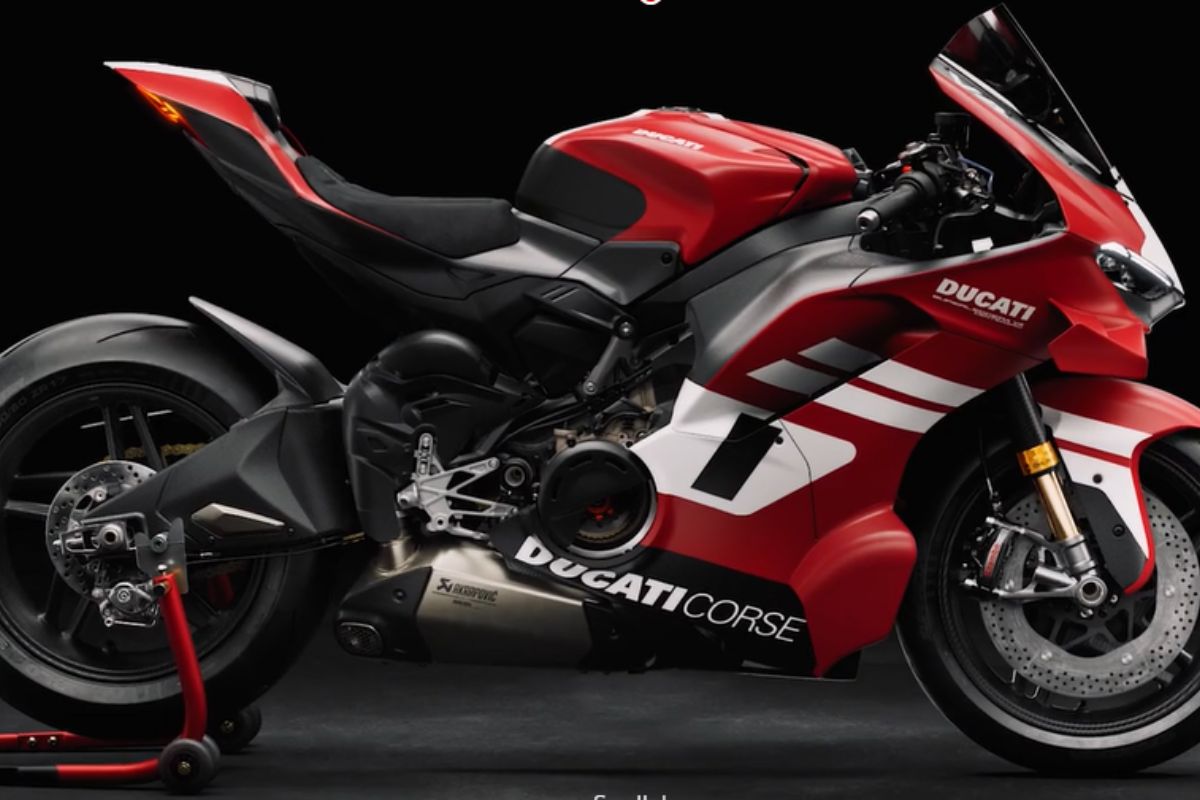
Ducati brings to Brazil the Superleggera V4 Centenario: 228 hp that become 247 with a track kit, carbon fiber and carbon-ceramic brakes, estimated price between R$ 1.5 and 2 million, deliveries only in 2027.

Electric vehicles reduce greenhouse gas emissions and air pollution, helping to combat climate change while being more efficient in converting electrical energy into movement, saving natural resources. Furthermore, lithium batteries offer high energy density, providing greater autonomy for electric vehicles.
The fact is that apart from being “eco-friendly,” these models have become popular with the public. Men and women aged between 15 and 60, as well as older individuals and those with reduced mobility, for example, enjoy the appropriate models for each style and need.
“Rio de Janeiro has experienced a constant demand for these models, reflecting the adoption of a new style of urban mobility that combines agility, reduced operational costs for electric vehicle users at work, and a lower environmental impact,” concluded Igor.







Seja o primeiro a reagir!