





 Portuguese
  English
  Spanish
  2 min of reading


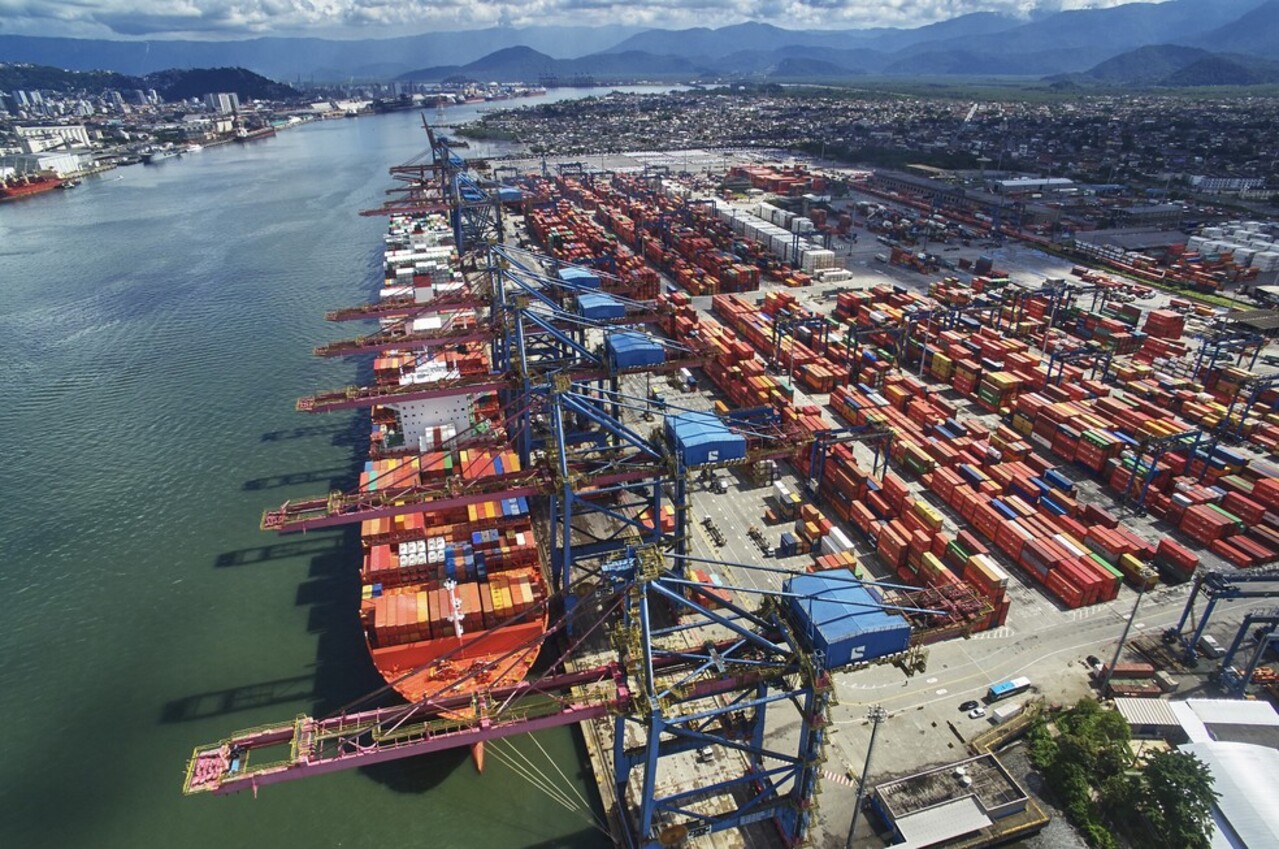
How Does Sustainability in Ports and Shipyards Work in Brazil? Experts Respond and Pay Increasing Attention to These Issues
Brazilian ports and shipyards have technology for managing the sustainability of their activities. What is lacking, according to experts, is the standardization of strategies to act on preventing and managing the environmental impacts inherent to port operations.
Read Also
Ports and Shipyards and Their Importance to the Economy
Brazilian ports and shipyards are of great importance for the economic development of several countries, as is the case with Brazilian ports, which are responsible for more than half of imports and exports. In light of this, there is a very important issue to be remembered, rethought, and executed by port authorities: the sustainability of port terminals.
This concern arises from the various alterations made by ports and shipyards in their locations, such as emissions of polluting gases, solid waste disposal, alterations in nearby ecosystems, and other impacts.
-
Historic bankruptcy of Centauro shocks the market, and the century-old company puts more than 500,000 products, machines, and complete infrastructure up for online auction.

-
New shoe factory in Ceará is expected to create 400 jobs and strengthen the local economy.

-
No one imagined it, but a mixture of sawdust with a mineral that fights fires surprises scientists with a result that changes the course of fire-resistant construction.

-
From empty land to a high-end house, wooden construction uses a lightweight system, metal structure for the foundation, ventilated ceramic cladding, and special windows to create an efficient and comfortable living space throughout the year.


Therefore, there is a need for well-structured environmental management to increasingly avoid negative environmental impacts in port areas, bringing benefits both to port terminals and shipyards and to society. This work thus carries out a bibliographic study on the concept of sustainability in order to understand and align it with the port sector applying it to public terminals.
Port of Santos as an Example of Sustainability
Environmental Sustainability at the Port of Santos has become an inseparable part of its business. In 1999, the Environmental and Occupational Safety area was structured to manage the environmental activities developed at the Organized Port, being responsible for the planning and organization of the use of spaces located in the Organized Port.
The SPA centralizes environmental information from actions carried out by each lessee located at the Port or by different operators and ships that dock there.
It is the SPA’s responsibility, as the administrator of the Port of Santos, to monitor compliance with environmental legislation by each actor who utilizes the Santos port complex to carry out their activities.










Seja o primeiro a reagir!