





 Portuguese
  English
  Spanish
  4 min of reading
  0 comments


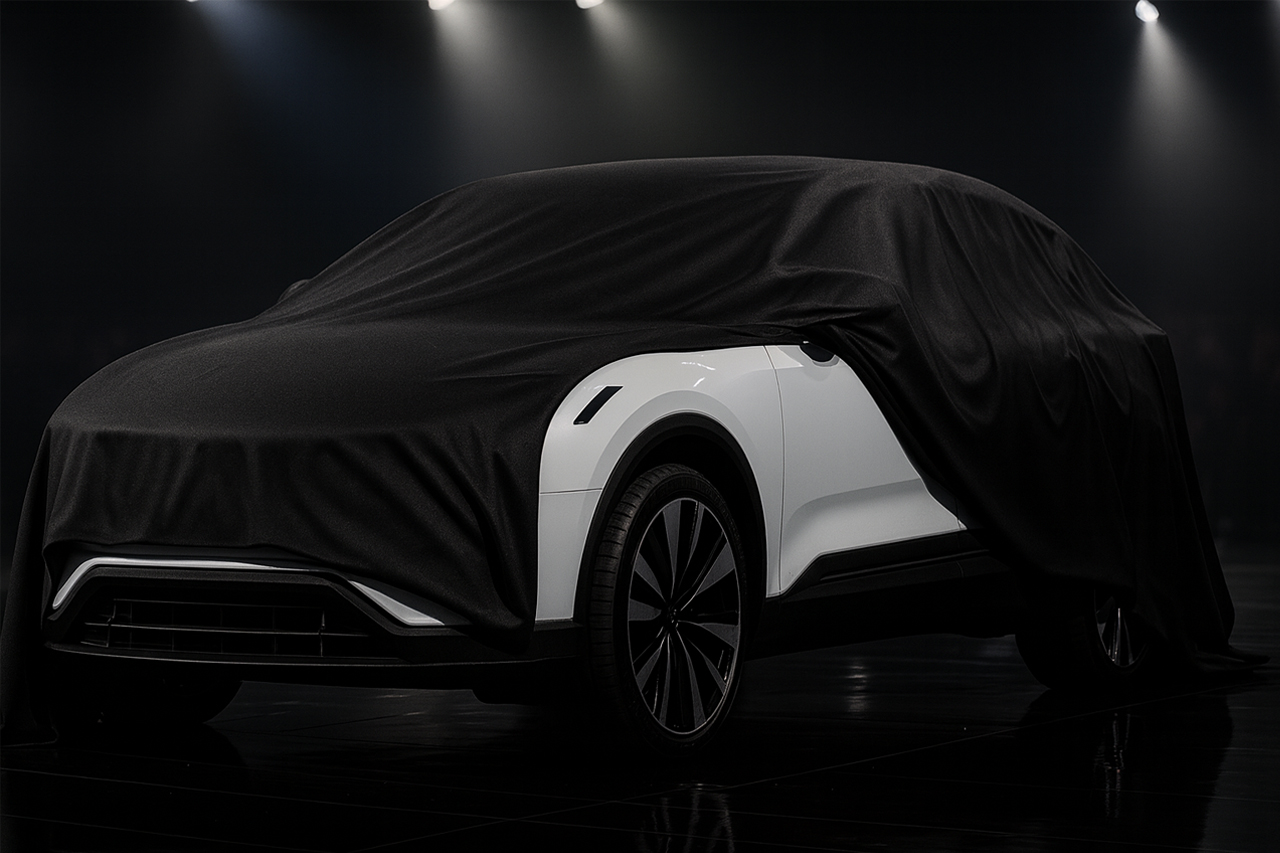
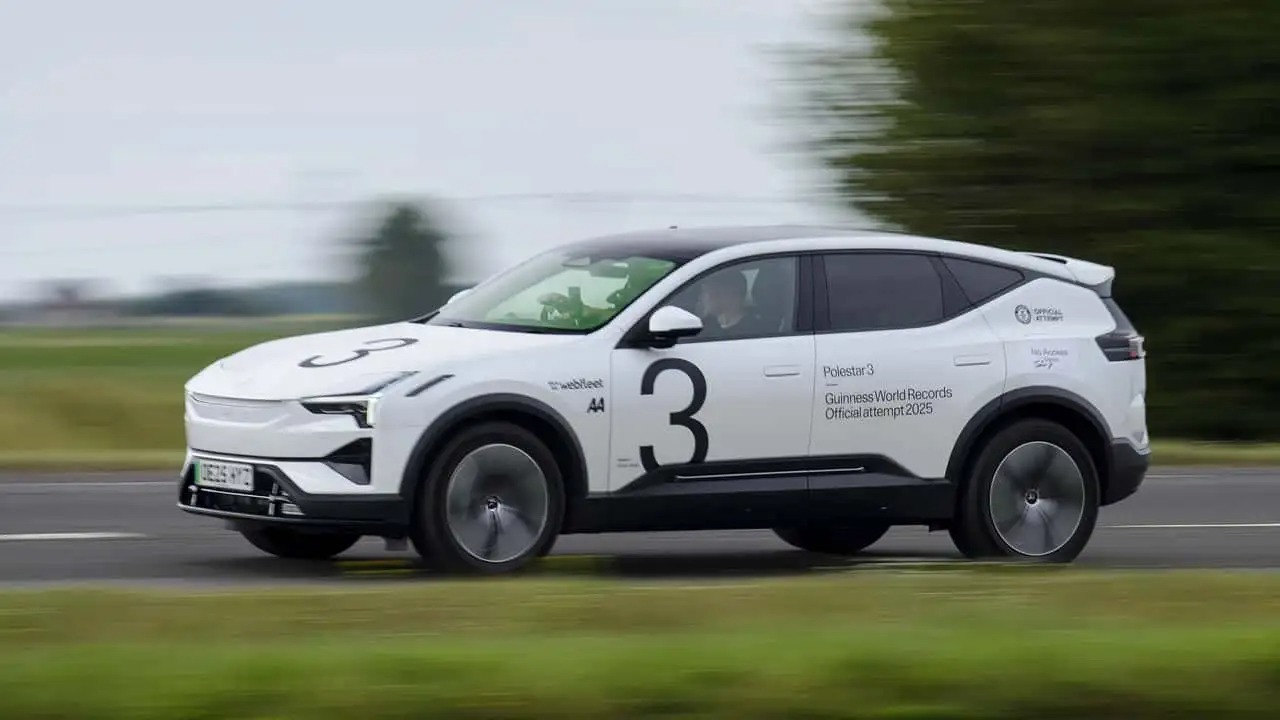
It Took 22 Hours and 57 Minutes of Driving at an Average Speed of 40.7 km/h, Achieving Efficiency of 12.1 kWh/100 km, on Public Roads in the United Kingdom, the Polestar 3 Covered 935.44 km on a Single Charge.
The Polestar 3 Set a New Guinness World Record for Electric SUVs, Covering 935.44 km (581.3 miles) on Public Roads in the United Kingdom on A Single Charge. The Feat Was Overseen by a Guinness Judge and Documented with Independent Telemetry, Ensuring Verification of Odometer, GPS, and Battery Level.
The Attempt Lasted 22 Hours and 57 Minutes, with Three Expert Drivers Taking Turns and Maintaining an Average Speed of 40.7 km/h, a Typical Strategy for Efficient Driving on Flat Roads with Little Traffic.
The Recorded Efficiency Was 12.1 kWh/100 km, a Figure Comparable to That of Compact Electrified Vehicles and Well Below What Is Expected of a Large Luxury SUV, Which Explains the Distance Covered.
-
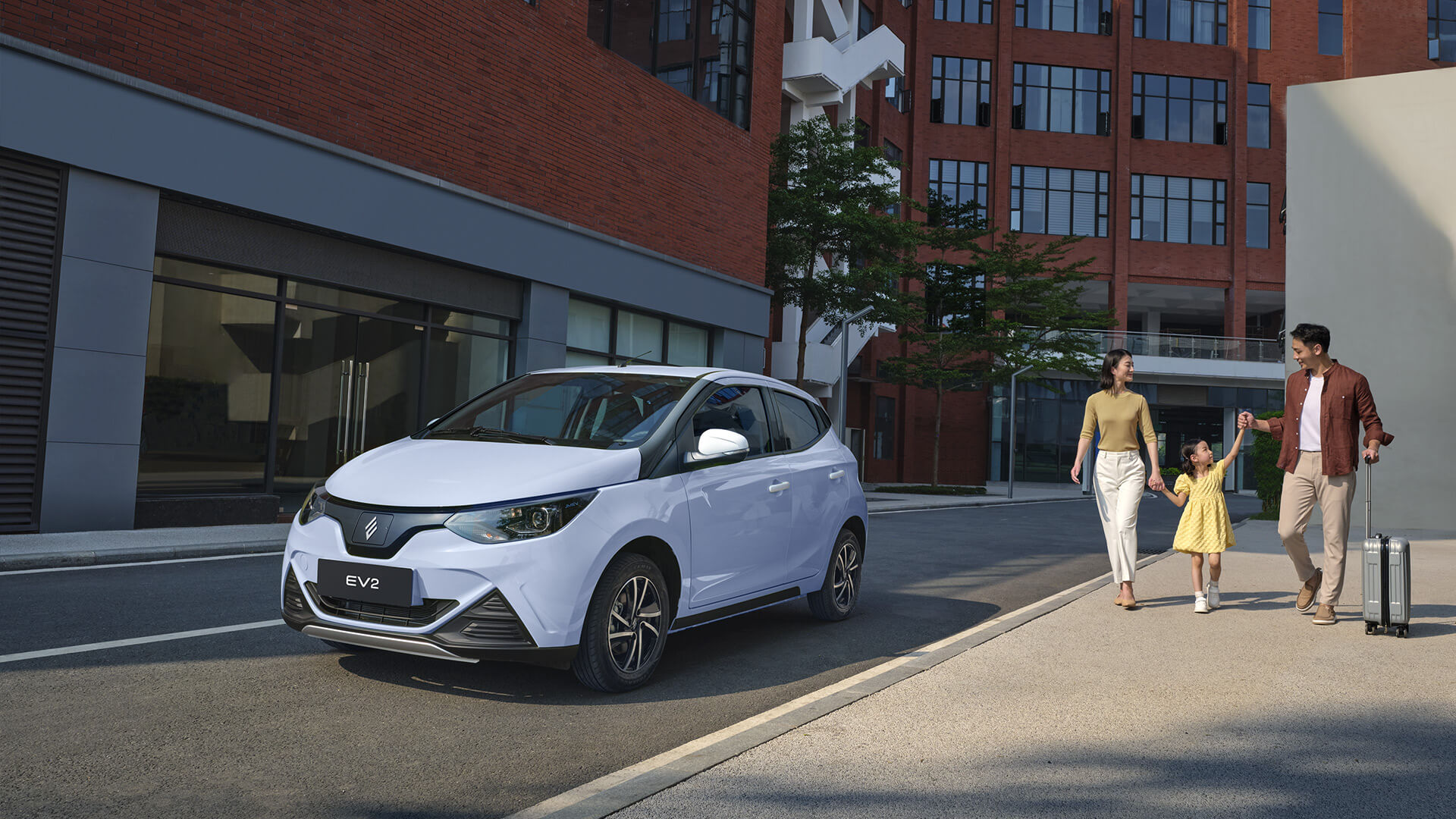
Goodbye expensive popular car: electric vehicle for less than R$ 70,000 starts being sold in Brazil with a range of 200 km and targets those looking to escape gasoline.
-
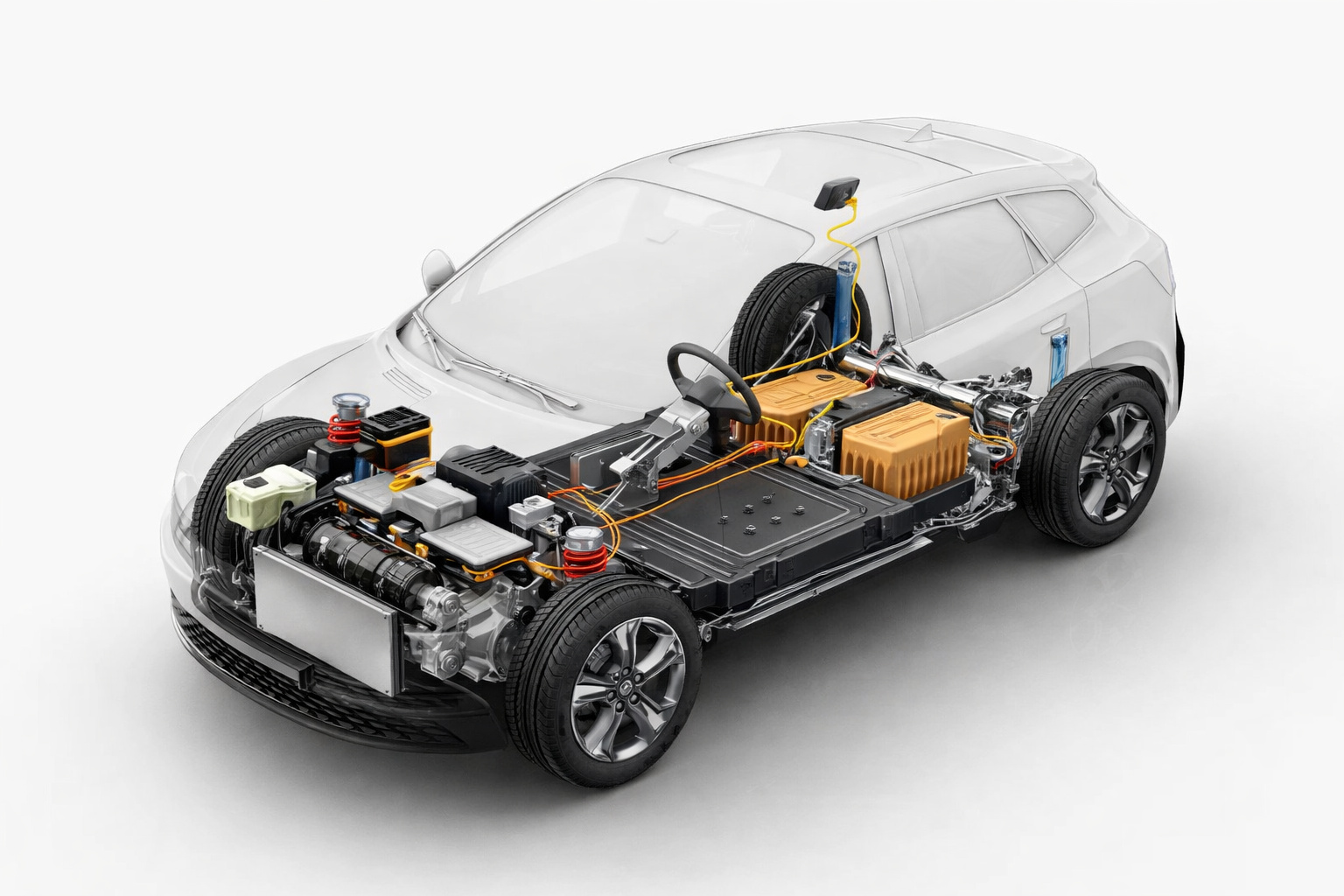
China Surprises Automotive Industry With Battery That Promises Electric Car Able to Run Up to 1,000 km Without Recharge
-
Why BYD Grew So Fast in Brazil and How Blade Batteries, Electric Cars, and Industrial Incentives Shaped This Expansion in the National Automotive Sector
-
Electric Cars Make Progress in Brazil in 2026 and Promise to Reduce Drivers’ Costs with Cheaper Energy, While Infrastructure Grows Slowly Across the Country
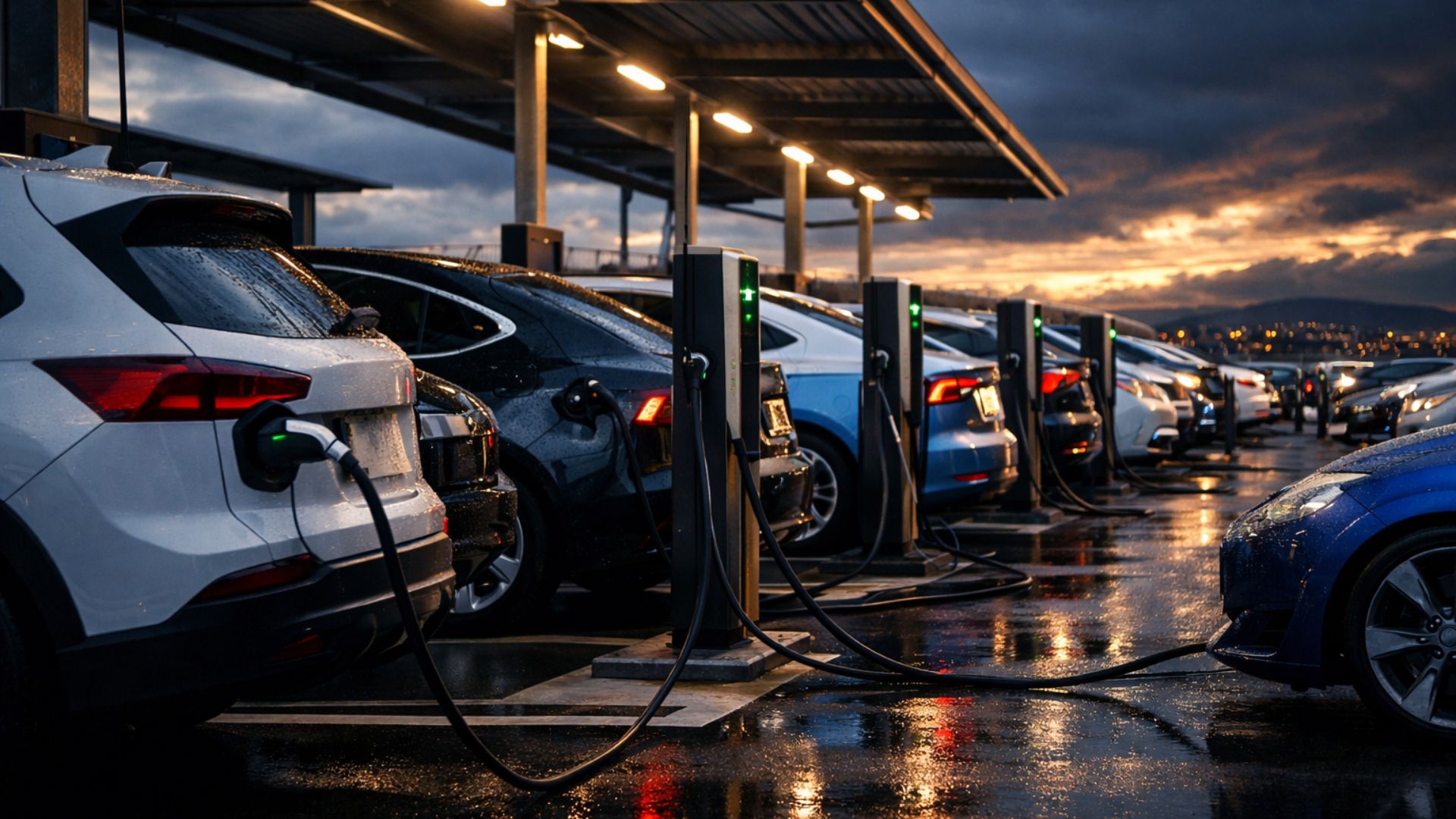

It Is Worth Highlighting the Difference Between Hyper-Miling Record and Daily Use: the Polestar 3 Has an Official EPA Range of Up to 350 Miles, a Parameter More Useful for Consumers in Their Daily Lives, While the Record Demonstrates the Technical Limit Under Controlled Conditions.
What Made It Possible to Travel More Than 900 km
The Vehicle Used Was a Polestar 3 Long Range Single Motor (Rear-Wheel Drive), a Production Version, Without Modifications, Equipped with 20-Inch Wheels and Michelin Pilot Sport 4 EV Series Tires. The Set Prioritizes Aerodynamic and Rolling Efficiency.
The High-Capacity Battery Is Listed by the Manufacturer as 111 kWh; Technical Sources Indicate About 107 kWh Usable, Which Helps Explain the Efficiency Achieved in the Test. In Both Cases, Energy Density and Thermal Management of the Pack Were Determinative for the Brand.
The Driving Was Planned to Minimize Losses: Stable Speed, Anticipation of Traffic, and Moderate Use of Acceleration and Regenerative Braking. This Allowed the SUV to Significantly Exceed the Range Figures of the European WLTP Cycle and Reach the Milestone of 935.44 km.
Another Relevant Point Is the Energy Management Software, Which Coordinates the Motor, Battery, and Tires to Reduce Consumption Over Long Distances. The Combination of Hardware and Driving Strategy Explains Why the Polestar 3 Achieved Unusual Results for Its Size.
Charging, Production, and Direct Competitors
Outside the Context of the Record, the Polestar 3 Stands Out for Its Fast Charging of Up to 250 kW in Direct Current, Allowing Charge to Increase from 10% to 80% in About 30 Minutes, Which Reduces Stops on Long Trips.
The Model Is Produced in Ridgeville (South Carolina, USA) and Chengdu (China), a Strategy That Brings Manufacturing Closer to Key Markets. This Positioning Places the SUV Against Rivals Such as BMW iX and Audi Q8 e-tron in the Luxury Segment.
In the Lineup, the Brand States Up to 350 Miles of EPA Range for the Long Range Single Motor Version. The Dual Motor and Performance Variants Prioritize Performance, with a Lower Range, Maintaining the Same Battery Setup.
The Technology Package Includes Advanced Driving Assistance and Over-the-Air Updates. In Public Statements, Polestar Leadership Uses the Record as Proof of Technical Maturity and as an Argument Against Range Anxiety.
What Changes for Brazil and for Those Considering Buying an Electric Vehicle
Polestar Confirmed Expansion to Brazil in 2025, as Part of a Plan to Enter Seven New Markets. The Record Occurs at a Strategic Moment, Elevating the Brand’s Perception Among Local Consumers Researching Electric SUVs and Range.
For the Public, the Central Message Is That Electric SUVs Can Already Cover Long Distances on a Single Charge Under Ideal Conditions, and That Brief Stops at Ultra-Fast Chargers Make Trips Viable. At the Same Time, It Is Essential to Consider That Real Use Involves Higher Speeds, Terrain, Weather, and Load, Reducing the Distance Compared to the Record.
Those Evaluating a Purchase Should Observe the Charging Network, Total Cost of Ownership, and Versions Available at Local Launch. The Trend Is That the Single Motor Will Be the Focus for Those Seeking Greater Range Without Sacrificing Space and Premium Finishing. This Record Is Not the Norm, but It Shows How Far Technology Can Go. For Daily Use, Rely on EPA Range as a Reference and Plan Stops at 150 kW or 250 kW Chargers When Mapping Longer Routes.








-

-

-

-

5 pessoas reagiram a isso.