





 Portuguese
  English
  Spanish
  3 min of reading
  11 comments


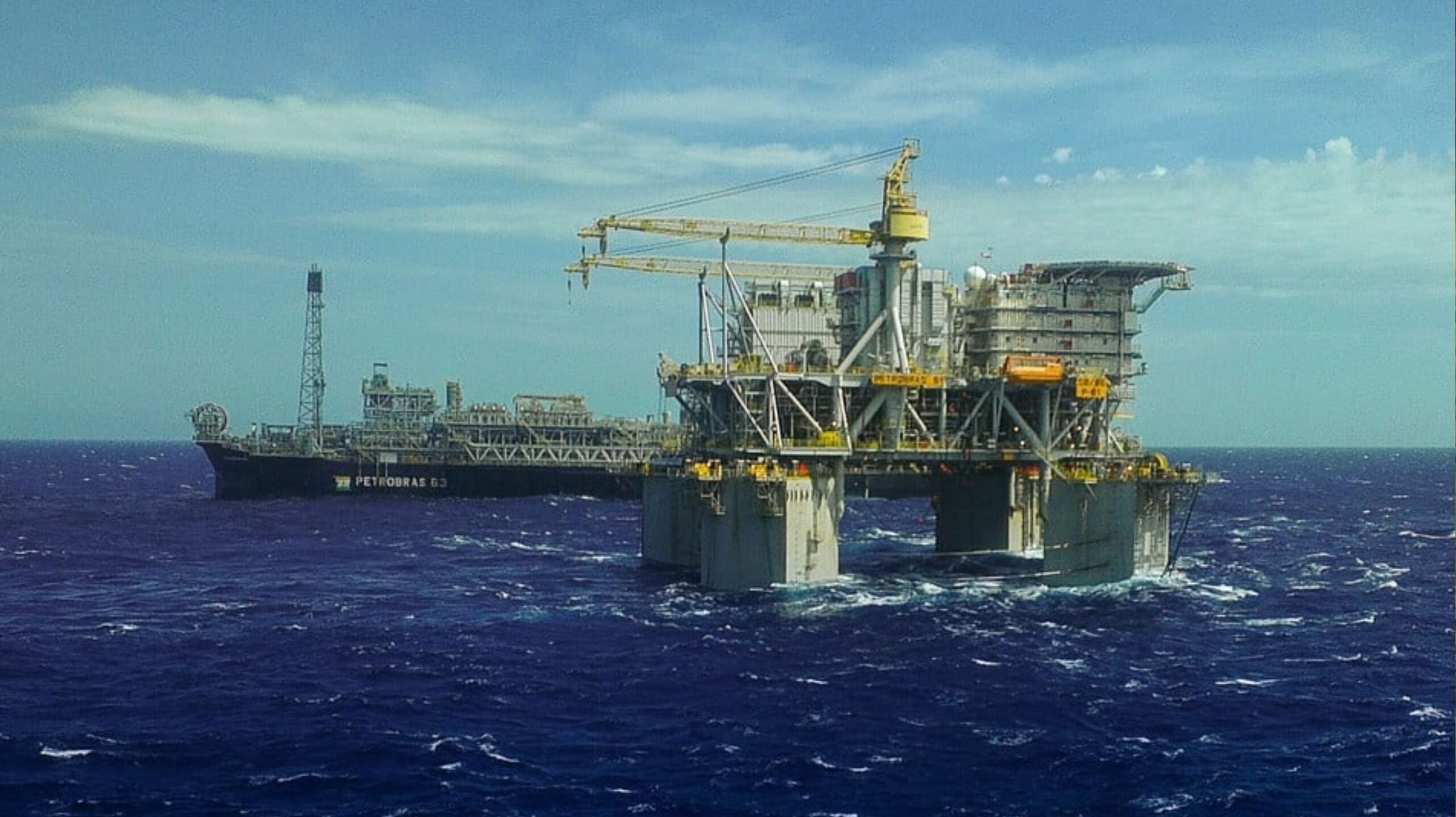


Offshore Oil Field With Estimated Reserves and Complex Extraction Needs Reinvestment and Involved Legal Dispute, Revealing the Risks and Opportunities After Petrobras Divestments.
The offshore Papa-Terra field, located in the Campos Basin, has become one of the largest operational and legal challenges for the new controller, Brava Energia, after being sold by Petrobras in 2022 for around US$ 105.6 million.
The transaction included payments conditioned to the future performance of production, with expectations of field revitalization.
However, two years later, the asset continues to require advanced technical solutions and faces legal obstacles involving former state partners.
-
Brazilian giant expands borders in the Southeast: Petrobras confirms new oil discovery in ultra-deep waters in the pre-salt of the Campos Basin.

-
Alert in the global energy market: Severe tropical cyclone hits the coast and disrupts gas production at major plants in Australia, threatening global supply.

-
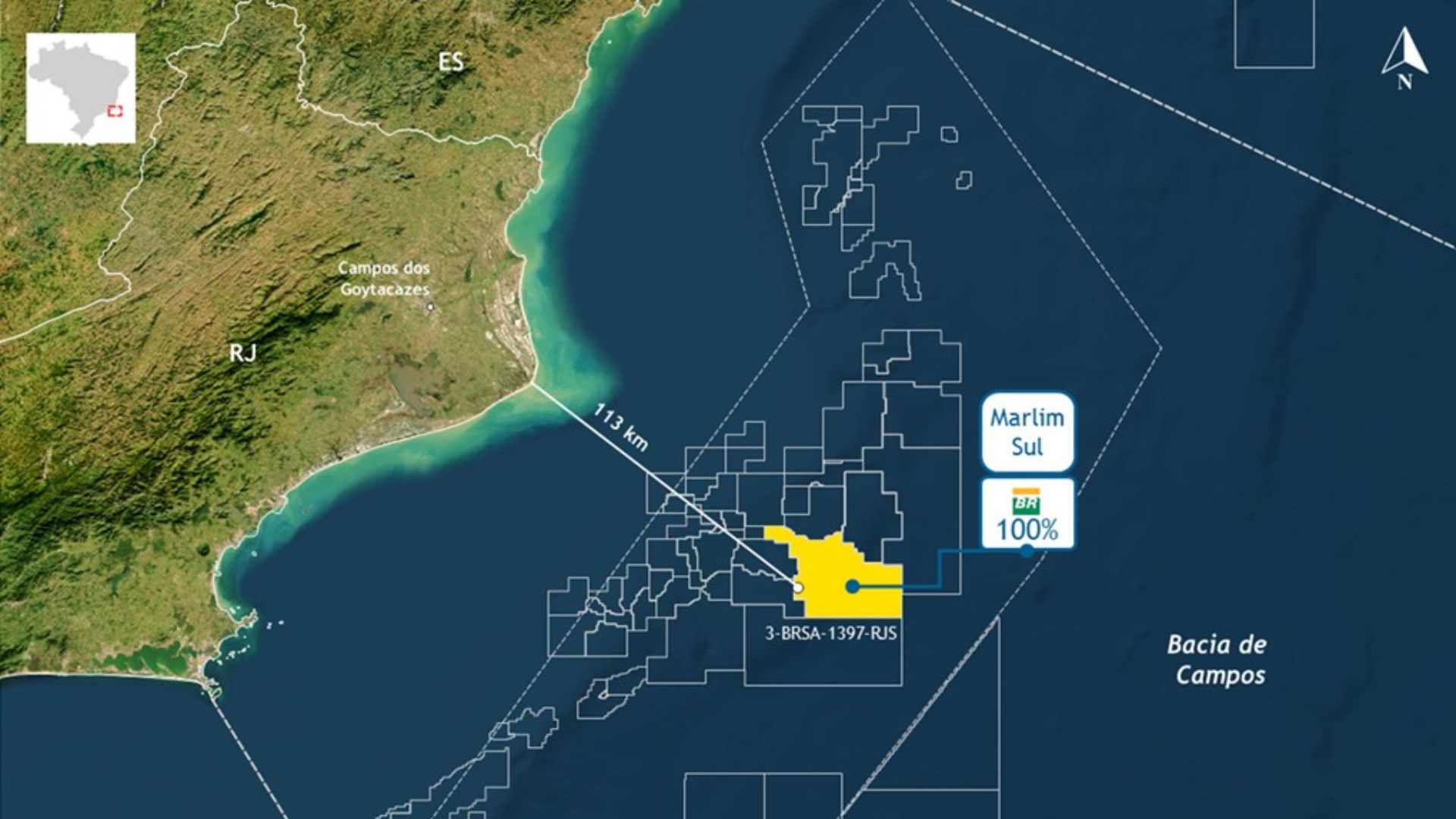
Petrobras finds high-quality oil in the pre-salt at 113 km from RJ and reignites expectations about strategic reserves in the Campos Basin.

-
Ocyan opens registrations for startups focused on innovation in the oil and gas sector and will select projects for Innovation Day with the support of Nexio.

The field began operations in 2013, using a Tension Leg Wellhead Platform (TLWP) attached to the FPSO P-63.
Although the project was considered innovative at the time, high costs and results below targets led Petrobras to reclassify Papa-Terra as a “non-strategic asset.”
In December 2022, Petrobras finalized the sale to 3R Petroleum, which later changed its name to Brava Energia, taking on all future risks and obligations.
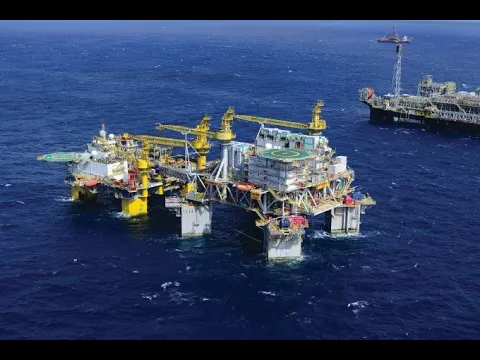

Oil Field With Billion-Barrel Reserves and Difficult Extraction
Considered a promising field due to the large amount of remaining oil, Papa-Terra has estimated reserves of over 2 billion barrels, according to Petrobras data at the time of sale.
However, extraction is complicated by the physical characteristics of the oil, classified as an API level of 12 to 17, indicating high density.
The recovery factor of Papa-Terra is only 2%, compared to an average of 16% in the Campos Basin, resulting from technical analyses showing low efficiency in conventional extraction methods.
This discrepancy requires the adoption of specific technologies, such as water injection, reactivation of wells, and the use of new equipment.
Brava Energia has already conducted additional drilling and flow tests to try to increase production and recover a considerable portion of this heavy oil.
Legal Obstacles and Impact on Operations
In addition to technical issues, the operation is embroiled in legal disputes with former Petrobras partners, complicating the governance of the consortium.
Documents from Brava and specialized reports indicate disagreements over the division of operational rights, including vetoes and strategic decisions that delay the planned schedule.
This legal entanglement may necessitate contractual renegotiations and adjustments to investment programs, altering the pace of project execution.
Partial Advances and Future Prospects
Despite the obstacles, Brava has achieved significant advances, especially in March 2024, with a noticeable increase in average daily production.
The temporary growth generated optimism among investors and curiosity in the market, but it is still far from the projected potential for the field.
Experts define Papa-Terra as a “hidden gem” — a valuable asset that requires more resources and innovative solutions to achieve definitive results.
Market Outlook and ANP Monitoring
Industry analysts, such as those from Itaú BBA and XP, monitor Brava’s performance with caution, emphasizing that results will depend on technical success and resolution of legal issues.
The ANP has already approved new phases of development, including re-entry into old wells and tests with water injection systems, aiming to increase the recovery factor.
These approvals represent an opportunity but also increase exposure to financial and operational risks.
Petrobras Divestments Under Discussion
The case reintegrates the discussion on the model of Petrobras divestments, especially when complex assets are transferred to smaller companies.
The strategy raises questions about these companies’ capacity to revitalize challenging reserves and about the technical and legal legacy they inherited from the state-owned company.
Petrobras Divestments Under Discussion
The case of Papa-Terra raises a central question about Petrobras’s divestment model.
Did Petrobras score a win by shedding a problematic field — or will Brava Energia turn what was a headache into a winning ticket worth billions of barrels?








Eu me aposentei da Petrobras a 2 anos e PARTICIPEI. DO EVTE estudo de viabilidade técnico econômica de PAPA – TERRA. a vinte anos atrás. Mesmo naquela época das vacas gordas esse já era. RECONHECIDAMENTE. um campo difícil demais. A Petrobrás tinha um. MOTO… ” O DESAFIO É A NOSSA ENERGIA”. uma. frase “bonitinha” mas TOTALMENTE. ****…. A empresa tinha. uma mania de entrar em projetos. INVIÁVEIS…. sem tecnologia ou U$ para. obtê- la. e com um corpo de engenheiros. MUITO NOVOS e pouco experientes. chegando no lugar dos. VELHOS DINOSSAUROS. PRUDENTES E EXPERIENTES…. EU JÁ ERA UM VELHO DINOSSAURO. NA ÉPOCA. e fui. visceralmente contra esse Projeto…. Uma verdadeira. armadilha pega. ****…Esse Projeto super mico. só foi superado pelo famigerado. TUBARÃO DA OGX que vitimou o incauto e noviço. EIKE BATISTA…. DEU NO QUE DEU … ATIVOS GERADORES DE PREJUÍZOS. E… DISSABORES. ( PORÉM. PREVISÍVEIS …). meninos. EU AVISEI!!!…
Se fosse bom, a PETROBRAS não venderia. Ôôôô BRAVA….KKKKKKK
A Brava comprou o campo sem saber qual era o tipo de óleo e quais as dificuldades de extração? Conta outra!