





 Portuguese
  English
  Spanish
  4 min of reading
  0 comments


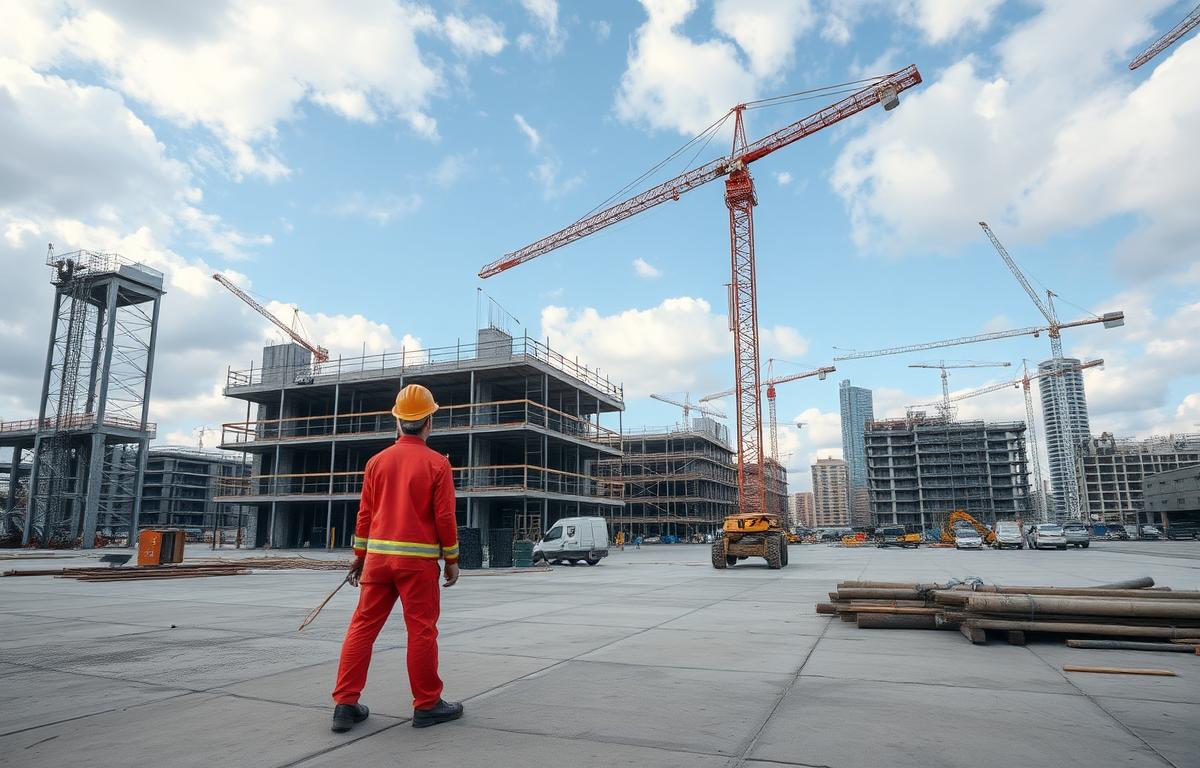
Skilled Labor Shortage in Civil Construction Is a Global Challenge with an Impact in Brazil, Requiring Training, Automation, and Digital Literacy.
The skilled labor shortage plagues various sectors around the world, with civil construction being one of the most affected. In Brazil, this situation is no different. The lack of qualified workers compromises the sector’s progress, posing significant challenges for companies. Over the past two decades, urban expansion has required more specialists, but the supply has not kept up with this increasing demand. With the advancement of technology, professionals must constantly update their skills to remain competitive; however, the availability of these courses is not always there.
Recently, a study conducted in 2022 by the University of São Paulo indicated that the lack of qualified workers has become an even more critical problem. Contractors have reported great difficulty in finding qualified personnel, which raises costs and delays projects. The research also highlights that approximately 60% of companies in the sector face low expertise within their teams, underscoring the urgency for training and skill development programs. The consultancy McKinsey & Company suggested in 2021 that automation could be a stopgap solution, but that investment in education is essential.
Impact on the Economy and Contingency Measures
This labor shortage directly affects the national economy, reducing efficiency and competitiveness of Brazilian companies in international markets. Since 2018, there has been a growing search for innovative solutions to minimize this impact. Hiring foreign labor has been an option adopted by some countries, but there is no concrete data indicating that this practice has been initially adopted in Brazil. With the labor reform of 2017, a flexibilization was expected, which has yet to produce the anticipated improvements.
-
The government opens the vault and deposits R$ 2.6 billion for the construction of Brazil’s first underwater tunnel, with a length of 1.5 km, 870 m under the sea, a total project cost of R$ 6.8 billion, and a 30-year concession.

-
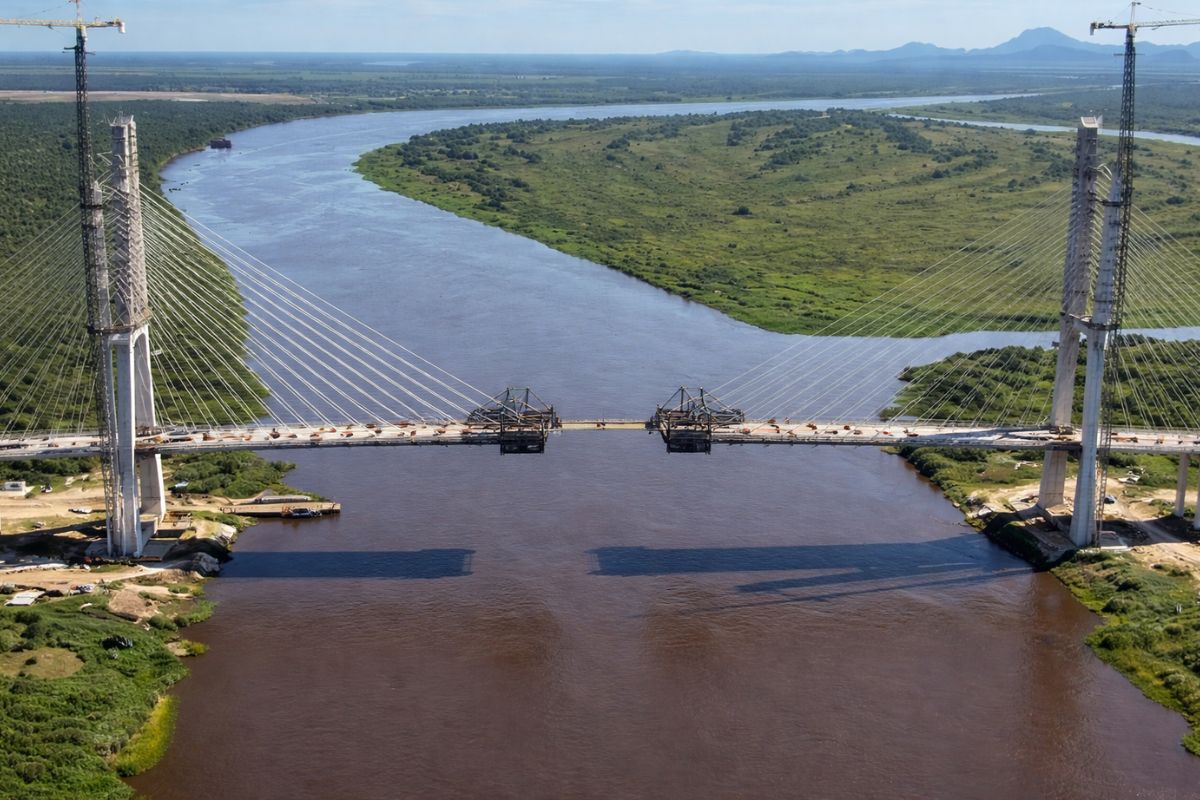
Only 46 meters remain for Brazil and Paraguay to connect via the Bioceanic Route bridge, the project that will link the Atlantic to the Pacific by land and change the logistical map of four countries in South America.
-
The bridge that holds the largest stone railway arch in the world: built over 100 years ago, destroyed in the war, and rebuilt to continue operating to this day, it still carries trains over the Soča River in Slovenia.

-
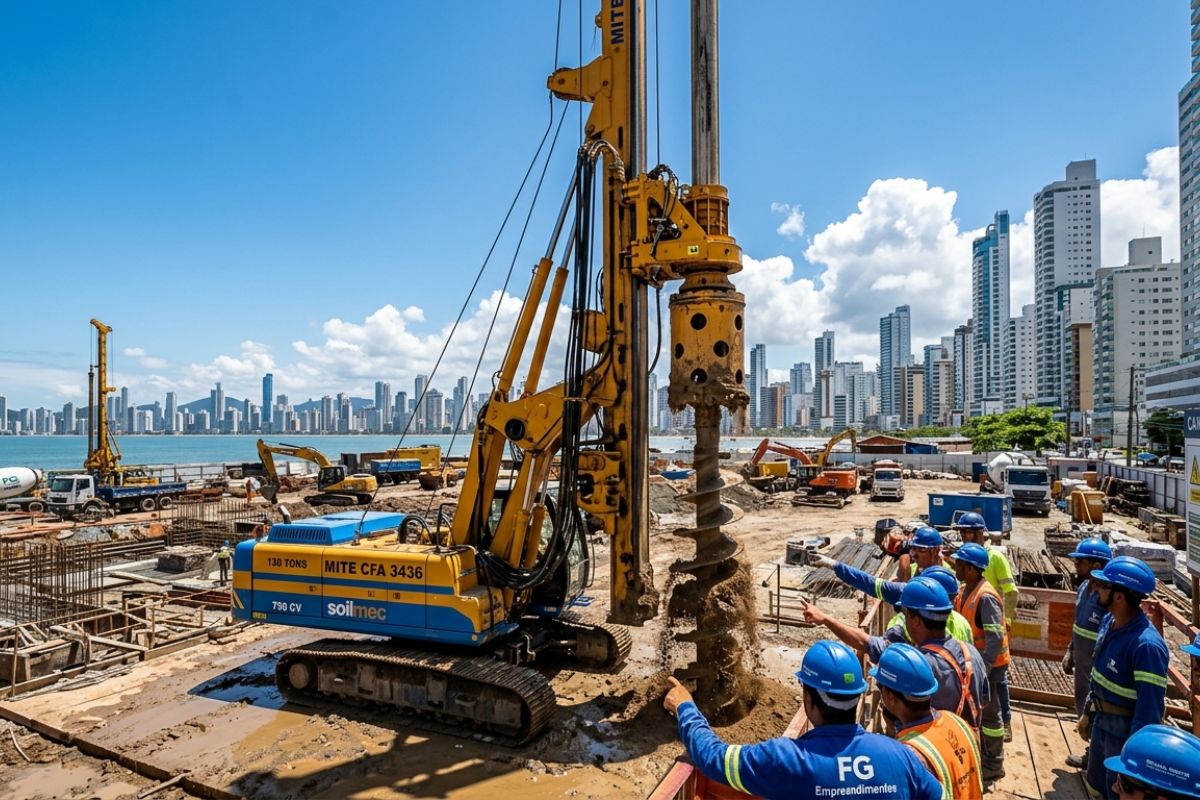
Italian giant of 130 tons arrives at the Senna Tower construction site and accelerates foundations: Mite CFA 3436 drills up to 50 m, 750 hp engine, investment of R$ 20 million, unique in Latin America.

In this scenario, experts indicate that a joint effort between the public and private sectors is necessary. Encouraging partnerships with educational institutions can elevate specialization levels. The government announced in 2020 a new policy aimed at technical education, which could be a significant step toward a solution. Paraphrasing the analysis from the Getulio Vargas Foundation in 2023, the future of the job market depends on our ability to adapt and innovate.
With these challenges, the sector needs to be reinvented. Continuous training should be the new standard for professionals in the field, considering that technological evolution shows no signs of stopping. A proactive approach will ensure that the workforce is not only available but also well-equipped to meet the dynamic demands of the sector.
Challenges of the Skilled Labor Shortage
Signs of this imbalance become evident from multiple perspectives, and many experts are already raising concerns about the imminent risk of a ‘labor blackout’ in the sector. The signs are clear: from rising wage costs and constant project delays to intense competition for qualified workers. To illustrate this scenario, the ‘Construction Survey’ conducted by FGV Ibre, released in June 2024, indicated that 71.2% of companies in the sector faced difficulties in hiring qualified workers over the 12 months preceding the survey, with 39% of companies reporting great difficulty in this process.
The Crisis of the Lack of Specialized Professionals
This phenomenon, however, is not a peculiar issue restricted to Brazil. A recent study by McKinsey pointed out that the trend of labor shortage is a tangible reality in many developed countries. This occurs due to a demographic crisis that also impacts the construction sector. In this environment of low expertise, the cost to hire qualified professionals has risen significantly. According to Sinapi (National System of Costs and Indices of Civil Construction), over the past ten years, the cost of labor in civil construction in Brazil has grown by 69%. And, as can be seen, this problem does not appear to be temporary.
Training and Digital Literacy
The training of new professionals does not keep pace with the sector’s expansion, turning the recruitment of skilled labor into a real challenge for construction companies and projects of various sizes. With technological advances, a new layer of complexity is added to this equation. New tools and construction methods require professionals with specific training and a new set of skills, highlighting the need for companies to invest in digital literacy. From Building Information Modeling (BIM) to the extensive use of computerized solutions on job sites, this new landscape demands disruptive changes in the job market. Unfortunately, the supply of technical training still remains limited in the short term.
Transformations in Civil Construction
Fortunately, some alternatives are beginning to stand out. Some construction companies are investing heavily in the mass training of their internal teams, while others are betting on process automation to cut costs in certain stages of construction. Emerging as a strong trend, outsourcing is positioned as an alternative, through partnerships that allow access to specialized labor for different types of projects, whether residential, commercial, or industrial, with various layers of specialization, from operational teams to competent engineers and supervisors.
Opportunities Amidst the Scarcity
This movement clearly reflects a transformation in civil construction, in search of a more efficient, sustainable, and financially predictable model. Many companies choose to outsource specializations, achieving greater operational stability in times of structural transformations. Thus, the skilled labor shortage, which previously seemed merely a barrier, now drives changes that have the potential to redefine the competitiveness of civil construction in the years to come.
Source: LEONARDO DAHLEM







Seja o primeiro a reagir!