





 English
  Francês
  Alemão
  Italiano
  Japonês
  Norueguês
  Portuguese
  Spanish
  4 min of reading
  1 comment


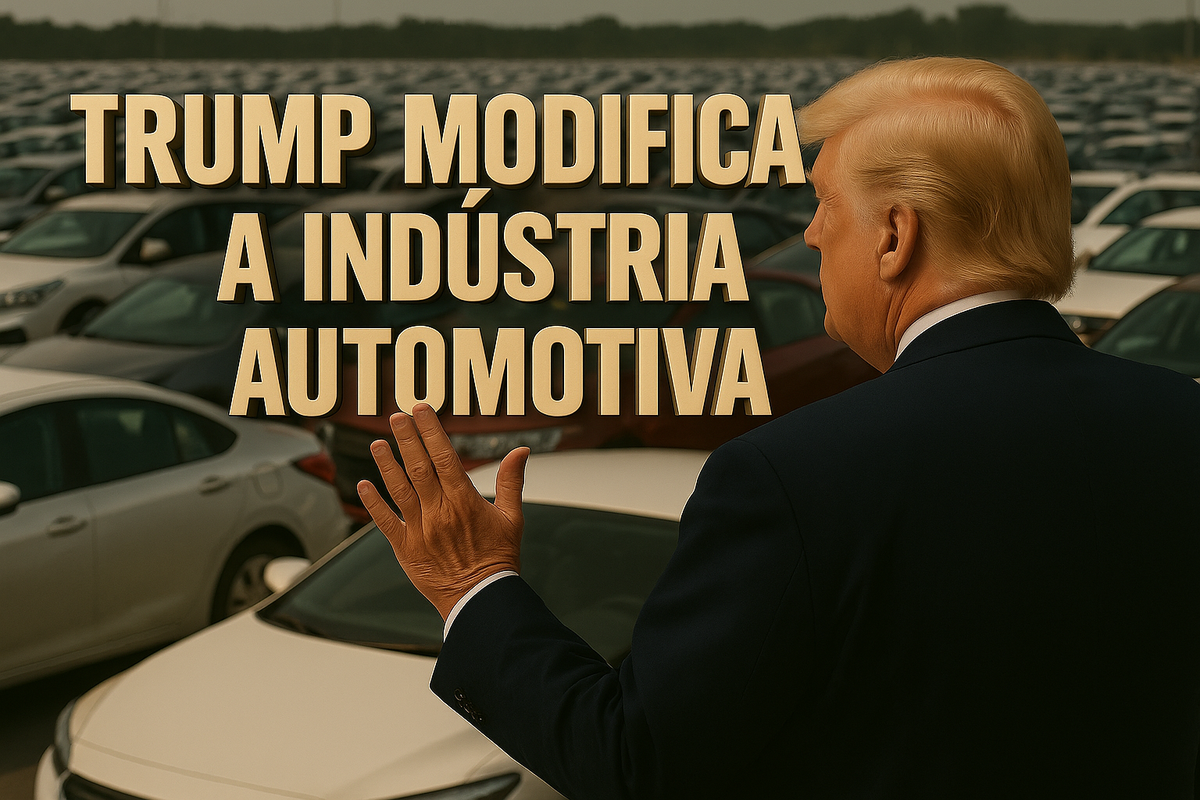

New US Tax Measure Threatens International Production Chains and Causes Tension Among Exporting Countries
A high-impact economic decision was made by the United States government in April 2025. Since then, reactions have been intense around the globe.
Since resuming the presidency in January, Donald Trump has adopted stricter trade policies. Therefore, he announced a 25% tariff on the import of vehicles and automotive parts.
According to the Automotive Trade Association, this decision could represent a rupture in global production chains. Therefore, the impact is expected to spread quickly among key exporters in the sector.
-
Engineers propose a fourth traffic light for intersections – the change promises to affect crossings, queues, and waiting times.

-
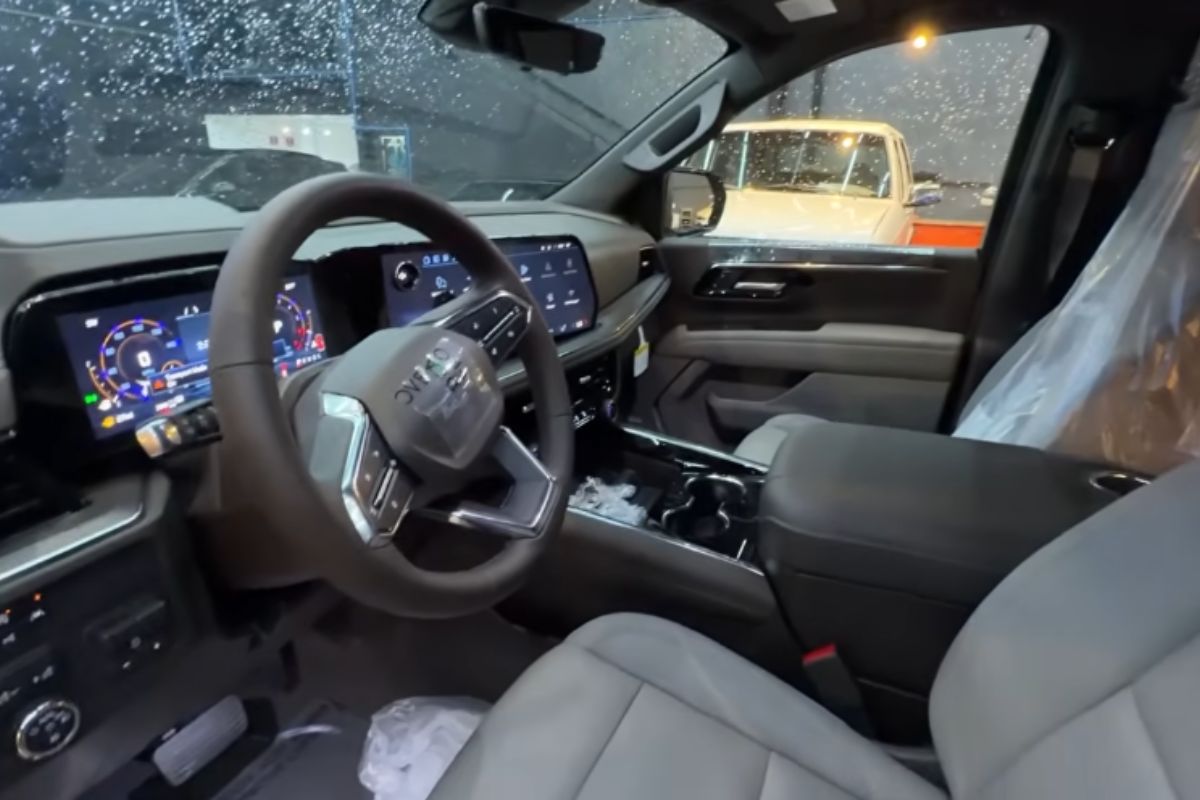
Chevrolet Suburban Z71 lands in Brazil with a V8 engine, off-road design, air suspension, seven seats, and colossal size, a rare version imported for around R$ 1.3 million with luxury and exclusivity.
-
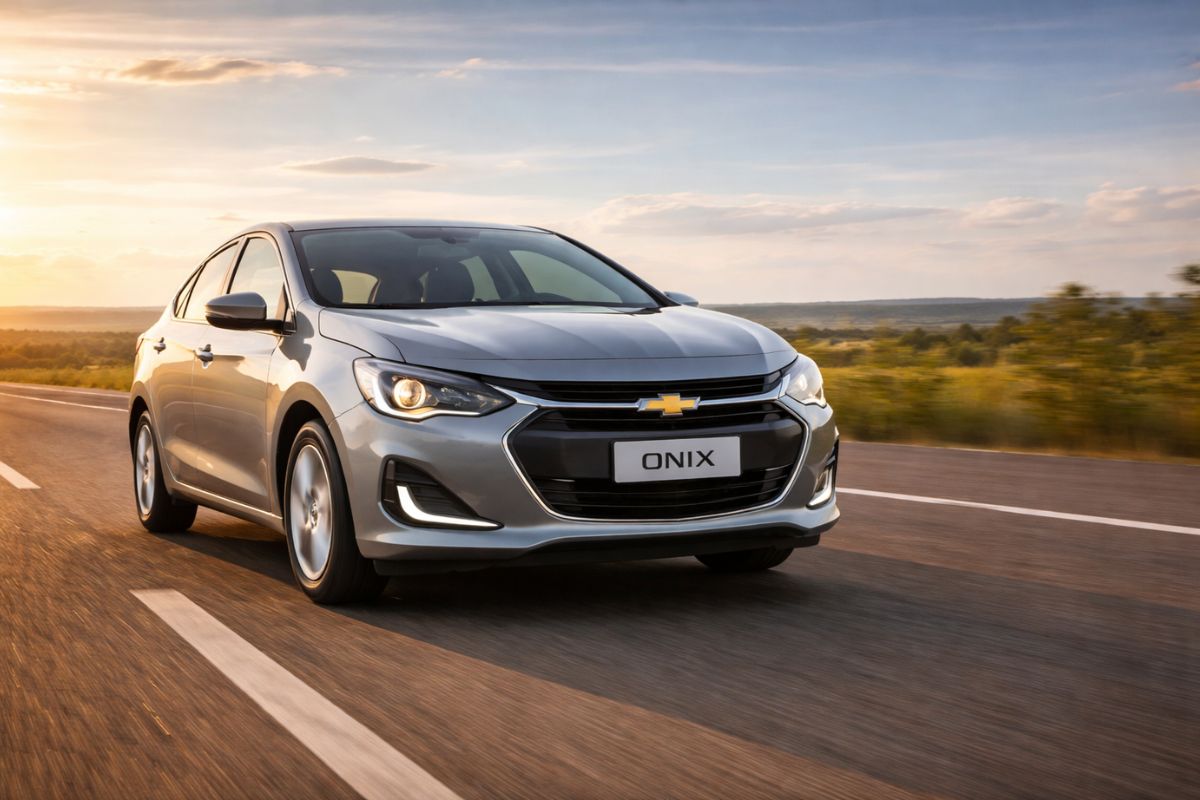
The Chevrolet Onix 1.0 turbo achieves 17.7 km per liter on the highway and ranks among the three most economical cars in Brazil in 2026, alongside two more expensive Toyota hybrids available at dealerships.
-
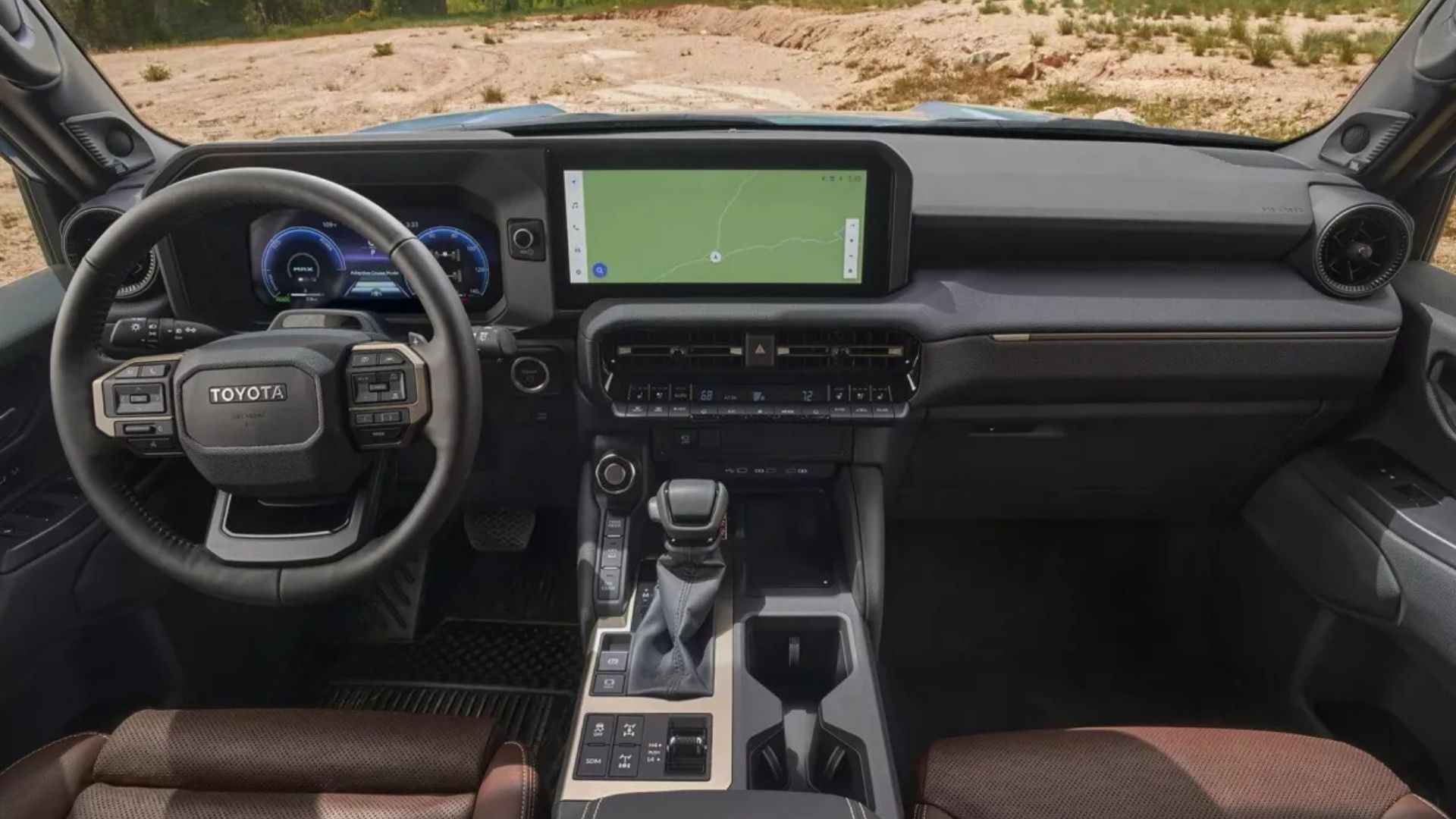
Little sister of the Hilux: Toyota launches Land Cruiser FJ with 4 radical versions, 2.7 engine with 166 hp and 4×4 traction with locking.
The estimate is that costs for automakers will increase significantly. As a result, vehicle prices in the American market are expected to rise, which could lead to severe diplomatic reactions.
Decision Exposes Fragility of Current Production Model
The automotive industry currently operates with a highly integrated chain. Therefore, automakers in the United States directly rely on parts produced in countries like Mexico, Brazil, Germany, and Japan.
However, with the new tariff, this model is under threat. Now, manufacturers need to decide whether to absorb the cost, pass it on to consumers, or change their entire production structure.
According to a Bloomberg report published in April 2025, the prices of vehicles sold in the US could rise by up to US$ 10,000 per unit if the origin of the parts is subject to the new taxation.
Additionally, companies based abroad — which do not have factories in the United States — will be the most affected. For this reason, many of them have already started studies to relocate their operations.
Brazil and Mexico Expected to Suffer the Most Impact
Among the most affected countries is Mexico, one of the largest vehicle exporters to the United States. For this reason, the Mexican government is trying to negotiate tariff exemptions similar to those granted to the United Kingdom.
At the same time, Brazil is closely monitoring the developments. This is because automakers like Volkswagen, Stellantis, and GM have factories geared towards export, primarily to the North American market.
According to the National Industry Confederation, the measure could undermine trade agreements within Mercosur. Additionally, there is a risk of a decline in investments in Brazilian industrial plants.
Therefore, Trump’s protectionist policy directly interferes with the logic of regional production. As a consequence, it reduces the competitiveness of emerging countries in the automotive sector.
Trade Allies React with Outrage
In Europe, the response was immediate. European Union lawmakers described the measure as arbitrary and, therefore, threaten to retaliate with tariffs on American products.
Meanwhile, Japan reacted firmly. According to the Ministry of Economy, Trade and Industry, about 30% of Japan’s automotive exports go to the United States. Thus, the new tariff directly affects the country.
Additionally, the World Trade Organization (WTO) was approached by several member countries. They claim violations of international trade rules, exacerbating the diplomatic crisis.
On the other hand, the United Kingdom secured an exemption through a bilateral agreement signed in March 2025. However, other countries continue to pressure Washington for similar treatment.
Manufacturers Start Emergency Planning
In light of the situation, several automotive companies have begun reevaluating their global strategies. For example, some automakers are considering expanding factories within American territory to circumvent the tariff.
However, this alternative will require billion-dollar investments and a complete restructuring of assembly lines. According to PwC, the entire process of nationalization could take up to two years.
As a consequence, smaller companies and specialized suppliers will face significant difficulties. Lacking the capacity to meet the requirements, many are at risk of bankruptcy. Others are considering relocating operations.
End Consumers Will Foot the Bill
From the consumer’s perspective, the impact will be direct. Advocacy groups have already warned about price increases for automobiles, especially for more affordable models.
According to the organization Consumer Reports, price adjustments could range between US$ 2,000 and US$ 10,000 per vehicle. Thus, the middle class will be the most affected.
Additionally, the variety of available models is expected to decrease. This will happen as foreign brands may reduce supply in the United States to avoid losses.
Therefore, the measure may compromise both purchasing power and the diversity of technological options for American consumers.
Consequences for Global Balance
In the assessment of international analysts, the 25% tariff represents the return of an aggressive protectionist agenda. This approach was the same adopted by Trump during his first term, from 2017 to 2021.
During that period, trade conflicts with China and the European Union dominated the global economic landscape. Now, the situation may repeat itself, but with an even greater impact.
Therefore, global trust in the United States as a trade partner is shaken. At the same time, production chains are becoming costlier, less efficient, and more vulnerable.
What Does the Future Hold for the Automotive Industry?
Foreign trade experts warn of a potential drastic transformation in the automotive sector. For them, the survival of small firms will depend on their adaptability.
Meanwhile, large automakers will need to invest in relocation and local production strategies. Although the process is costly, it may be inevitable.
Thus, the coming months will be crucial. Governments will have to decide between retaliating or seeking tailored agreements. Companies, in turn, will need to act quickly to contain losses.
Meanwhile, consumers are already beginning to feel the initial effects of the new economic landscape.
Do you believe that the United States is right to prioritize domestic production, even if it costs global stability? Or would the smarter path be to strengthen international productive integration? Share your opinion!









China vai ganha esse mercado bem rápido