





 Portuguese
  English
  Spanish
  5 min of reading
  0 comments


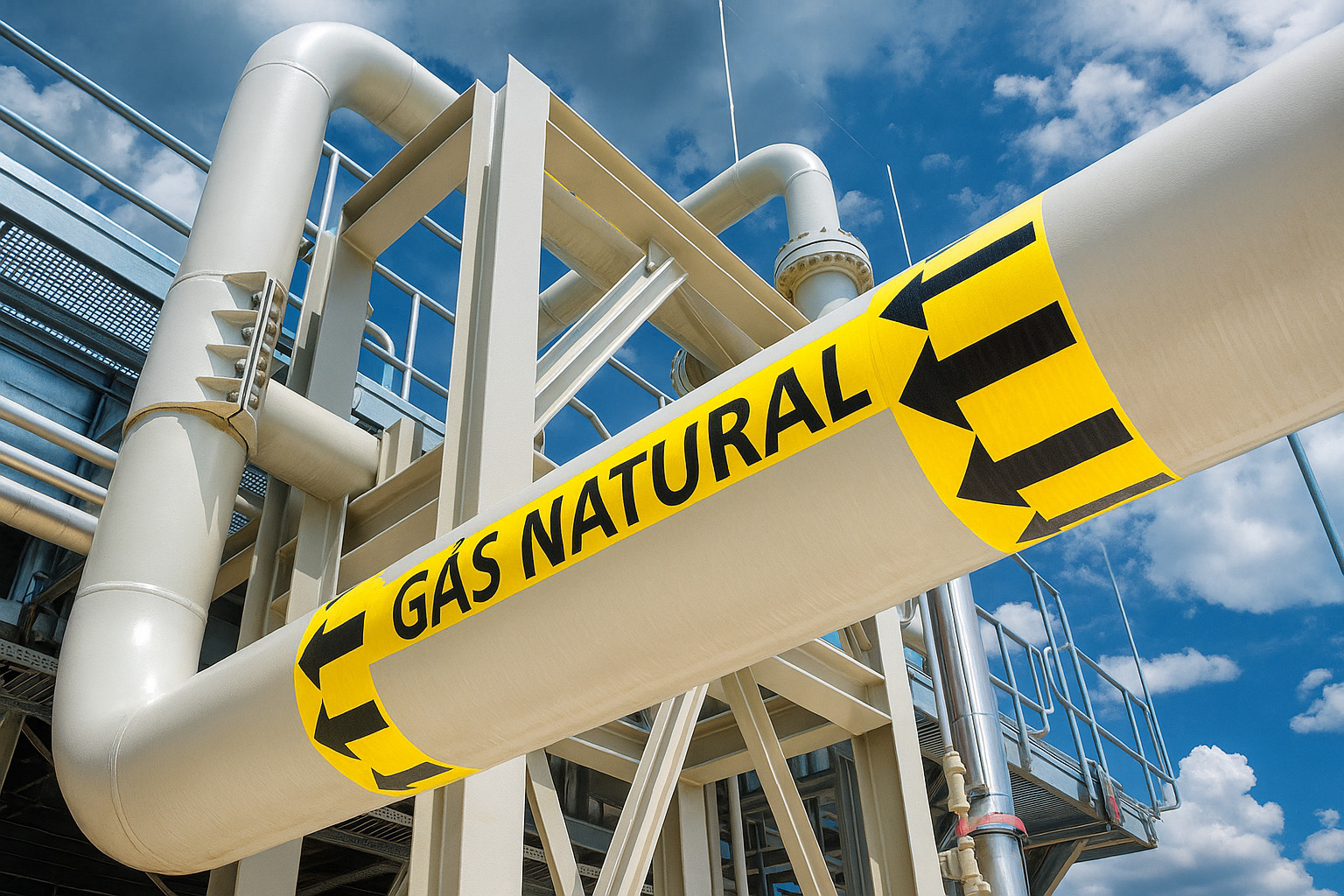
Discover How the Natural Gas Tariff in Santa Catarina Dropped by Up to 10%, Benefiting Residential, Industrial and Commercial Sectors, and Boosting the Local Economy with Infrastructure Investments.
The natural gas tariff directly influences the lives of many Brazilians, especially in states where the use of this fuel stands out for residential, commercial, and industrial purposes.
In Santa Catarina, a state in southern Brazil known for its strong economic and industrial activity, a recent news story drew considerable attention:
The natural gas tariff dropped by up to 10%, benefiting various sectors of the local economy and the population in general.
-
Brazilian giant expands borders in the Southeast: Petrobras confirms new oil discovery in ultra-deep waters in the pre-salt of the Campos Basin.

-
Alert in the global energy market: Severe tropical cyclone hits the coast and disrupts gas production at major plants in Australia, threatening global supply.

-
Petrobras finds high-quality oil in the pre-salt at 113 km from RJ and reignites expectations about strategic reserves in the Campos Basin.

-
Ocyan opens registrations for startups focused on innovation in the oil and gas sector and will select projects for Innovation Day with the support of Nexio.


To better understand the significance of this change, we need to know a bit of the history of natural gas in Brazil and how tariffs are applied.
Natural gas gained relevance in the country starting in the 1980s, when large reserves were discovered off the Brazilian coast, especially in the Campos Basin in Rio de Janeiro.
Since then, this fuel has become one of the main energy resources due to its efficiency and lower environmental impact compared to other fossil fuels.
Beyond Brazil, natural gas is regarded as a valued energy source worldwide.
Therefore, countries that invest in infrastructure for this source can ensure a more balanced energy matrix with fewer pollutant gas emissions.
This reinforces the potential of natural gas as a strategic ally in combating climate change, an important factor for nations striving to meet international carbon reduction agreements.
Thus, the natural gas tariff is the price that consumers pay to access piped gas, distributed through a network of pipelines.
This tariff includes different components, such as the cost of the gas itself, transportation to the consumption point, and final distribution.
In Santa Catarina, the National Agency for Regulation of Public Services (Aresc) regulates these tariffs, ensuring fairness for both consumers and suppliers.
Factors Influencing the Natural Gas Tariff
Historically, the price of natural gas varies according to various factors, including the price of oil in international markets, infrastructure costs for transportation and distribution.
Therefore, changes in tariffs reflect necessary adjustments to balance the sector, maintaining the economic sustainability of companies and avoiding excessive burdens on the final consumer.
Another aspect that interferes with the formation of the tariff is currency fluctuation.
Since the price of gas is often linked to the international market, fluctuations in the value of the dollar directly impact the cost of fuel for Brazilian consumers.
This makes efficient management and appropriate regulation essential to minimize negative impacts on the population’s budget.
Thus, the recent reduction of up to 10% in the natural gas tariff in Santa Catarina exemplifies how tariff adjustments can generate positive impacts across various sectors.
This reduction, which came into effect at the beginning of the month, affected various segments that use natural gas in their operations or in the daily lives of families.
Industries, residential areas, commercial establishments, and vehicle sectors received reductions ranging from about 6% to 10%, depending on the type of consumption.
Impacts of the Tariff Reduction on Different Sectors
In the industrial sector, one of the main consumers of natural gas in the state, the tariff saw an average reduction of approximately 7.6%.
This change is significant because natural gas serves as an energy source for production processes, heating, and steam generation, representing an important portion of industrial operational costs.
Moreover, by reducing costs, industries can invest more in technological innovation, sustainable processes, and expansion, fostering regional development and generating jobs.
This movement brings direct benefits to the local economy and to the quality of life of the population.
Additionally, using natural gas in residences helps reduce the risk of domestic accidents related to handling gas cylinders, promoting greater safety for families.
The use of natural gas in the vehicle sector, although still smaller in scale compared to other segments, also received a reduction of over 8%.
Compressed natural gas (CNG) represents a more economical and cleaner alternative compared to gasoline and diesel, and the tariff reduction could encourage more drivers to adopt this type of fuel, contributing to improved air quality in cities.
This option helps lower transportation costs for people and businesses, as well as promoting more sustainable urban mobility, a topic that is increasingly prioritized in public policies.
In the commercial sector, which includes everything from restaurants to small businesses, the tariff received the largest reduction, reaching about 10%.
This is particularly important because natural gas fuels various commercial equipment, such as industrial stoves, heaters, and boilers.
With lower tariffs, local commerce operates with reduced costs, which could reflect in more affordable prices for consumers.
Infrastructure Expansion and Investments
In addition to the direct benefits for consumers, the reduction of the natural gas tariff in Santa Catarina is linked to investments in expanding the distribution infrastructure.
The SCGÁS, the company responsible for supplying piped gas in the state, announced that it will receive funds to expand its network, especially in the southern region of the state.
About R$ 113 million is allocated to expand more than 60 km of natural gas network, with investments planned for 2025 in cities such as Siderópolis, Criciúma, Araranguá, and Cocal do Sul.
These investments are essential to ensure that more municipalities have access to natural gas safely and continuously.
Infrastructure expansion contributes to the diversification of the energy matrix, reduces transportation costs, and allows for future tariff reductions.
Improving the infrastructure also means that natural gas will reach more remote areas and small communities, promoting energy inclusion and social development.
Prospects for the Future of the Natural Gas Tariff
The natural gas tariff, therefore, does not represent just a fixed value; it depends on various economic, political, and technical variables.
Cautious regulation seeks to balance public and private interests, ensuring access to gas sustainably and affordably.
In Santa Catarina, the recent reduction indicates the attention given to the sector, focusing on promoting economic development and improving the quality of life of the population.
Looking toward the future, we can expect that natural gas will continue to play a crucial role in the energy matrix of both the state and the country.
The pursuit of cleaner and more efficient energy sources positions natural gas as an important bridge for the energy transition, primarily because it emits fewer polluting gases compared to coal and oil.
Additionally, the reduction in tariffs could stimulate responsible consumption and investment in new technologies, such as:
Energy cogeneration and the use of natural gas in innovative industrial processes.
With this, Santa Catarina will strengthen its position as a sustainable and competitive economic hub.
In summary, the reduction of up to 10% in the natural gas tariff in Santa Catarina represents an important milestone for the state.
Reflecting regulatory efforts and strategic investments that benefit consumers, businesses, and the environment.
With a more accessible tariff, natural gas becomes an increasingly viable and attractive energy alternative, contributing to sustainable growth.










Seja o primeiro a reagir!