





 Portuguese
  English
  Spanish
 4 min of reading
  0 comments


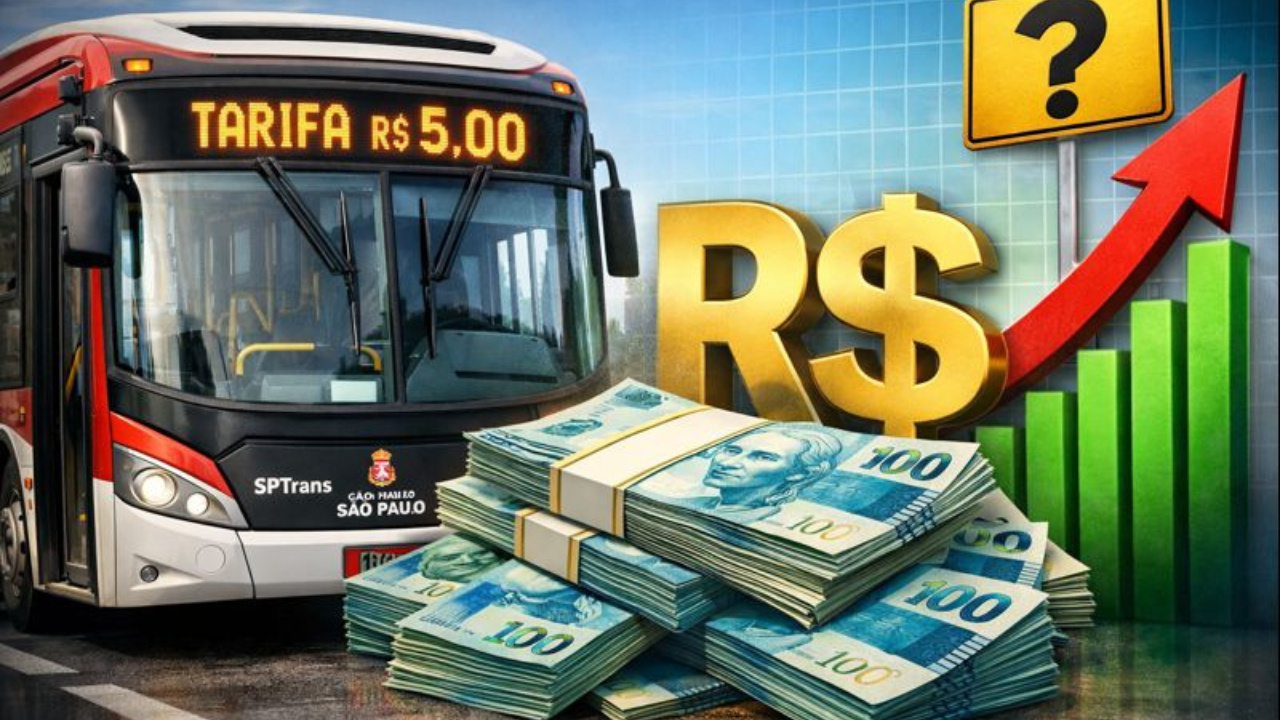
High Operational Costs And Contract Revision By SPTrans Expand Public Subsidy And Put Bus Fare On Debate For 2026.
The decision on the value of the bus fare in São Paulo for 2026 has become one of the main economic challenges for the current municipal administration.
Mayor Ricardo Nunes (MDB) is analyzing the issue at the end of the year in the capital, given the accelerated growth of operational costs of the transportation system, which have increased faster than fare revenue.
The scenario, confirmed by data from SPTrans, forces the city hall to expand public subsidy to maintain the operation of the network, while the expected contract revision with the companies is likely to increase expenses further next year.
-
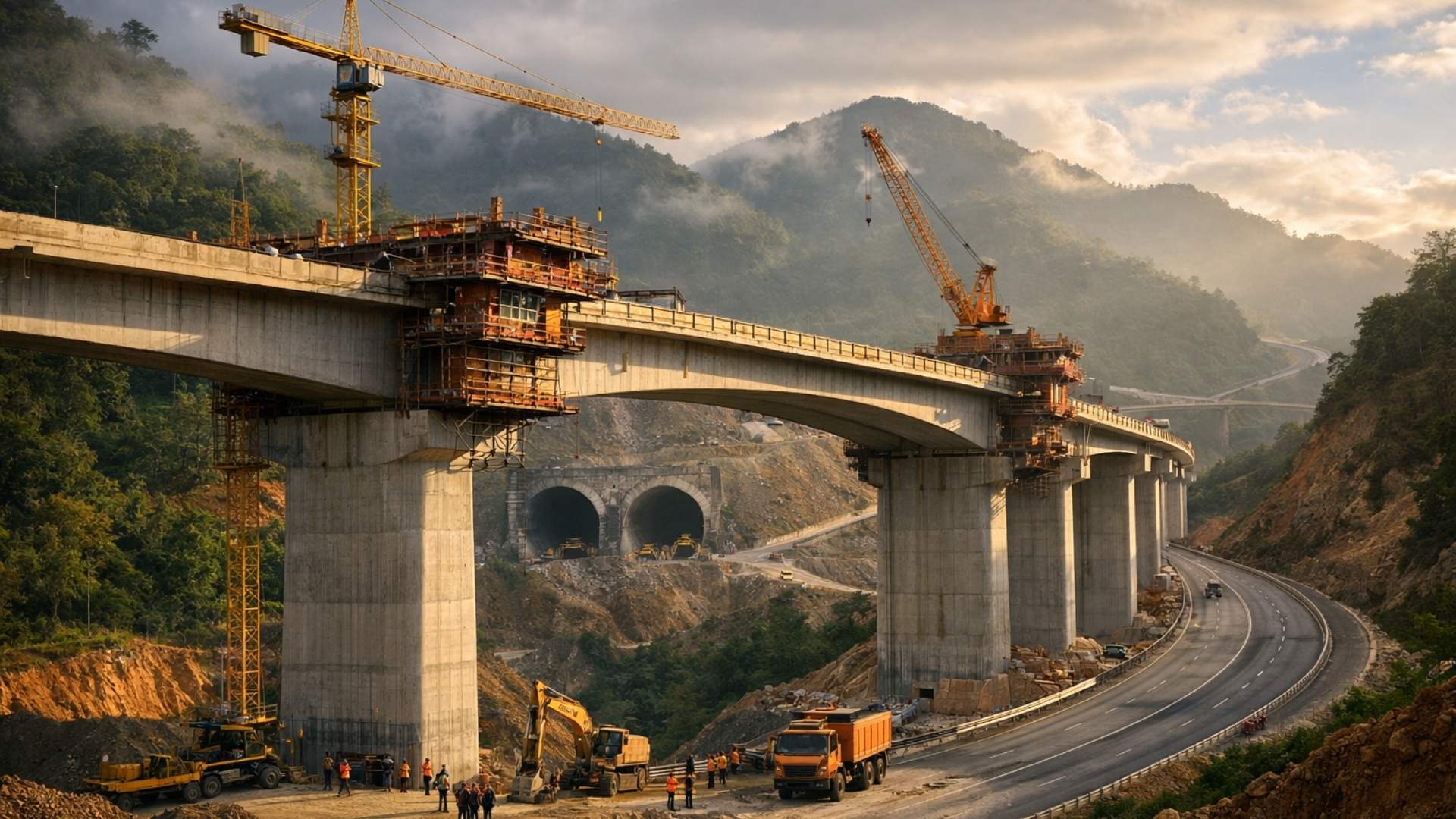
The government puts R$ 8.6 billion on the table to change the highway (BR) with 50 overpasses, 28 bridges, 4 tunnels, and 40 km of bike lanes in 180 km of historic duplication.
-
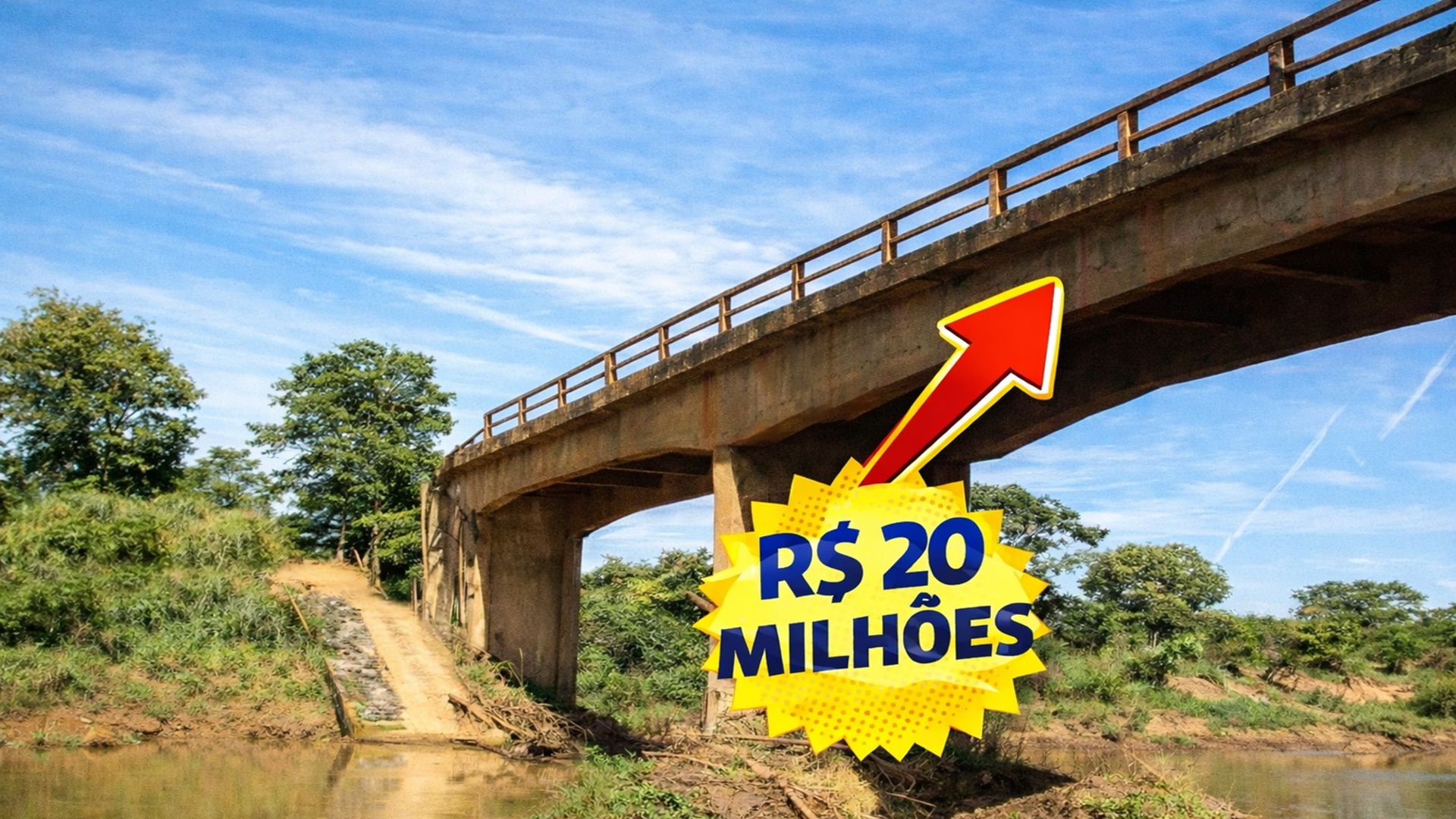
BRL 20.1 Million Bridge Project Kicks Off: 200-Meter Construction to Improve Access in Three Cities in Minas Gerais
-
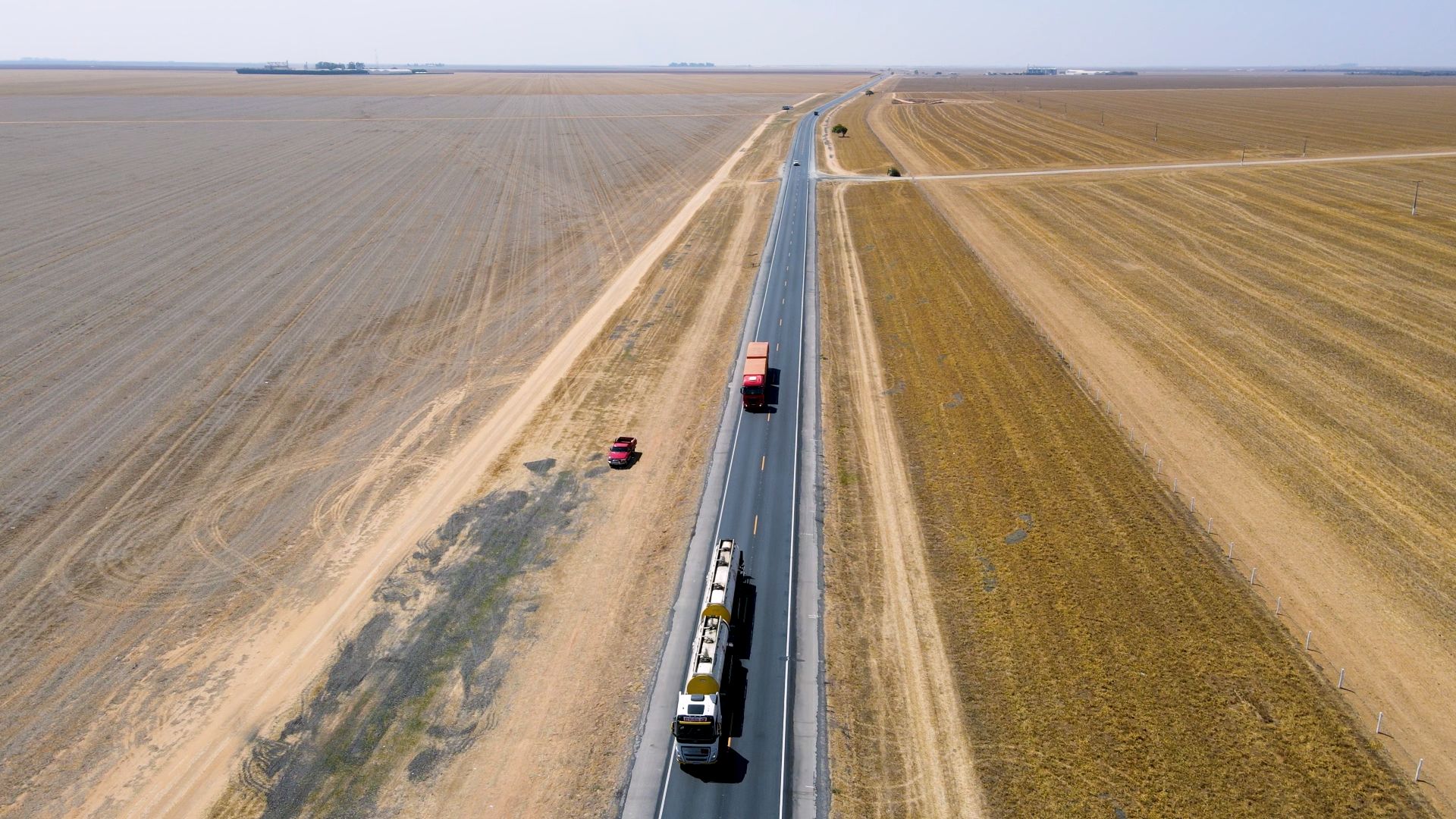
‘Endless Road’ In Brazil Is One of The Largest In The World: 145 Km Stretch On An Important Highway (BR) Crosses The West Of Bahia And Had 135.9 Km Revitalized With R$ 35.3 Million
-
Engineer From ITA Who Worked at Embraer Leads Free Flow Expansion With National Artificial Intelligence and Technology for Toll Without Barriers in Brazil


Operational Costs Grow Above Bus Fare Revenue
The latest numbers from SPTrans show a mismatch between expenses and revenues.
Between January and October of this year, the total cost of the bus system increased by R$ 492.7 million compared to the same period in 2024.
In the same interval, bus fare revenue increased by R$ 410.3 million.
Still, this growth was not enough to cover the rise in expenses, which forced the City of São Paulo to transfer around R$ 6 billion in public subsidy to transport companies by October.
As a direct result, the value of the subsidy increased by more than R$ 81 million solely due to the difference between costs and revenue.
Public Subsidy Hits Highest Value In City’s History
In 2025, the total cost of the public transportation system already totals R$ 10.34 billion.
On the other hand, fare revenue was around R$ 4.3 billion, reinforcing the system’s dependence on public subsidy.
The R$ 6 billion transferred by October represents the largest volume of public resources ever allocated to the sector in the city, even without considering the months of November and December.
According to official data, this amount is R$ 106 million higher than recorded in the same period last year.
Costs Rise Above Official Inflation
In percentage terms, the operational costs of transportation grew about 5% in ten months. This rate exceeds the cumulative inflation of 3.92% until November, measured by the IPCA, from IBGE.
In a statement, SPTrans states that the real increase was 5.96%, almost double the inflation for the period.
Still, the company considers that there was no “surge in costs.”
The Municipal Secretariat of Mobility and Transport (SMT) emphasized that “the variation of 5.96% recorded between 2024 and 2025 is within the expected in the concession contract and, therefore, does not represent any financial mismanagement.”
Contract Review Should Put More Pressure On The System In 2026
In addition to the annual increase in costs, the Municipal Court of Accounts (TCM) recently authorized the contract revision of contracts with the bus companies.
This quadrennial review was supposed to occur in May but has been postponed.
The companies claim that the delay has caused losses exceeding R$ 1 billion.
The lack of this transfer was pointed out as one of the reasons for the non-payment of the 13th salary, a situation that led to the drivers’ strike in early December.
Fipe Study Identified Economic-Financial Imbalance
To calculate the stability required by the contract, SMT hired the Foundation Institute of Economic Research (Fipe) for around R$ 1.1 million.
The study concluded that the Internal Rate of Return (IRR) should be 9.88%, above the 9.1% currently practiced by SPTrans.
The IRR is an indicator that measures the profitability of the concession, considering costs and financial returns.
This type of review is common in transportation systems around the world and seeks to adjust contracts over time.
Impact Of Contract Review On Municipal Budget
Recent experiences show the weight of these corrections.
In 2023, the state government had to recognize contractual losses from ViaQuatro and ViaMobilidade, totaling more than R$ 980 million to be paid by 2040.
In the case of buses in the capital, the contract review is expected to generate new costs as early as 2026.
The budget sent to the City Council provides for R$ 6.2 billion in public subsidy, but does not include additional amounts resulting from this review.
Bus Fare In 2026 Remains Undefined
The bus fare was frozen at R$ 4.40 during the pandemic and was adjusted only in January 2025, when it went up to R$ 5.00, an increase of 13%.
Mayor Ricardo Nunes stated that SPTrans will present, after December 20, the technical studies that will support the decision regarding the value of the fare in 2026.
“There is an issue of balance,” the mayor stated in an interview.
Experts Criticize Subsidy-Based Model
According to Professor Ciro Biderman from FGV, the current model does not encourage improvements in service. “The bottleneck lies within the subsidy itself.
According to him, the consequence is the loss of passengers, frequent delays, and less concern for quality.
“This subsidy is very damaging that has ended up being established in SP,” he concluded.









Seja o primeiro a reagir!