





 Portuguese
  English
  Spanish
  6 min of reading
  0 comments


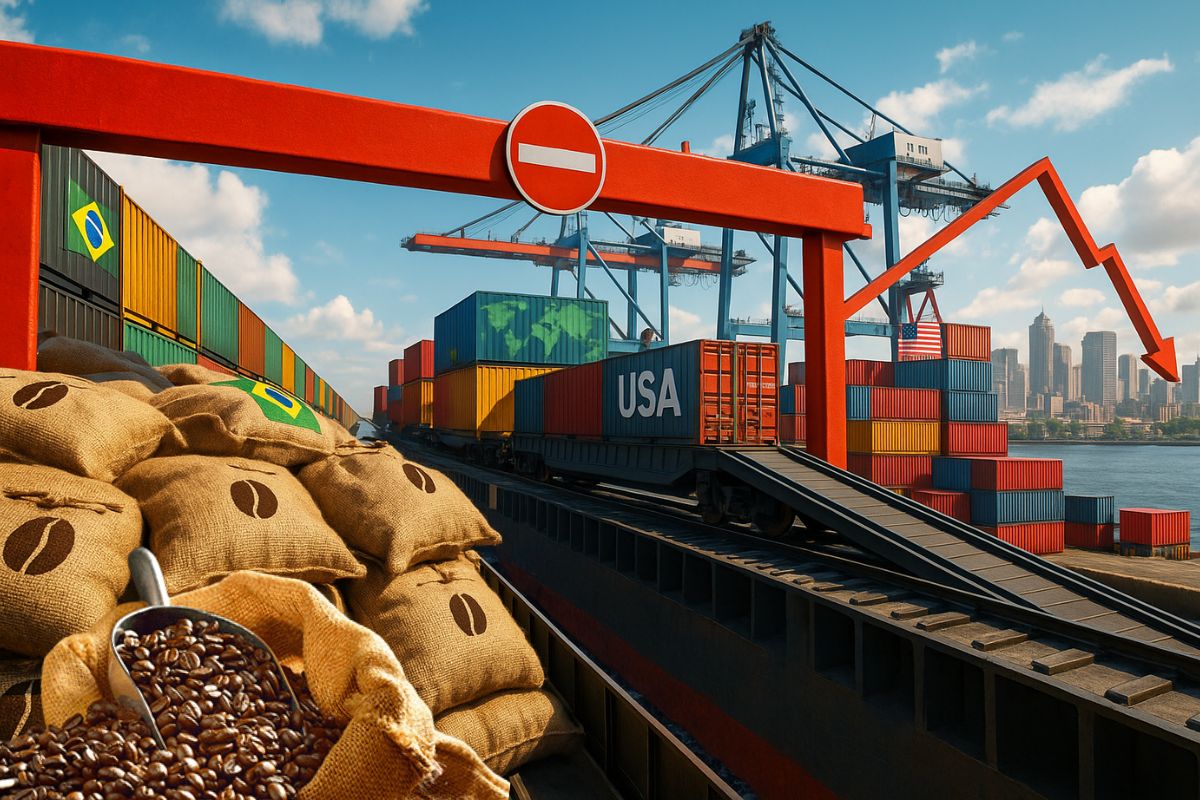
Cut In Tariffs Benefited Direct Competitors, While Brazilian Coffee Remains Taxed At 40% In The United States, Aggravating The Loss Of Space In The Main Market For The Product And Increasing Pressure On Diplomacy And Competitiveness Of The Country.
According To The G1 Portal, Brazilian Coffee Had Its Tariff Reduced From 50% To 40% In The U.S., But Continued To Be At A Disadvantage Compared To Competitors Like Colombia And Vietnam, Which Now Enjoy A Zero Rate After Washington’s Decision. Exporters Report That, In Practice, The Change “Improved Conditions For Competitors And Worsened Conditions For Brazil”, In A Scenario Where American Purchases Of The Product Dropped By 51.5% Between August And October, Compared To The Same Period In 2024.
At The Same Time, Sectors Like Beef And Fruits Saw More Positive Signs, With Partial Tariff Relief And Expectations Of Progress In Negotiations. While Coffee Continues To Be Treated As A Critical Case, The Government’s Reading Is That It Is Good News With Caution, Combining Moderate Celebration With Monitoring Items That Have Yet To Be Addressed, Such As Wood, Honey, And Some Fruits.
Competitors With Zero Tariff, Brazilian Coffee With 40%
In The Decision Announced On Friday, The 14th, The United States Reduced The Global Rate From 10% To Around 200 Products, But Maintained A 40% Surcharge Applied To Brazil.
-
Brazilian city gains industrial hub for 85 companies that is equivalent to 55 football fields.

-
Peugeot and Citroën factory in Argentina cuts production by half and opens a layoff program for more than 2,000 employees after Brazil drastically reduced purchases of Argentine vehicles.

-
A Brazilian city gains a factory worth R$ 300 million with the capacity to process 200 thousand tons of wheat per year, a mill of 660 tons/day, silos for 42 thousand tons, and an industrial area of 276 thousand m².
-
Havan will leave the shopping mall in Blumenau to inaugurate something that the chain has never done before: a megastore in half-timbered style in the Historic Center of the city, which is expected to be completed in May and change the landscape of local retail.

In The Case Of Brazilian Coffee, The Rate Fell From 50% To 40%, While Major Rival Exporters, Such As Colombia And Vietnam, Started Operating With A Zero Tariff.
According To The Brazilian Coffee Exporters Council (Cecafé), Many Of These Countries Already Had Bilaterals Or Tariffs Of Only 10%, Such As Colombia And Ethiopia.
This Creates A Clear Competitive Imbalance: The Main Supplier Of Coffee To The U.S. Is Precisely Brazil, Which Now Faces Less Favorable Conditions Than Direct Competitors In The Same Market.
The President Of Cecafé, Márcio Ferreira, Classified The 40% Tariff As “Prohibitive”, Stating That If The Level Is Maintained, “Brazil Will Remain Completely Out Of The Game”.
The Sector’s Assessment Is That, With This Level Of Taxation, Brazilian Products Lose Margins And Predictability, Even In A Market Where The Country Still Accounts For About 16% Of All Coffee Exports.
Immediate Impact On Brazilian Coffee Sales
The Effects Of The Tariff Policy Are Already Appearing In The Data. With The Tariff Increase, American Imports Of Brazilian Coffee Fell By 51.5% Between August And October Compared To The Same Period In 2024, According To Cecafé. In Practice, Half Of The Volume Was Lost In Just Three Months, In One Of The Most Strategic Markets For The Product.
This Decline Occurs Precisely At A Time When Demand For Coffee In The United States Remains High And Prices Are Pressuring Local Inflation.
Some In The Sector Believe That Washington Prioritized Easing The Burden On American Consumers, Opening Space For Cheaper Origins, While Brazil Absorbs The Impact Of A Tariff That Reduces Competitiveness And Margins Of Brazilian Coffee.
For Exporters, The Drop In American Purchases Is Not Just A Transitory Issue. The Risk Is Of Structural Loss Of Space, As Roasters And Large Chains May Consolidate New Suppliers With More Favorable Tariffs And Long-Term Contracts, Displacing Brazilian Coffee To A Secondary Position.
Beef And Fruits Advance, But With Asymmetries
While Brazilian Coffee Faces An Explicit Disadvantage Scenario, The U.S. Decision Was Received More Positively By Other Agribusiness Segments.
The President Of The Brazilian Association Of Meat Exporting Industries (Abiec), Roberto Perosa, Classified The Measure As “A Good Signal For The Brazilian Market”, Highlighting That The United States Is The Second Largest Destination For The Country’s Beef.
Perosa Spoke Of “Measured Celebration”, With The Expectation That The Partial Removal Of Tariffs May Pave The Way For Full Elimination In The Future.
In Practice, Beef Gains Momentum In An Important Market, While Brazilian Coffee Remains Subject To A Tax Level That The Sector Considers Unviable.
In Fruits, The Brazilian Association Of Fruit And Derivatives Producers (Abrafrutas) Evaluated The Decision As A “Relevant Advance”, But Pointed Out A Critical Point: Grapes Were Left Out Of The Exemption List.
In 2024, More Than 40 Million Dollars Worth Of Brazilian Grapes Were Sent To The United States, And The Exclusion Of The Product From The New Round Of Tariff Relief Worries Exporters.
According To The Entity, Grape Exports Dropped 73% In Value And Almost 68% In Quantity In The Third Quarter, Compared To The Same Period In 2024.
Since The Harvest Bound For The U.S. Concentrates From September, The Combination Of High Tariffs And Loss Of Competitiveness Raises A Yellow Light For The Production Chain, In Contrast To The Relief Observed In Other Fronts.
Political Reading In Brasília And Ongoing Diplomacy
In The Brazilian Government, The American Decision Was Described As Good News, But Incomplete. The Special Advisor To The Presidency, Ambassador Celso Amorim, And The Minister Of Agriculture, Carlos Fávaro, Emphasized That The Gesture Represents Progress, But Stressed That Attention Remains Focused On Products Still Subject To The Tariff Increase, Such As Brazilian Coffee, As Well As Wood And Honey.
Amorim Assessed That The Measure Has A Rationality Linked To Combating Inflation In The U.S., But Acknowledged The Influence Of The Good Rapport Between Presidents Luiz Inácio Lula Da Silva And Donald Trump.
The Civil House Highlighted On Social Media That The Decision Reinforces Brazil’s Position In The International Arena, But Does Not End The Debate About The Treatment Given To Brazilian Coffee And Other Sensitive Items.
Carlos Fávaro Stated That He Had Met With The Ministry Of Agriculture Team To Examine In Detail Which Items Were Covered.
According To Him, The Strategy Is To Resume Active Diplomacy And Long-Term Dialogue, With Ongoing Monitoring Of The Product List And Room For Future Negotiations Involving Brazilian Coffee And Other Chains Affected By The 40% Tariff.
Pressure Of Inflation In The U.S. And Limits Of Trump’s Gesture
The Decision To Ease Some Tariffs Comes Amid Strong Inflationary Pressure On The Trump Administration. Brazil Is The Largest Supplier Of Coffee And One Of The Main Suppliers Of Beef To The United States, And Both Products Have Seen Significant Price Increases In The American Market, Leading The White House To Seek Measures To Contain Costs To Consumers.
Days Before The Announcement, Trump Had Signaled, In An Interview With Fox News, That He Would Reduce The Tariff On Coffee, And Ordered An Investigation Into Slaughterhouses Operating In The U.S., Accusing Them Of Raising Beef Prices Artificially.
In The Text Of The New Executive Order, The Government Stated That It Reviewed Data On Domestic Supply, Demand, And Production Capacity, As Well As Negotiations With Trade Partners.
Trump Defined The Move As “A Small Retreat”, Stating That Coffee Prices Were High And That, With The Change, They Would Be Lowered Soon.
The Reduction Took Effect For Imported Goods And Withdrawals From Storage Starting On The 13th. Simultaneously, The White House Updated The List Of Products With Some Degree Of Reduction, Adding Beef And Coffee, Among Others, To A List That Already Included Items Benefited In July, Such As Orange Juice.
Even So, The Cut In Concessions Laid Bare The Asymmetry: While Brazil’s Competitors In Coffee Received Full Relief, Brazilian Coffee Remained Stuck At A 40% Level, Which The Sector Defines As Incompatible With Fair Competition In The American Market.
Commercial Diplomacy And Next Steps For Brazilian Coffee
In Recent Weeks, Brazil And The United States Have Been Discussing Ways To Relax The Tariff Increase, In A Process That Included A Meeting Between Lula And Trump In October In Malaysia, And A Meeting Between U.S. Secretary Of State Marco Rubio And Chancellor Mauro Vieira. After The Conversation, Vieira Stated That He Hopes For A “Roadmap” To Guide The Negotiations.
At The End Of The Announcement On Friday, However, Trump Stated That He Sees No Need For Further Tariff Cuts At This Moment.
For Brazilian Coffee, The Message Is One Of Uncertainty: There Is A Partial Gesture, Sufficient To Reposition Some Sectors, But It Does Not Resolve The Main Pressure Point On The Product That Leads The Country’s Exports To The American Market.
In This Context, Exporters And The Government Are Combining Short-Term Strategies To Mitigate The Drop In Sales, With Medium-Term Efforts To Reopen Space At The Negotiating Table.
The Agenda Includes Maintaining Diplomatic Pressure, Monitoring Trade Data, And Assessing How The 40% Tariff Impacts Contracts, Prices And Purchasing Decisions Throughout The Entire Chain Of Brazilian Coffee.
In Light Of This Scenario Where Brazilian Coffee Remains With A 40% Tariff While Competitors Gain Exemptions, In Your Opinion What Should Be Brazil’s Priority Now: Intensify Diplomacy With The United States, Diversify Buying Markets, Or Focus On Adding More Value To Exported Coffee?







Seja o primeiro a reagir!