





 Portuguese
  English
  Spanish
  3 min of reading
  0 comments


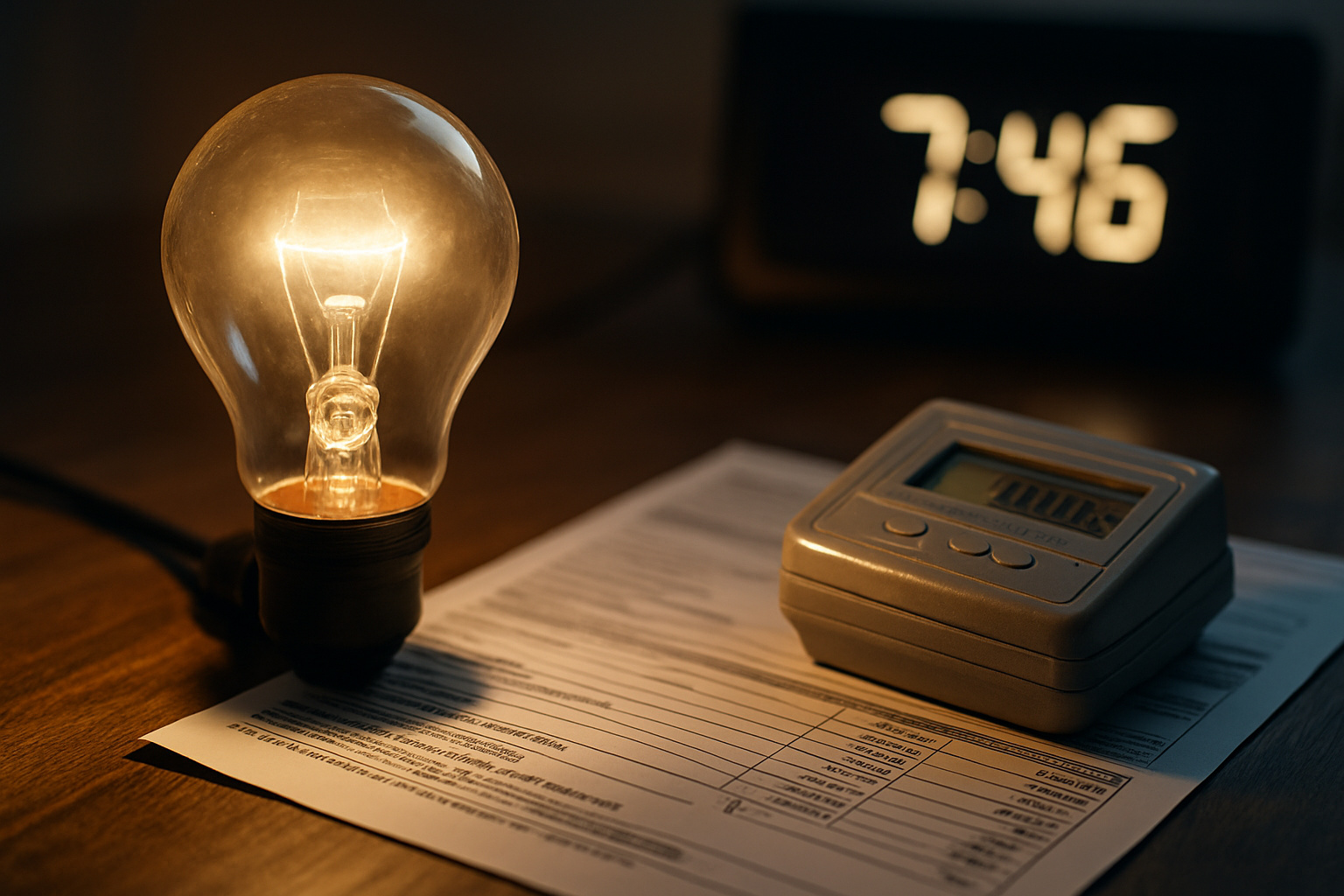
Time-based billing transforms how large businesses, services, and residences pay for electricity, with higher rates during peak times and reductions during the day
The National Electric Energy Agency (Aneel) has begun studies to implement the mandatory hourly tariff for low-voltage consumers using over 1,000 kWh per month, which is expected to increase costs for consumption between 6 PM and 9 PM, according to official data released by the agency.
Rules and Functioning of the New Billing
The change proposed by Aneel, scheduled to take effect in 2026, is based on the recent behavior of the Brazilian electrical system, which, according to records from the National System Operator (ONS) in 2023 and 2024, shows lower costs between 10 AM and 2 PM due to strong solar and wind generation.
Thus, the hourly tariff will directly reflect the difference in costs between high and low supply periods in the final value.
For consumers who adapt, there will be a possibility of reducing the monthly bill, because, according to Aneel, shifting high-consumption activities to cheaper hours decreases financial impact and helps balance the grid.
-
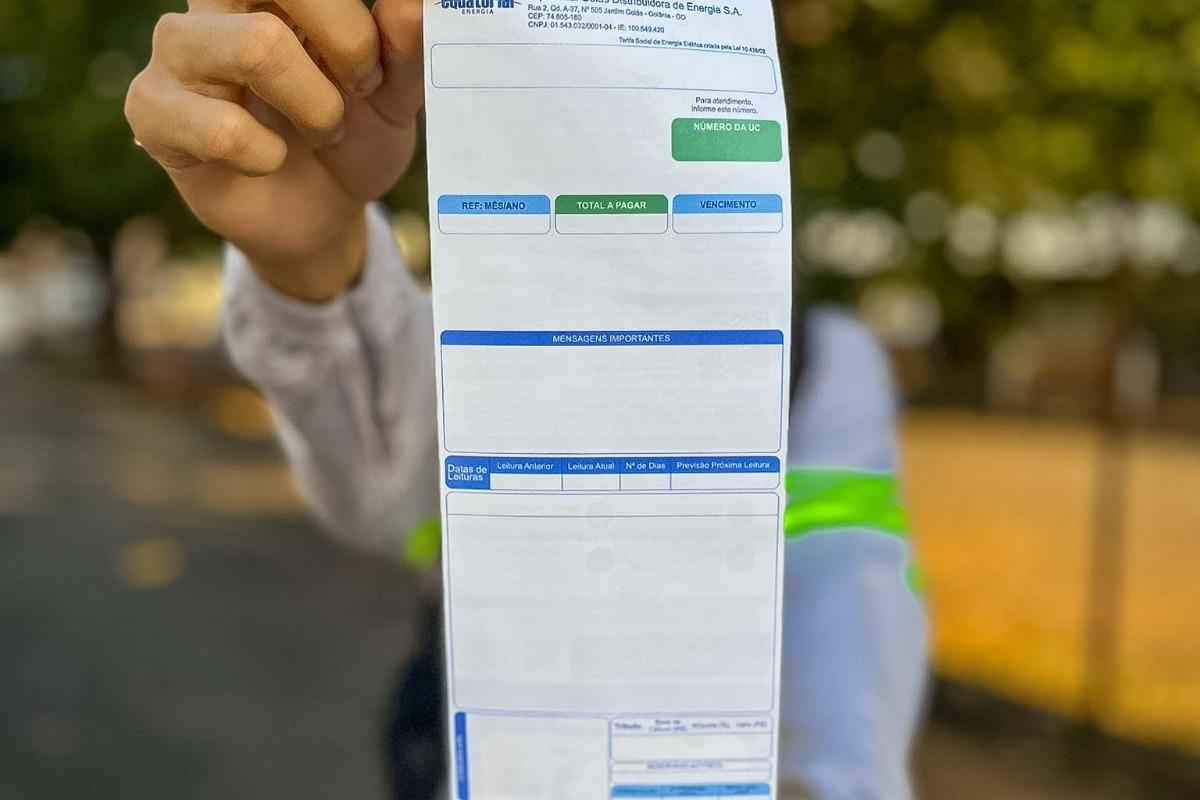
Equatorial adopts new national number for consumer units on electricity bills starting in April, following ANEEL standards and modernizing energy bills in several states.
-
Itaipu Impresses the World: Hydroelectric Plant with 20 Turbines and 14,000 MW Generates Over 2.9 Billion MWh and Leads Global Clean Energy Production

-
Aneel Revokes CMAA Thermal Power Plants After Network Restrictions and Excess Energy in the System

-
13-Year-Old Scientist Creates Clean Energy Device For Just R$ 16, Wins $25,000 Prize And Surprises The World With Affordable Solution


Who Will Be Affected by the Change
The first phase of the implementation will reach 2.5 million consumer units, responsible for 25% of the entire national low-voltage demand, according to a technical report from Aneel published in October 2024.
These consumers include businesses, service companies, and large residences, which register high monthly usage and already participate in energy efficiency programs.
The adoption will be automatic, unlike the White Tariff, launched in 2018, which, despite being authorized, had lower-than-expected adherence, according to the annual balance sheet from Aneel published in 2022.
Technical Justifications According to Sector Agencies
Aneel states that the change is necessary because the advancement of renewable energy has altered the dynamics of supply.
Between 10 AM and 2 PM, there is an abundance of clean energy and reduced costs.
However, between 6 PM and 9 PM, solar generation virtually ceases, national consumption peaks, and more expensive power plants come into operation.
Studies presented by ONS show that the adoption of the hourly tariff reduces the activation of thermal power plants and, therefore, decreases structural costs and postpones emergency investments.
Implementation Process and Meter Replacement
The change requires the installation of smart meters because they record consumption by hour. The distributors, according to disclosed guidelines, will replace the meters within already approved plans. The costs will thus be included in the tariff review process. The companies should therefore guide consumers on how the billing will work.
Practical Examples and Expected Impacts
The nighttime peak may increase costs for uses such as air conditioning, pool pumps, and electric vehicle chargers. Those who shift these uses may therefore pay less. Those who do not adjust their consumption, however, will see an increase, as the tariff reflects the system’s operation during the expensive hours.
Public Consultation and Next Steps
The proposal will be sent to the Federal Public Consultation.
After consolidating suggestions, Aneel will determine the final version of the resolution, expected to be published in 2026.
The agency expects that the change will modernize billing, align energy pricing with system behavior, and encourage efficiency practices.
Changes in Consumer Behavior
With the combination of new rules, detailed measurement, and differentiated billing, consumers’ routines are likely to change.
Consumption patterns will be reorganized to take advantage of the reduced tariff and avoid high costs during peak times.
This movement, according to experts consulted by Aneel, reinforces the need to integrate usage habits into the new logic of the Brazilian electricity sector.










Seja o primeiro a reagir!