





 English
  Francês
  Alemão
  Italiano
  Japonês
  Norueguês
  Portuguese
  Spanish
 4 min of reading
  0 comments


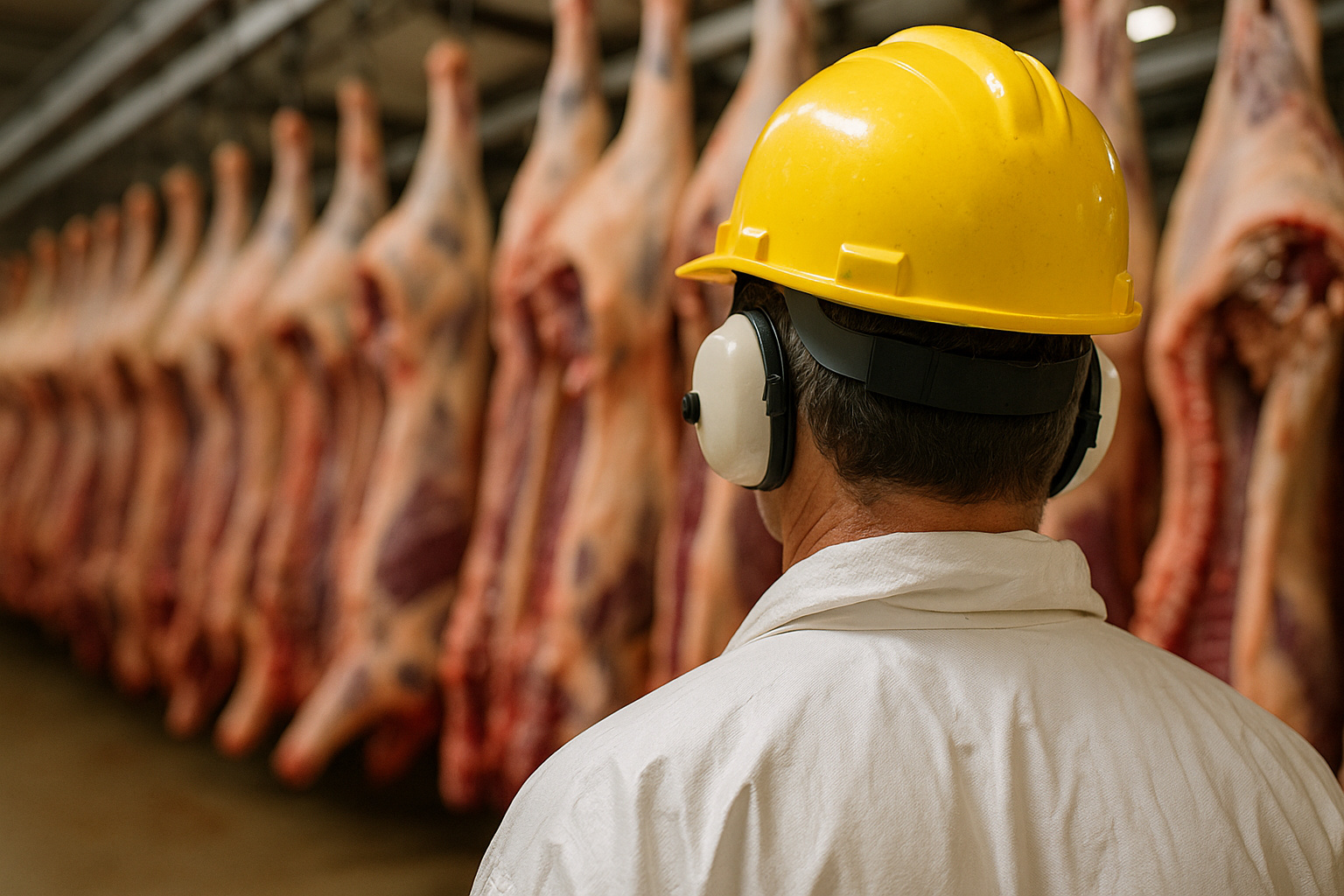
More Than 50% Retraction in Just One Month Shows the Direct Impact of US Tariffs on Beef from Mato Grosso do Sul.
Beef exports from Mato Grosso do Sul reached US$ 903.3 million in August 2025, according to official data from the Ministry of Development, Industry and Trade (MDIC).
Of this total, pulp led the list with US$ 219.1 million, followed by fresh, refrigerated or frozen beef, which reached US$ 173.3 million.
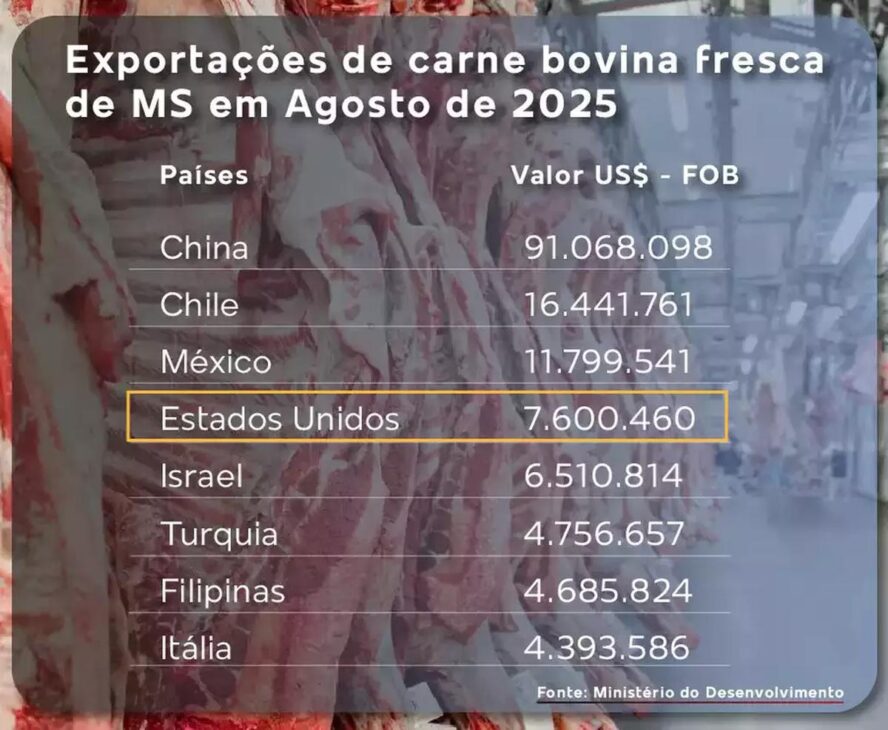
However, for the United States, the numbers plummeted. Only US$ 7.6 million of beef from Mato Grosso do Sul reached the US market, a sharp decline compared to July 2025, when the volume stood at US$ 15.8 million. This retraction represented a drop of 51.9% in a single month.
-
If the USA were to go to war with Brazil, Washington’s greatest fear would not be the attack itself, but facing a vast territory, prolonged resistance, and a costly, chaotic, and unpredictable occupation.
-
In 2013, Nicaragua sold the concession for a canal to rival Panama to a Chinese billionaire who lost 85% of his fortune, disappeared, and was declared bankrupt. Now the project resurfaces with a new route, a new Chinese partner, and a cost of $64.5 billion.

-
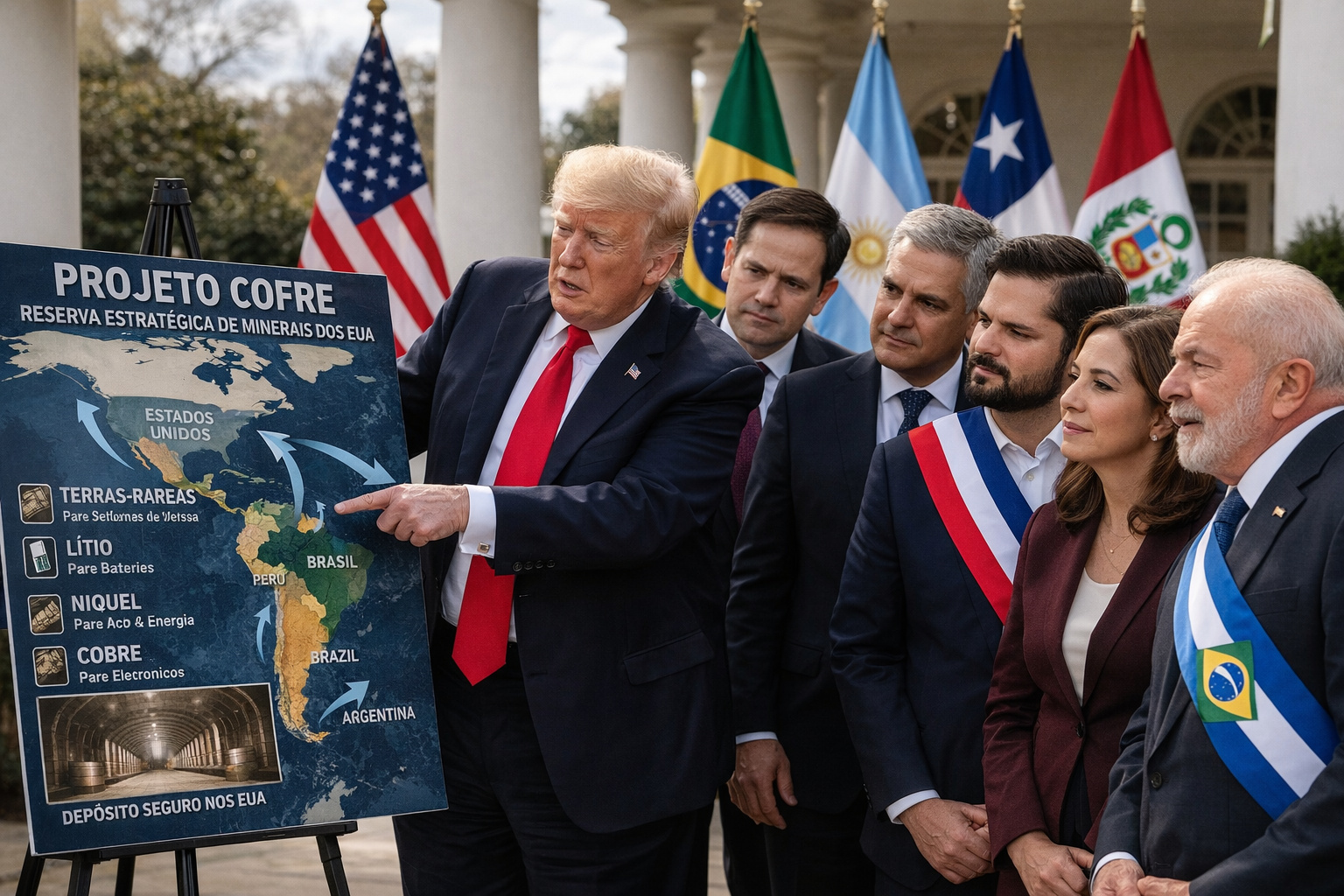
The USA announces a mysterious billion-dollar vault project to store critical minerals, but what intrigues experts is not just the plan itself, but why Latin America, including Brazil, has entered the center of this global dispute against China.
-
Trump Announces Bombing of U.S. Military Targets on Iranian Island Responsible for About 90% of Iran’s Oil Exports, Warns of Further Attacks if Navigation in Strategic Strait of Hormuz Is Threatened

Immediate Effect of August Tariffs
The drop resulted from the 50% tariff announced by the Donald Trump administration on August 6, 2025.
According to the Vice President of Sicadems, Alberto Sérgio Capucci, the sector was already expecting the reduction. He stated that part of the beef shipped in August had still been loaded before the tariff was implemented, in anticipation operations carried out by the market.
It is important to note that, since April 2025, a standard tariff of 10% had already been applicable to certain Brazilian products. The new addition of 40% increased the total to 50%, in line with a stricter protectionist policy.
Annual Comparison Shows Contrasts
Despite the decline in the US, the overall performance of beef from MS remained positive. In July 2025, shipments had totaled US$ 166.4 million. By August, the value rose to US$ 173.3 million, representing an increase of 4.1%.
In the annual comparison, growth was even more pronounced. In August 2024, beef had generated US$ 103.4 million, compared to US$ 173.3 million in August 2025, that is, a gain of 67.5%.
For the US, however, the result was the opposite. The volume fell from US$ 14 million in August 2024 to US$ 7.6 million in August 2025, marking an annual decline of 45.8%.
China Expands Leadership as Main Destination
While the United States drastically reduced its share, China reinforced its absolute leadership.
In August 2025, the Asian country purchased US$ 91 million in beef, in addition to acquiring US$ 132.6 million in soybeans and US$ 112.8 million in pulp.
Along the same lines, Chile and Mexico also positioned themselves ahead of the US as buyers of beef from Mato Grosso do Sul.
In July 2025, the data already revealed this trend: China had imported US$ 74 million in beef, in addition to US$ 317 million in soybeans and US$ 128.8 million in pulp. That month, the Americans ranked as the third largest buyer, a position they lost shortly after the tariff imposition.
Sector Evaluates Impacts and Seeks Alternatives
For Alberto Sérgio Capucci, the retraction was expected and reflects only the new market reality. He emphasized that, although the US has reduced its weight in exports, other destinations continue to absorb production from Mato Grosso do Sul consistently.
According to the leader, the tariff makes Brazilian beef less competitive in the US market, but diversifying into markets like China, Chile, and Mexico keeps activity at high levels.
Protectionist Policy and Future Scenario
The tariffs imposed by Trump are part of a broader strategy, adopted since his reelection in 2024, aimed at protecting US industry and agribusiness.
The additional 40% charge, combined with the previous 10% tariff, has led the cost of Brazilian beef to levels that, according to experts, jeopardize competitiveness in the US market.
The challenge, therefore, lies in strengthening alternative markets and in expanding presence in countries where demand remains high, especially in Asia.
What Does the Future Hold for MS Exports?
Economists and industry representatives believe that the drop in exports to the US does not compromise the global performance of Mato Grosso do Sul.
At the same time, they emphasize that China will continue to set the pace for beef exports, with strong growth potential.
The state’s path will depend on efficient trade governance, transparency in negotiations, and diversification of partners, so that dependence on a few markets does not become a vulnerability.
Meanwhile, the reduction in sales to the US illustrates how international political decisions directly impact Brazilian agribusiness.
And you, do you believe Brazil should invest even more in China and other Asian countries to offset the US tariff, or should it seek alternatives that maintain balance in exports?










Seja o primeiro a reagir!