





 Portuguese
  English
  Spanish
  4 min of reading
  0 comments


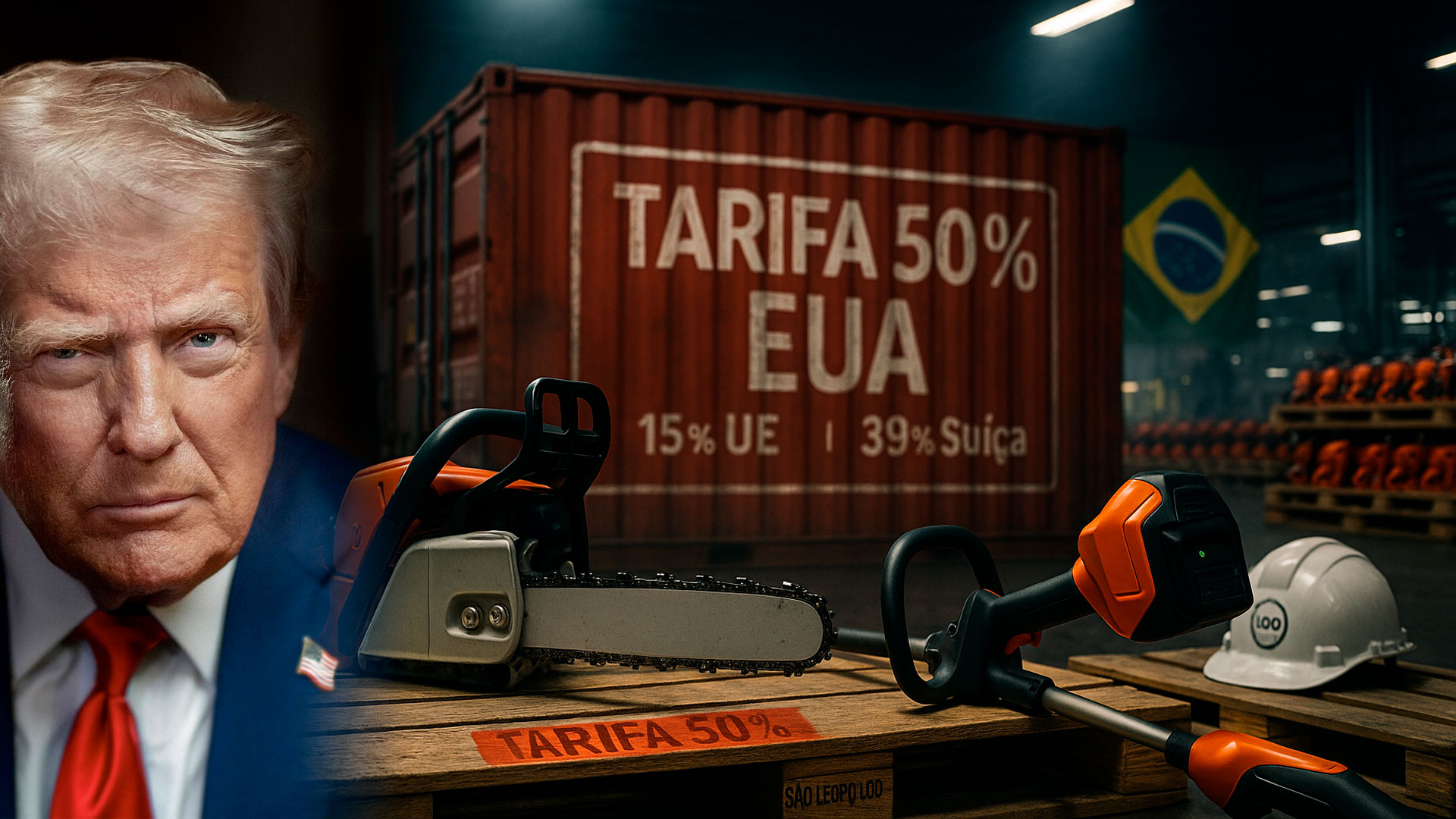
CEO Affirms Presence In The Country And Bets On Dual Technological Leadership While The US Applies 50% Tariff On Brazilian Products And Seals 15% For The European Union; Switzerland Faces 39%.
German Stihl, one of the biggest global names in powered tools, entered the second half of the year under strong tariff pressure and an accelerated technological transition towards batteries. Even so, CEO Michael Traub reinforced that Brazil will remain strategic despite the 50% tariff imposed by the US on Brazilian imports. The statement was made in Waiblingen, the company’s global headquarters, on the eve of the brand’s centenary in 2026.
Founded in 1926, Stihl generates more than € 5.3 billion in revenue and operates in over 160 countries, with large factories in Germany, Brazil, and the United States. The company has been increasing investments in batteries and adjusting its logistics to reduce the cost shock caused by new trade barriers.
Commenting on the scenario, Traub was direct: “Governments change every four years. We have been here for a hundred”. The phrase summarizes the long-term strategy that aims for industrial continuity in Brazil and technological diversification, without abandoning the combustion engine where it is still needed.
-
Larger than entire cities in Brazil: BYD is building a 4.6 km² complex in Bahia with a capacity for 600,000 vehicles per year, but the discovery of 163 workers in conditions analogous to slavery has shaken the entire project.

-
With an investment of R$ 612 million, a capacity to process 1.2 million liters of milk per day, Piracanjuba inaugurates a mega cheese factory that increases national production, reduces dependence on imports, and repositions Brazil on the global dairy map.
-
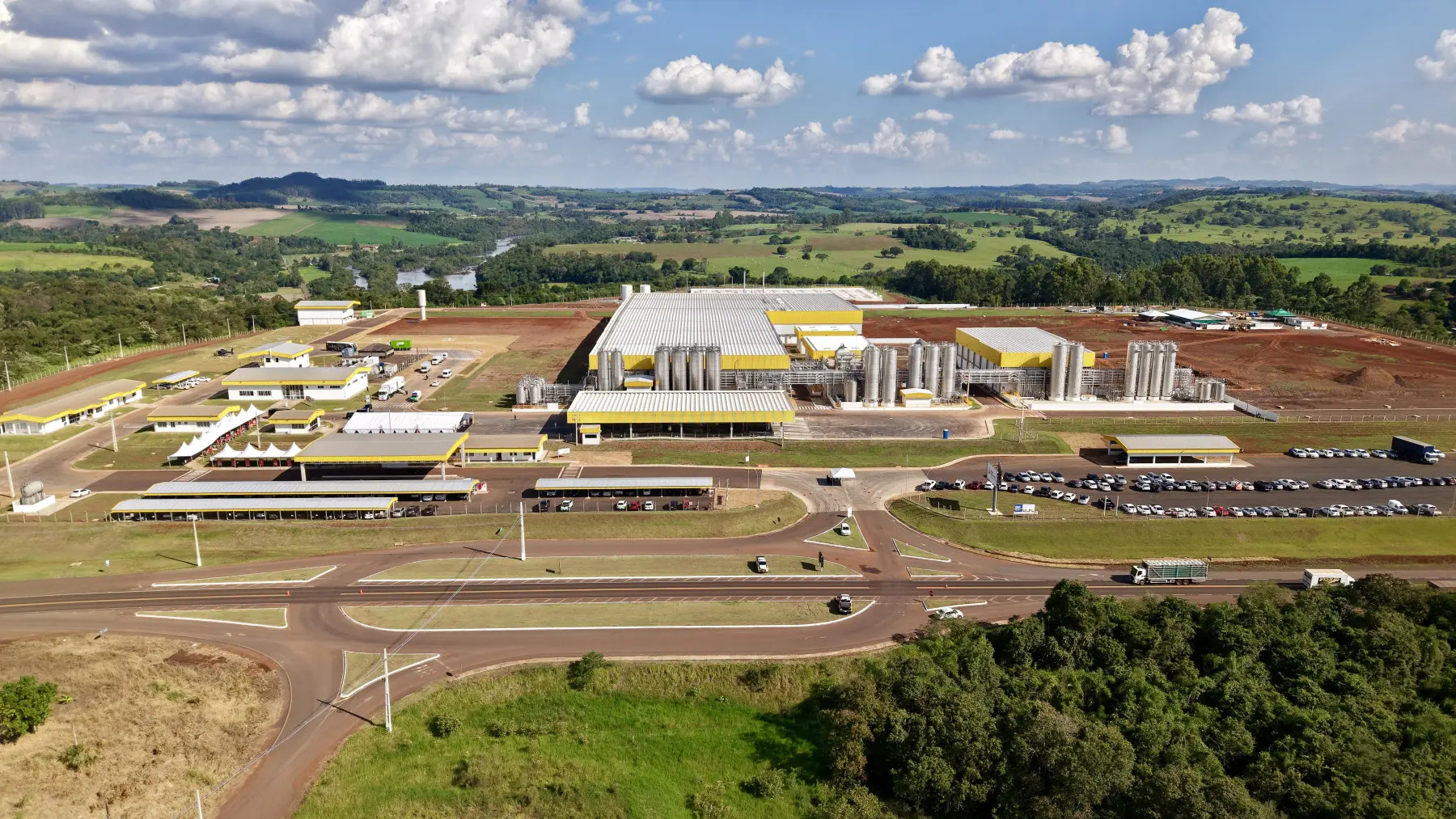
Brazilian city gains industrial hub for 85 companies that is equivalent to 55 football fields.

-
Peugeot and Citroën factory in Argentina cuts production by half and opens a layoff program for more than 2,000 employees after Brazil drastically reduced purchases of Argentine vehicles.


Tariff In The US: Where The Pressure Is Strongest
The tariff package from the US government has raised the rate to 50% on a wide basket of products originating from Brazil. The move was formalized by executive order at the end of July, following the adoption of a reciprocal tariff base and adjustments by country. In practice, the shock increases prices of Brazilian exports and tends to be passed on to the final consumer, as the industry itself recognizes.
According to EXAME, the effect is “significant” for Stihl. The company faces 50% on shipments from Brazil to the US, 39% on products manufactured in Switzerland, and 15% in Europe. In other words, Brazil’s relative cost in accessing the American market is currently at the top of the scale.
Independent analyses indicate that part of Brazilian exports was spared or gained exceptions, but the aggregate impact remains relevant and requires redesigning of chains and pricing. For the consumer, tariffs function as an indirect tax on imported goods.
Brazil At The Center: São Leopoldo Supplies The Region And Remains A Priority
In Brazil, Stihl has operated for five decades in São Leopoldo (RS). The unit is vital in the production of cylinders and components and, according to the company itself, supplies 90% of the cylinders used globally by the group, supplying all of Latin America. For Traub, this is a strategic asset that is not under review. “Tariffs come and go, but we stay”, he said.
The factory in southern Brazil also serves as an anchor for regional distribution. In a volatile tariff environment, maintaining local capacity reduces currency exposure and freight costs, as well as preserves delivery times, a differentiator in professional markets such as forestry, construction, and gardening.
In the short term, demand feels the shock and the company admits to being more cautious. In the medium term, the priority is to preserve skilled jobs and industrial capacity in the country, keeping Brazil as a production and engineering hub for the region.
Two Technological Paths: Battery Expansion, Combustion Where It Makes Sense
Stihl is pursuing a “dual technological leadership”: delivering the best gasoline engine for heavy applications and the best battery system where the transition is quicker. The plan includes expanding the production of tools and battery packs worldwide.
In the US, the Virginia Beach factory already produces over 100 models and, according to Traub, more than 60% of components come from local suppliers, which creates resilience amid the tariff war. Meanwhile, the American subsidiary is investing over US$ 60 million in battery expansion.
In Eastern Europe, the new plant in Oradea (Romania) was designed for batteries and electrical products and has an operational start planned for September-October 2025, reinforcing the group’s capacity in the fastest-growing segment.
The Tariff Map: 15% For The EU, 39% For Switzerland, And 50% For Brazil
After negotiations with Brussels, Washington defined a framework that limits to 15% the combined tariff applied to goods originating from the European Union, in place of larger escalations previously anticipated. Switzerland has been set at 39%, leading local companies to announce cost transfers and seek agreements. Brazil remains at 50%, the highest level among major partners.
This differential rate alters the relative competitiveness among industrial hubs and may redistribute orders and investments. To mitigate, companies are reassessing local content, inventories, and logistics routes, in addition to seeking exemptions by tariff code.
And you, what do you think? Should Brazil retaliate with the same intensity to rebalance the scale or seek agreements that alleviate the immediate impact on consumer prices? Do tariffs protect local industry or penalize those who buy and work with these tools? Leave your comment.




Seja o primeiro a reagir!