





 Português
  Inglês
  Espanhol
  4 min de leitura
  0 comentários


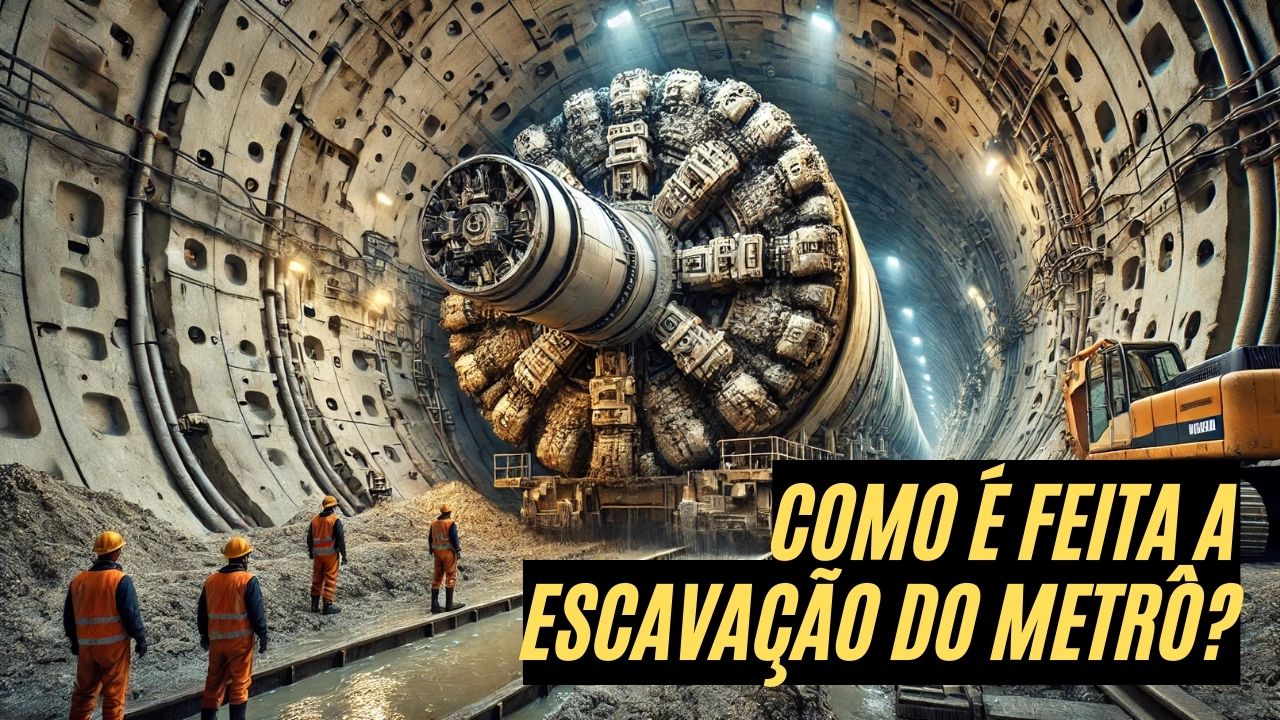
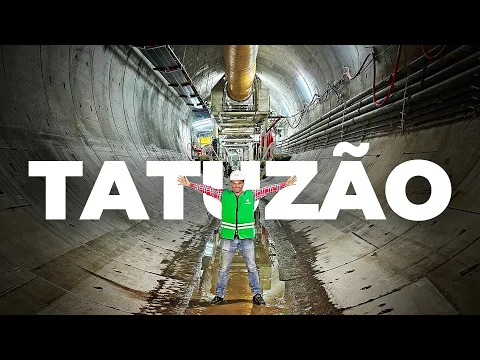
Metro Excavation Is A Monumental Task, Involving Cutting-Edge Technology And A Specialized Team To Operate The Large Underground Machines. To Better Understand This Process, Iberê Thenório, From Manual do Mundo, Visited The Construction Sites Of The New Orange Line Of The São Paulo Metro, Which Will Connect Brasilândia In The North Zone To The São Joaquim Station Near The City Center. During The Tour, He Showed How The “Tatuzão” Advances Underground, Creating The Tunnel That Will House The Metro Line, Along With The Numerous Safety And Support Operations That Ensure The Progress Of The Work.
The visit begins at a shaft located near the Pacaembu Stadium, where the future FAAP Pacaembu station will be installed. This shaft will serve as an emergency exit and ventilation system, but is currently the access point for workers and equipment. From the surface to the tunnel, it is necessary to descend by elevator to the level where the metro excavation takes place. The tunnel structure has a diameter of 10 meters and is already partially ready, taking visitors to the Renópolis McKenzie station, where there will be integration with Line 4-Yellow.
Tatuzão In Action: Technology And Precision Underground For Metro Excavation
The “Tatuzão”, technically known as Tunnel Boring Machine (TBM), is the machine responsible for metro excavation. With an impressive length of 109 meters and a height that adapts to the diameter of the tunnel, the Tatuzão operates continuously, being a true “factory in motion“.
It has 20 professionals on each shift, working 24 hours a day. Inside, there is space for technical support, a medical room, a cafeteria, and even a refuge chamber, capable of accommodating 26 people for up to two hours in emergencies, such as collapses or fires.
-
A megaproject worth R$ 89 billion is advancing in Iraq and promises to change the game in global trade by creating a new corridor between Asia and Europe, reducing traditional routes and repositioning the country as a logistics powerhouse.

-
Goodbye bedside table: floating shelves become a trend in 2026 by freeing up space in the bedroom, improving circulation, bringing visual lightness, and integrating technology without taking up floor space.

-
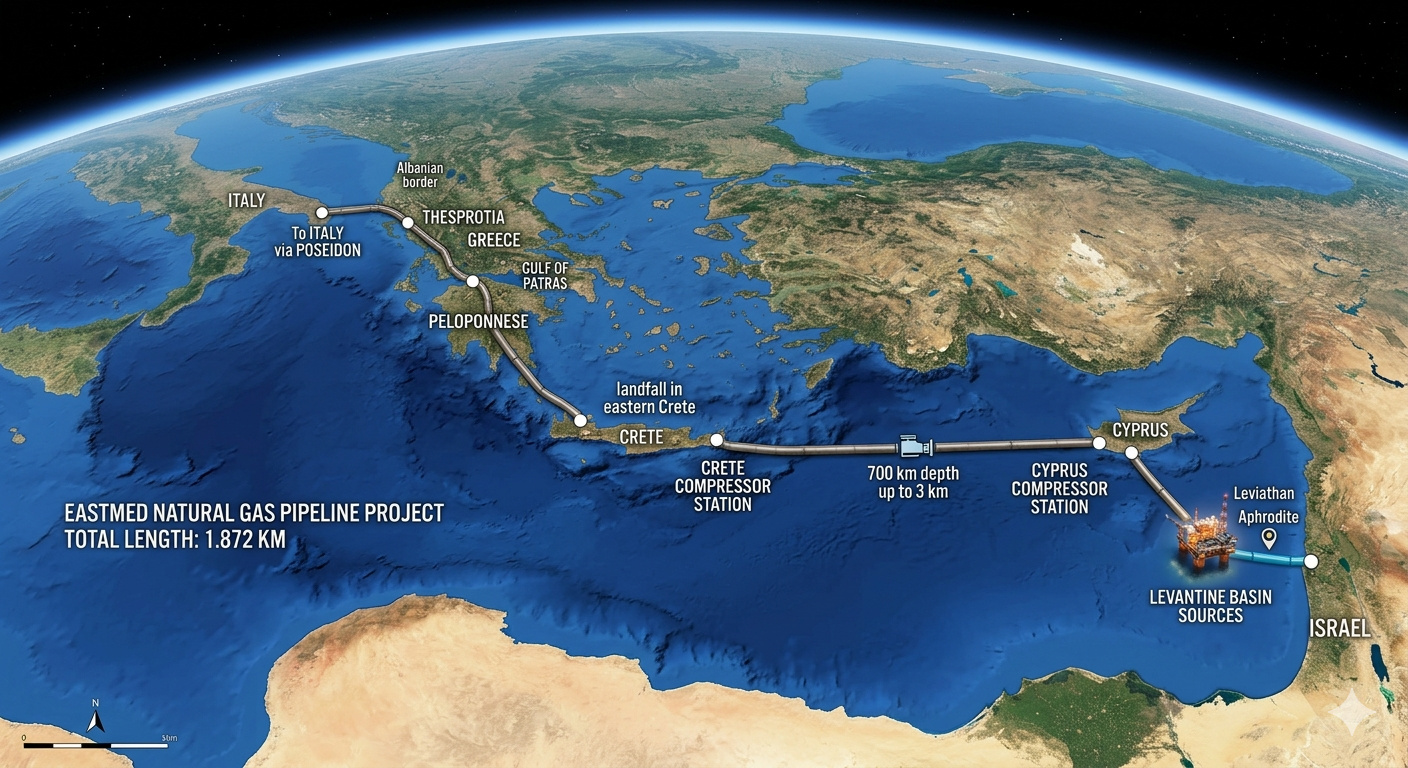
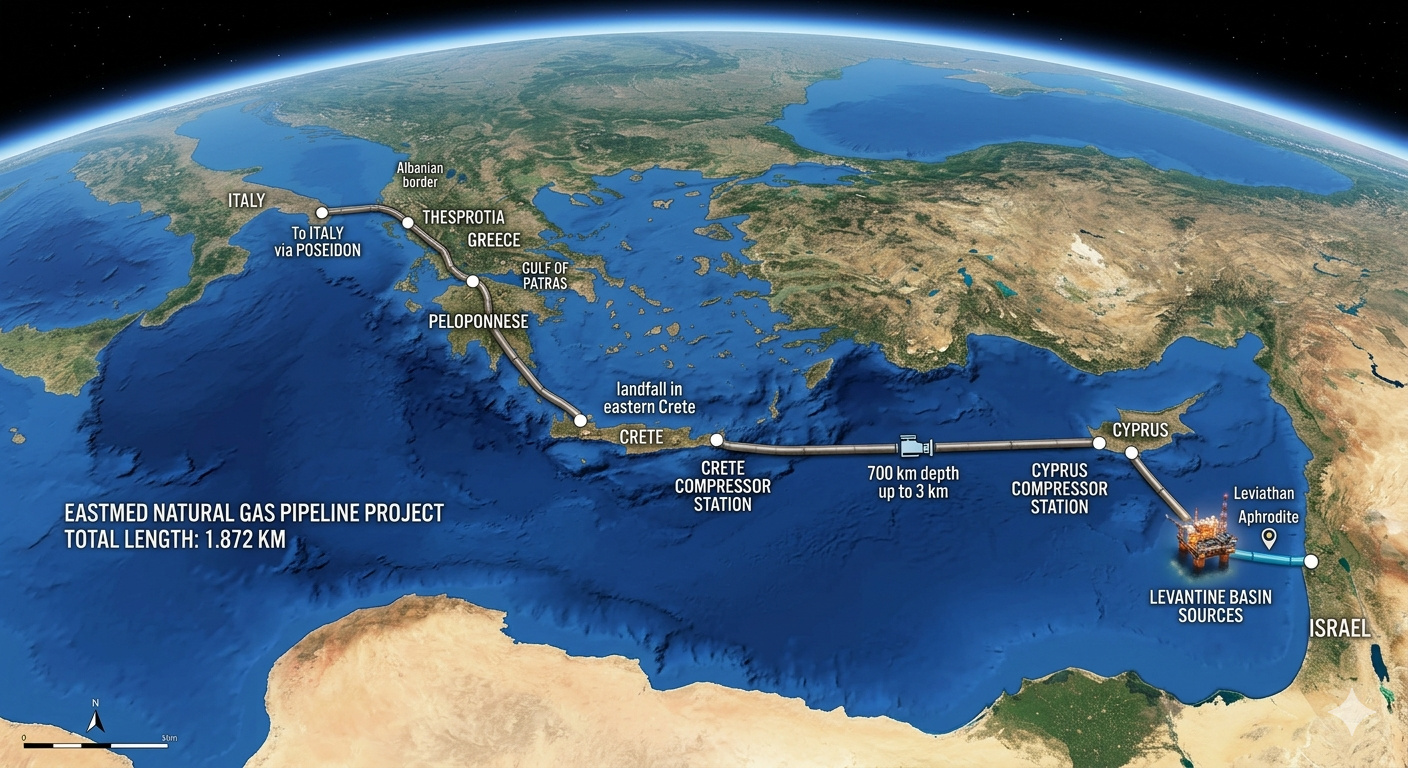
Israel, Greece, and Cyprus signed an agreement in 2020 to transport gas from the Mediterranean to Europe via a 1,872 km pipeline, but Turkey claimed sovereignty over part of the maritime route, and the project never materialized.
-
Israel, Greece, and Cyprus signed an agreement in 2020 to transport gas from the Mediterranean to Europe via a 1,872 km pipeline, but Turkey claimed sovereignty over part of the maritime route, and the project never materialized.

How The Tatuzão Digs The Tunnel
At the front of the machine, a giant drill, similar to a rotating grater, cuts and removes the earth for metro excavation. This process is aided by a special foam that cools and homogenizes the material, making it easier to remove. The excavated material is then transported out by a conveyor belt.
The advancement control is meticulous, with the pilot of the Tatuzão regulating pressure, speed, and direction, monitoring what happens inside and outside the tunnel. For every meter advanced, the structure requires a combination of power and precision.
Wall Assembly: The Structural Reinforcement Of The Tunnel
To ensure the tunnel’s stability, the Tatuzão installs concrete slabs, called segments, that form the reinforcement rings. For each excavated section, the machine fits these slabs, which already come with seals to prevent water entry.
At the end of each section, a layer of concrete is applied between the tunnel and the slabs to fill empty spaces. These segments are manufactured in São Paulo and transported to the construction site, where they are taken underground and positioned as the Tatuzão advances. With the capacity to install about 15 concrete rings per day, the tunnel construction follows an intense pace.
Mobility And The Advancement Of The Tatuzão
The machine does not move only on wheels: it has 50 pistons that extend to push it forward. These pistons also allow the machine to make turns, extending more on one side than the other, according to the desired direction. This sophisticated engineering allows the Tatuzão to navigate accurately through the challenges of urban undergrounds, overcoming obstacles and ensuring the structural safety of the tunnel.
Comfort And Safety For The Team

Working on metro excavation requires great care for the operators’ safety. Air circulation is guaranteed by an extensive ducting system that brings fresh air from the surface. In case of accidents, workers have access to a refuge chamber equipped with supplies and toxic gas filters, allowing them to monitor external conditions and decide on a safe exit from the location.
Metro excavation is one of the most complex and challenging phases of underground line construction. The technology of the Tatuzão, with its various functions and adaptations, is essential for the success of these projects. Each meter excavated and lined represents a step forward in public transportation in São Paulo.









Seja o primeiro a reagir!