





 Português
  Inglês
  Espanhol
  5 min de leitura
  0 comentários


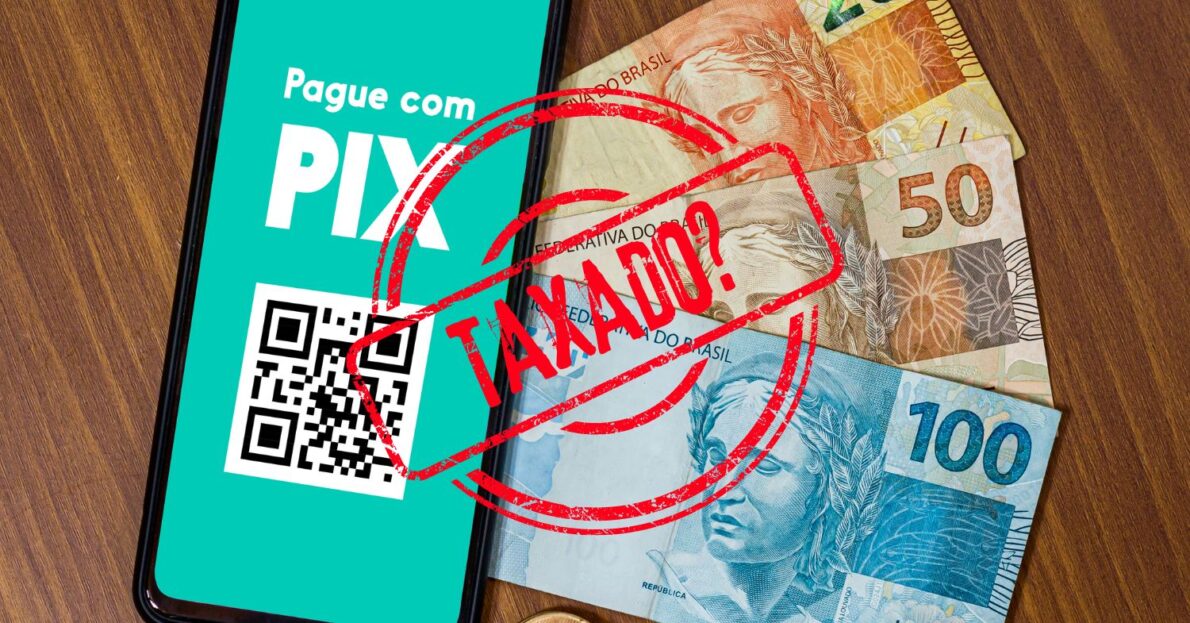
Could Pix Taxation Become a Reality? Understand the Rules from the Central Bank, the Situations in Which Pix May Be Charged, and How to Avoid Unwanted Charges.
The Pix arrived to revolutionize the way we conduct our financial transactions. Since its launch in 2020 by the Central Bank, it quickly became popular among Brazilians due to its practicality, speed, and security. Nowadays, it is almost impossible to find someone who hasn’t used Pix to transfer money or pay a bill. However, with its popularity came a new concern: the taxation of Pix. Is it possible that this payment method, which has gained so many followers, could end up becoming more expensive? Let’s understand what is myth and what is truth about this issue!
What Is Pix and Why Is It So Successful?
Before diving into the questions about the taxation of Pix, it is worth reminding why it became so popular. Pix allows you to make payments or transfers at any day and time, instantaneously. It doesn’t matter if it’s the middle of the night, a weekend, or a holiday; the money lands in the account in seconds! Additionally, you can use it to pay bills, schedule future transactions, and even withdraw cash at commercial establishments.
With so many conveniences, it’s no surprise that this tool has become part of the everyday life of Brazilians. But precisely because it is so essential, many have begun to worry about the possibility of a taxation of Pix.
-
Brazilian city gains industrial hub for 85 companies that is equivalent to 55 football fields.

-
Peugeot and Citroën factory in Argentina cuts production by half and opens a layoff program for more than 2,000 employees after Brazil drastically reduced purchases of Argentine vehicles.

-
A Brazilian city gains a factory worth R$ 300 million with the capacity to process 200 thousand tons of wheat per year, a mill of 660 tons/day, silos for 42 thousand tons, and an industrial area of 276 thousand m².

-
Havan will leave the shopping mall in Blumenau to inaugurate something that the chain has never done before: a megastore in half-timbered style in the Historic Center of the city, which is expected to be completed in May and change the landscape of local retail.


The Dreaded Pix Tax: What Does the Central Bank Say?
The idea that Pix might be taxed has generated much discussion and concern, especially on social media, where rumors about a possible charge in 2024 have circulated vigorously. But is there any truth to it?
According to the Central Bank, which is the body responsible for regulating Pix, there are no plans for charging fees for individuals in general. The president of the BC, Roberto Campos Neto, stated last year during a Senate hearing that the taxation of Pix for individuals “will not happen.” The current rules remain unchanged, and there are no plans for change on the horizon.
When Could Pix Taxation Happen?
Despite the reassurance from the Central Bank, there are some situations in which transactions via Pix can, indeed, be charged. These exceptions are outlined in Resolution BCB No. 19/2020 and primarily affect legal entities but may also impact individual micro-entrepreneurs (MEIs) and sole proprietors.
For Individuals, MEIs, and Sole Proprietors
If you fall into any of these categories, pay attention to the following situations where a fee may apply for using this payment method:
- Use of Alternative Channels: If you have the option to conduct the transaction via Pix directly but choose other channels, such as phone or in-person service, a fee may be charged.
- Pix for Commercial Purposes: If you receive payments via Pix for commercial purposes, charges may apply.
- More than 30 Pix Monthly: If you exceed the limit of 30 Pix transactions per month, you may also incur fees.
- Dynamic QR Code: If you receive payments using a dynamic QR code or from a legal entity payer, a fee may apply.
For Legal Entities
Companies are also subject to Pix taxation in some specific situations:
- Payments to Individuals: If a company uses Pix to pay an individual by providing account or key details, charges may apply.
- Payments to Other Legal Entities: The same applies to payments between companies, whether via account or Pix key.
- Receiving via QR Code: If the company receives payments via QR Code, either from an individual or a legal entity, it may be charged.
Not All Banks Charge Fees
Now that you know there are some situations where Pix taxation may occur, the question remains: do all banks charge this fee?
The answer is no. The Brazilian Federation of Banks (Febraban) clarifies that the charging of fees for companies is a decision that each financial institution makes. In other words, it is not mandatory for all banks to charge for using Pix. Some financial institutions choose not to charge anything, while others may charge fees ranging from 0.99% to 1.45% of the transaction value, with a minimum of R$ 1 and a maximum of R$ 10.
If you have a business or are an MEI, it is advisable to contact your bank or fintech to understand exactly how the fee charging policy for Pix works. This way, you can avoid unpleasant surprises at the end of the month.
Is Taxation a Reality?
Even with the explanations from the Central Bank and the clear rules regarding when the taxation of Pix may occur, many people still wonder if, in the future, Pix could become a paid service for everyone. For now, the BC assures that there is no intention to do so, especially for individuals. The goal is to keep Pix as a free and accessible service that continues to make life easier for Brazilians.
However, it is always wise to keep an eye on the news and communications from the Central Bank. The economy is dynamic, and although taxation is not currently on the agenda, nothing prevents discussions on the subject from arising in the future, especially as Pix continues to grow and solidify as the main payment method in Brazil.
Stay Alert, but Don’t Worry Too Much
Pix has come to stay, and at least for now, the taxation of Pix for individuals should not happen. The Central Bank ensures that the rules remain the same and that most users do not need to worry about additional charges.
However, if you are an MEI, sole proprietor, or legal entity, it is wise to be aware of the exceptions outlined in the Pix rules. And remember: the best way to avoid surprises is to always check with your bank or fintech about their fee charging policies.
Pix continues to be an amazing tool to facilitate our everyday transactions, and with a little attention, you can continue using this service without any shocks!










Seja o primeiro a reagir!