





 English
  Francês
  Alemão
  Italiano
  Japonês
  Norueguês
  Portuguese
  Spanish
  3 min of reading


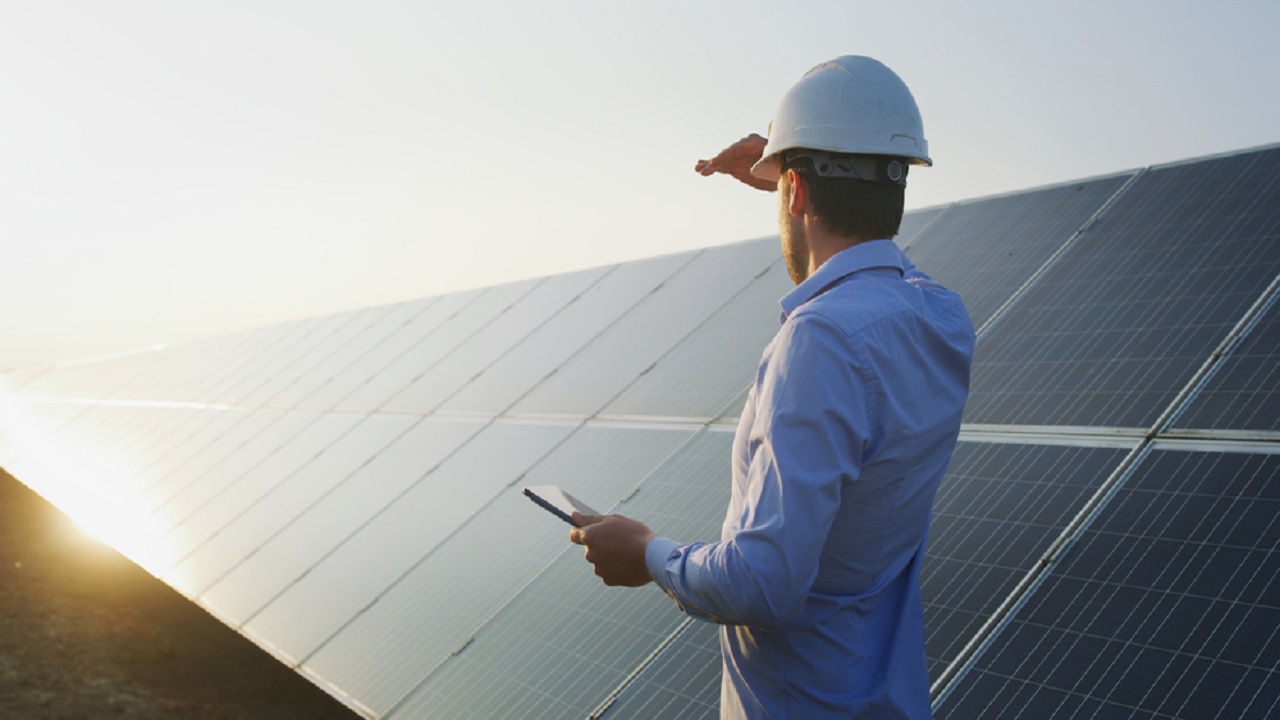
The “Solar Tax” Will Come Into Effect Next Year and Thousands of People Are Already Preparing by Installing Solar Energy Systems to Be Exempt from Taxes on Renewable Energy Generation.
After the installation of photovoltaic solar panels, it is quite common for the electricity bill to drop from R$ 2000 to R$ 95; however, a law enacted in January of this year, which aims for the ‘Solar Tax’, seeks to change this reality. The Legal Framework for Distributed Generation regulated the charging of distribution costs for those who generate their own renewable energy. According to Law 14.300, those who install solar panels from January of next year (2023) will be subjected to tax on the energy produced for their home, farm, or business.
Legal Framework for Distributed Generation Regulated the Charging of Distribution Costs
The benefits of solar energy are numerous for those who install the system; however, it is necessary to take action to avoid being caught by the Solar Tax.
This renewable energy source makes your electricity bill immune to inflation and is becoming increasingly easy to finance through banks. It is a nearly free energy source, as it is tax-exempt and has costs that are almost nonexistent compared to other forms, such as the electricity we receive at home, which is getting more expensive. The Legal Framework for Distributed Generation regulated the charging of renewable energy distribution costs.
-
With 160,000 m² of collectors, an area larger than 20 football fields, Silkeborg, in Denmark, hosts a solar thermal plant that heats 19,500 homes and could become the largest solar heating plant in the world.

-
A study reveals the expansion of renewable energy procurement in Brazil and shows how companies are taking advantage of opportunities to reduce expenses, ensure energy efficiency, and strengthen strategic environmental commitments.

-
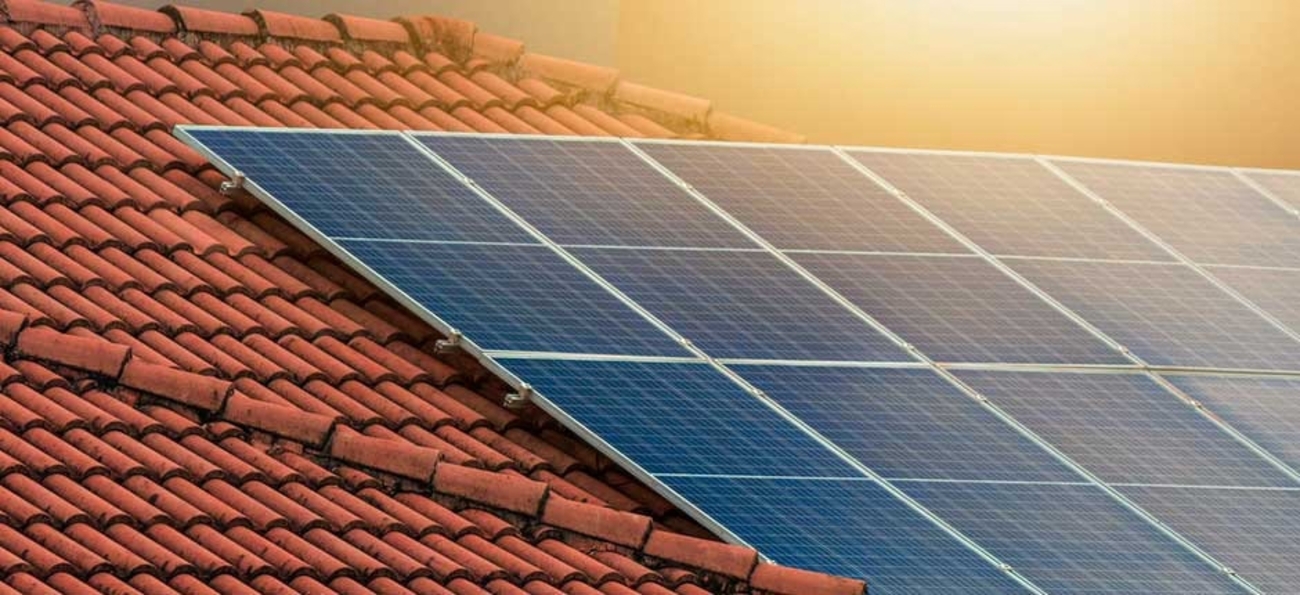
Roraima bets on the sun to escape high tariffs: Amid the energy crisis and price hikes, solar energy is growing in Roraima and transforming consumption in the North region.
-
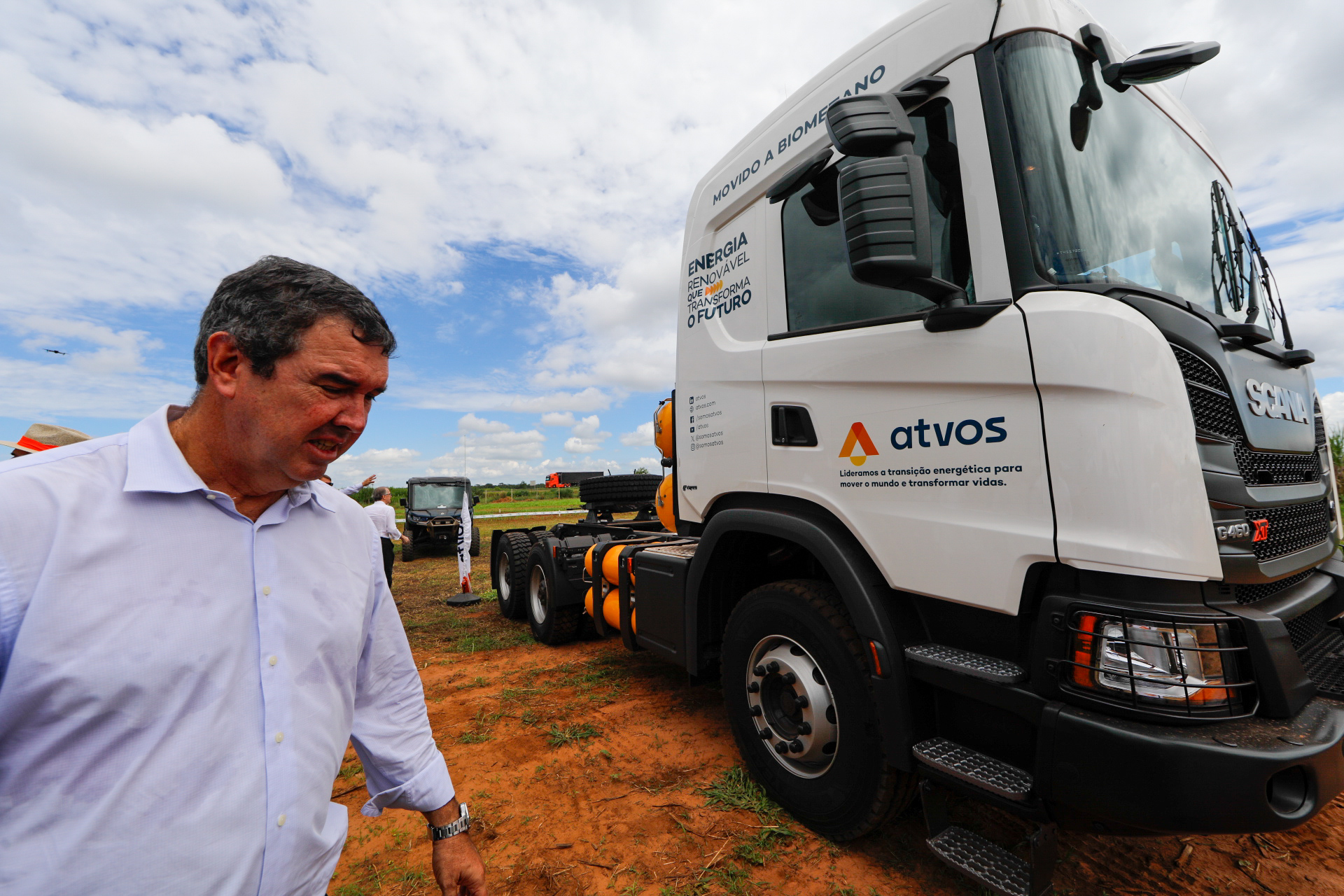
Mato Grosso do Sul excels in the sugar-energy sector: the state reaches a milestone of 22 operating mills and accelerates the production of clean energy in MS with a focus on sustainability.

The so-called “Solar Tax” has not been well received by Brazilians, and those who plan to install solar panels and generate their own renewable energy tax-free must complete the installation of solar panels by December of this year to save their money. However, there is still time to save by installing solar energy in your home, in agriculture, or also in your business this year.
The “Solar Tax” Law Refers to the Fio B Payment
According to information, it is necessary to have your project planned by a qualified team composed of technical assemblers, electrical engineers, and professionals specialized in the financing process to mitigate the installation cost.
Extensively discussed in the National Congress and also in other sectors of society, the new Solar Tax law is derived from the Bill 5.829/2019. Although it brings other changes, the main alteration in the new law is related to the payment of a fee that alters the composition of the electricity bill, which is why it is known as the “solar tax” law.
Thus, individuals who acquire a solar generation system starting in 2023 will be included in the new rule. Essentially, those who generate renewable energy will begin to pay for the use of the infrastructure provided by the distributor during times when there is no simultaneous generation, unlike the current situation. This fee relates to the payment of the previously exempt Fio B, part of the Distribution System Usage Tariff.
Brazil Is Expected to Reach 25 GW in 2022
According to projections by the Brazilian Association of Photovoltaic Solar Energy (ABSOLAR), Brazil is expected to end this year with about 25 GW of installed solar energy capacity.
This should represent an expansion of 91.7% compared to the country’s current numbers, which currently stand at around 13 GW.
From the entity’s understanding, more than 11.9 GW should be added to the energy matrix, combining large-scale plants and small-scale electricity generation systems.







Seja o primeiro a reagir!