





 Português
  Inglês
  Espanhol
  3 min de leitura


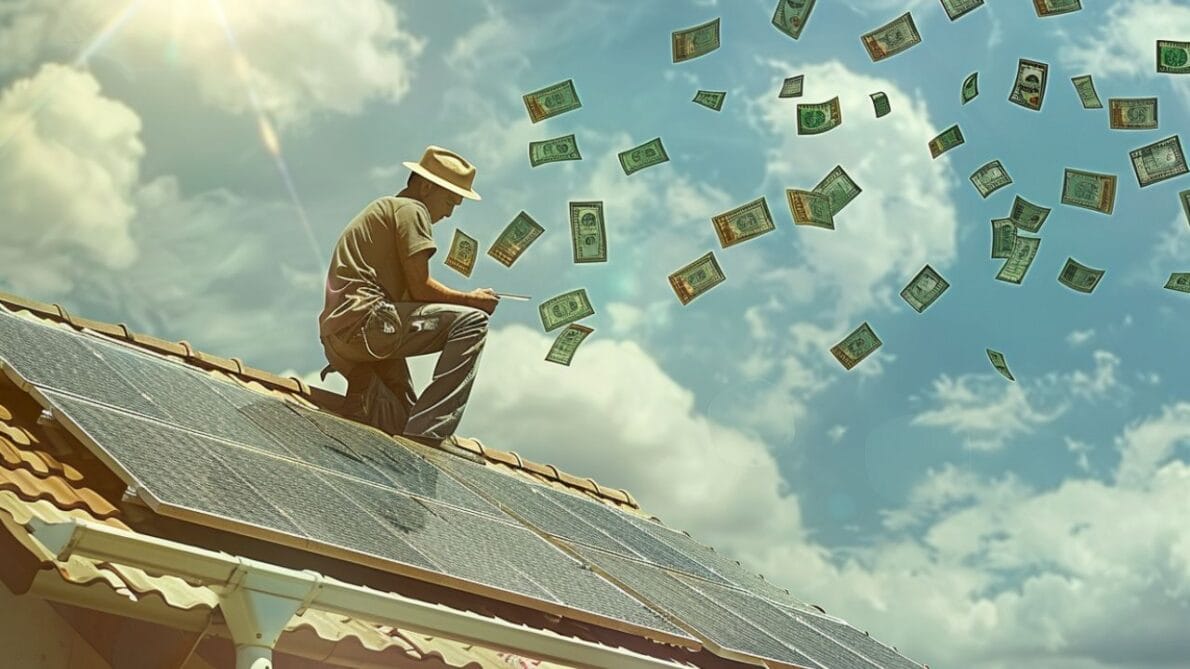
As of 2024, solar installation owners in Brazil will face new tariffs with Law 14300, known as the “sun tax”, which introduces a charge on specific components of the electricity tariff, such as wire B. How to calculate the impact of this tax on your electricity bill, highlighting the importance of understanding these changes to effectively manage the costs associated with the use of solar photovoltaic energy.
As of 2024, those with solar panels will face a new reality on their electricity bill. This is due to the implementation of Law 14300, popularly known as the “sun tax”. This legislation introduces a charge on certain components of the energy tariff, such as wire B, which were not previously charged.
For those working in the solar photovoltaic sector or simply wishing to understand the impact of this change, it is essential to know how this tax works and how to calculate its cost.
What Is Wire B and How to Calculate the Sun Tax?


The “wire B” refers to a component of the electricity tariff related to the use of the utility network. Essentially, it functions like a “toll” that solar energy producers must pay to compensate for the energy they inject into the grid.
-
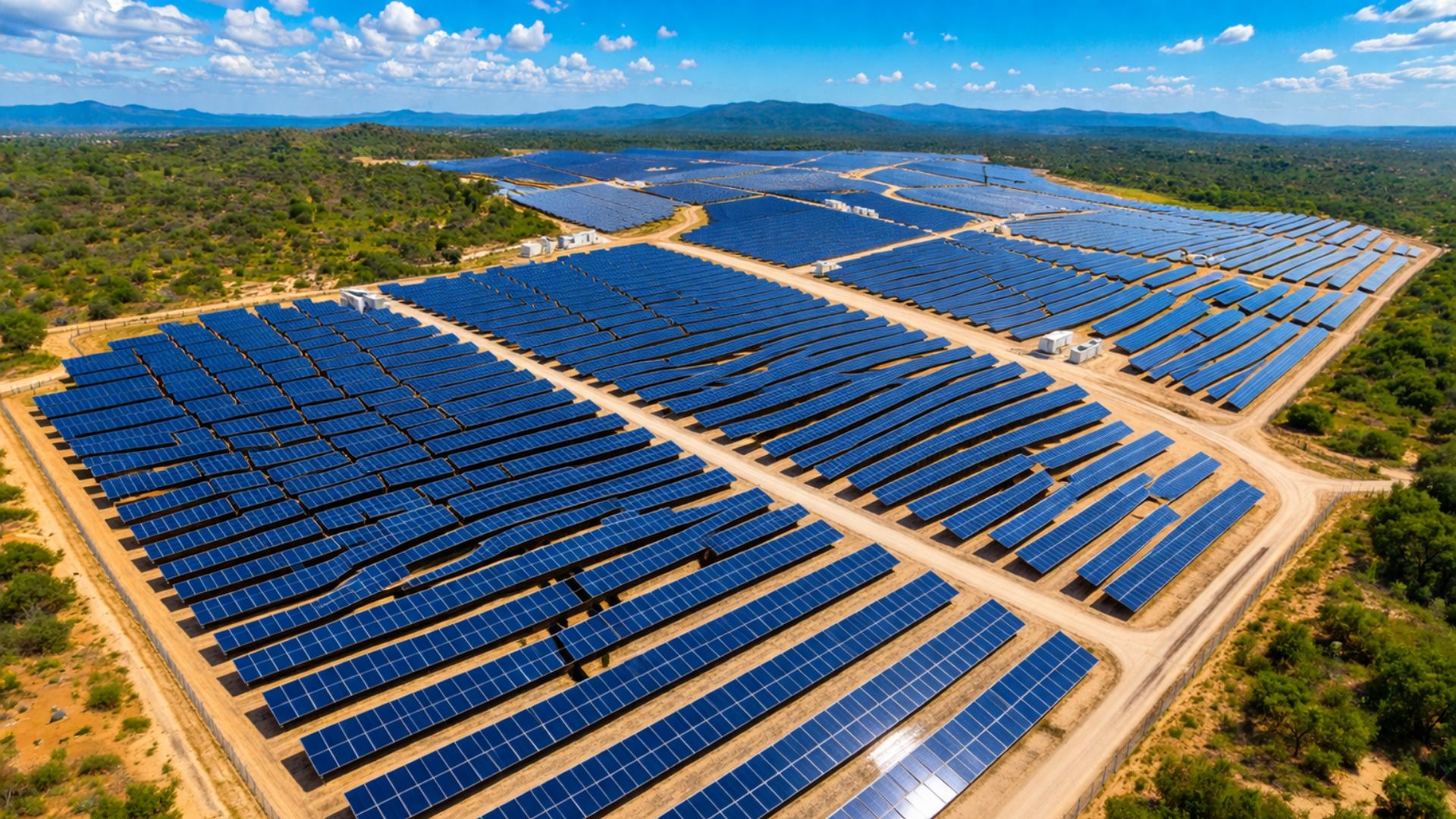
The Sol do Agreste Photovoltaic Complex begins operations in Pernambuco and accelerates the expansion of solar energy in Brazil, directly impacting the reduction of emissions and strengthening the sustainable energy matrix.
-
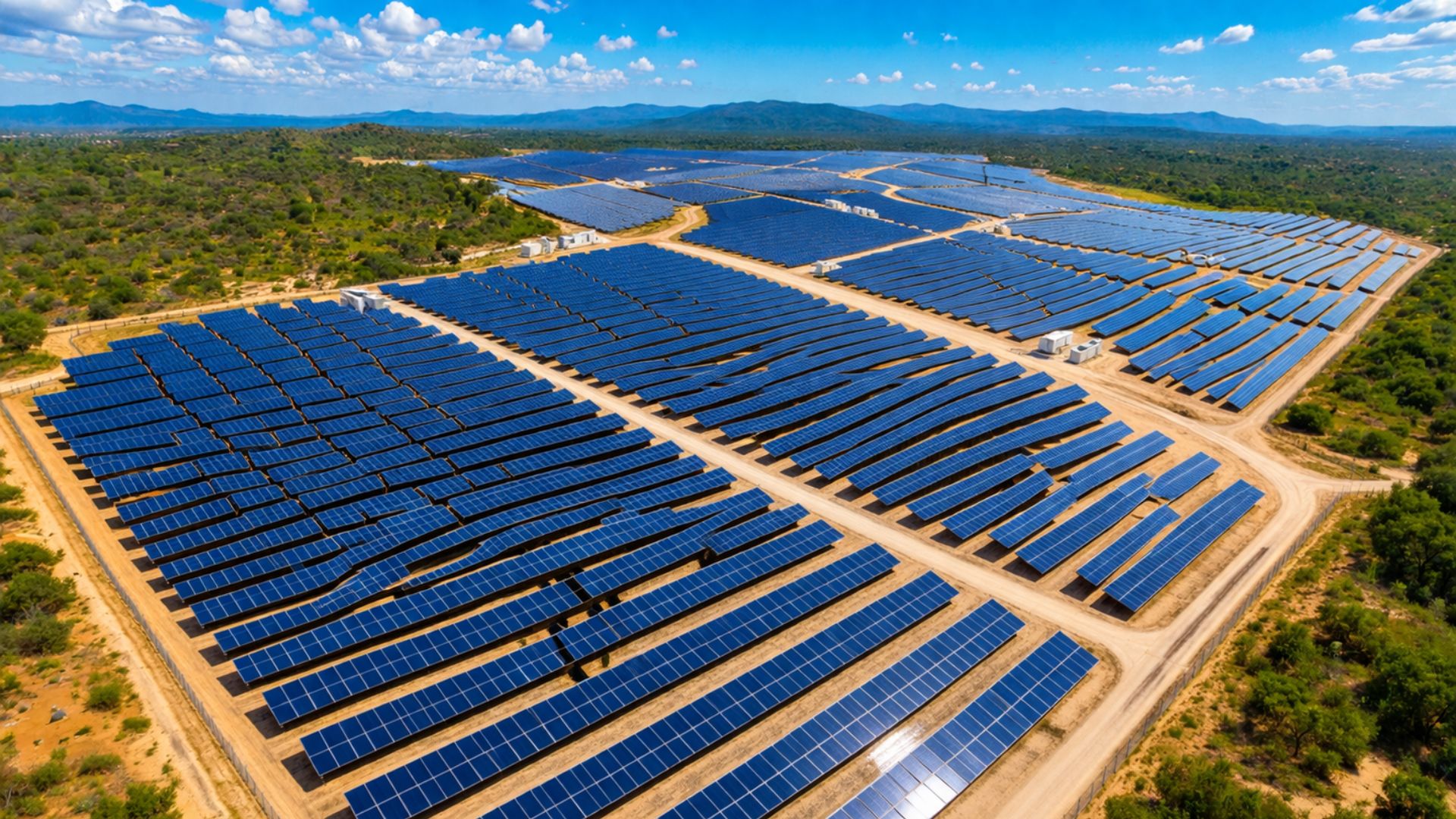
The Sol do Agreste Photovoltaic Complex begins operations in Pernambuco and accelerates the expansion of solar energy in Brazil, directly impacting the reduction of emissions and strengthening the sustainable energy matrix.
-
Renewable energy advances over protected areas in Brazil, and a survey by the Energy Transition Observatory reveals silent impacts that challenge environmental conservation and pressure sensitive traditional territories.

-
Rio Grande do Sul accelerates energy transition: State invests in renewable technologies and consolidates decarbonization strategies and pathways to attract billions in new industrial investments.


The charge for wire B will be implemented gradually until 2029, when new rules will be set by ANEEL. To calculate this tax in 2024, one must first understand the difference between the energy consumed from the grid and the energy injected by the solar installation. From there, the compensated energy is calculated and the percentage of wire B is applied, which is on average 28% nationally. The specific charge in 2024 will be 30% of this value.
Practical Example
Let’s go to a practical example: suppose a small business injected 2100 kWh and consumed 2000 kWh from the grid in April 2024. The compensated energy is 2000 kWh. If the value per kWh is R$ 1 and wire B represents 28% of this tariff, the value of wire B is R$ 0.28 per kWh. In 2024, 30% will be charged on this value of wire B, resulting in R$ 0.084 per kWh.
Therefore, each kWh injected will no longer be worth R$ 1, but R$ 0.916. If the compensated energy was 2000 kWh, then the balance in reais with the utility will be R$ 1832. The merchant will therefore owe R$ 168 to the utility, an amount considered as the “toll” for the use of the network.
A New Reality for Those with Solar Energy
The sun tax under Law 14300 brings a new reality for solar energy users in Brazil. Despite the apparent complexity, understanding and calculating the impact of this legislation is crucial for everyone in the sector.
Whether you are a business owner, a resident, or a solar energy specialist, understanding these calculations allows for better preparation for the changes that will begin in 2024 and will continue to evolve until 2029. The key is to stay informed and prepared to adapt to the new requirements in a way that minimizes costs and maximizes the efficiency of your solar installation.










-

Uma pessoa reagiu a isso.