





 Portuguese
  English
  Spanish
  5 min of reading
  0 comments


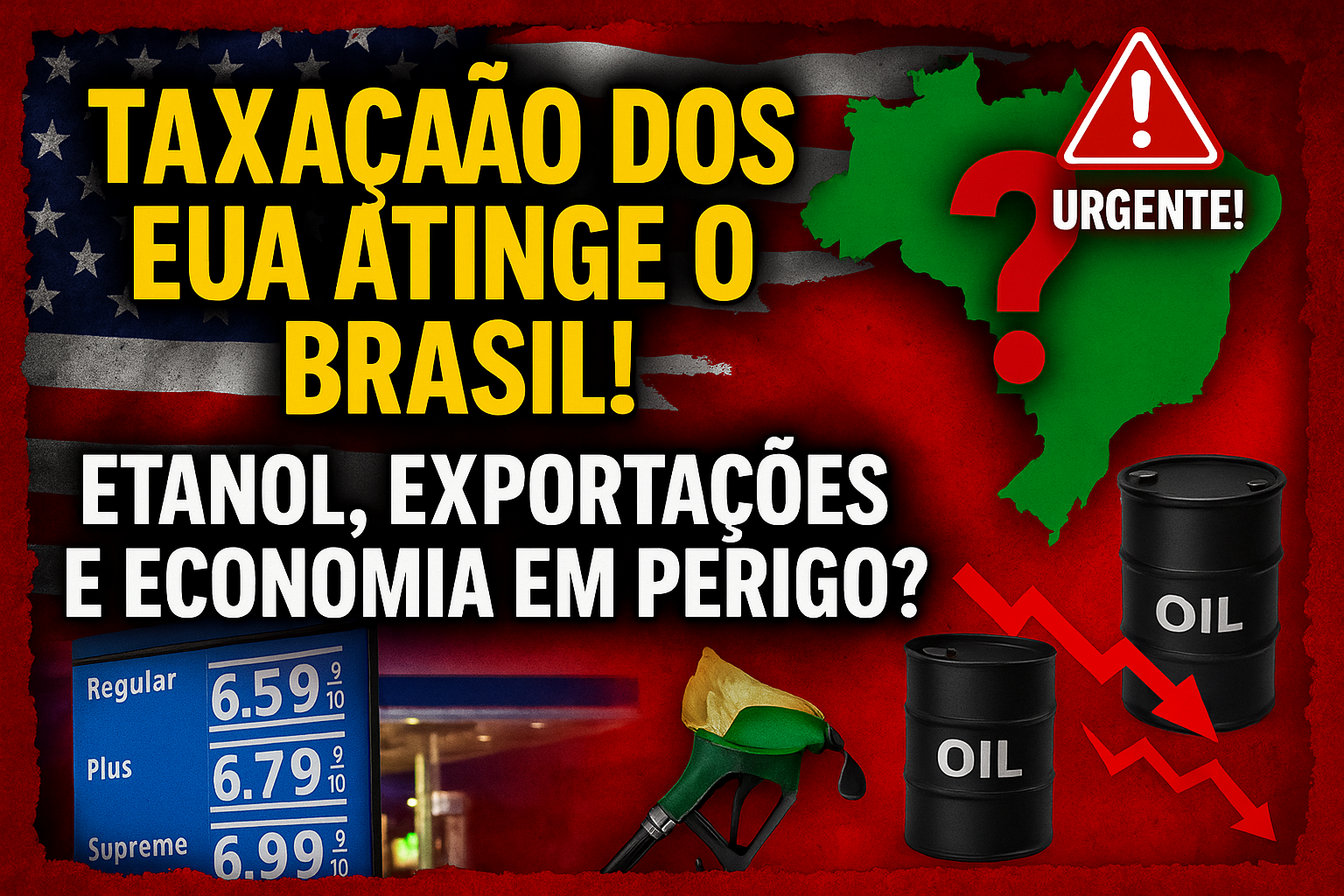
Trump Imposes Tariff and Threatens Brazilian Products, but Ethanol from Powerful Ribeirão Preto Resists!
Despite the new 10% tax in the US, the green and clean biofuel produced in São Paulo remains strong, thanks to its environmental advantage. Brazil Targets New Markets like Japan and South Korea to Bypass Pressures and Further Expand Its Energy Leadership.
The recent decision by the United States to impose a 10% tariff on imported products from Brazil has raised questions about the impacts of this measure on different sectors of the national economy.
Highlighting the production of ethanol, especially in the Ribeirão Preto region, one of the most significant areas in the country in the sugar and alcohol sector, experts analyze whether the tax affects the competitiveness and exports of biofuel directly.
According to sources from the agro-industrial and economic sectors, the impact on Brazilian ethanol, at least at this first moment, tends to be limited.
-
Former president of IBP highlights that dependence on diesel imports pressures prices in Brazil, increases vulnerability to global crises, and underscores the need for more robust and sustainable energy policies.
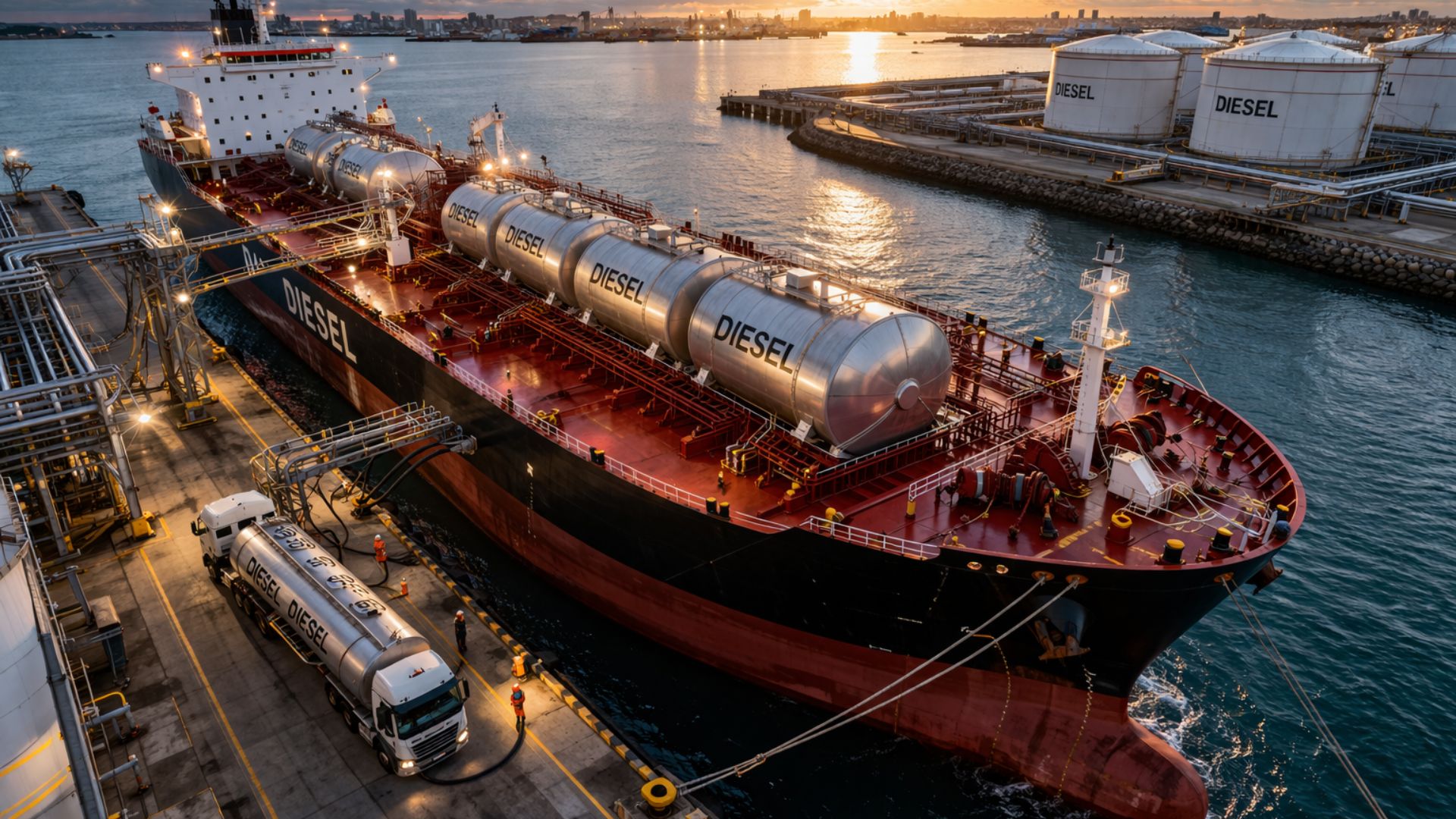
-
Middle East War Drives Up Oil Prices, And Petrobras Increases Diesel: Fuel Reaches R$ 3.65 Per Liter At Distributors
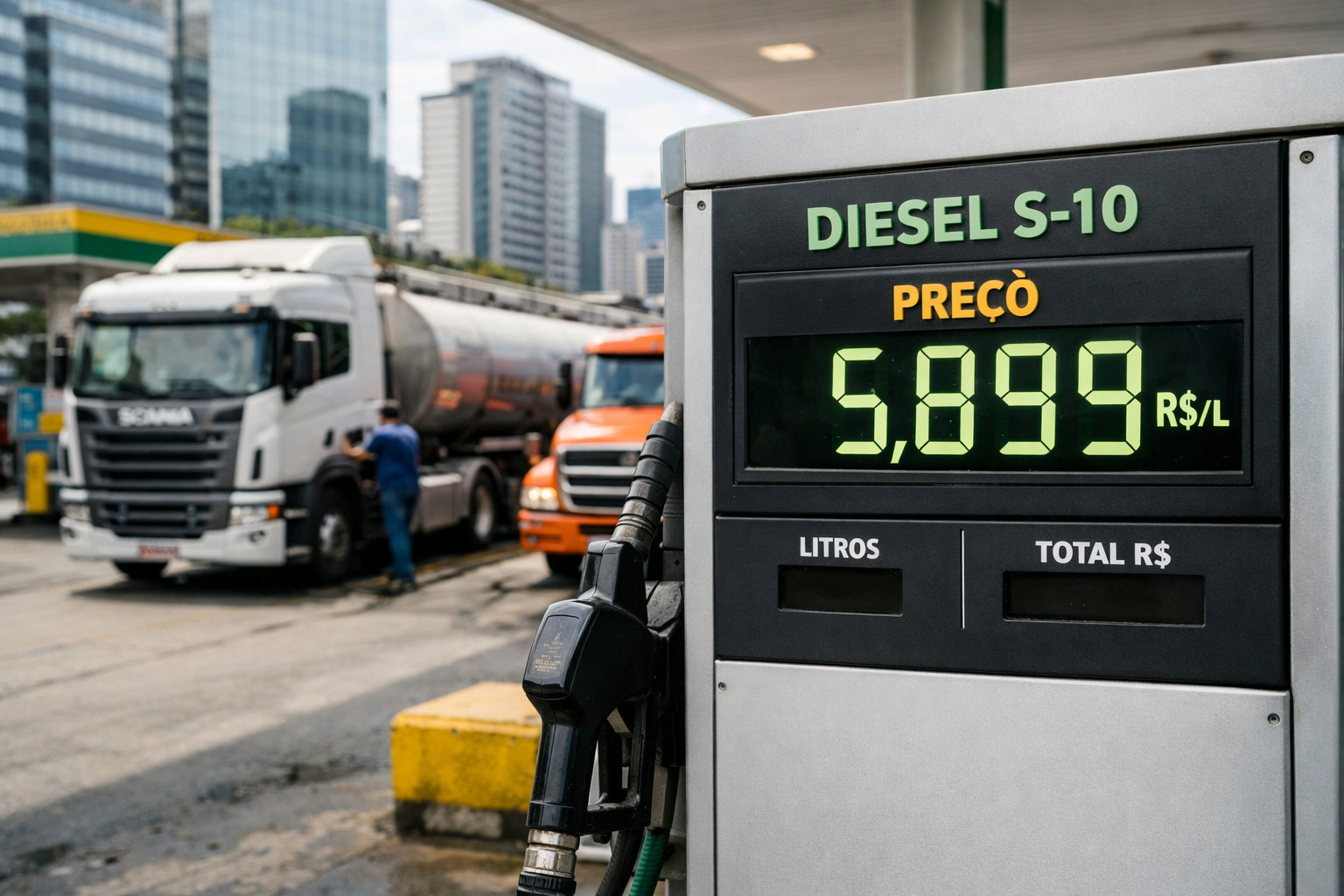
-
Oil Soars to Nearly $120, Middle East Tensions Shake Global Market, and a Little-Known Detail Returns to Energy Debate: The Gigantic Strategic Reserves Hidden by G7 Countries — See How Many Millions of Barrels Each Nation Holds in Reserve to Face a Global Crisis
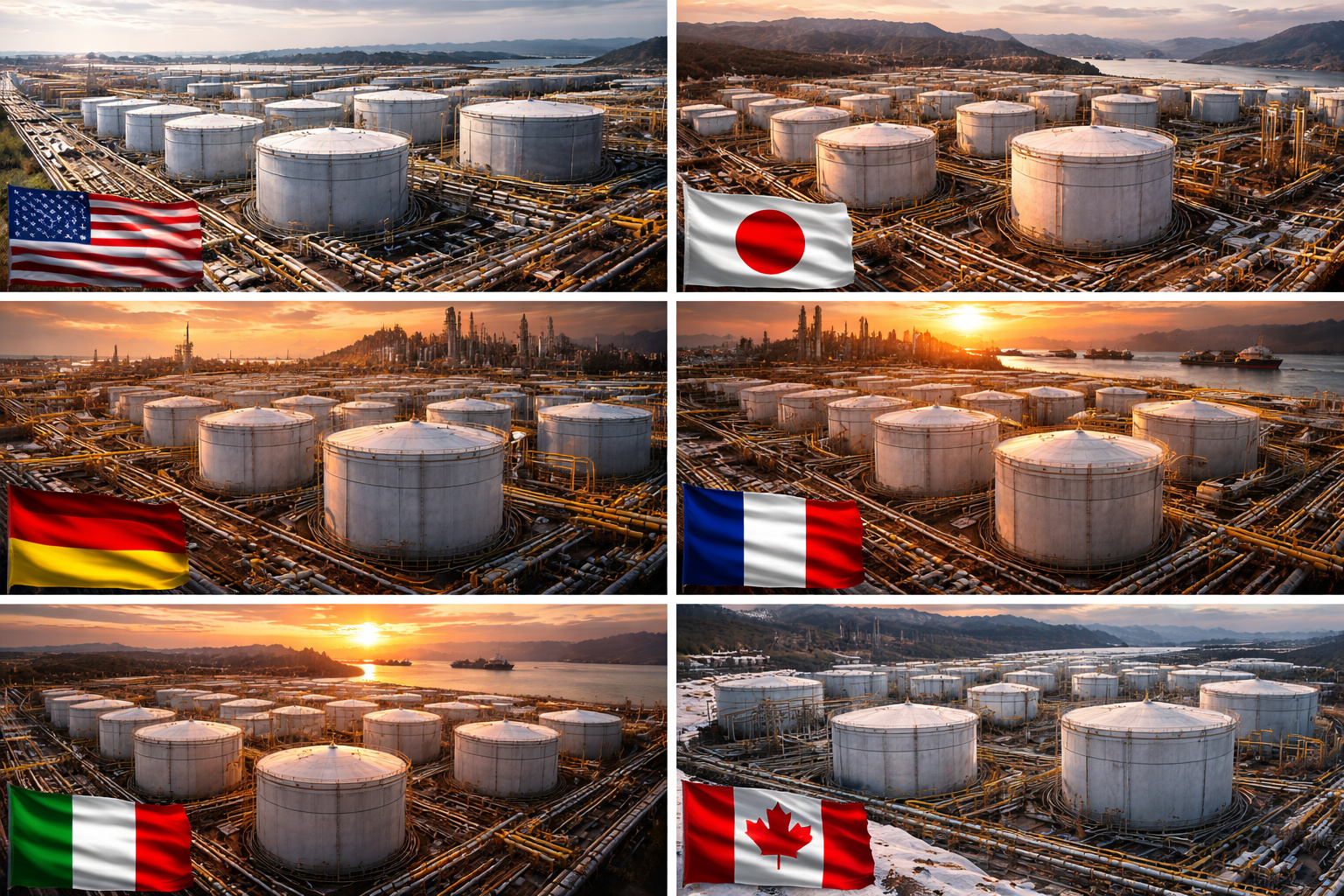
-
Gasoline And Diesel May Change Course In Brazil: International Oil Pressure Renews Debate On Prices And Direct Impact On Drivers’ Wallets
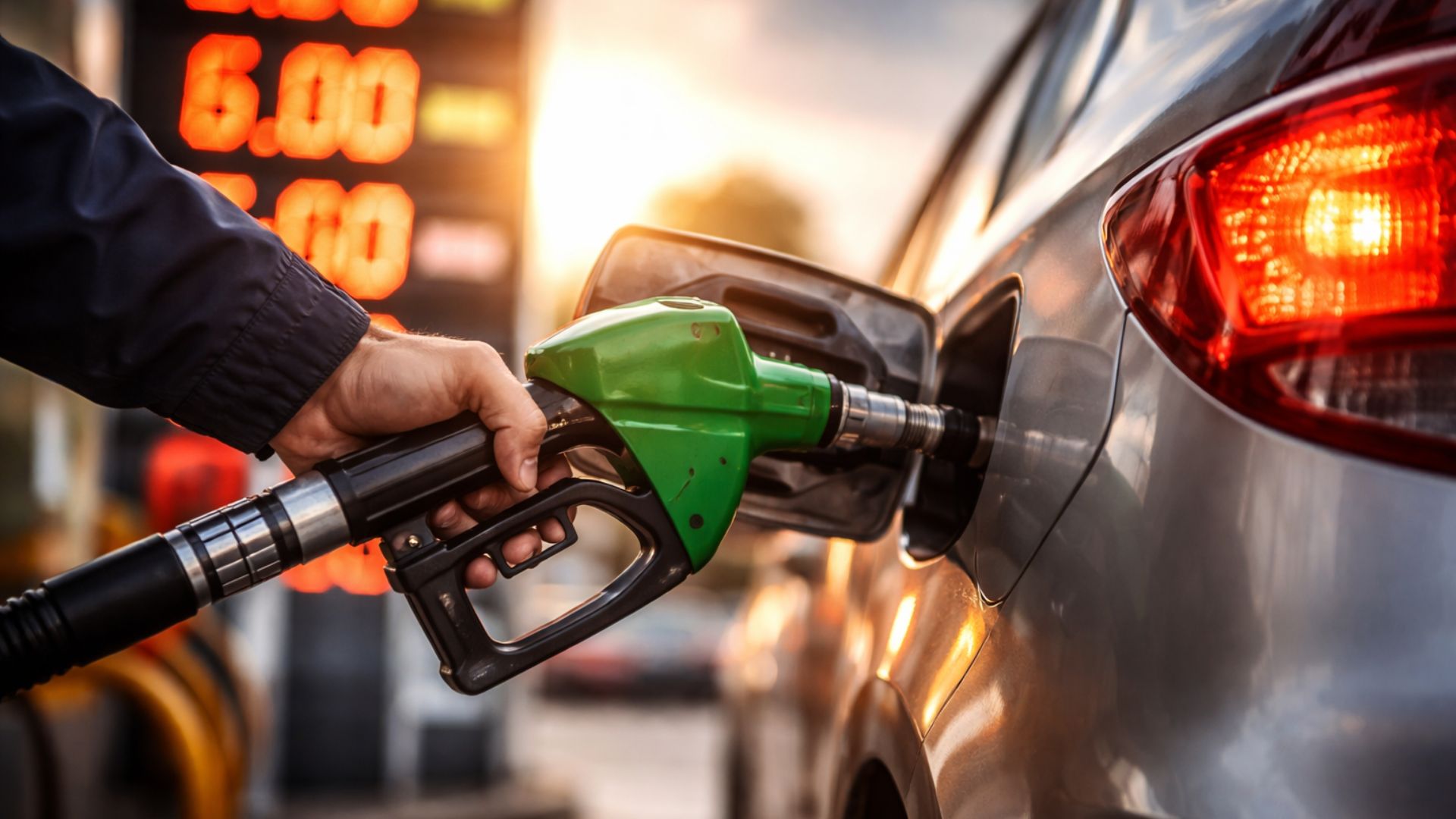

This is because the quantity exported to the United States represents a very small fraction of national production.
Nonetheless, the issue reignites debates about trade relations, bilateral agreements, and alternatives for the international ethanol market.
Ribeirão Preto: Giant in Ethanol Production
The Ribeirão Preto region, located in the interior of São Paulo, is one of Brazil’s main sugarcane-producing areas.
The state of São Paulo accounts for more than 50% of national production, with approximately one-third of that production located in the Ribeirão Preto region.
This abundance of raw material makes Ribeirão Preto a strategic hub for ethanol production.
The plants in the region are among the most technologically advanced in the country, employing thousands of workers and driving the local economy strongly.
An example is the plant in Pitangueiras, led by Antônio Eduardo Tonielo Filho, who manages about 42,000 hectares of cultivation.
Despite the new tariff imposed by the United States, Tonielo reassures Brazilian producers.
According to him, the measure does not pose an immediate threat to the national ethanol market, especially because most of the exports to the US go to a very specific state: California.
Brazilian Ethanol Has Environmental Advantage Over American
California has strict laws regarding pollutant emissions, which leads the state to value cleaner fuels.
In this context, Brazilian ethanol stands out for emitting about three times fewer greenhouse gases in its production compared to North American ethanol.
Therefore, there is a Californian mandate that requires the addition of lower environmental impact ethanol to gasoline.
“This ethanol that is exported to the US is ethanol solely for California (…), where there is a mandate requiring California to blend Brazilian ethanol,” explains Tonielo.
With the new tariff, ethanol will become more expensive for Californian consumers, but it will continue to be necessary due to local environmental requirements.
Unequal Commercial Relationship
According to agribusiness consultant José Carlos de Lima Júnior, the measure adopted by the American government is motivated by an attempt to balance tariff relations between countries.
Currently, Brazil imposes a 19% tariff on ethanol imported from the US, while Americans, prior to the new measure, charged only 2.5% on Brazilian ethanol.
This difference led to an increase in taxes by the US government, intending to establish what they consider “tariff reciprocity”.
Despite the decision, Brazil maintains a trade deficit with the United States, meaning it imports more than it exports.
For experts, this trade asymmetry may continue to influence future tariff decisions.
Other Sectors May Feel Greater Impact
The new American tariff does not only affect ethanol.
Products such as coffee, sugar, cellulose, and orange juice are among the most vulnerable to changes in import policies.
According to economist Maurílio Benite from Fundace (Foundation for Research and Development in Administration, Accounting, and Economics), Brazil is among the least impacted countries by the new tariff policy.
“We are in the group of the least affected, a priori,” Benite emphasizes.
There were rumors that the rate could reach 35%, which did not materialize.
However, he warns of the necessity to carefully analyze the nature of each affected product.
Some items have lower elasticity of substitution, and therefore, American demand is unlikely to change much. Others, however, may be easily substituted by suppliers from other countries.
Ethanol Price in Brazil Should Remain Stable
Even if the United States significantly reduces imports of Brazilian ethanol, a direct impact on prices in the domestic market is not expected.
The reason is that the exported volume represents less than 1.5% of national production, making it unlikely that an oversupply would pressure the price of the liter at fuel stations.
“Assuming there is no new market, the volume that will remain in the domestic market is unlikely to create an oversupply,” explains José Carlos de Lima Júnior.
Thus, consumer prices tend to remain stable, at least in the short term.
New Markets May Strengthen Brazilian Ethanol
In light of the scenario of increasing tariffs from the United States, the Brazilian productive sector is already targeting new markets.
Countries like Japan and South Korea show growing interest in Brazilian ethanol, especially for its environmental qualities.
Recently, Japan increased the mandatory ethanol proportion in the gasoline composition sold in the country from 5% to 10%.
This measure opens up space for the expansion of Brazilian exports, especially at a time when the world seeks alternatives to reduce carbon emissions.
“Brazil can be a key player in global decarbonization, offering more sustainable ethanol,” highlights José Guilherme Nogueira, CEO of Orplana, an entity representing more than 12,000 sugarcane producers in the Center-South of Brazil.
The expectation is that more countries will adopt goals similar to those of Japan, which could open new export fronts and consolidate Brazil’s role as an international reference in the use of biofuels.
Conclusion: Controlled Impact and Expanding Opportunities
Despite the announcement of the 10% tax by the US, the effects on the Brazilian ethanol market are, at the moment, limited.
The commercial relationship with California, based on environmental criteria, should remain, albeit at a higher cost.
The search for new markets and the focus on sustainability strengthen Brazil’s position as one of the leading global suppliers of ethanol.
With robust production, international recognition for environmental quality, and the potential for market diversification, the Brazilian sugar-alcohol sector seems well-prepared to face the challenges posed by the new American tariffs.








Seja o primeiro a reagir!