





 Portuguese
  English
  Spanish
  3 min of reading
  0 comments


With a presence in five states, TBG wants to facilitate the connection of small producers to the national natural gas transport system, boosting the use of biomethane starting in 2026.
TBG (Transportadora Brasileira Gasoduto Bolívia-Brasil) announced the development of an innovative project to connect small and medium producers of biomethane to its extensive natural gas transport network.
The initiative, dubbed “Biomethane Hub,” aims to expand access to gas drainage infrastructure, directly contributing to the diversification of the Brazilian energy matrix and preparing the sector for the requirements of the Future Fuel Law, which mandates the blending of biomethane with natural gas starting in 2026.
Modular Solution Aims to Connect Regional Production to the National Network
TBG’s project has been designed to be modular, meaning it can be implemented in stages, with variable capacity according to local demand.
-
Brazilian giant expands borders in the Southeast: Petrobras confirms new oil discovery in ultra-deep waters in the pre-salt of the Campos Basin.

-
Alert in the global energy market: Severe tropical cyclone hits the coast and disrupts gas production at major plants in Australia, threatening global supply.

-
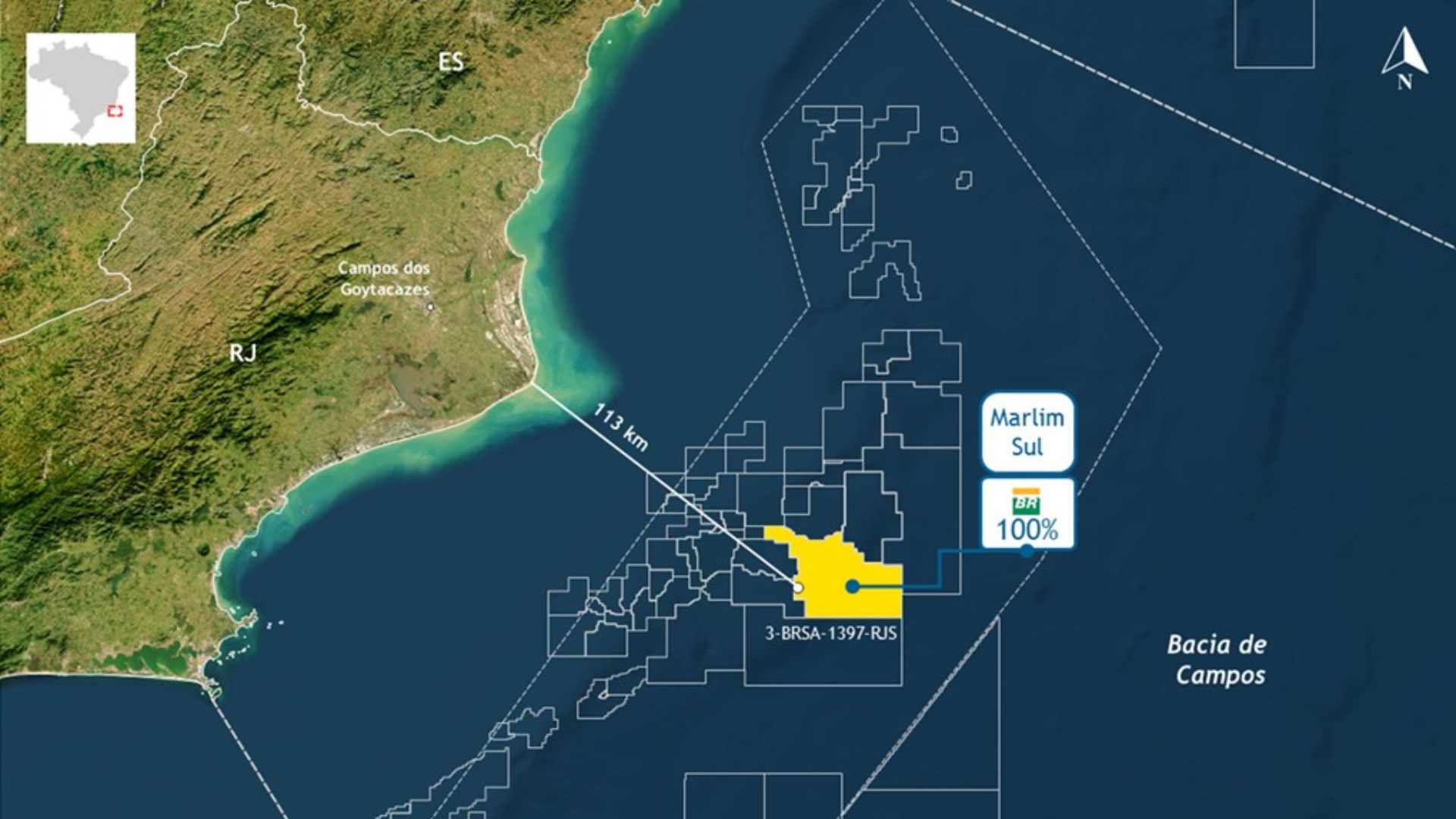
Petrobras finds high-quality oil in the pre-salt at 113 km from RJ and reignites expectations about strategic reserves in the Campos Basin.

-
Ocyan opens registrations for startups focused on innovation in the oil and gas sector and will select projects for Innovation Day with the support of Nexio.

The idea is to allow smaller producers, who currently do not have enough scale to integrate into the natural gas network, to access the infrastructure through strategic collection points.
In addition to physical connections via pipelines, the model anticipates the use of road transport with CNG (Compressed Natural Gas) and LNG (Liquefied Natural Gas) trucks, which further expands TBG’s coverage area.
“TBG’s Biomethane Hub is of utmost importance for both the energy transition and the addition of an additional source of supply. Additionally, we have the competitive advantage of our privileged geographical location due to the concentration of agricultural production in the Central-South region of the country. We are ready to serve at any point in our pipeline network. The Transport System is essential for draining production and providing scale to the market,” stated Jorge Hijjar, commercial director of the company.
Strong Enthusiasm from Interested Parties and High Production Potential
Since the project was announced, TBG has already recorded interest from various agents who wish to participate in the Public Call for Acquisition of Biomethane, organized by Petrobras.
Plants with production capacity have been mapped along the entire length of the pipeline, especially in the states of São Paulo and Mato Grosso do Sul, where there is a large concentration of agricultural activities and organic waste, essential raw material for biomethane production.
It is estimated that the total production volume identified so far could reach up to 3 million cubic meters per day, representing a significant contribution to the national gas supply.
Alignment with Public Policies and Impact on the Consumer Market
TBG’s proposal is in line with the objectives of the National Integrated Plan for Natural Gas and Biomethane Infrastructure, currently undergoing public consultation by the Energy Research Company (EPE).
The federal plan seeks to identify bottlenecks and promote investments in energy infrastructure, especially for renewable sources such as biomethane.
By connecting producers to the transport network, TBG expands the commercial reach of this biofuel, facilitating its use in sectors such as industrial, transportation, and even vehicle fueling.
Because it is compatible with natural gas, biomethane can be used in the same applications without the need for adaptation.
Source: Poder360








Seja o primeiro a reagir!