





 Portuguese
  English
  Spanish
  5 min of reading
  0 comments


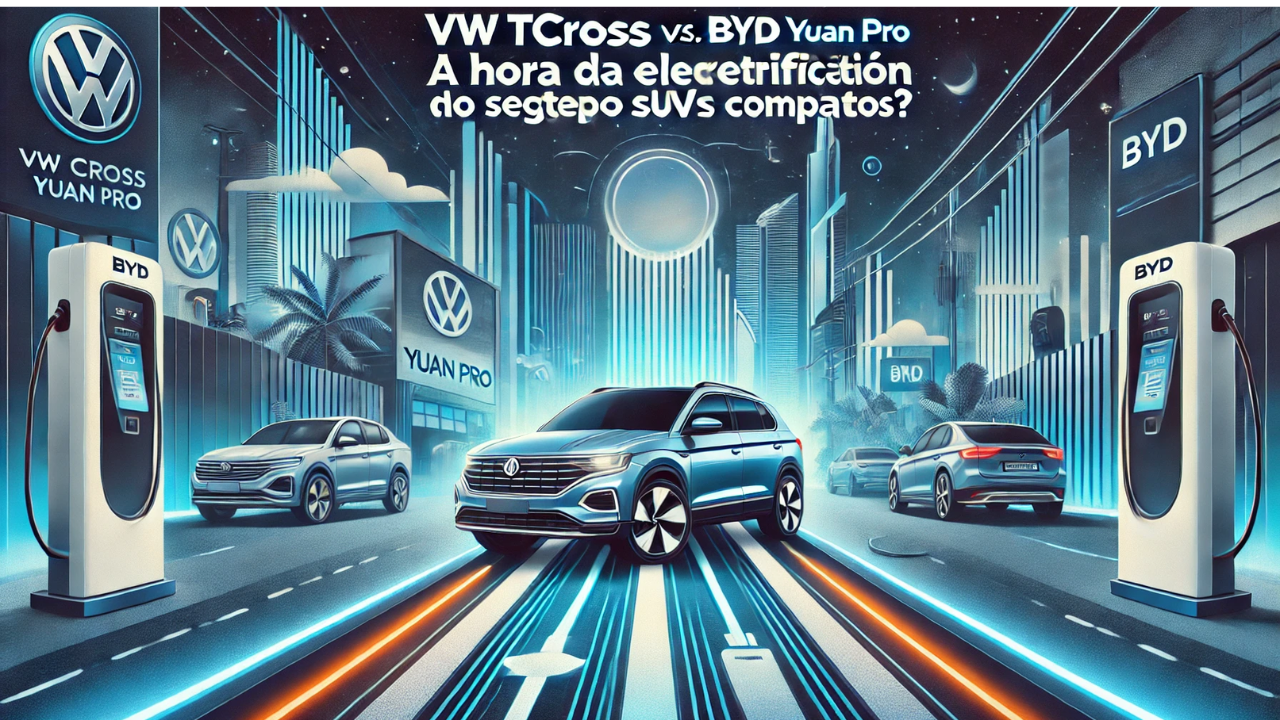
The dispute between the Volkswagen T-Cross Highline 250 TSI, a combustion compact SUV priced at R$ 184,490, and the BYD Yuan Pro, a 100% electric model available for R$ 182,800.
The automotive market for compact SUVs has seen a significant transformation in recent years, with electrification gaining more space among consumers. Previously, electric cars were exclusive to premium models with higher prices.
However, with the growth of more affordable options, the confrontation between combustion compact SUVs and electric ones has become a reality.
-
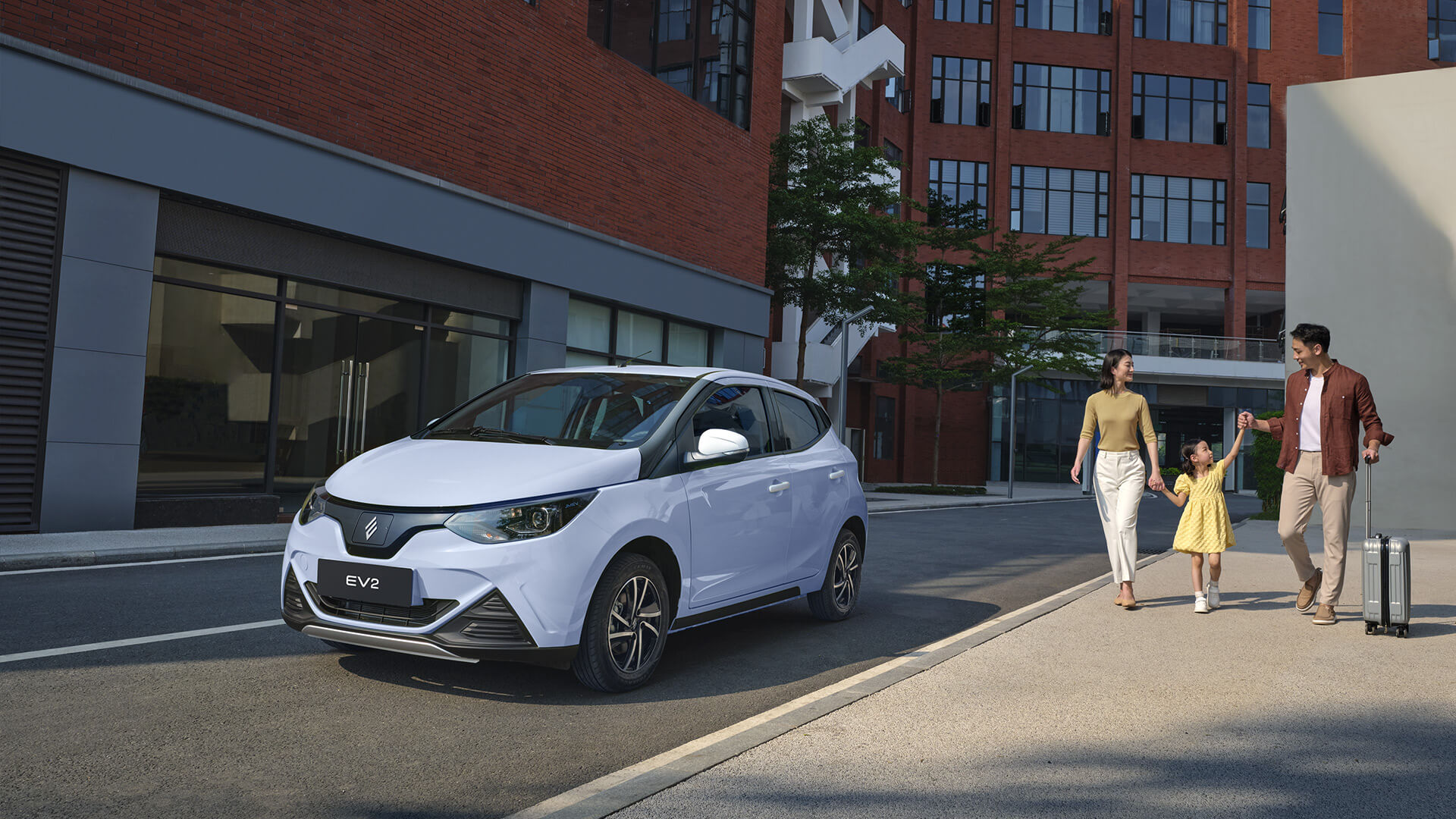
Goodbye expensive popular car: electric vehicle for less than R$ 70,000 starts being sold in Brazil with a range of 200 km and targets those looking to escape gasoline.
-
OMODA & JAECOO grows in Europe in 2026 with an integrated strategy of sales, innovation, local production, and technological advancement in the United Kingdom, Italy, and Spain.
-
OMODA & JAECOO expands after-sales service in Brazil with competitive maintenance, a 7-year warranty, and high availability of parts for technological SUVs.
-
OMODA & JAECOO appoints Alessandra Souza as executive marketing director in Brazil and accelerates brand expansion with a focus on innovation, networking, and hybrid portfolio.


Both dominate their respective categories, but is it time to swap combustion engines for electrification? Let’s analyze the differences and similarities between these two models to understand which is the better choice.
Size And Design: The Aesthetics Of The T-Cross And BYD Brands
Although both SUVs have similar dimensions, there are some notable differences between them.
The Volkswagen T-Cross is 4.22 meters long with a wheelbase of 2.65 meters, while the BYD Yuan Pro, which is a model dedicated to electrification, is slightly larger in length (4.31 meters) and has a wheelbase of 2.62 meters.
This means that, even though the Yuan Pro is larger in terms of length and height, the T-Cross offers a slightly superior use of internal space due to its larger wheelbase.
Visually, the T-Cross follows Volkswagen’s traditional identity, with robust lines and finishes that allude to other SUVs from the brand.
Recently, the model underwent an update that brought new details, such as LED lighting and improved finishes, staying true to Volkswagen’s characteristic design.
On the other hand, the BYD Yuan Pro takes a more futuristic approach. Its design includes a closed front grille, characteristic of electric cars, and full-LED headlights, conveying a more modern and innovative feel.
This look, reminiscent of the brand’s global models, certainly attracts consumers looking for a car with a bolder style.
T-Cross And BYD Interior: Comfort And Technology
Inside, both SUVs offer good space, but each brand’s focus is different. The T-Cross, being a more traditional model, opts for a comfortable interior design, with good space distribution for the occupants.
The 373-liter trunk and the 2.65-meter wheelbase ensure that the rear passengers have a considerable level of comfort.
However, the quality of materials, especially in the hard plastics, doesn’t fully meet the expectations for a model approaching R$ 200,000.
Meanwhile, the BYD Yuan Pro strongly invests in technology, standing out with a digital dashboard and a rotating multimedia center with a 12.8-inch screen, one of the model’s main attractions.
The interior finish of the electric SUV is more refined, with higher quality materials in the door areas, dashboard, and console.
This focus on sophistication and modernity in the interior reflects in the user experience, offering a cleaner and more technological visual.
However, the internal space of the Yuan Pro has some limitations. Although space utilization is efficient, the trunk is smaller, with a capacity of 265 liters.
This is partly due to the presence of a conventional spare tire, which takes up considerable space.
In terms of habitability, the T-Cross performs better, but the Yuan Pro offers a superior sense of modernity, especially regarding materials and interior design.
Energy Efficiency Performance Of The T-Cross And BYD: Combustion X Electricity
The comparison between the performance of the two models reveals the fundamental differences between combustion and electric engines. The T-Cross Highline 250 TSI is equipped with a 1.4-liter turbo engine, offering 150 hp of power and 25.5 kgfm of torque.
Its performance is satisfactory, with acceleration from 0 to 100 km/h in 9.5 seconds. However, the combustion engine of the T-Cross exhibits a slight delay in response, both due to engine programming and the presence of the turbo.
In contrast, the BYD Yuan Pro, as an electric vehicle, offers immediate performance, with 177 hp and 31.6 kgfm of torque. The acceleration of the Yuan Pro is quicker, reaching 100 km/h in 8.6 seconds.
Although the T-Cross has a slight advantage in the pull from 80 to 120 km/h, with a time of 6.0 seconds compared to 6.6 seconds for the Yuan Pro, the BYD model stands out for its smooth performance and the absence of the noise or vibrations typical of combustion engines.
Both SUVs provide good performance for urban use, but the Yuan Pro benefits from the characteristic of electric vehicles to deliver power instantaneously.
The suspension system of both models is similar, with McPherson in the front and a torsion beam in the rear, ensuring stability and comfort on different types of terrain.
Energy Efficiency: The Cost Of Driving Normal And Electric
The T-Cross, with a 52-liter tank and an average consumption of 15 km/l on the highway, shows a cost per kilometer driven of approximately R$ 0.58 in urban use. This means that to drive 1,000 km in the city, the cost will be about R$ 580.
In comparison, the BYD Yuan Pro has a significantly lower cost per kilometer. With an average consumption of 8 km/kWh, the cost per kilometer with fast charging is R$ 0.28, and with home charging, it can drop to just R$ 0.10 per km.
In practical terms, driving 1,000 km in the city with the Yuan Pro can cost between R$ 100 and R$ 280, depending on the type of charging used.
This highlights a substantial economic advantage for the electric model, especially in the long term, considering that the cost of home charging is extremely low compared to gasoline refueling.
Which To Choose?
The decision between the Volkswagen T-Cross and the BYD Yuan Pro depends on each consumer’s profile.
The T-Cross is a solid and reliable option for those looking for a model with more tradition and a complete equipment package, including driver assistance systems such as blind spot monitoring, lane keeping assist, and automatic emergency braking.
However, the high price, with the top-of-the-line version exceeding R$ 200,000, may be a downside for some.
On the other hand, the BYD Yuan Pro stands out for its electrification, offering instant performance and significantly lower operating costs.
Although it lacks some comfort and safety features compared to other electric vehicles in the same price range, the Chinese model is an attractive option for those wishing to enter the world of electric vehicles without paying an exorbitant price.









-

-

2 pessoas reagiram a isso.