





 Portuguese
  English
  Spanish
  4 min of reading
  0 comments


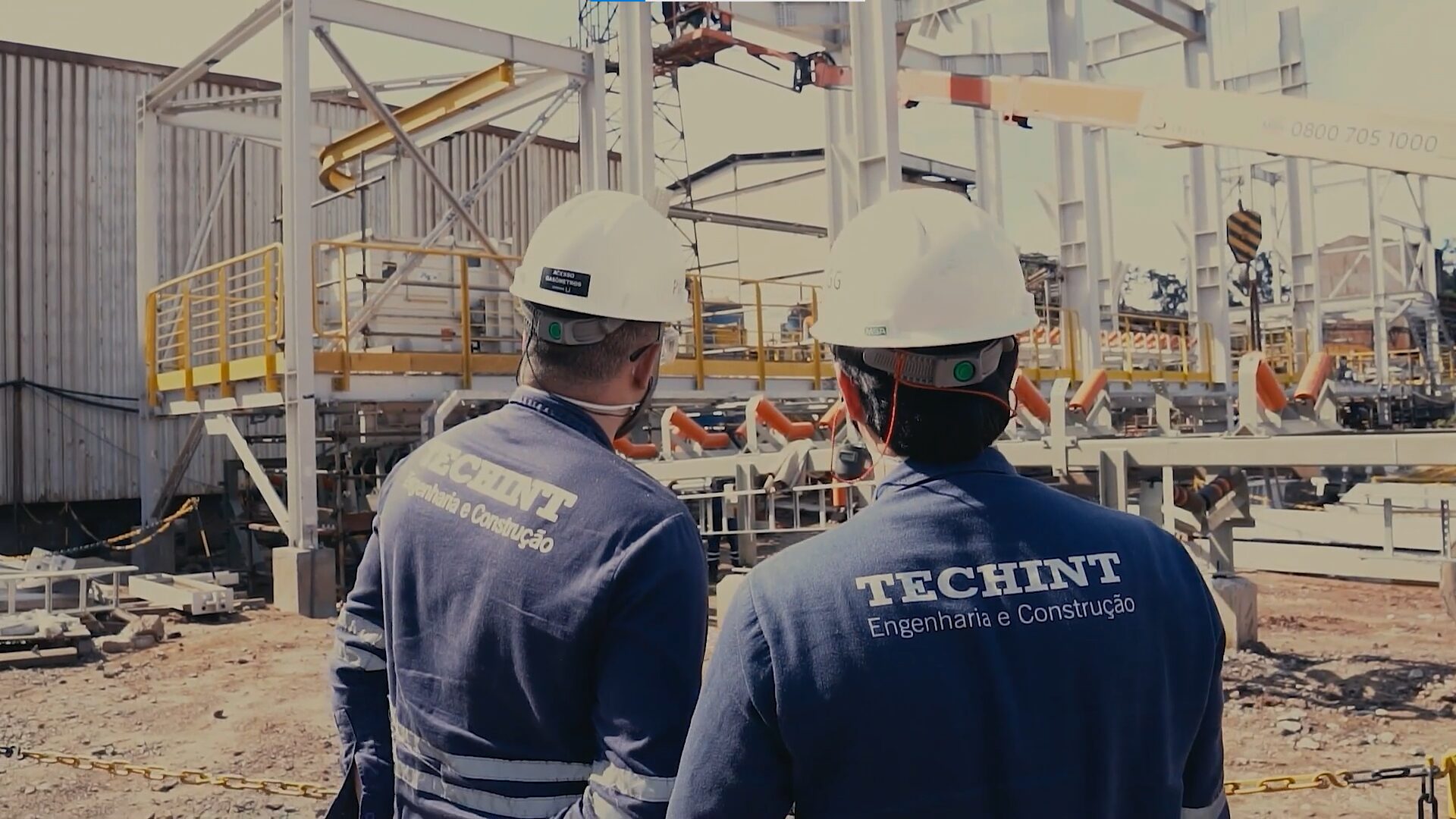
Eyeing Petrobras’ Plan, Techint Plans to Return to the Offshore Sector With the Aim of Producing 60 Thousand Tons in Modules, Boosting Shipyards and Generating Jobs in the Naval Chain.
The Techint Engineering and Construction group officially announced its intention to resume offshore operations in Pontal do Paraná, targeting Petrobras’ new phase of investment in FPSO-type platforms. The expectation is that the state-owned company’s upcoming contracts will generate demand for up to 60 thousand tons in new modules, paving the way for a new cycle of expansion for the Brazilian shipbuilding industry.
The plant, which has been inactive for years, will undergo a revitalization process with an initial investment of R$ 4.5 million, aimed at restructuring the administrative areas and modernizing the dock. According to the company, the reactivation will be accompanied by new investments in infrastructure, including the construction of industrial warehouses and permanent structures to support the increase in production.
Petrobras Drives the Reopening of Techint’s Offshore Facility on the Coast of Paraná
Techint’s decision comes in direct response to Petrobras’ plans to contract at least 14 new FPSO platforms by the end of the decade. Some of these units will require the construction of modules with a high local content content, one of the criteria favoring the nationalization of the production chain.
-
Petrobras evaluates suspension of sales to distributors and considers canceling the cooking gas auction following guidelines from the Federal Government.
-
Lula reveals a masterstroke by Petrobras to undo a deal made by Bolsonaro, which involves the return of an important refinery that currently produces less than half of what was expected and makes Brazil dependent on international diesel.
-
A study confirms that the natural gas sector will reduce greenhouse gas emissions in Brazil by 0.5% and accelerate the energy transition by 2026.

-
Petrobras implements a severe adjustment and confirms a 55% increase in the price of aviation kerosene with a proposal for installment payments for the companies.


“We are getting ahead of a new phase of demand in the offshore industry. The Pontal plant has a strategic location and a proven track record of efficiency. We want to put this asset back to work for Brazil,” stated Vilson Rigon, president of Techint Engineering.
According to him, the reopening plan also involves partnerships with other suppliers in the chain, from construction companies to specialized firms in system assembly and module integration.
Pontal do Paraná Unit Has Already Delivered Award-Winning FPSO Recognized by ANP
Between 2014 and 2018, Techint was responsible for the construction of the FPSO P-76, a project that achieved 70% local content and involved over two thousand national suppliers, mostly from the southern region. The platform began operations in the Campos Basin in 2019 and has since become a symbol of productivity and meeting technical targets.
The National Agency of Petroleum (ANP) recognized the P-76 as the most efficient platform in Brazil in 2023, reinforcing Techint’s capability to lead large-scale projects within the deadlines and standards required by the sector.
Pontal do Paraná Could Become a New Strategic Hub for the Offshore Industry
With the reactivation of the unit, Paraná could establish itself as a new hub for the national offshore industry, expanding the decentralization of production that currently concentrates in the Southeast. The location of the Pontal terminal allows for easy logistical access to the Port of Paranaguá, which reduces transportation costs and enhances the industrial competitiveness of the region.
Techint’s expectation is that, upon reaching full operation, the plant will be able to generate hundreds of direct and indirect jobs, as well as attract new investments to the surrounding area.
Techint Has Already Completed Over 300 Projects with Petrobras
The company’s history is robust: over the past few decades, Techint Engineering has participated in more than 300 Petrobras projects, notably in the construction of gas pipelines, oil pipelines, and offshore platforms. The company is also responsible for about 60% of the country’s major pipeline networks.
According to internal sources, the resumption of offshore operations in Pontal is being treated as a priority due to the renewal of local content policies and Petrobras’ new stance towards the national industry.
Plant Modernization and Subcontracting Are on the Radar
Along with initial investments in modernization, Techint stated that it intends to act as a hub for module production, potentially subcontracting regional and national companies. The plan includes increasing installed capacity and ensuring deliveries with a high degree of technical complexity, meeting the demands of Petrobras’ new projects and international companies.
“The offshore industry in Brazil is back on the radar. We have know-how, specialized labor, and structure to deliver complete solutions. Pontal do Paraná has the potential to become a center of excellence,” said an executive of the company, speaking on the condition of anonymity.
Expectation Is to Meet Demand of Up to 60 Thousand Tons of Modules by 2028
With Petrobras’ new contracts, the expectation is that the Brazilian offshore module market will have demand exceeding 60 thousand tons by 2028, a significant leap that will require logistical planning, infrastructure expansion, and workforce retraining.
Techint is already in talks with local suppliers and unions to prepare the ground for reactivation. If the unit reaches its projected capacity, it could compete with traditional shipyards in Rio de Janeiro and Espírito Santo.
The Paraná government, through the Secretariat of Sustainable Development and Labor, is closely monitoring Techint’s plan. According to sources from the Iguaçu Palace, the reactivation of the Pontal plant is seen as a strategic vector for the development of the state’s maritime economy, with the potential to attract other companies in the sector.
Techint, for its part, is already studying the possibility of turning the unit into a permanent production center, not only to meet Petrobras’ needs but also for international companies interested in operating in Brazil or South America.










-

-

4 pessoas reagiram a isso.