





 Português
  Inglês
  Espanhol
  3 min de leitura
  0 comentários


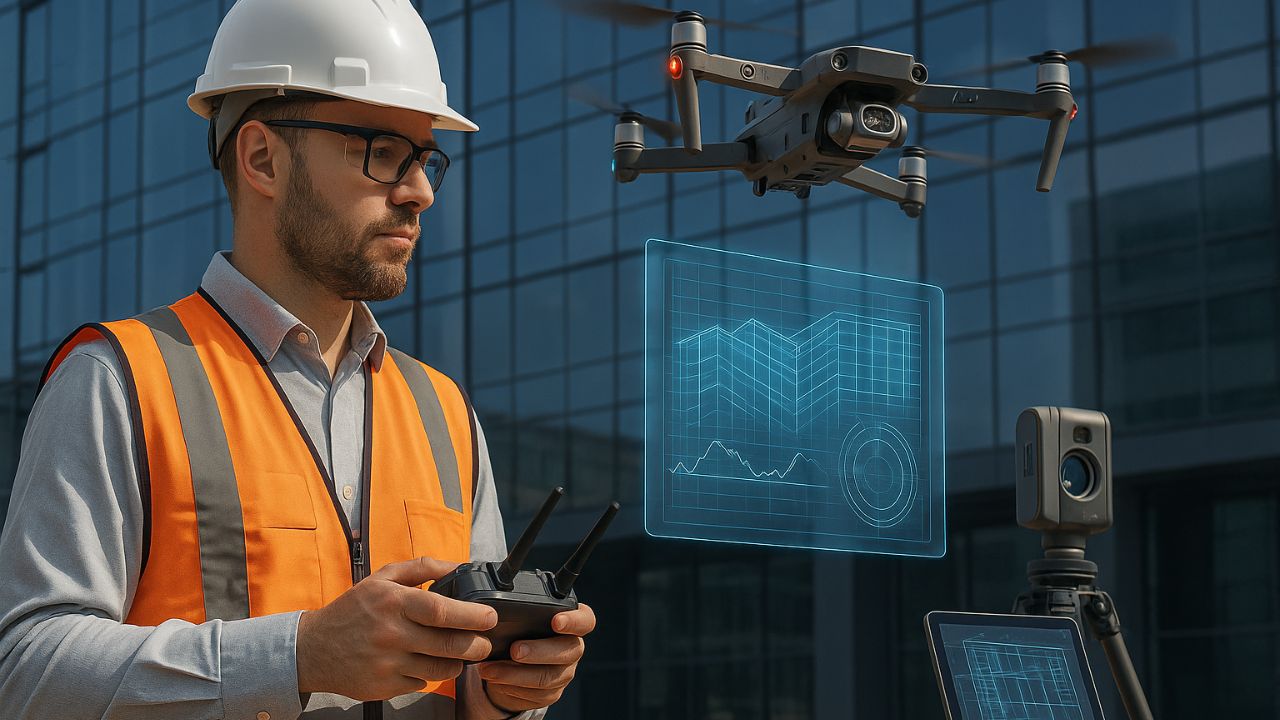
Tools Such as Drones, Ultrasonics, and Resonance Are Already Transforming Building Inspections in Brazil
Forbee Engenharia is leading a real turnaround in the construction sector by adopting innovative technology-based solutions for building inspections. With the use of cutting-edge equipment such as thermal and underwater drones, magnetic resonance, and ultrasound, the company is modernizing structural diagnostics, enhancing safety, precision, and efficiency in construction projects.
Technological Innovations Gain Ground in Building Inspections
The integration of new technologies in the construction sector is moving from trend to fast-paced reality. According to an article published in Terra, Forbee Engenharia has begun using methods such as magnetic resonance, ultrasound, and special drones to conduct inspections in buildings of all sizes. The goal is to anticipate structural problems and reduce the need for invasive interventions, ensuring greater durability and safety for properties.
In an interview with Terra, Giovanni Fermino, director of Forbee, explained that the equipment allows for the identification of wear and failures in the early stages. “With these diagnostics, we can plan repairs with precision, optimizing costs and extending the lifespan of constructions,” he stated. The use of these technologies reflects a more modern and assertive approach that reduces the impact of corrective works and favors sustainability in the construction sector.
-
A megaproject worth R$ 89 billion is advancing in Iraq and promises to change the game in global trade by creating a new corridor between Asia and Europe, reducing traditional routes and repositioning the country as a logistics powerhouse.

-
Goodbye bedside table: floating shelves become a trend in 2026 by freeing up space in the bedroom, improving circulation, bringing visual lightness, and integrating technology without taking up floor space.

-
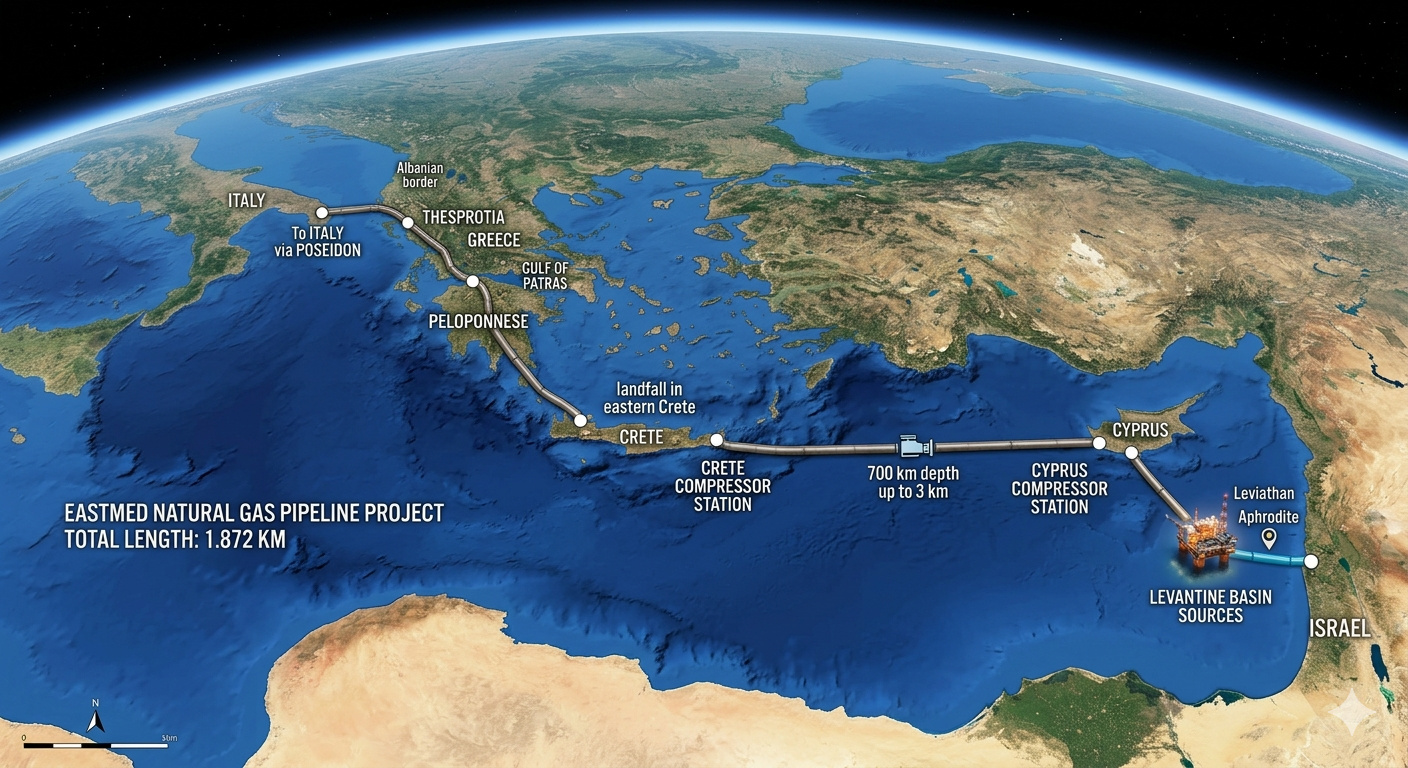
Israel, Greece, and Cyprus signed an agreement in 2020 to transport gas from the Mediterranean to Europe via a 1,872 km pipeline, but Turkey claimed sovereignty over part of the maritime route, and the project never materialized.
-
Israel, Greece, and Cyprus signed an agreement in 2020 to transport gas from the Mediterranean to Europe via a 1,872 km pipeline, but Turkey claimed sovereignty over part of the maritime route, and the project never materialized.

Technology and Construction: A Strategic Combination for the Future
Among the most utilized resources by Forbee is the technology of thermal and underwater drones. The thermal models are used to identify temperature variations in structural components, which facilitates the detection of flaws in insulation systems or thermal overload. Meanwhile, underwater drones are employed in hard-to-reach areas, such as pools and reservoirs. Ultrasound inspection, in turn, is ideal for finding corrosion and internal anomalies in concrete and steel, without needing to break structures.
These practices not only make diagnostics more accurate but also reduce response time for maintenance. According to estimates cited by the CBIC (Brazilian Chamber of Construction Industry), the sector is expected to grow by 3.5% in 2024, driven by technological improvements and strong performance in the real estate market. Globally, data from the consultancy ResearchAndMarkets indicates that the building inspection services market may grow by over 10% per year until 2027.
Sustainability and Economy Stand Out with the Use of Technology
The digitalization of the construction sector benefits not only large projects. Residential, commercial, and even industrial properties are being evaluated more efficiently thanks to the use of cutting-edge technology. This allows problems to be resolved early and at lower costs, directly contributing to the preservation of buildings. According to Terra, this innovation also represents significant savings for managers and building superintendents facing constant maintenance challenges.
Engineering’s Bet on Technology as a Competitive Advantage in Construction
The work of Forbee Engenharia demonstrates how technology can become a competitive advantage in the construction sector. The company not only adopts the equipment but also invests in training teams to handle new tools, promoting a cultural and operational transformation within the sector. Thus, what was once seen as a cost is now understood as a strategic investment.








Seja o primeiro a reagir!