





 Portuguese
  English
  Spanish
  5 min of reading
  0 comments


Discover How New 3D Printing Technologies Can Transform Space Energy by Enabling the Manufacturing of Solar Panels Directly in Earth’s Orbit Between 2025 and 2027
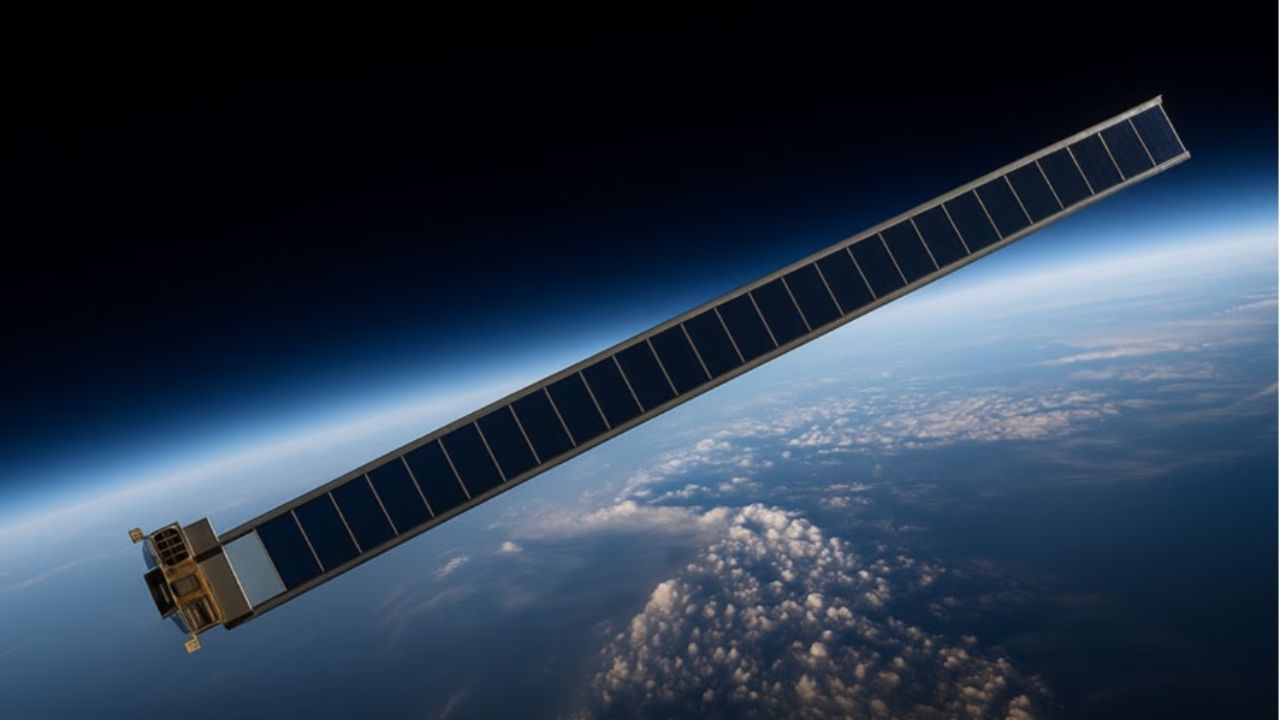
A new European space project promises to transform the way we capture clean energy. The German startup DCUBED has made significant advancements in developing a technology capable of manufacturing solar panels directly in Earth’s orbit, using 3D printing as a method of structural assembly in space.
The proposal, revealed in a report published by Olhar Digital this Thursday (4), aims to inaugurate an era in which space energy can be produced continuously, efficiently, and sustainably. As a result, this concept could reduce costs and enable the operation of satellites, space missions, and solar energy systems that do not rely on the terrestrial environment.
Solar Panels for Space Energy Must Be in Orbit by 2027
Right at the beginning of the announcement, the company emphasized that the goal is to start the first tests as early as 2025, gradually progressing until 2027, when the manufacturing of a panel of up to 2 kW in orbit is expected.
-
Roraima bets on the sun to escape high tariffs: Amid the energy crisis and price hikes, solar energy is growing in Roraima and transforming consumption in the North region.
-
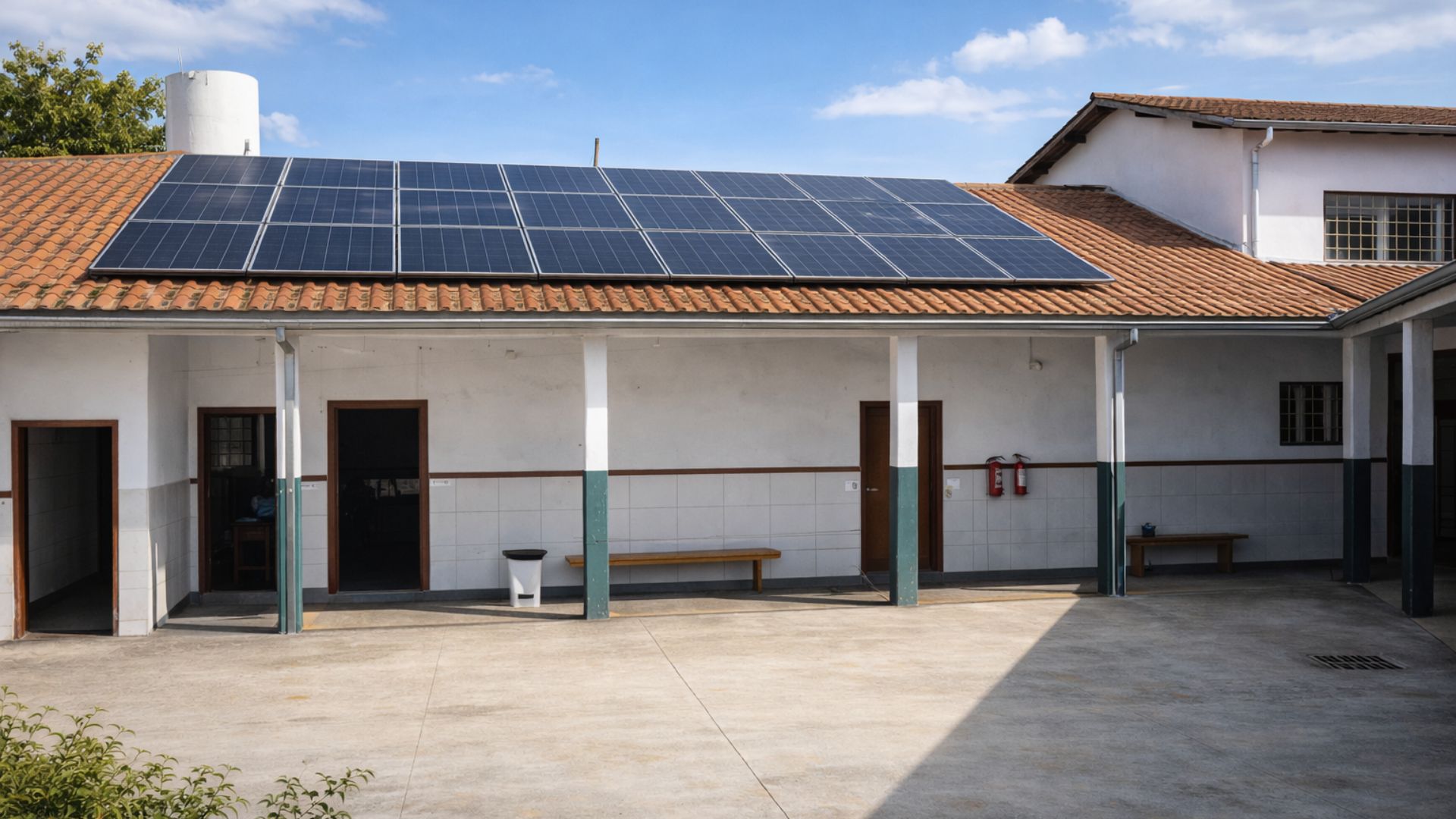
Copel boosts solar energy in Paraná and brings innovation to public schools, promoting savings on electricity bills, energy efficiency, and a direct impact on the quality of education.
-
Brazil reaches historic milestone in solar energy: Sector surpasses 2 million accumulated green jobs and generates billions in the national economy even under market pressure.
-
Minas Gerais takes the lead in renewable energy: State surpasses historic mark of 14 GW in solar energy generation in MG and consolidates dominance in the Brazilian electric sector.
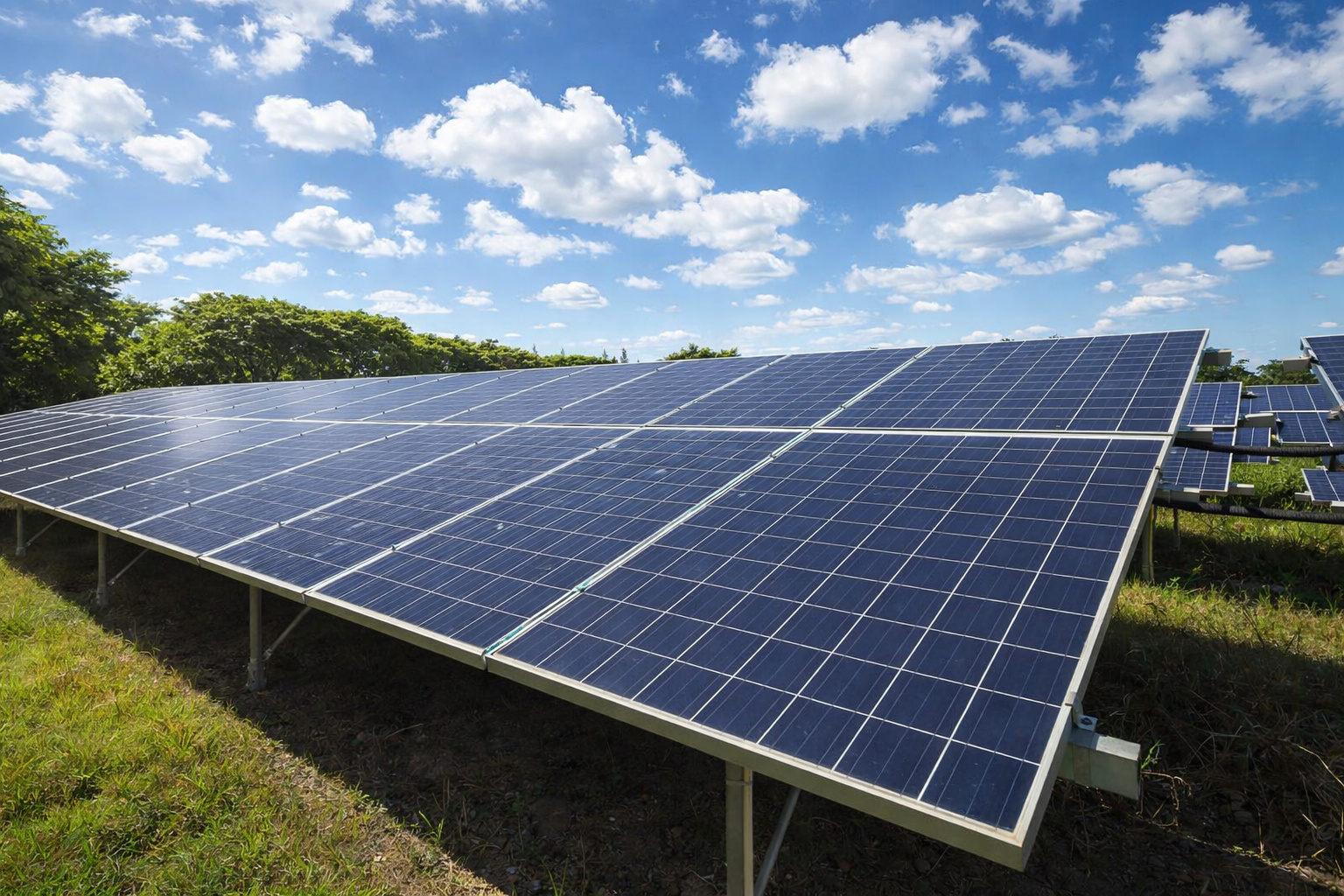

This is an advancement that could redefine energy generation beyond Earth, according to those responsible for the project. The solution promises to overcome limitations that have been present for decades in the aerospace industry, especially the difficulty of sending large rigid structures into space.
Thus, the technology has the potential to make solar energy production beyond the planet more accessible and efficient. Furthermore, it could theoretically reduce fuel consumption during launch, as the modules would be assembled after arriving in space.
Why Manufacturing Solar Panels in Orbit Could Revolutionize Space Energy
Manufacturing panels in space offers significant technical and economic advantages. Without the atmosphere as a barrier, solar radiation arrives with constant intensity during nearly the entire orbital period, which means greater energy efficiency. Panels produced directly in Earth’s orbit can capture sunlight continuously, without variations caused by weather, clouds, or periods of low brightness.
Another central benefit is architectural freedom. Structures printed in orbit do not need to follow limitations imposed by rocket transportation, allowing for larger, lighter, and optimized panels.
This advancement could also reduce the mechanical complexity of traditional satellites that rely on foldable structures vulnerable to failures. 3D printing eliminates moving mechanisms and makes construction more robust, as the material hardens when exposed to vacuum and ultraviolet radiation.
This means that scientific missions, navigation systems, and communication platforms can operate with greater safety and stability, something essential for the expansion of the space sector in the coming decades.
How 3D Printing Technology Works in Space
DCUBED developed the ARAQYS Solar Array system, which utilizes an ultra-flexible photovoltaic blanket. It is sent rolled up in the rocket and, upon reaching space, is unrolled in a microgravity environment. At this moment, the printing technology comes into play, responsible for creating a rigid frame around the panel.
The process works like this:
- The photovoltaic blanket is stretched in space.
- A 3D printing unit applies a structural polymer over specific parts of the blanket.
- The material hardens due to direct solar radiation.
- The resulting structure forms a rigid, lightweight, and resilient panel.
This method drastically reduces the volume required during launch. Moreover, it eliminates common risks of hinges and opening mechanisms found in conventional satellites.
“Assembling in space means designing for space”, summarizes the technical team of the startup — a phrase that encapsulates the focus on solutions conceived for the orbital reality and not adapted from the terrestrial environment.
Solar Panels and Energy Production in Earth’s Orbit: Impacts for the Space Sector
The ability to produce energy systems directly in space could accelerate the development of various areas:
Expansion of Satellites and Long-Duration Missions
With more energy available, scientific satellites can operate more complex instruments, while exploration vehicles have extended autonomy.
Reduction of Operational Costs
The absence of opening mechanisms makes spacecraft simpler and cheaper. Thus, more companies can invest in their own missions.
Infrastructure for Orbital Stations
With panels built in space, future stations could grow modularly, without relying on large launches.
Path to Energy Transmission to Earth
Still under study, this concept involves sending energy captured in space via micro-waves to terrestrial receivers. Although the technology is still in its early stages, the direct production of panels in orbit is an essential step.
Real Challenges for 3D Printed Space Energy
Despite the advancement, experts point out significant obstacles:
Resistance to the Space Environment
The vacuum and intense radiation still pose risks to synthetic materials. Researchers need to ensure that the printed polymer maintains rigidity for years.
Launch Costs Remain High
Despite the technology reducing volume, it is still necessary to transport raw materials into space. Every kilogram sent increases the project’s cost.
Need for Advanced Robotics
3D printing in microgravity requires absolute precision. Small errors can compromise the entire structure.
Lack of International Regulation
The production of solar energy in space involves legal issues, especially if there is transmission to Earth.
Even so, the consensus among researchers is that the barriers are solvable. In many cases, advancing technically means only testing and refining operations in a real environment.
Relevance of the Project for the Future of Energy Beyond Earth
The development of solar panels manufactured in Earth’s orbit using 3D printing represents a new frontier in space engineering. This type of technology allows for the conceptualization of self-sufficient satellites, long-range energy systems, and eventually even orbital power plants capable of operating without interruptions.
“Energy in space does not depend on night, weather, or geography” — this is one of the phrases that best defines the project’s potential. At a time when the global demand for electricity is rising and sustainable solutions are becoming essential, space energy initiatives gain prominence and open new possibilities for the sector.
DCUBED aims to demonstrate by 2027 that manufacturing structures beyond Earth is more than a futuristic idea. It is a concrete solution, aligned with the global trend of producing systems directly in the environment where they will be used. If the plan is successful, manufacturing in orbit could redefine space exploration, scaling up scientific missions and enabling new models of commercial operation.









Seja o primeiro a reagir!