





 Portuguese
  English
  Spanish
  4 min of reading
  0 comments


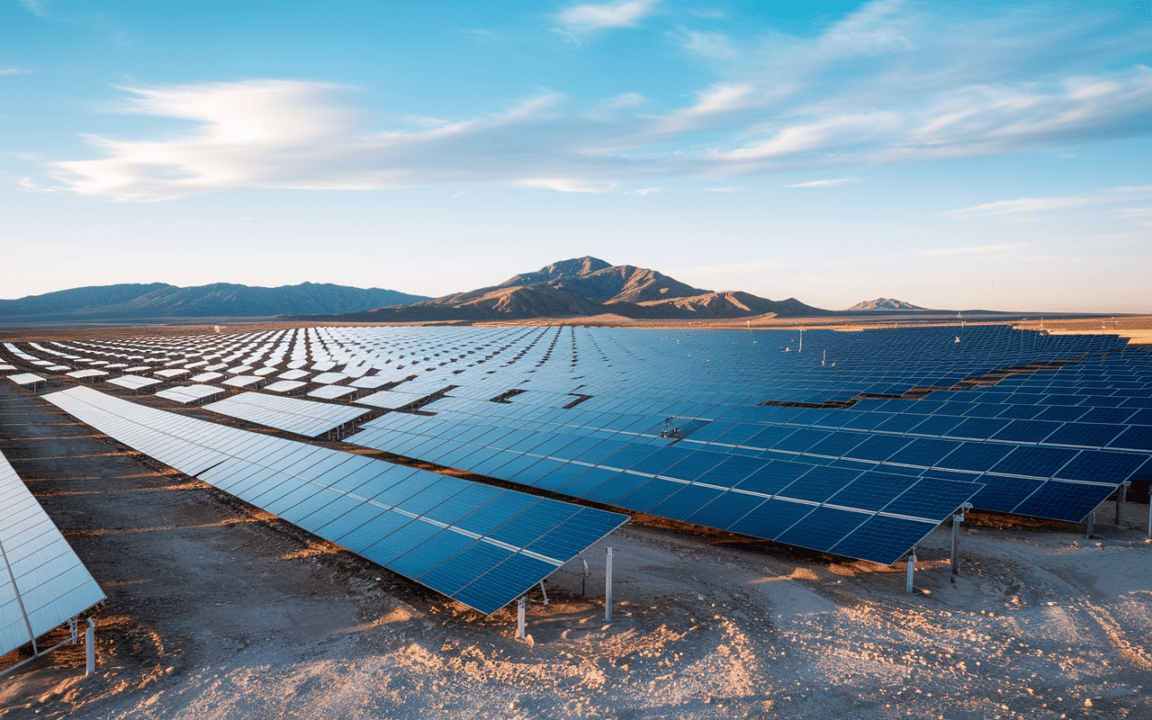
New Device Integrates Solar Cells and Supercapacitors, Allowing for Efficient Capture and Storage of Solar Energy Even Without Constant Sunlight, Boosting the Use of Renewable Sources.
The search for more efficient ways to store energy from renewable sources has been advancing at a rapid pace. One of the major challenges in the sector has always been finding effective ways to capture and store solar energy so that it can be used even when the sun isn’t shining. Now, scientists have taken an important step in this direction with the development of a device that combines high-performance solar cells and supercapacitors.
The new system is the result of research led by scientists from South Korea and promises to improve the way solar energy is stored for later use. With a combination of technologies, the device is designed to capture sunlight and store energy quickly, durably, and efficiently.
How the New Energy Storage Device Works
The innovation lies in the combination of silicon solar cells with a supercapacitor designed with materials that optimize storage performance. While solar cells convert sunlight into electricity, the supercapacitor stores this energy, releasing it when needed.
-
The Sol do Agreste Photovoltaic Complex begins operations in Pernambuco and accelerates the expansion of solar energy in Brazil, directly impacting the reduction of emissions and strengthening the sustainable energy matrix.
-
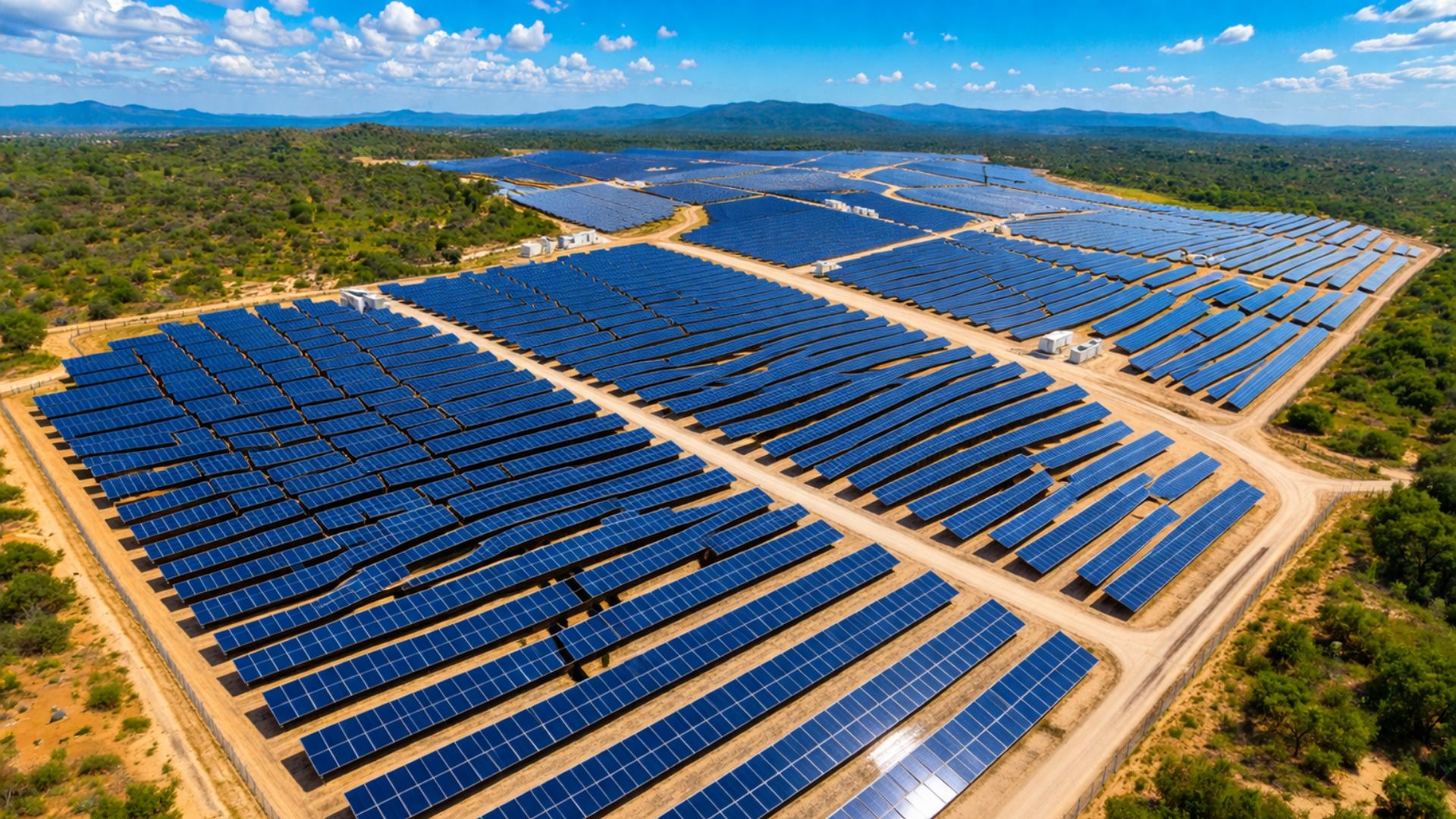
The Sol do Agreste Photovoltaic Complex begins operations in Pernambuco and accelerates the expansion of solar energy in Brazil, directly impacting the reduction of emissions and strengthening the sustainable energy matrix.
-
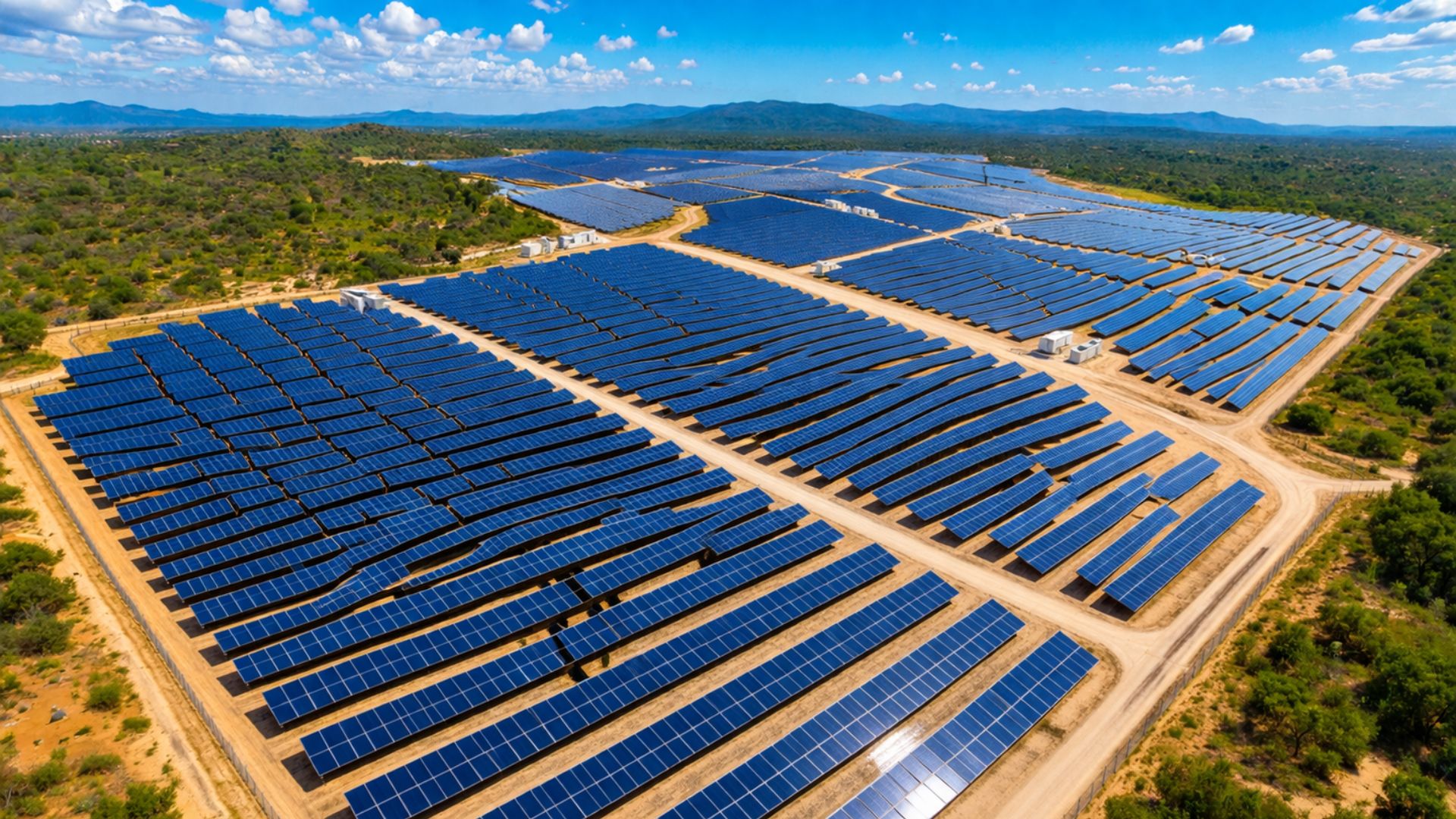
Renewable energy advances over protected areas in Brazil, and a survey by the Energy Transition Observatory reveals silent impacts that challenge environmental conservation and pressure sensitive traditional territories.

-
Rio Grande do Sul accelerates energy transition: State invests in renewable technologies and consolidates decarbonization strategies and pathways to attract billions in new industrial investments.


Supercapacitors have some advantages over traditional batteries: they charge and discharge quickly and have a long lifespan, with thousands of usage cycles. The problem until now was the limited capacity to store large volumes of energy. To address this, scientists created a new type of supercapacitor, using nickel foam as a structural base.
This foam has a broad surface area, ideal for the deposition of metallic compounds that act as electrodes. The three-dimensional structure provides more space for energy storage and facilitates the movement of electrons, increasing the efficiency of the process.
New Materials to Improve Conductivity
During testing, scientists noticed that using nickel ions alone generated a drop in conductivity — an obstacle to the device’s performance. The solution came with the addition of other metallic ions, such as manganese, copper, iron, zinc, and cobalt. These elements formed binary compounds with nickel, increasing the stability and conductive capacity of the material.
The best-performing compound was nickel carbonate with cobalt (NiCo(CO₃)(OH)₂), which demonstrated excellent energy storage capability and resistance to multiple charge and discharge cycles. The developed supercapacitor achieved an energy density of 35.5 watt-hours per kilogram — well above previous models — and a power density of 2,555.6 watts per kilogram.
These figures indicate that the device can not only store more energy but also deliver it quickly when needed. This is especially important in situations where demand is immediate, such as in electronic equipment, electric vehicles, or portable medical devices.
Solar Energy Directly Connected to the System
To test the device’s performance under real conditions, scientists connected the supercapacitor directly to a silicon solar panel, a material widely used in the solar energy industry. The difference of this system is that it does not need intermediate converters: the energy captured from the sun goes directly to the supercapacitor, simplifying the process and increasing efficiency.
The storage efficiency reached 63%, meaning almost two-thirds of the captured solar energy was retained for later use. The overall system efficiency was 5.17%, a value considered promising for an initial project.
An Important Step for the Future of Clean Energy
According to the scientists responsible for the study, this is a significant achievement in the development of sustainable solutions for energy storage. Researcher Jeongmin Kim from the Korea Institute of Science and Technology (DGIST) highlighted that the project represents the country’s first self-charging energy storage device. He emphasized the use of composite materials based on transition metals as key to overcoming the limitations of previous technologies.
Colleague Damin Lee also commented on the team’s next steps. He stated that further research will be conducted to improve the system’s efficiency even more and evaluate its commercialization potential.
The expectation is that, with the evolution of technology, such systems may be used on a large scale, including in areas with limited access to the electrical grid. This includes rural areas, disaster zones, mobile health posts, and even smart clothing and accessories that rely on light and reliable energy sources.
Possible Applications and Environmental Impact
The development of self-charging devices that use solar energy could represent an important advance for both consumers and the environment. As the system eliminates the frequent use of conventional batteries, the amount of waste generated over time can be reduced. By efficiently storing energy, these devices help ensure a more balanced use of natural resources.
The research shows that with innovation and investment in science, it is possible to transform the way we capture and use solar energy. Scientists continue to work to refine these solutions, which could be fundamental for a cleaner, more accessible, and efficient energy future.
Source: The Brighter Side









Seja o primeiro a reagir!