





 Portuguese
  English
  Spanish
  4 min of reading
  1 comment





Toyota Advances In The Automotive Industry, Surpassing BYD And Tesla, With The Launch Of A New Electric Car Promising Independence From Chargers For A Long Period And Offering Up To 184 Hp Of Power.
The automakers have been intensifying efforts to develop vehicles free of polluting emissions. Industry giants like BYD and Tesla have focused on the production of rechargeable electric cars. However, Toyota recently announced a significant innovation for the automotive industry: an electric car that does not need to be charged, promising to compete directly with the current leaders in the electric vehicle segment.
New Electric Car From Toyota Promises To Revolutionize The Automotive Industry


This innovative electric car technology from Toyota could be a milestone in the automotive industry, challenging the dominance of companies focused on electric vehicles.
Its proposal is to be a powerful alternative, changing the competitive landscape among major electric car manufacturers. Currently, automakers are extremely focused on including electric vehicles in their catalogs. This trend, which was initially strongest in Europe and North America, is now spreading globally with the rise of electric vehicles. Toyota, recognized as the largest vehicle manufacturer in the world, has historically lagged in the 100% electric car segment.
-
A French brand placed a car on four huge red balloons to prove that its suspension made the vehicle “float,” and the surreal scene became one of the most iconic and unusual images in automotive history.

-
Jeep Avenger begins production in Brazil, debuting as the brand’s new entry-level SUV and inaugurating an unprecedented phase by becoming the first national Jeep manufactured outside of Goiana, as part of a R$ 3 billion plan.

-
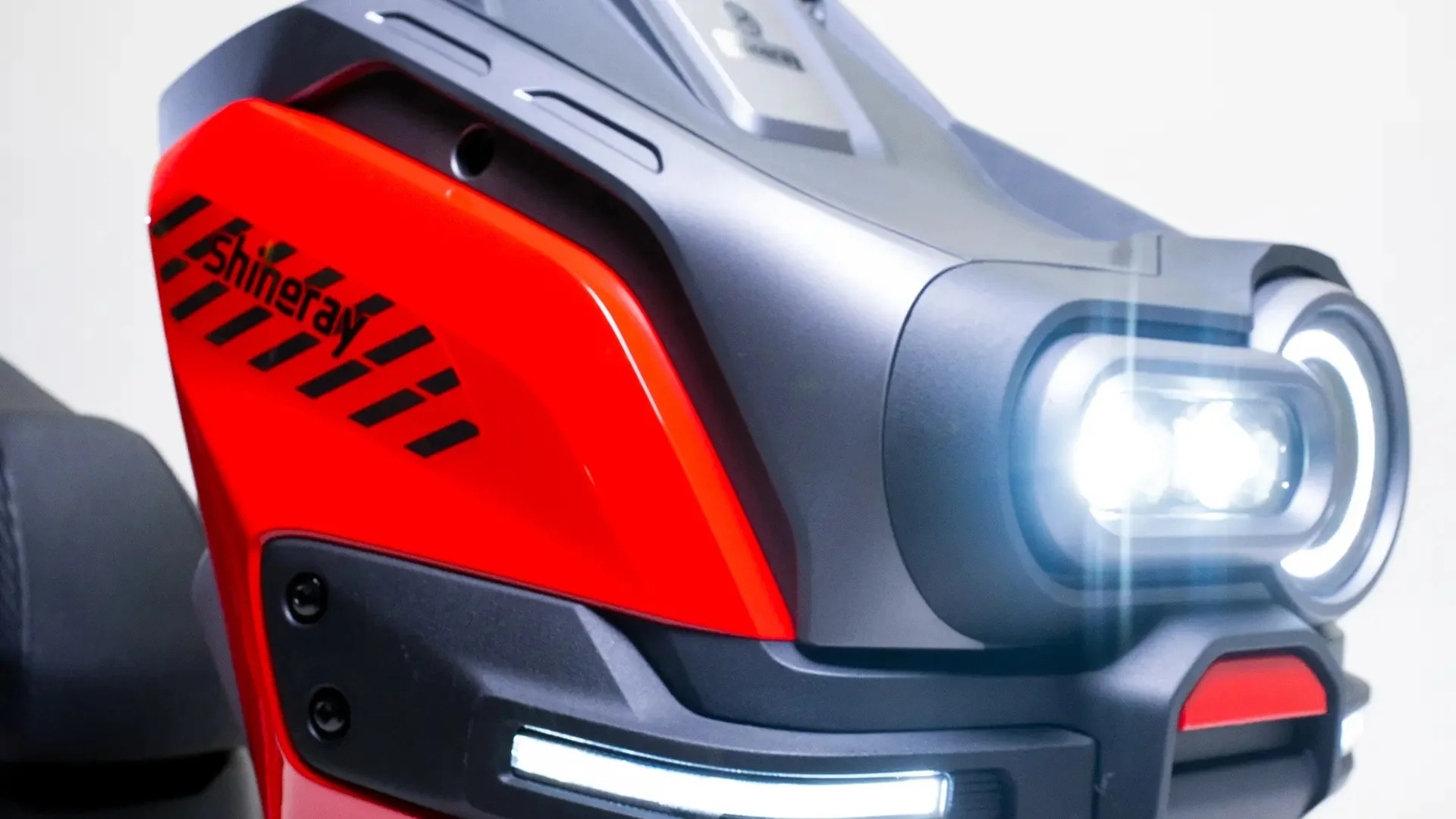
Costing R$ 12,490, the new Shineray Urban Lite 150 “cheap one” arrives in Brazil with a CVT transmission, digital dashboard, and LED lights, making it more affordable than the Biz and targeting those who want to abandon the bus.
-
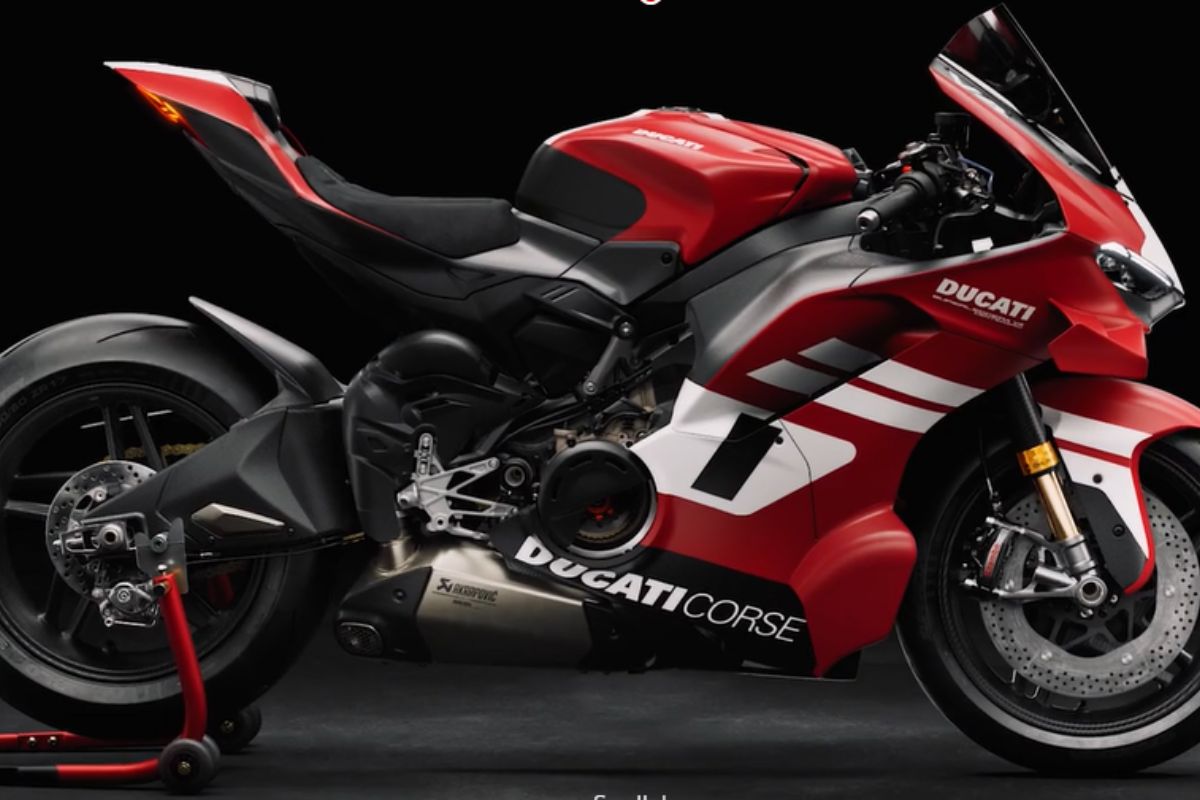
Ducati brings to Brazil the Superleggera V4 Centenario: 228 hp that become 247 with a track kit, carbon fiber and carbon-ceramic brakes, estimated price between R$ 1.5 and 2 million, deliveries only in 2027.

The company was known for its hybrid models, but did not have a strong presence in the pure electric niche. However, with the increasing focus on long-term sustainability, Toyota decided to innovate and developed a revolutionary technology that allows an electric car to move without the need for charging at outlets and without CO2 emissions.
This innovation in the automotive industry places Toyota in a favorable position in the competitive electric market. The most notable example of this innovation is the Mirai, Toyota’s electric car that does not need to be charged, which significantly differentiates it from other electric models available on the market. The model represents not only a technological advance in the automotive industry, but also a milestone in the journey toward a more sustainable and ecological future.
Understand All The Details About Toyota’s New Electric Car
The automotive industry is witnessing a significant transformation, and traditional automakers like Toyota are adopting new technologies to meet the growing demand for more sustainable vehicles.
This movement reflects a paradigm shift in the way we think about mobility and energy. The automotive sector is at the beginning of an exciting new era, and automakers are reinventing themselves by introducing technologies that could well define the future of mobility. The trajectory of BYD, the challenges faced by Tesla, and Toyota’s innovation with the Mirai are indicative of this new era.
The Toyota electric car stands out for its sophisticated interior, using only high-quality materials. It offers a spacious environment, comfortably accommodating five adults in terms of equipment.
The Toyota utilizes BYD’s advanced ‘Blade’ technology in the bZ3, characterized by cells divided into thin blades. This innovation results in 50% more energy storage compared to traditional batteries, in addition to providing greater safety for the vehicle due to its fire-resistant properties.
The improved efficiency in terms of energy density guarantees the electric vehicle (EV) an impressive range of over 600 km, according to Toyota’s estimates. A notable point is the durability of the battery system: even after a decade of use, the bZ3 maintains 90% of its maximum capacity, demonstrating the longevity and reliability of the technology.

The variety is impressive, with front seats that have electric adjustments, heating and ventilation, keyless entry, wireless smartphone charging, three-zone digital climate control, a high-quality JBL sound system, a joystick-style gear lever, electronic parking brake, configurable LED ambient lighting, and a multifunction steering wheel.
New Electric Car From Toyota Delivers 184 Horsepower
The Toyota electric car represents a significant milestone in the development of vehicles powered by clean energy with a particular focus on using hydrogen as a renewable energy source. This model is a remarkable example of how automotive technology can contribute to a more sustainable and environmentally friendly future in the automotive industry.
The front electric motor of the Toyota electric car is a feat of advanced engineering, producing 184 horsepower and a torque of 3.5 kgfm. This motor is powered by an innovative battery system that has a capacity of 1.24 kWh. What makes this system particularly remarkable is that it does not require connection to an external power source for recharging.










Eu, havia pensado da mesmo modo.
Baseado em step motors dos anos 70, que tinham caixa de reduzir velocidade, fiz um croqui para entender, Como seria um carro movido por eletricidade. Inclusive, com autonomia de recarga, estando o carro em movimento.