





 Portuguese
  English
  Spanish
  5 min of reading
  0 comments


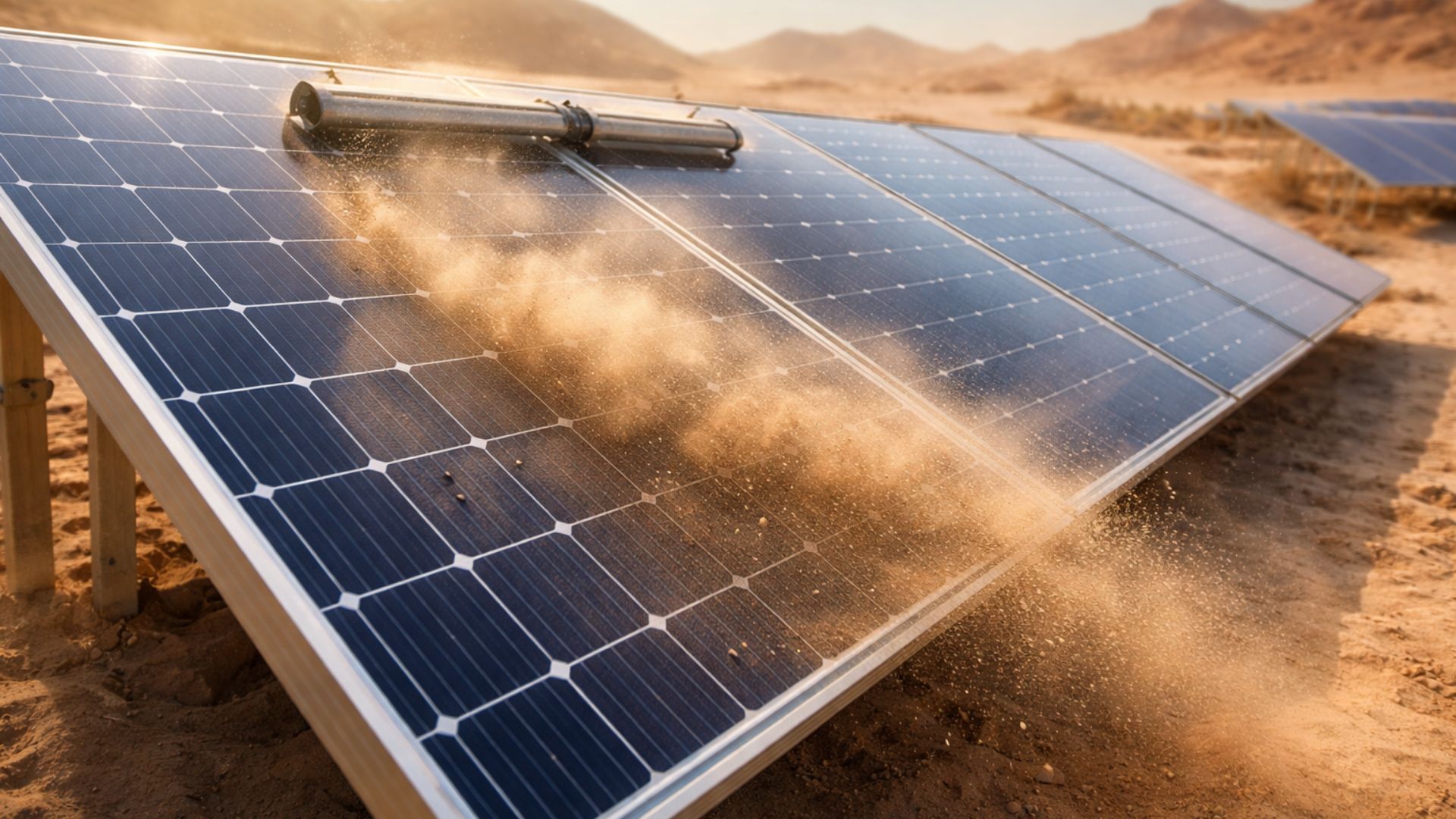
Biometric Technology Promises to Broaden Photovoltaic Generation to Clean Solar Panels Without Water, Reduce Operational Costs and Increase Solar Energy Efficiency Even in Environments with High Dust and Extreme Climate.
A technological innovation promises to transform the performance of solar panels, especially in desert regions and areas with high dust concentration. According to an article published by Portal Xataka on December 30, inspired by the natural functioning of trees, the solution allows photovoltaic modules to clean themselves automatically through controlled vibrations, without water and without human intervention. The advancement helps mitigate one of the biggest obstacles of solar energy: the loss of efficiency caused by accumulated dirt.
The Challenge of Dust on Solar Panels in Arid Regions
Tests conducted in Egypt confirmed significant performance gains, reduced operational costs, and greater stability in electricity generation. In a global scenario of accelerated solar energy expansion, the technology emerges as a strategic alternative to increase the economic and environmental viability of projects.
The adoption of solar panels is consistently growing worldwide, driven by the quest for energy independence and emission reduction. However, in dry regions, dust and sand accumulate rapidly on the modules, reducing solar radiation input.
-
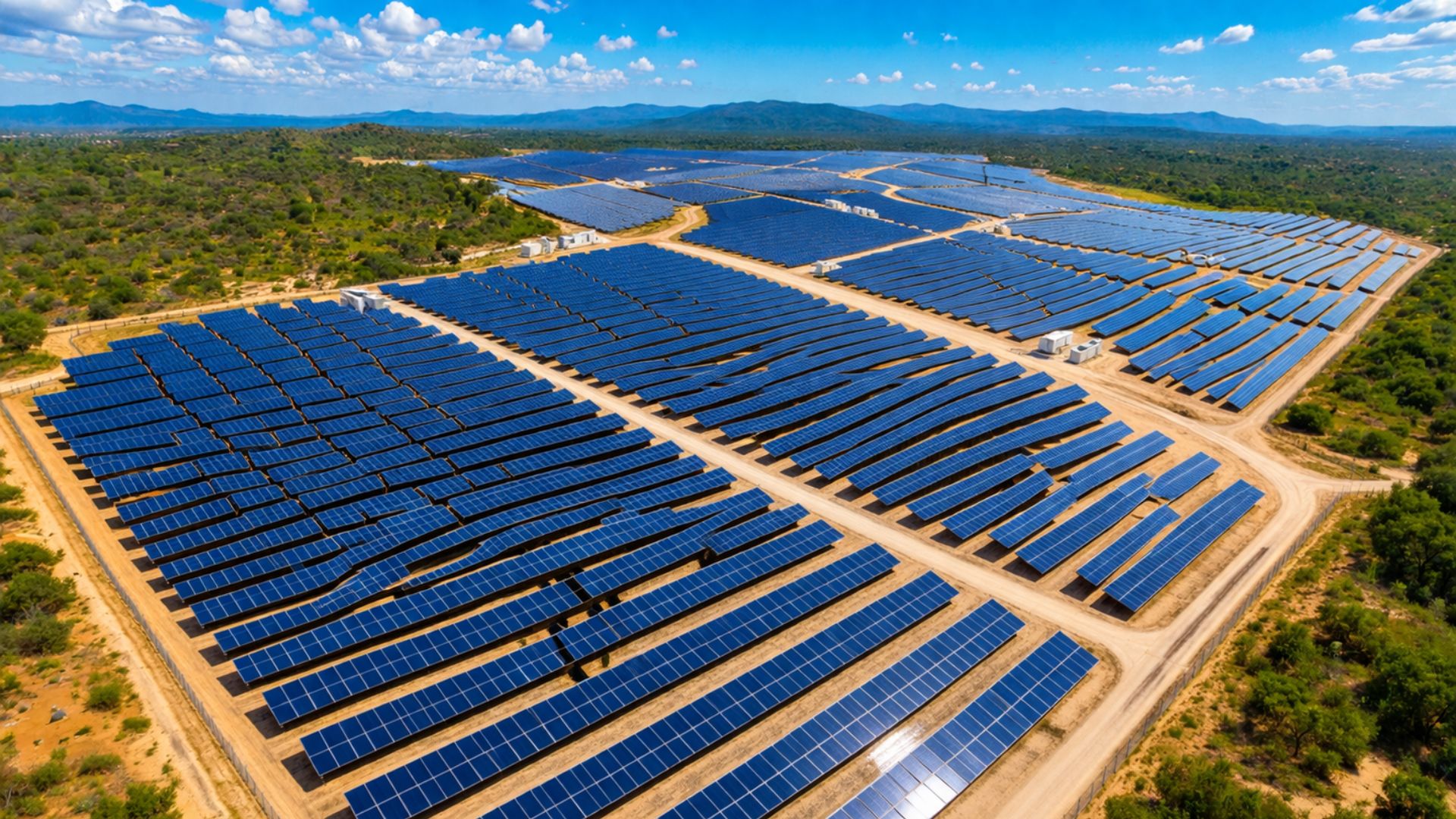
The Sol do Agreste Photovoltaic Complex begins operations in Pernambuco and accelerates the expansion of solar energy in Brazil, directly impacting the reduction of emissions and strengthening the sustainable energy matrix.
-
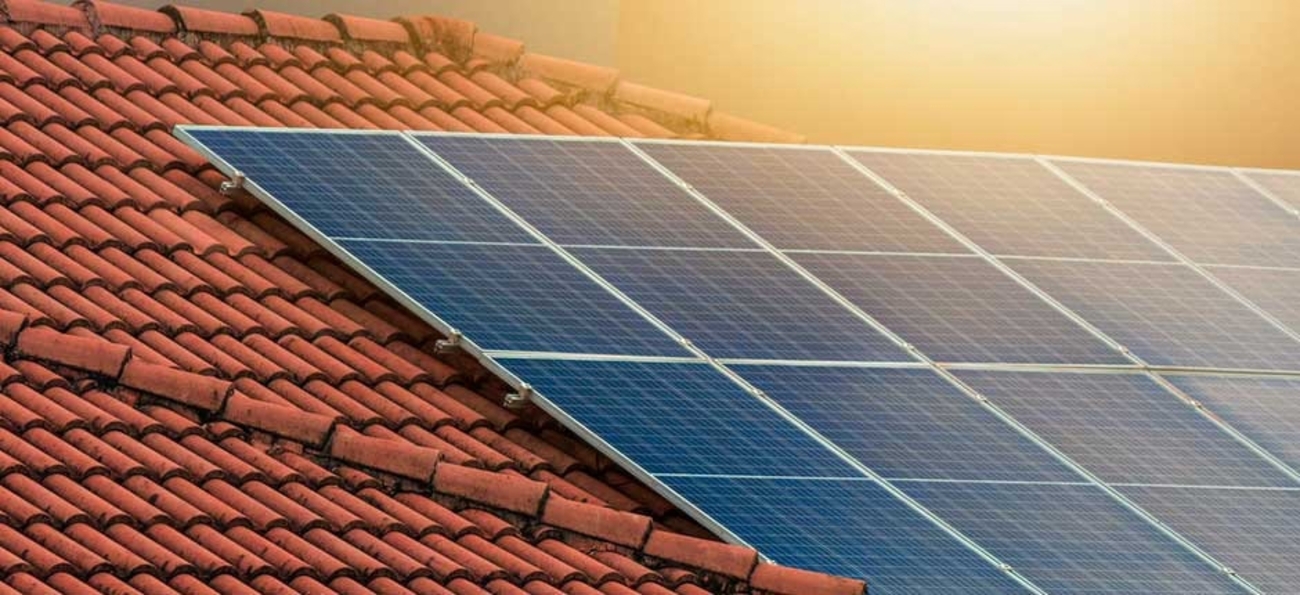
Roraima bets on the sun to escape high tariffs: Amid the energy crisis and price hikes, solar energy is growing in Roraima and transforming consumption in the North region.
-
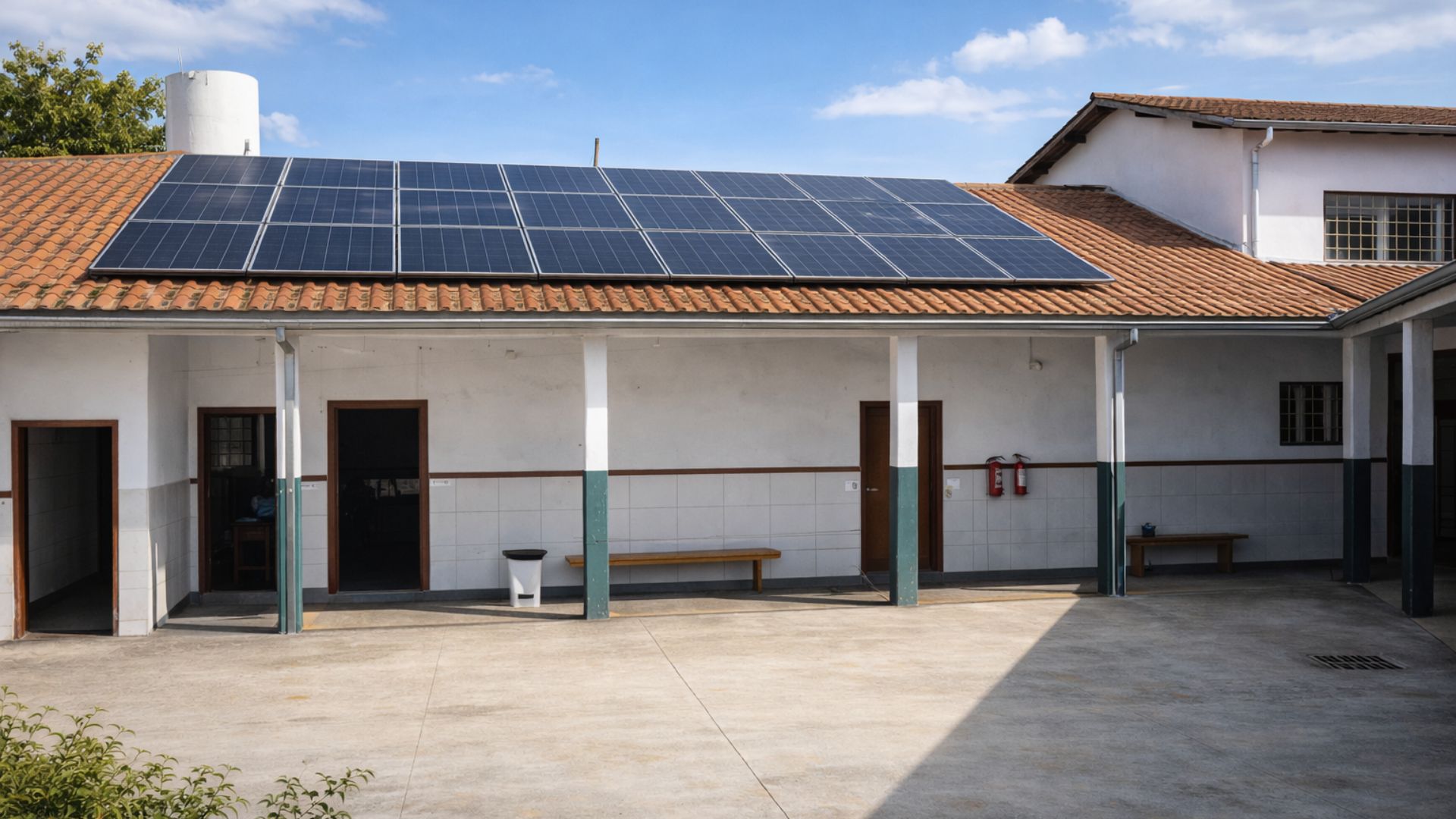
Copel boosts solar energy in Paraná and brings innovation to public schools, promoting savings on electricity bills, energy efficiency, and a direct impact on the quality of education.
-
Brazil reaches historic milestone in solar energy: Sector surpasses 2 million accumulated green jobs and generates billions in the national economy even under market pressure.
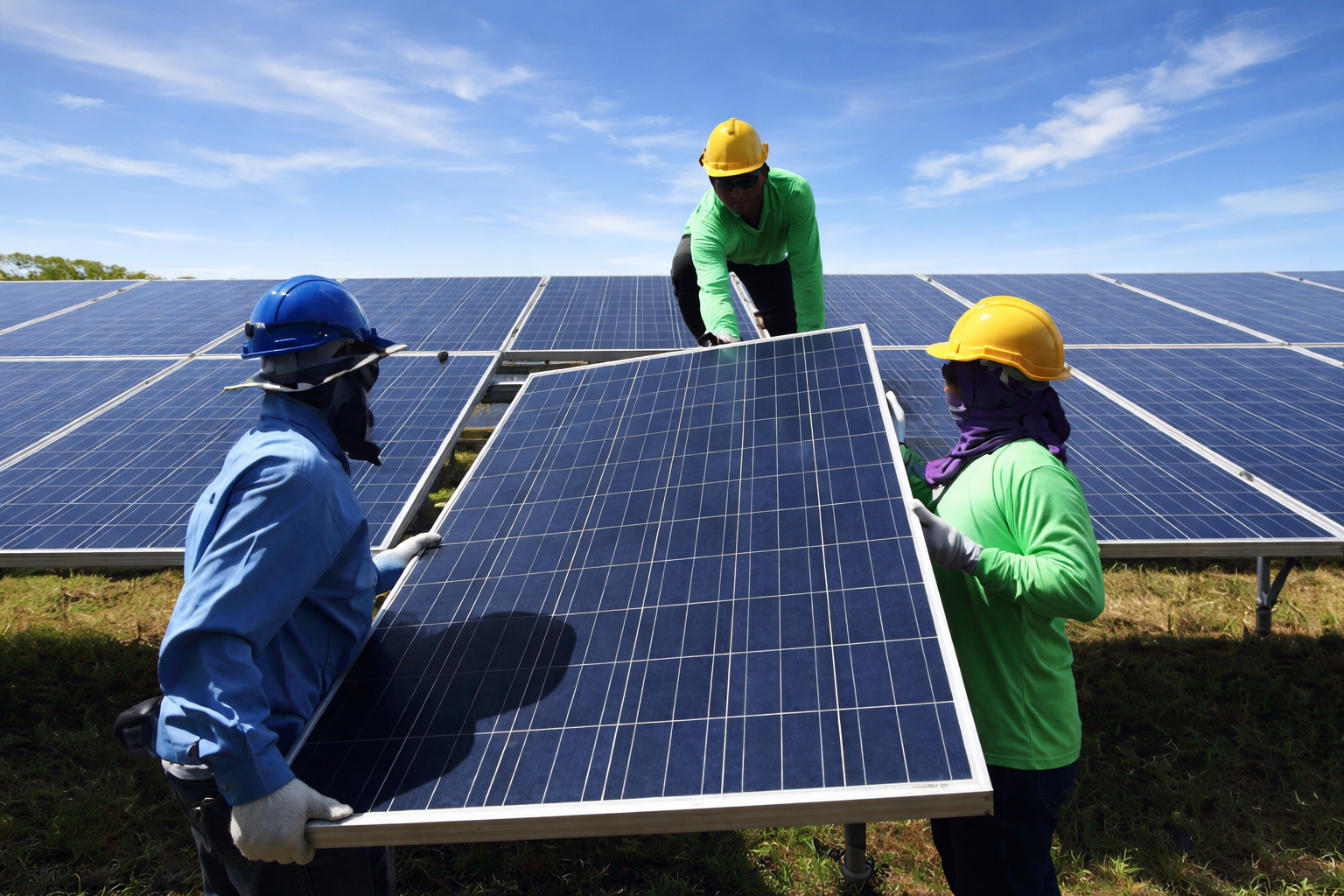

In desert environments, this accumulation can occur in just a few days. As a result, system efficiency drops significantly, compromising production and financial returns. Without regular cleaning, losses of over 30% can occur in a few weeks, according to data observed in field tests. Furthermore, manual cleaning requires water, labor, and constant logistics, which increases operational costs and limits the expansion of solar energy in remote areas.
Trees as Inspiration for a New Generation of Solar Panels
In light of this scenario, researchers led by Mohamed Salama Abdel-Hadi from the Faculty of Engineering and Materials Science decided to observe nature. The leaves of trees are capable of shedding dirt naturally, even in dry climates, thanks to small vibrations caused by the wind.
This phenomenon served as the basis for the development of a technology based on biomimetics. The idea was simple and efficient: to make solar panels mimic the behavior of leaves, expelling dirt without the need for conventional cleaning.
Biomimetics Applied to Solar Energy Efficiency
Biomimetics consists of applying natural principles to engineering solutions. In this case, the concept was adapted to create solar panels capable of staying clean autonomously.
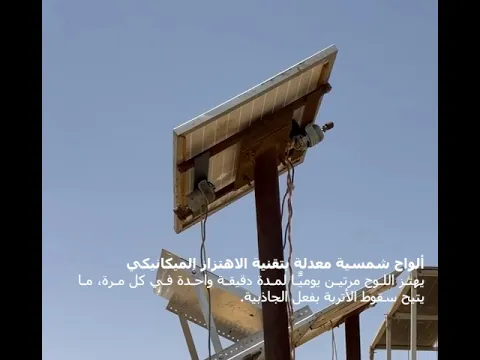
The active system developed by researchers uses a small motor attached to a counterweight. This mechanism generates gentle vibrations that travel across the panel, causing dirt to detach and fall by gravity. Everything happens without water, brushes, or human effort.
The activation is controlled by an intelligent system, usually activated twice a day, during periods of highest particle accumulation. The energy needed can come from a battery or from the panel itself, with no significant impact on generation.
Practical Results of the Tests with Solar Panels in Cairo
The initial tests were conducted in Cairo under real conditions of exposure to sand and high temperatures. During the tests, a conventional panel showed a loss of about 33% efficiency after six weeks without cleaning.
In contrast, the solar panels equipped with the tree-inspired technology experienced only a 12.9% loss in the same period. The difference represents a significant productivity gain, especially relevant for large-scale plants and solar energy projects in extreme regions.

Cost Reduction and Increased Competitiveness of Solar Energy
In addition to the technical gain, the economic impact is significant. In large installations, constant cleaning represents one of the highest operational costs. In Egypt, for example, keeping around 200 solar panels clean can cost over 40,000 Egyptian pounds per month.
With the automatic system, manual cleaning becomes necessary only every two to three months. This drastically reduces expenses, water consumption, and dependence on labor, making projects more sustainable and competitive in the global solar energy market.
Passive System with Wind Increases Solar Panel Efficiency
The same team developed an even simpler solution, based solely on wind action. In this model, there are no motors or electronic components. The solar panels are installed on flexible supports that naturally vibrate with gusts of air.
A small spring returns the panel to its original position after the movement. The continuous vibration prevents the accumulation of dust, especially during periods of higher wind circulation.
In tests conducted at the German University of Cairo, the system maintained 95% efficiency after six weeks, while fixed panels reached only 75%. Performance varies according to the season, but still far exceeds traditional methods.
Structural Safety and Quick Return on Investment
An initial concern was whether the constant vibration could damage the modules. Structural tests showed that solar panels withstand the movement well, without mechanical or electrical failures.
From a financial perspective, the initial investment can be recovered in less than a year. The increase in generation combined with reduced maintenance ensures a quick return, a decisive factor for investors in medium and large-scale solar energy projects.
Global Impacts of the Technology Inspired by Trees
The positive results have spurred new projects. An additional installation is already being prepared in the Giza region, reinforcing the scaling potential of the technology. The system is flexible and can be adapted to different types of plants, including in isolated rural areas.
By addressing the dirt problem in a simple and efficient manner, the innovation broadens the reach of solar energy in markets previously considered unviable. This is a strategic advancement for the global energy transition, especially in countries with high solar radiation indices.
A New Path for Sustainable Solar Energy Expansion
The technology inspired by trees shows that nature can offer efficient answers to complex challenges. By allowing solar panels to remain clean automatically, the system increases efficiency, reduces costs, and improves the sustainability of projects.
It is a solution that combines science, simplicity, and real impact, strengthening the position of solar energy as a pillar of the energy matrix of the future. In a world seeking clean and resilient sources, innovations like this point to a new path for electric generation on a global scale.








Seja o primeiro a reagir!