





 Português
  Inglês
  Espanhol
  3 min de leitura
  0 comentários



Gasoline, Ethanol, And Diesel Prices Show Slight Retreat
At the start of November, the fuel market in Brazil recorded a downward trend in prices. Recent data released by ValeCard, a renowned company in mobility solutions, shows a decrease in the values of gasoline, ethanol, and diesel. This scenario suggests a positive change for drivers and businesses, considering the constant fluctuations in fuel prices.
Drop in Gasoline Prices
The average price of gasoline fell by 0.32% in the first week of November, settling at R$ 5.862 per liter. This represents a reduction of R$ 0.019 compared to the previous week. States like Acre, Bahia, and Alagoas led this downward trend. Goiás stood out with the lowest price in the country, while Roraima recorded the highest average.
Experts from ValeCard point out that the trend of stability or slight decline in gasoline prices may persist, depending on Petrobras’s pricing policies and external factors influencing global oil prices.
-
Brazilian city gains industrial hub for 85 companies that is equivalent to 55 football fields.

-
Peugeot and Citroën factory in Argentina cuts production by half and opens a layoff program for more than 2,000 employees after Brazil drastically reduced purchases of Argentine vehicles.

-
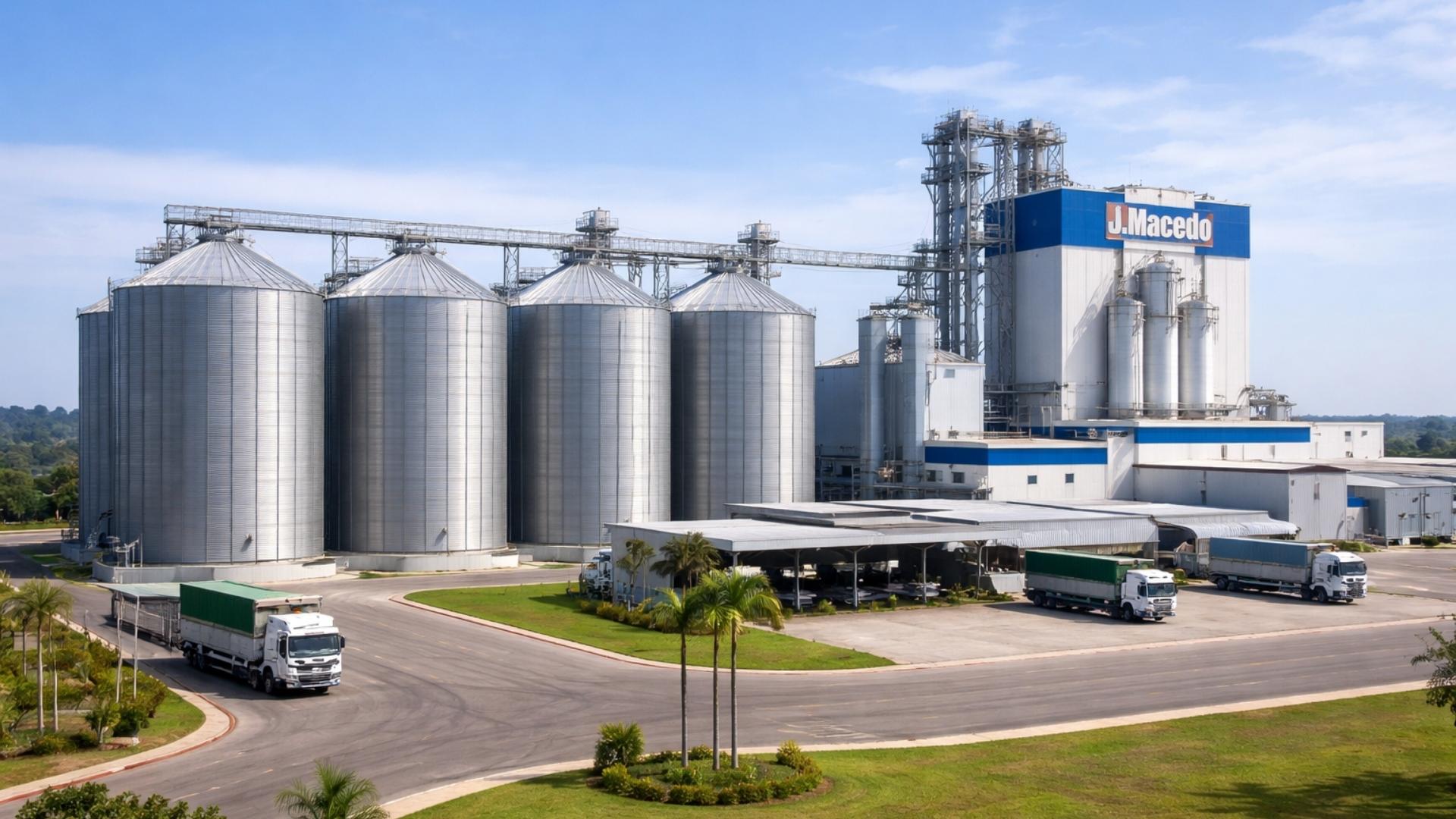
A Brazilian city gains a factory worth R$ 300 million with the capacity to process 200 thousand tons of wheat per year, a mill of 660 tons/day, silos for 42 thousand tons, and an industrial area of 276 thousand m².
-
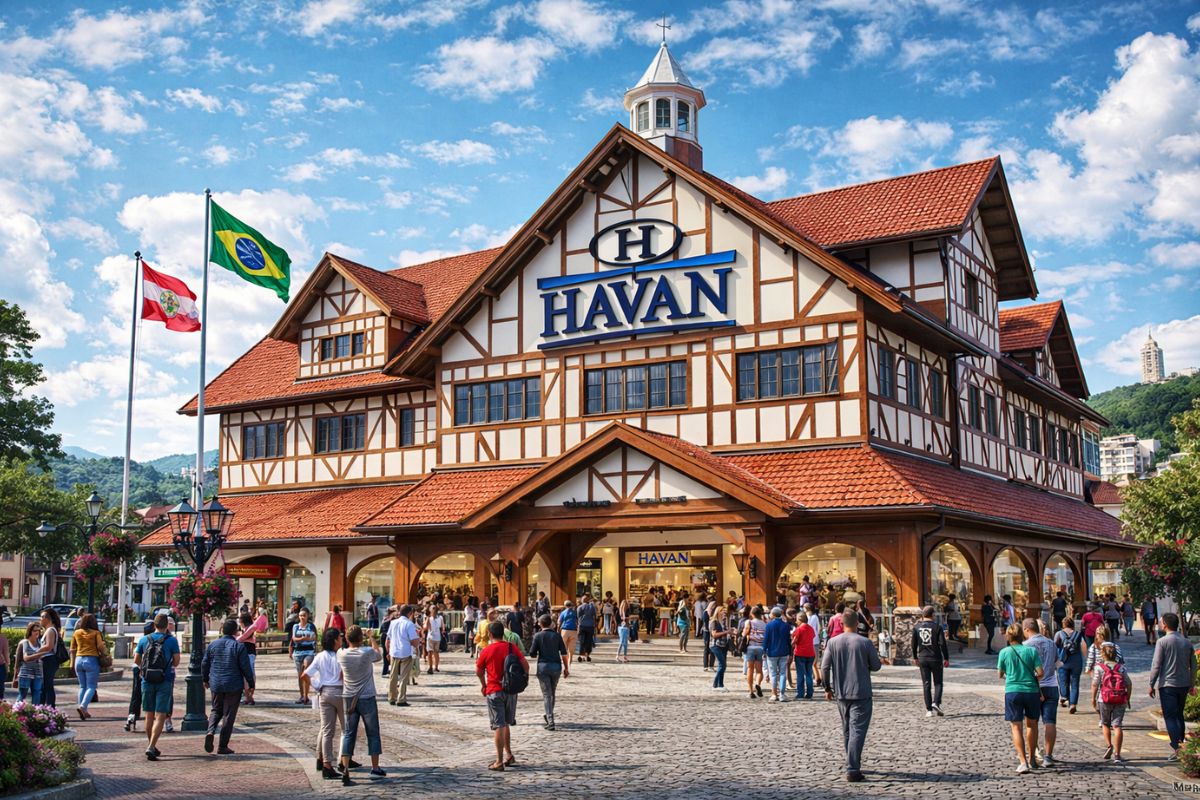
Havan will leave the shopping mall in Blumenau to inaugurate something that the chain has never done before: a megastore in half-timbered style in the Historic Center of the city, which is expected to be completed in May and change the landscape of local retail.

Ethanol Remains a Favorable Option
Ethanol, a renewable and more eco-friendly alternative, also experienced a slight reduction of 0.22%, with the national average price being R$ 3.69 per liter. This makes ethanol a financially advantageous option in 15 Brazilian states for flex vehicles. Goiás again stood out with the most affordable price, while Amazonas had the highest average.
Stability in Diesel Prices
Diesel S-10, the most used in Brazil, maintained its stability with a minimal variation of -0.08%. The national average price was R$ 6.433 per liter. Rio Grande do Sul recorded the lowest value, while Roraima had the highest. ValeCard emphasizes that, despite the current stability, diesel prices may change in response to shifts in Petrobras’s policies and influences from the international oil market.
Impact on Consumer Decisions
Price fluctuations are a crucial factor in drivers’ purchasing decisions, especially for those with flex vehicles. The general rule is that ethanol becomes more advantageous when it costs up to 70% of the gasoline price. In this context, the first week of November proved favorable for ethanol in several states, providing a more economical alternative for consumers.
Market Outlook
ValeCard, through its extensive price monitoring across Brazil, provides valuable insights into the fuel market. With over 1,200 employees and a broad network of clients and accredited establishments, the company positions itself as a reliable source of information for drivers and businesses looking to optimize their fuel expenses.
Conclusion
Variations in fuel prices directly impact consumers’ wallets and companies’ operations. Following these trends is essential for financial planning and making informed decisions. With the slight decline observed in the first week of November, the fuel market in Brazil shows signs of possible stabilization, although subject to international factors and local policies.
Source: Gustavo Magaldi.










Seja o primeiro a reagir!