





 Portuguese
  English
  Spanish
  5 min of reading
  0 comments


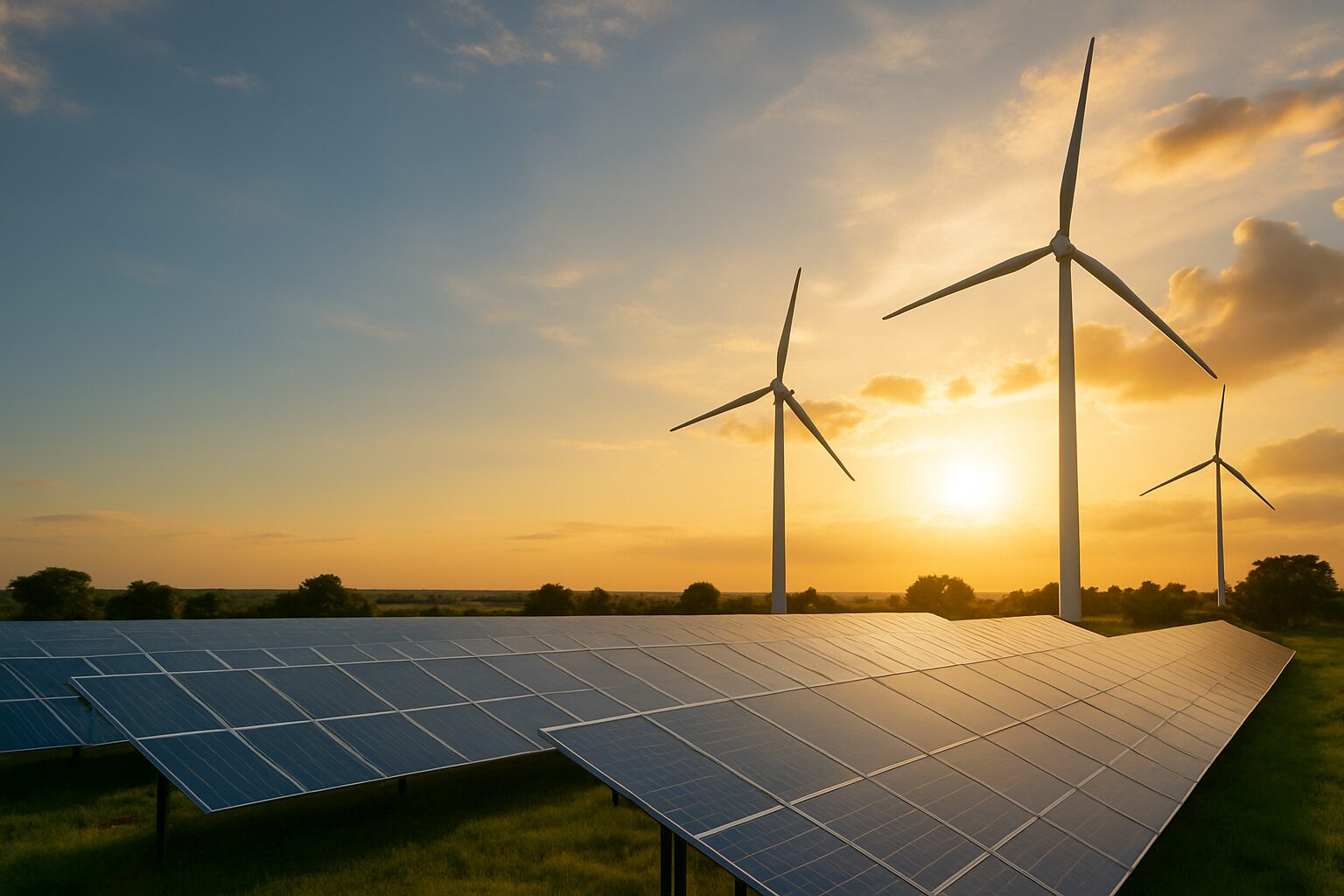
Discover The Main Trends In Renewable Energy And Understand How They Are Transforming The Present And Building A More Sustainable Future For The Planet.
Renewable energy has increasingly gained prominence in the global debate about the future of the planet. Governments, companies, and citizens are increasingly seeking more sustainable ways to produce and consume energy.
To understand the renewable energy trends shaping the present and guiding the future, it is essential to look back and understand how we got here.
Since the Industrial Revolution in the 18th century, humanity has come to depend heavily on fossil fuels.
-
Renewable energy advances over protected areas in Brazil, and a survey by the Energy Transition Observatory reveals silent impacts that challenge environmental conservation and pressure sensitive traditional territories.

-
Rio Grande do Sul accelerates energy transition: State invests in renewable technologies and consolidates decarbonization strategies and pathways to attract billions in new industrial investments.

-
With 160,000 m² of collectors, an area larger than 20 football fields, Silkeborg, in Denmark, hosts a solar thermal plant that heats 19,500 homes and could become the largest solar heating plant in the world.

-
A study reveals the expansion of renewable energy procurement in Brazil and shows how companies are taking advantage of opportunities to reduce expenses, ensure energy efficiency, and strengthen strategic environmental commitments.

Coal, oil, and natural gas have powered factories, transportation, and the entire modern infrastructure.
For many years, these resources seemed inexhaustible, and their efficiency in generating energy fueled economic growth.
However, over time, the environmental impacts became increasingly evident, leading to a reflection on more sustainable alternatives.
The Advancement Of Renewable Technologies
The emission of greenhouse gases, air and water pollution, deforestation, and global warming have become central themes in discussions about sustainable development.
It was then that renewable energy returned to the spotlight, not as a novelty, but as a modern solution based on natural sources that have existed for millennia.
The sunlight, the force of the winds, the movement of water, and the heat from the Earth’s interior have always been present.
But only in recent decades have the technologies evolved sufficiently to allow large-scale utilization.
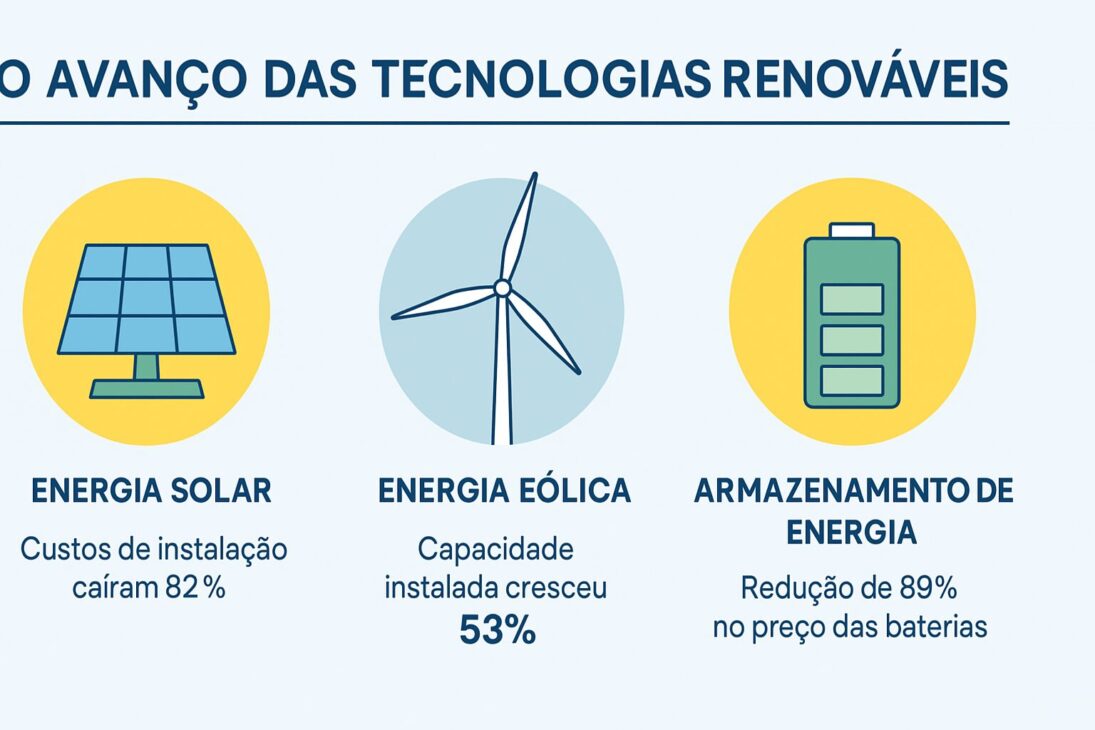
One of the major changes observed is the drop in renewable technology costs. Solar energy, for example, is now one of the cheapest sources in the world in many countries.
This is due to the improvement of photovoltaic panels, mass production, and government incentives that helped make this option more viable for both homes and businesses.
According to the IEA report published in 2020, the installation costs of solar panels fell 82% between 2010 and 2020, highlighting the efficiency and competitiveness of solar energy.
The same occurred with wind energy, which expanded rapidly in regions with great potential for consistent winds, such as northeastern Brazil and southern Europe.
According to data from the Global Wind Energy Council (GWEC), the world’s installed wind energy capacity grew 53% between 2017 and 2020, reflecting the increase in demand and technological innovation in this sector.
In addition, advancements in energy storage have been crucial to expand the use of intermittent sources, such as solar and wind.
This historic advancement in energy storage technology reflects a growing commitment to ensure that the energy transition is indeed effective and accessible.
Decentralization And Energy Autonomy
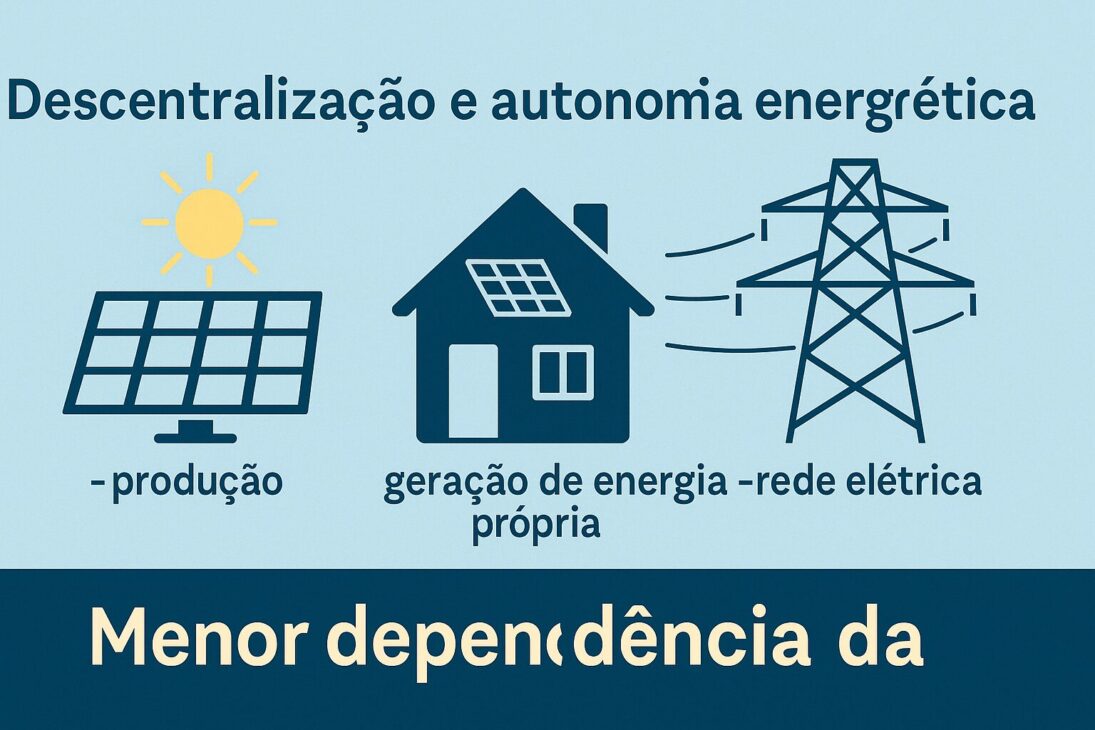
Another important point in the renewable energy trends is the decentralization of production.
Unlike large thermal or hydroelectric plants that concentrate generation in specific locations, renewable sources allow for a more balanced distribution.
This means that homes, condominiums, businesses, and even entire communities can generate their own energy, reducing reliance on the power grid and promoting greater energy autonomy.
This movement, according to the International Renewable Energy Agency (IRENA), is already observed in various regions around the world.
Decentralization is directly linked to the concept of energy transition, which aims to gradually replace fossil fuels with renewable sources that are efficient and have a low environmental impact.
The IRENA estimates that the energy transition will be a process lasting several decades, but that is already visible in the increased adoption of renewable technologies in various countries.
The government of Germany, for example, implemented the “Energiewende” (energy transition) policy in 2010, aiming for a significant reduction in dependence on fossil sources and the adoption of renewable energy.
Germany’s target is to have 80% of its energy come from renewable sources by 2050.
The German policy has become an international model and sparked discussions about the benefits and challenges of this transition.
Sustainability As A Pillar Of The Future
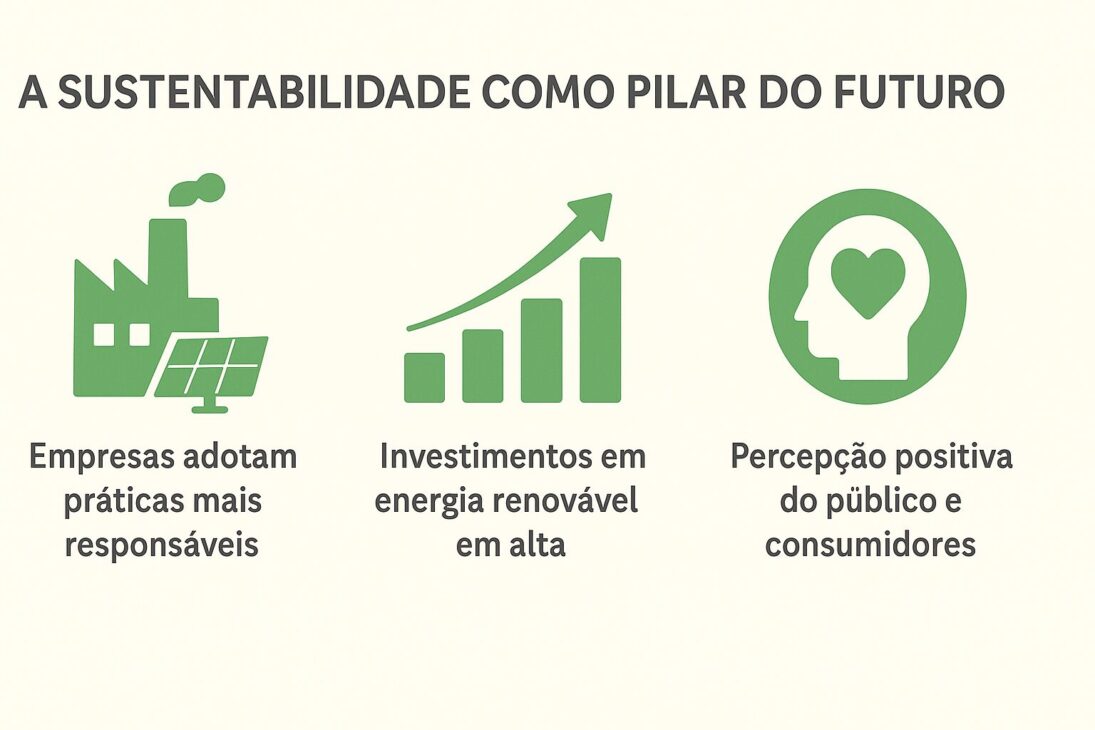
In recent years, the search for sustainability has also motivated companies from various sectors to adopt more responsible practices.
Many well-known brands have started investing in clean energy to power their factories, offices, and distribution centers.
This not only reduces environmental impacts but also improves the company’s image in the eyes of increasingly conscious consumers.
The role of governments is also fundamental in this process. Measures such as tax incentives, subsidies, emission reduction targets, and investments in research and infrastructure help accelerate the adoption of renewable energies.
In addition to the more well-known sources, such as solar, wind, and hydroelectric, other forms of renewable energy are also gaining ground.
Biomass, for example, uses organic waste to generate clean energy, while geothermal energy harnesses the heat from underground to warm spaces or produce electricity.
According to the IRENA report from 2021, geothermal energy has gained prominence in regions with high geothermal potential, such as Iceland, Philippines, and Indonesia, and represents a growing part of the global energy matrix.
Each of these alternatives has its own characteristics, advantages, and challenges, but all contribute to diversifying the energy matrix and reducing dependence on polluting sources.
The growing trend of electrification of transportation is also closely linked to the use of renewable energies.
With the increase in production of electric vehicles and the expansion of charging stations, renewable energy has been essential…
To ensure that electric cars are indeed sustainable, without resorting to fossil sources for their charging.
According to the International Energy Agency (IEA), in its 2022 report, electric vehicles accounted for 10% of global new car sales.
The increase in their adoption is directly related to the growth of renewable energy sources.
Overcoming Challenges And Investing In The Future
The current scenario is promising, but also challenging. Despite advancements, many obstacles remain to be overcome.
In poorer or more remote regions, access to renewable energy has limitations due to the lack of resources, infrastructure, or technical knowledge.
According to the 2022 UN report, about 770 million people still lack access to electricity.
This represents a significant challenge for the expansion of renewable energies in developing countries.
Moreover, political and economic interests often hinder the adoption of more sustainable solutions.
The lack of a global regulation and resistance from large corporations in the fossil fuel sector are still barriers to be faced.
Therefore, it is essential that the debate on renewable energy trends continues to be encouraged in technical spaces and in daily life.
The future of energy depends on the choices made today.
Investing in renewable sources is not only a response to climate change but also an opportunity to create a fairer, cleaner, and more balanced world.
The trends point to a more conscious society, where technology and nature walk together to ensure quality of life for future generations.








Seja o primeiro a reagir!