





 Portuguese
  English
  Spanish
  3 min of reading
  2 comments


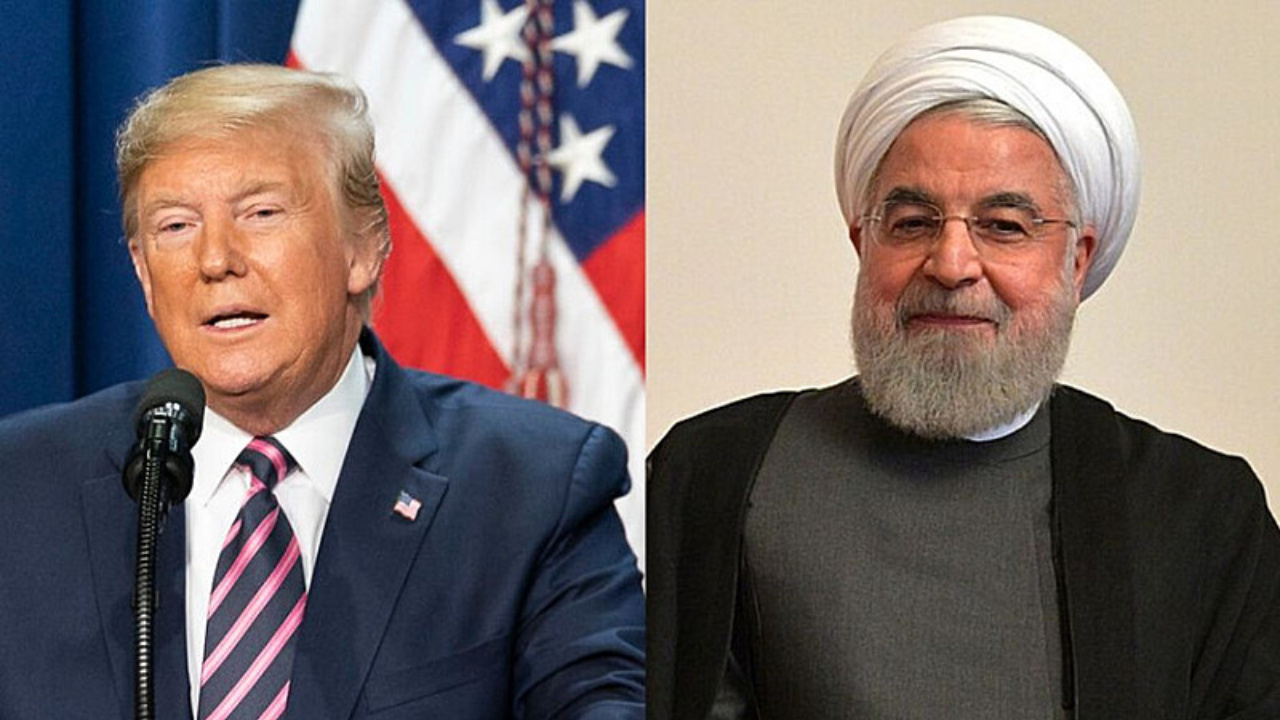


Escalation Between the U.S. and Iran Involves Nuclear Deadlock, Military Planning and Geopolitical Dispute Over Oil, Amplifying Fears of Conflict and Global Impacts.
Although the public deadlock is linked to uranium enrichment, the crisis between the United States and Iran is also set against the backdrop of oil. The Persian country is one of the world’s major producers and exports a significant part of its production, especially to China. Thus, any instability in the region can directly affect the international energy market.
Analysts assess that the current tension mixes strategic and economic interests. On one side, Washington demands that Tehran drastically reduce uranium enrichment, currently at 60%, a level considered close to what is necessary for nuclear weapons production.
Furthermore, it calls for greater international oversight. On the other side, the Iranian government resists. It defends its right to technological development and demands an end to the sanctions that affect its economy.
-
Brazilian giant expands borders in the Southeast: Petrobras confirms new oil discovery in ultra-deep waters in the pre-salt of the Campos Basin.

-
Alert in the global energy market: Severe tropical cyclone hits the coast and disrupts gas production at major plants in Australia, threatening global supply.

-
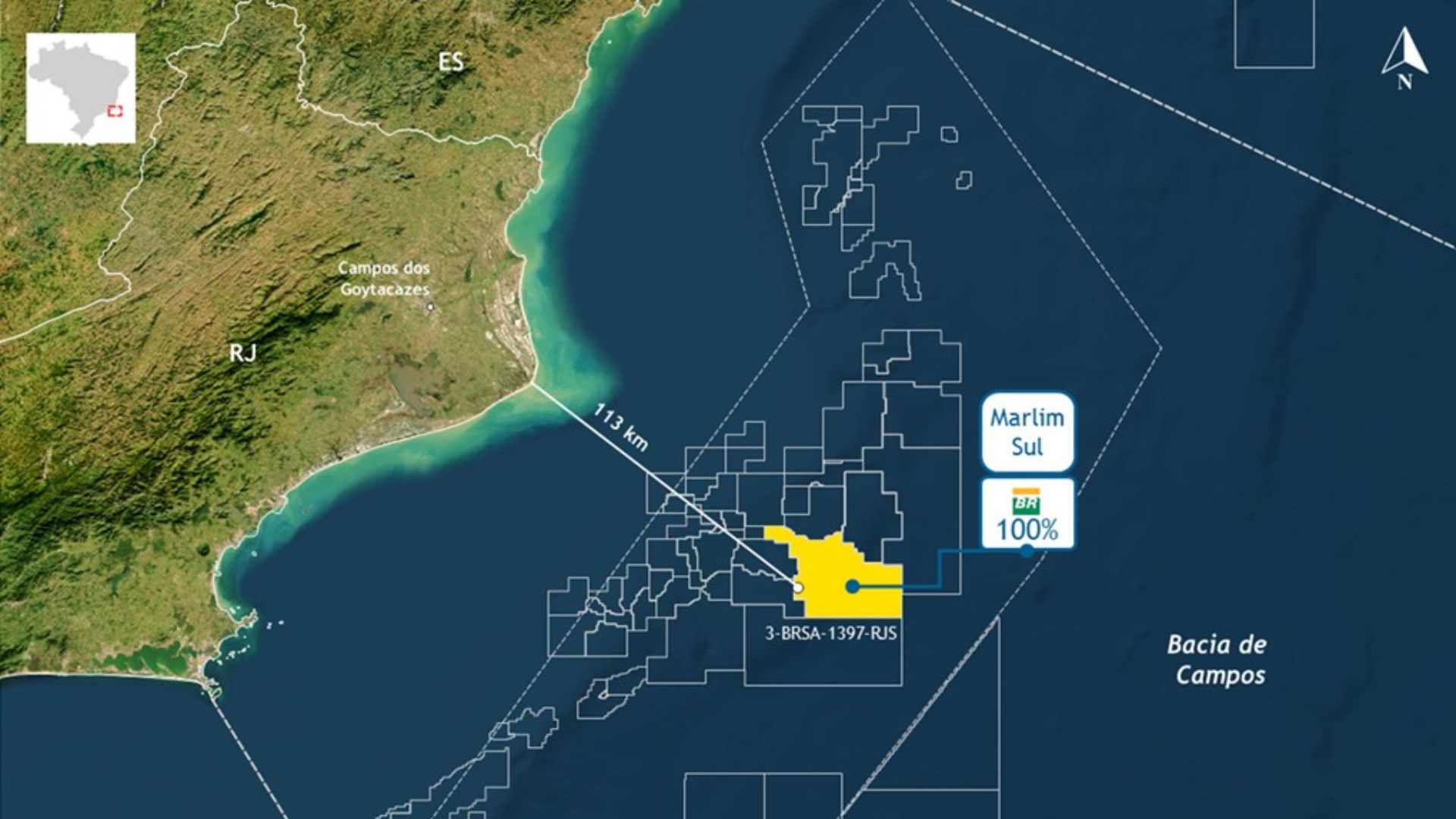
Petrobras finds high-quality oil in the pre-salt at 113 km from RJ and reignites expectations about strategic reserves in the Campos Basin.

-
Ocyan opens registrations for startups focused on innovation in the oil and gas sector and will select projects for Innovation Day with the support of Nexio.


In this scenario, oil appears as a key piece. After all, controlling energy flows also means influencing global allies and rivals.
Military Planning Advances and Expands Uncertainties
While negotiations remain stalled, information released by international outlets indicates that U.S. military planning is already in an advanced stage.
The possibilities range from targeted attacks to attempts to directly weaken Iranian leadership.
According to experts, any operation could occur in phases. First, cyberattacks and neutralization of defense systems. Then, bombings of strategic targets, such as arsenals and facilities linked to the Revolutionary Guard.
Next, actions against nuclear infrastructure. A maritime offensive in the Strait of Hormuz, a vital route for oil transportation, would also be on the radar.
“The most likely scenario is that the United States will seek someone within the Iranian regime to negotiate, meaning the decapitation of Khamenei and someone who would take responsibility for the country,” says Vitelio Brustolin, a professor of International Relations at UFF and a Harvard researcher.
The military apparatus already mobilized is impressive. Fifth-generation fighters, such as F-22 and F-35, advanced surveillance aircraft, two aircraft carriers, and about 12 warships make up the scenario. The message is clear: there is preparation for multiple developments.
China, Russia and the Geopolitical Weight of Iranian Oil
The crisis is not limited to the Middle East. It resonates in the global struggle for influence. China purchases a large volume of Iranian oil. Therefore, it watches closely every move from Washington.
“China and Russia are very concerned about this because they are allies of Iran. China buys a lot of Iranian oil and is seeing the U.S. president trying to seize the oil from nations that were exporting, and still export, a lot of oil to China, such as Venezuela and Iran,” explains Américo Martins.
He adds that “they understand that this is a geopolitical struggle for resources and that the main target, in the end, is China.”

Meanwhile, Israel is pushing for tougher measures against Tehran. European countries are showing caution. Russia, although it supports Iran, remains focused on the war in Ukraine and tends to avoid direct military involvement.
Thus, the deadlock combines nuclear program, economic sanctions, and oil control into a delicate equation. With every new move, fears grow over impacts on energy prices, the global economy, and regional stability.
In light of this scenario, do you believe that the conflict revolves more around the nuclear program or the control of oil and global influence?








o autor dessa extensa matéria nem citou ou cogitou algo do recente acontecido com a população iraniana MASSACRADA pelo REGIME dos Aiatolas… milhares do civís mortos por tiros de fuzil. parece cunho **** e ou apoio, parece.
Mas os EUA estão pouco se lixando pra isso. O que realmente interessa a eles é o petróleo e comando da região